Lola Williamson - Böcker
Visar alla böcker från författaren Lola Williamson. Handla med fri frakt och snabb leverans.
4 produkter
4 produkter
912 kr
Skickas inom 10-15 vardagar
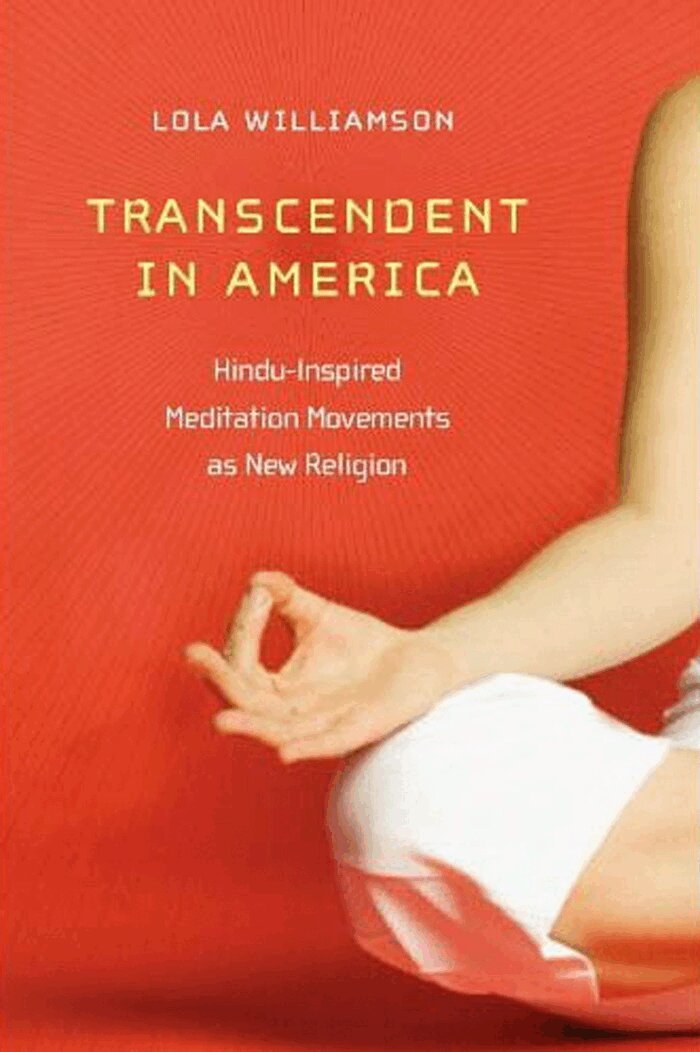
Yoga, karma, meditation, guru—these terms, once obscure, are now a part of the American lexicon. Combining Hinduism with Western concepts and values, a new hybrid form of religion has developed in the United States over the past century. In Transcendent in America, Lola Williamson traces the history of various Hindu-inspired movements in America, and argues that together they constitute a discrete category of religious practice, a distinct and identifiable form of new religion.Williamson provides an overview of the emergence of these movements through examining exchanges between Indian Hindus and American intellectuals such as Thomas Jefferson and Ralph Waldo Emerson, and illuminates how Protestant traditions of inner experience paved the way for Hindu-style movements' acceptance in the West.Williamson focuses on three movements—Self-Realization Fellowship, Transcendental Meditation, and Siddha Yoga—as representative of the larger of phenomenon of Hindu-inspired meditation movements. She provides a window into the beliefs and practices of followers of these movements by offering concrete examples from their words and experiences that shed light on their world view, lifestyle, and relationship with their gurus. Drawing on scholarly research, numerous interviews, and decades of personal experience with Hindu-style practices, Williamson makes a convincing case that Hindu-inspired meditation movements are distinct from both immigrant Hinduism and other forms of Asian-influenced or "New Age" groups.
361 kr
Skickas inom 7-10 vardagar
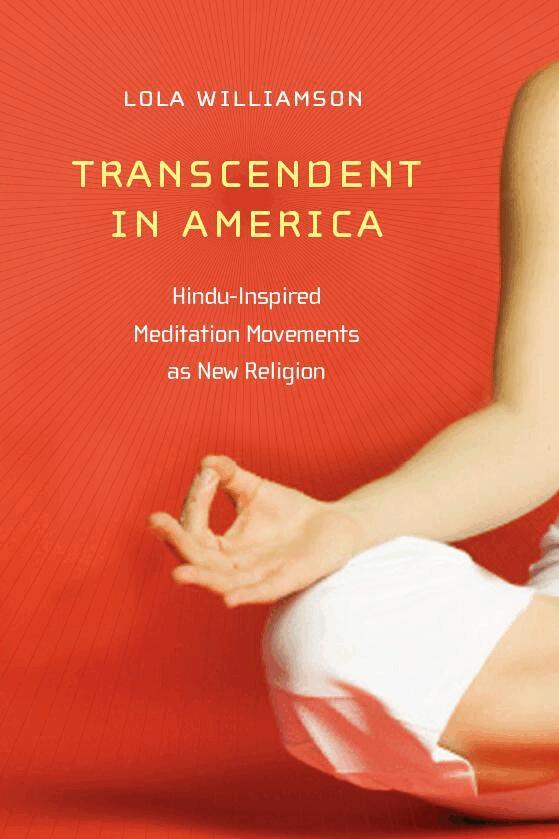
Yoga, karma, meditation, guru—these terms, once obscure, are now a part of the American lexicon. Combining Hinduism with Western concepts and values, a new hybrid form of religion has developed in the United States over the past century. In Transcendent in America, Lola Williamson traces the history of various Hindu-inspired movements in America, and argues that together they constitute a discrete category of religious practice, a distinct and identifiable form of new religion.Williamson provides an overview of the emergence of these movements through examining exchanges between Indian Hindus and American intellectuals such as Thomas Jefferson and Ralph Waldo Emerson, and illuminates how Protestant traditions of inner experience paved the way for Hindu-style movements' acceptance in the West.Williamson focuses on three movements—Self-Realization Fellowship, Transcendental Meditation, and Siddha Yoga—as representative of the larger of phenomenon of Hindu-inspired meditation movements. She provides a window into the beliefs and practices of followers of these movements by offering concrete examples from their words and experiences that shed light on their world view, lifestyle, and relationship with their gurus. Drawing on scholarly research, numerous interviews, and decades of personal experience with Hindu-style practices, Williamson makes a convincing case that Hindu-inspired meditation movements are distinct from both immigrant Hinduism and other forms of Asian-influenced or "New Age" groups.
1 057 kr
Tillfälligt slut
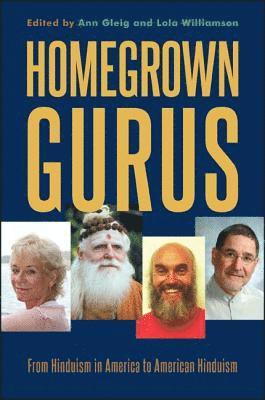
Exploring homegrown movements and figures, proclaims "American Hinduism" as a distinct religious tradition.Today, a new stage in the development of Hinduism in America is taking shape. After a century of experimentation during which Americans welcomed Indian gurus who adjusted their teachings to accommodate the New World context, "American Hinduism" can now rightly be called its own tradition rather than an imported religion. Accordingly, this spiritual path is now headed by leaders born in North America. Homegrown Gurus explores this phenomenon in essays about these figures and their networks. A variety of teachers and movements are considered, including Ram Dass, Siddha Yoga, and Amrit Desai and Kripalu Yoga, among others. Two contradictory trends quickly become apparent: an increasing Westernization of Hindu practices and values alongside a renewed interest in traditional forms of Hinduism. These opposed sensibilities-innovation and preservation, radicalism and recovery-are characteristic of postmodernity and denote a new chapter in the American assimilation of Hinduism.
382 kr
Tillfälligt slut
Exploring homegrown movements and figures, proclaims "American Hinduism" as a distinct religious tradition.Today, a new stage in the development of Hinduism in America is taking shape. After a century of experimentation during which Americans welcomed Indian gurus who adjusted their teachings to accommodate the New World context, "American Hinduism" can now rightly be called its own tradition rather than an imported religion. Accordingly, this spiritual path is now headed by leaders born in North America. Homegrown Gurus explores this phenomenon in essays about these figures and their networks. A variety of teachers and movements are considered, including Ram Dass, Siddha Yoga, and Amrit Desai and Kripalu Yoga, among others. Two contradictory trends quickly become apparent: an increasing Westernization of Hindu practices and values alongside a renewed interest in traditional forms of Hinduism. These opposed sensibilities-innovation and preservation, radicalism and recovery-are characteristic of postmodernity and denote a new chapter in the American assimilation of Hinduism.