
London) Thane, Pat (, Leverhulme Professor of Contemporary British History, Institute of Historical Research – författare
Visar alla böcker från författaren London) Thane, Pat (, Leverhulme Professor of Contemporary British History, Institute of Historical Research. Handla med fri frakt och snabb leverans.
2 produkter
2 produkter
1 054 kr
Skickas inom 7-10 vardagar
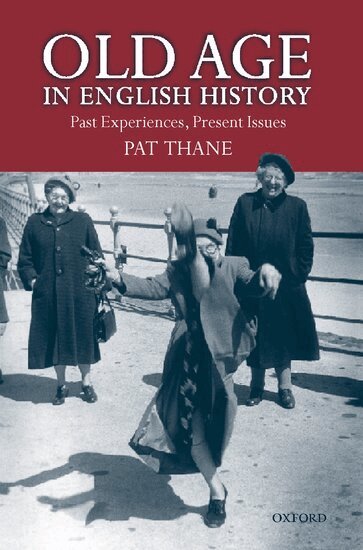
At the end of the twentieth century more people are living into their seventies, eighties, nineties and beyond, a process expected to continue well into the next millennium. The twentieth century has achieved what people in other centuries only dreamed of: many can now expect to survive to old age in reasonably good health and can remain active and independent to the end, in contrast to the high death rate, ill health and destitution which affected all ages in the past. Yet this change is generally greeted not with triumph but with alarm. It is assumed that the longer people live, the longer they are ill and dependent, thus burdening a shrinking younger generation with the cost of pensions and health care. It is also widely believed that 'the past' saw few survivors into old age and these could be supported by their families without involving the taxpayer. In this first survey of old age throughout English history, these assumptions are challenged. Vivid pictures are given of the ways in which very large numbers of older people lived often vigorous and independent lives over many centuries. The book argues that old people have always been highly visible in English communities, and concludes that as people live longer due to the benefits of the rise in living standards, far from being 'burdens' they can be valuable contributors to their family and friends.
701 kr
Skickas inom 7-10 vardagar
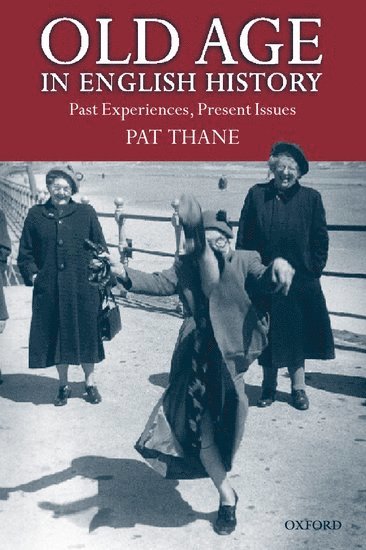
At the end of the twentieth century more people are living into their seventies, eighties, nineties, and beyond, a process expected to continue well into the next millennium, This life spancould only have been dreamed of in earlier centuries; now many can expect to survive to old age in reasonably good health and remain active and independent to the end, in contrast to the high death rate, ill health, and destitution which affected all generations in the past.Yes this change is generally greeted not with triumph but with alarm. It is assumed that the longer people live, the longer they are ill and dependent, thus burdening a shrinking younger generation with the cost of pensions and health care. It is also widely believed that 'the past' saw few survivors into old age and thse could be supported by their families without involoving the tax payer.In this first survey of old age throughout English history, these assumptions are challenged. Vivid pictures are givenof the ways in which very large numbers of older people lived oftern vigorous and independent lives over many centuries. The book argues that old people have always been highly visible in English communities, and concludes that as people live longer, due to the benefits of the rise in living standards, far from being burdens they can be valuable contributors to their families and to society.