Lorenzo Servitje - Böcker
Visar alla böcker från författaren Lorenzo Servitje. Handla med fri frakt och snabb leverans.
7 produkter
7 produkter
989 kr
Skickas inom 7-10 vardagar
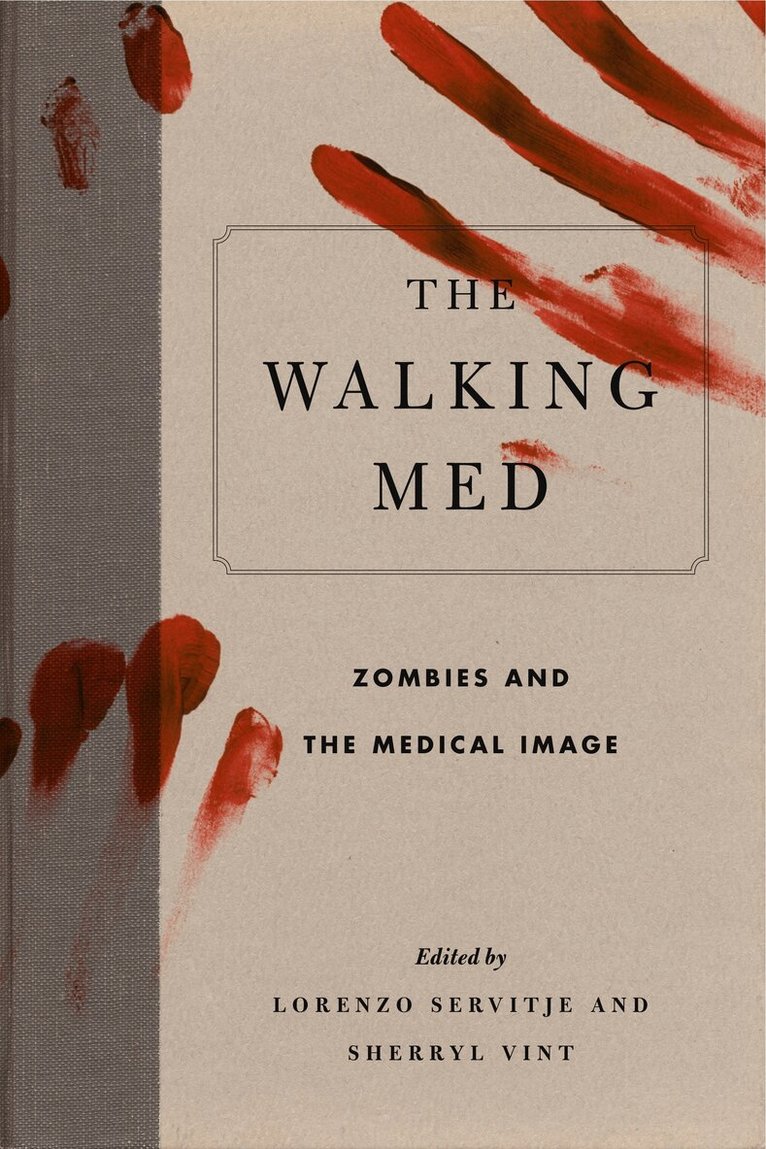
The zombie craze has infected popular culture with the intensity of a viral outbreak, propagating itself through text, television, film, video games, and many other forms of media. As a metaphor, zombies may represent political notions, such as the return of the repressed violence of colonialism, or the embodiment of a culture obsessed with consumerism. Increasingly, they are understood and depicted as a medicalized phenomenon: creatures transformed by disease into a threatening vector of contagion.The Walking Med brings together scholars from across the disciplines of cultural studies, medical education, medical anthropology, and art history to explore what new meanings the zombie might convey in this context. These scholars consider a range of forms—from comics disseminated by the Centers for Disease Control and Prevention to graphic novels and television shows such as The Walking Dead—to show how interrogations of the zombie metaphor can reveal new perspectives within the medical humanities. An unprecedented forum for dialogue between cultural studies of zombies and graphic medicine, The Walking Med is an invaluable contribution to both areas of study, as well as a potent commentary on one of popular culture’s most invasive and haunting figures.In addition to the editors, the contributors are Tully Barnett, Gerry Canavan, Daniel George, Michael Green, Ben Kooyman, Sarah Juliet Lauro, Juliet McMullin, Kari Nixon, Steven Schlozman, Dan Smith, and Darryl Wilkinson.
407 kr
Skickas inom 7-10 vardagar
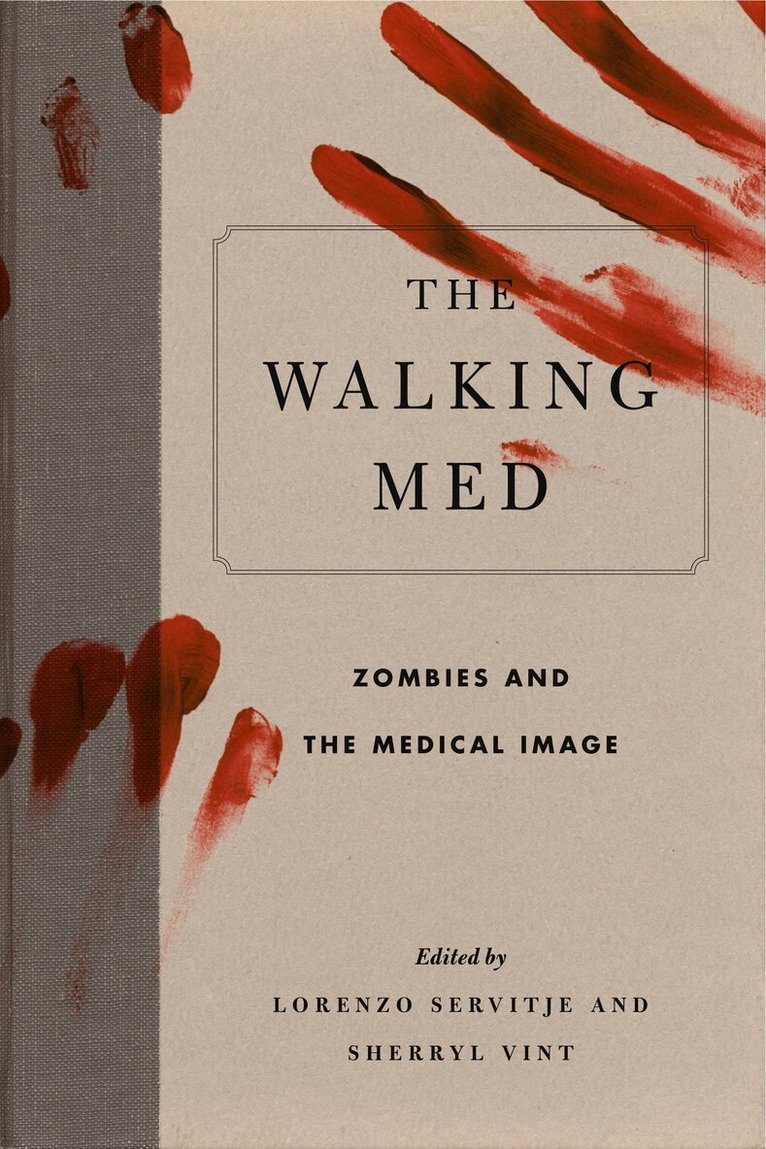
The zombie craze has infected popular culture with the intensity of a viral outbreak, propagating itself through text, television, film, video games, and many other forms of media. As a metaphor, zombies may represent political notions, such as the return of the repressed violence of colonialism, or the embodiment of a culture obsessed with consumerism. Increasingly, they are understood and depicted as a medicalized phenomenon: creatures transformed by disease into a threatening vector of contagion.The Walking Med brings together scholars from across the disciplines of cultural studies, medical education, medical anthropology, and art history to explore what new meanings the zombie might convey in this context. These scholars consider a range of forms—from comics disseminated by the Centers for Disease Control and Prevention to graphic novels and television shows such as The Walking Dead—to show how interrogations of the zombie metaphor can reveal new perspectives within the medical humanities. An unprecedented forum for dialogue between cultural studies of zombies and graphic medicine, The Walking Med is an invaluable contribution to both areas of study, as well as a potent commentary on one of popular culture’s most invasive and haunting figures.In addition to the editors, the contributors are Tully Barnett, Gerry Canavan, Daniel George, Michael Green, Ben Kooyman, Sarah Juliet Lauro, Juliet McMullin, Kari Nixon, Steven Schlozman, Dan Smith, and Darryl Wilkinson.
1 732 kr
Skickas inom 10-15 vardagar
This book develops a new multimodal theoretical model of contagion for interdisciplinary scholars, featuring contributions from influential scholars spanning the fields of medical humanities, philosophy, political science, media studies, technoculture, literature, and bioethics.
1 674 kr
Skickas inom 3-6 vardagar
Examines how literature mediated a convergence of militarism and medicine in Victorian culture that continues into the present via a widespread martial metaphor.Medicine is most often understood through the metaphor of war. We encounter phrases such as "the war against the coronavirus," "the front lines of the Ebola crisis," "a new weapon against antibiotic resistance," or "the immune system fights cancer" without considering their assumptions, implications, and history. But there is nothing natural about this language. It does not have to be, nor has it always been, the way to understand the relationship between humans and disease.Medicine Is War shows how this "martial metaphor" was popularized throughout the nineteenth century. Drawing on the works of Mary Shelley, Charles Kingsley, Bram Stoker, Arthur Conan Doyle, and Joseph Conrad, Lorenzo Servitje examines how literary form reflected, reinforced, and critiqued the convergence of militarism and medicine in Victorian culture. He considers how, in migrating from military medicine to the civilian sphere, this metaphor responded to the developments and dangers of modernity: urbanization, industrialization, government intervention, imperial contact, crime, changing gender relations, and the relationship between the one and the many. While cultural and literary scholars have attributed the metaphor to late nineteenth-century germ theory or immunology, this book offers a new, more expansive history stretching from the metaphor's roots in early nineteenth-century militarism to its consolidation during the rise of early twentieth-century pharmacology. In so doing, Servitje establishes literature's pivotal role in shaping what war has made thinkable and actionable under medicine's increasing jurisdiction in our lives. Medicine Is War reveals how, in our own moment, the metaphor remains conducive to harming as much as healing, to control as much as empowerment.
683 kr
Skickas inom 3-6 vardagar
Examines how literature mediated a convergence of militarism and medicine in Victorian culture that continues into the present via a widespread martial metaphor.Medicine is most often understood through the metaphor of war. We encounter phrases such as "the war against the coronavirus," "the front lines of the Ebola crisis," "a new weapon against antibiotic resistance," or "the immune system fights cancer" without considering their assumptions, implications, and history. But there is nothing natural about this language. It does not have to be, nor has it always been, the way to understand the relationship between humans and disease.Medicine Is War shows how this "martial metaphor" was popularized throughout the nineteenth century. Drawing on the works of Mary Shelley, Charles Kingsley, Bram Stoker, Arthur Conan Doyle, and Joseph Conrad, Lorenzo Servitje examines how literary form reflected, reinforced, and critiqued the convergence of militarism and medicine in Victorian culture. He considers how, in migrating from military medicine to the civilian sphere, this metaphor responded to the developments and dangers of modernity: urbanization, industrialization, government intervention, imperial contact, crime, changing gender relations, and the relationship between the one and the many. While cultural and literary scholars have attributed the metaphor to late nineteenth-century germ theory or immunology, this book offers a new, more expansive history stretching from the metaphor's roots in early nineteenth-century militarism to its consolidation during the rise of early twentieth-century pharmacology. In so doing, Servitje establishes literature's pivotal role in shaping what war has made thinkable and actionable under medicine's increasing jurisdiction in our lives. Medicine Is War reveals how, in our own moment, the metaphor remains conducive to harming as much as healing, to control as much as empowerment.
1 319 kr
Skickas inom 10-15 vardagar
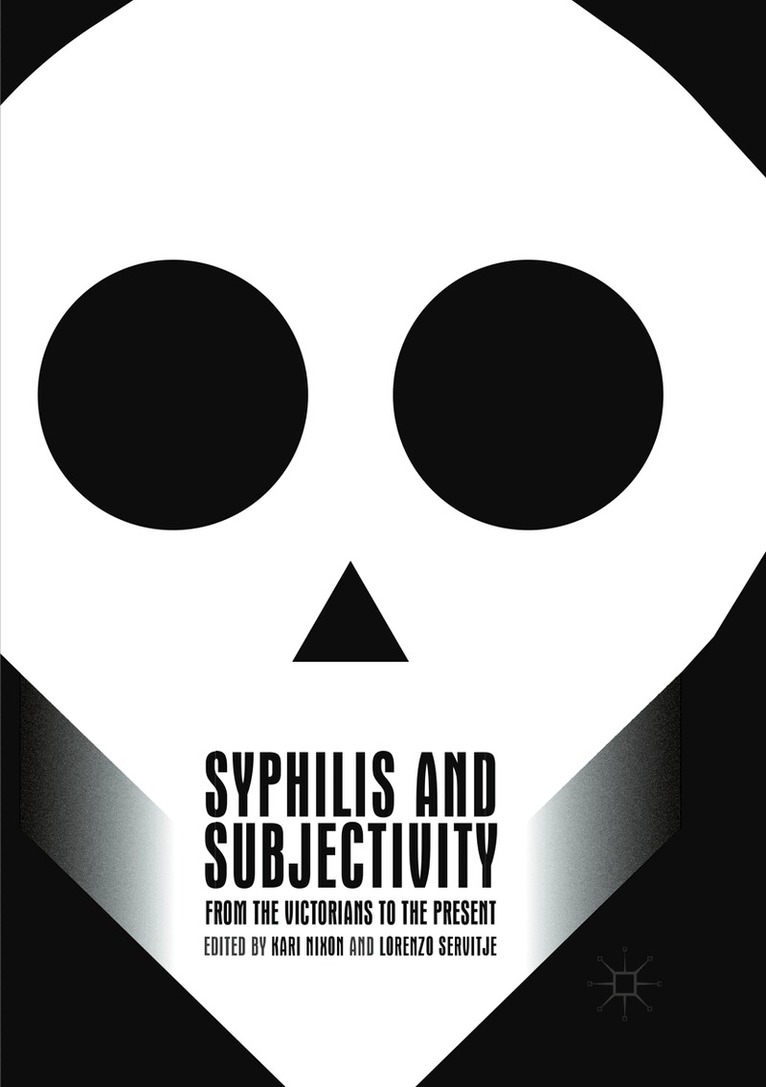
This book demystifies the cultural work of syphilis from the late nineteenth century to the present. By interrogating the motivations that engender habits of belief, thought, and conduct regarding the disease and notions of the self, this interdisciplinary volume investigates constructions of syphilis that had a significant role in shaping modern subjectivity. Chapters draw from a variety of scholarly methods, such as cultural and literary studies, sociology, and anthropology. Authors unravel the representations and influence of syphilis in various cultural forms: cartography, medical writings, literature, historical periodicals, and contemporary popular discourses such as internet forums and electronic news media.Exploring the ways syphilitic rhetoric responds to, generates, or threatens social systems and cultural capital offers a method by which we can better understand the geographies of blame that are central to the conceptual heritage of the disease. This unique volume will appeal to students and scholars in the medical humanities, medical sociology, the history of medicine, and Victorian and modernist studies.
1 319 kr
Skickas inom 10-15 vardagar
This book demystifies the cultural work of syphilis from the late nineteenth century to the present. By interrogating the motivations that engender habits of belief, thought, and conduct regarding the disease and notions of the self, this interdisciplinary volume investigates constructions of syphilis that had a significant role in shaping modern subjectivity. Chapters draw from a variety of scholarly methods, such as cultural and literary studies, sociology, and anthropology. Authors unravel the representations and influence of syphilis in various cultural forms: cartography, medical writings, literature, historical periodicals, and contemporary popular discourses such as internet forums and electronic news media.Exploring the ways syphilitic rhetoric responds to, generates, or threatens social systems and cultural capital offers a method by which we can better understand the geographies of blame that are central to the conceptual heritage of the disease. This unique volume will appeal to students and scholars in the medical humanities, medical sociology, the history of medicine, and Victorian and modernist studies.