Lori Khatchadourian – författare
Visar alla böcker från författaren Lori Khatchadourian. Handla med fri frakt och snabb leverans.
4 produkter
4 produkter
294 kr
Skickas inom 5-8 vardagar
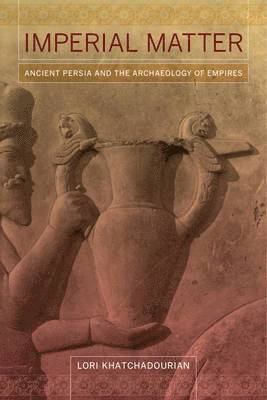
What is the role of the material world in shaping the tensions and paradoxes of imperial sovereignty? Scholars have long shed light on the complex processes of conquest, extraction, and colonialism under imperial rule. But imperialism has usually been cast as an exclusively human drama, one in which the world of matter does not play an active role. Lori Khatchadourian argues instead that things - from everyday objects to monumental buildings - profoundly shape social and political life under empire. Out of the archaeology of ancient Persia and the South Caucasus, Imperial Matter advances powerful new analytical approaches to the study of imperialism writ large and should be read by scholars working on empire across the humanities and social sciences.
395 kr
Kommande
A new and characteristically innovative work from the School for Advanced Research's Seminar Series. This groundbreaking volume explores how dynamic interactions between human actors, material objects, and metaphysical beliefs shaped and sustained empires. From Han Chinese water management to Xiongnu drinking vessels, from Hittite royal imagery to Teotihuacan animal sacrifices, from Andean anti-imperial resistance to ritual rebirth in Travancore, the case studies reveal how materials and metaphysics intertwined to both enable and constrain imperial ambitions. The contributors examine how assemblages of artifacts, resources, animals, and landscapes actively shaped power relations across diverse imperial formations, while sometimes facilitating resistance to them. Moving beyond conventional political histories, the volume illuminates how things helped constitute imperial authority. In examining these material-political assemblages, the authors provide new theoretical frameworks for understanding empire-building as an emergent process involving both human and non-human actors, while raising crucial questions about archaeology’s ethical obligations in studying imperial power.
Heritage Forensics
Culture on the Front Lines of the Armenia-Azerbaijan Conflict
Inbunden, Engelska, 2026
1 626 kr
Kommande
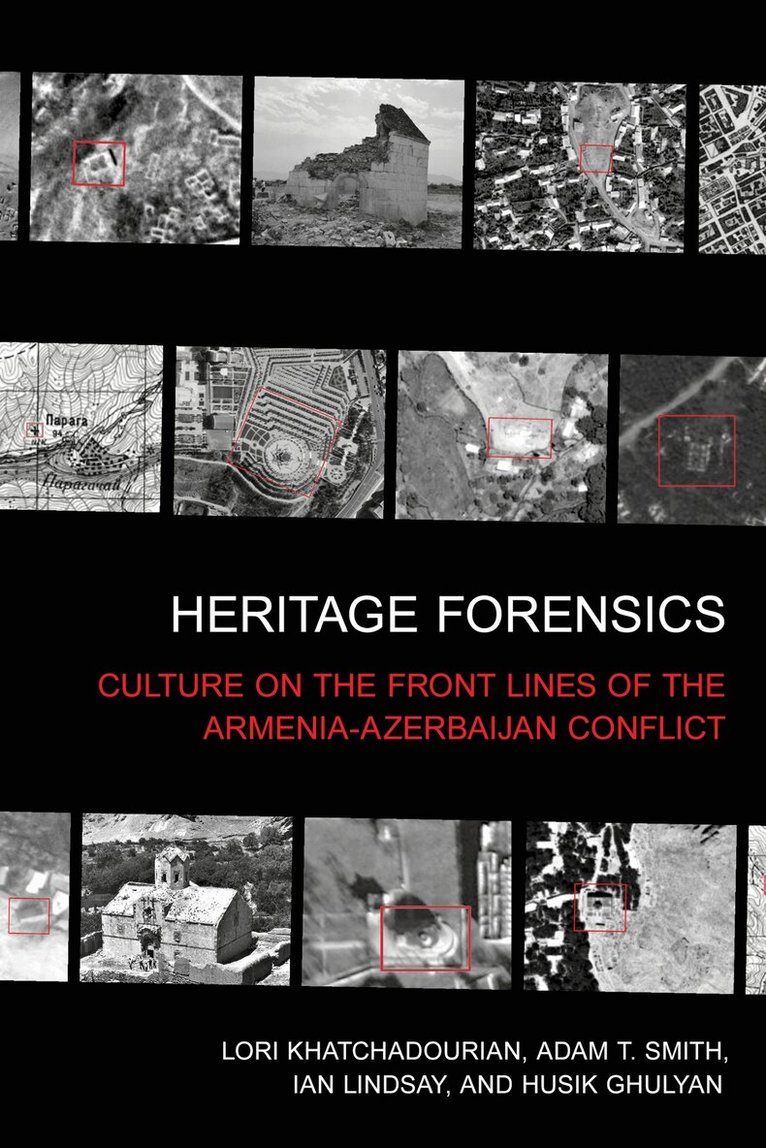
Heritage Forensics introduces a new framework for investigating cultural heritage caught up in war, ethnic cleansing, and secrecy. The book combines satellite-based spatial analysis with humanistic research and humanitarian concern to document the impact of the protracted conflict between Armenia and Azerbaijan on the medieval and modern heritagescape of the South Caucasus. Drawing on the findings of Caucasus Heritage Watch, the authors demonstrate how cultural erasure, looting, and violence have inflicted harm on historical sites and the descendant communities for whom they hold enduring significance.Out of the forensic materials provided by the Nagorno-Karabakh wars, Lori Khatchadourian, Adam T. Smith, Ian Lindsay, and Husik Ghulyan offer a reflexive approach for bearing witness to abuses of cultural heritage that emphasizes historical and political context and the careful use of powerful technologies in an era of post-truths. Heritage Forensics establishes a model for investigating cultural heritage threatened by political violence and is an invaluable resource for scholars, journalists, activists, and policymakers alike.
Heritage Forensics
Culture on the Front Lines of the Armenia-Azerbaijan Conflict
Häftad, Engelska, 2026
245 kr
Kommande
Heritage Forensics introduces a new framework for investigating cultural heritage caught up in war, ethnic cleansing, and secrecy. The book combines satellite-based spatial analysis with humanistic research and humanitarian concern to document the impact of the protracted conflict between Armenia and Azerbaijan on the medieval and modern heritagescape of the South Caucasus. Drawing on the findings of Caucasus Heritage Watch, the authors demonstrate how cultural erasure, looting, and violence have inflicted harm on historical sites and the descendant communities for whom they hold enduring significance.Out of the forensic materials provided by the Nagorno-Karabakh wars, Lori Khatchadourian, Adam T. Smith, Ian Lindsay, and Husik Ghulyan offer a reflexive approach for bearing witness to abuses of cultural heritage that emphasizes historical and political context and the careful use of powerful technologies in an era of post-truths. Heritage Forensics establishes a model for investigating cultural heritage threatened by political violence and is an invaluable resource for scholars, journalists, activists, and policymakers alike.