Lorna Talbott - Böcker
Visar alla böcker från författaren Lorna Talbott. Handla med fri frakt och snabb leverans.
5 produkter
5 produkter
173 kr
Skickas
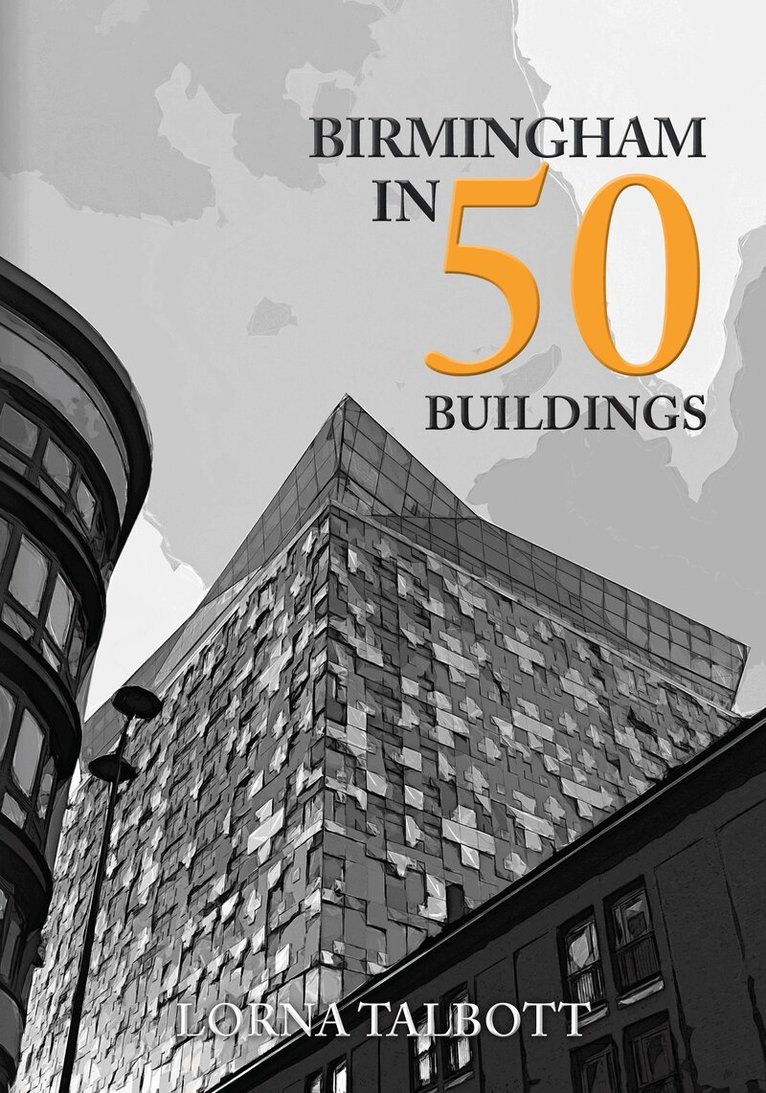
Although Birmingham’s history goes back beyond the Middle Ages, there are only a few fragments of medieval Birmingham left, some of which have been moved from their original site as the city expanded. The city expanded rapidly in the industrial age and although Birmingham has many properties from the eighteenth and nineteenth centuries, it was radically transformed by the bombing raids of the Second World War and the subsequent rejuvenation by city planners. Some 1960s and 1970s buildings like the Rotunda have become icons of the city, but in recent years much of the mid-twentieth-century building, often in concrete brutalist style, has in turn been replaced by new structures like Beetham Tower and Birmingham Library. As England’s second city, Birmingham was a major centre of manufacture, and many of the buildings still stand today. It was also the home of a significant art and architecture movement, the Arts and Crafts movement, which has left its mark on the architectural legacy of Birmingham.Birmingham in 50 Buildings explores the history of this fascinating West Midlands metropolis through a selection of its most interesting buildings and structures, showing the changes that have taken place over the years. It uncovers the earliest churches and dwellings in the city, unique pieces of industrial architecture, the amazing heritage of Victorian religious and municipal structures, art deco cinemas, modernist high-rise blocks and iconic shopping centres. This book will appeal to all those who live in Birmingham or have an interest in the city.
173 kr
Skickas
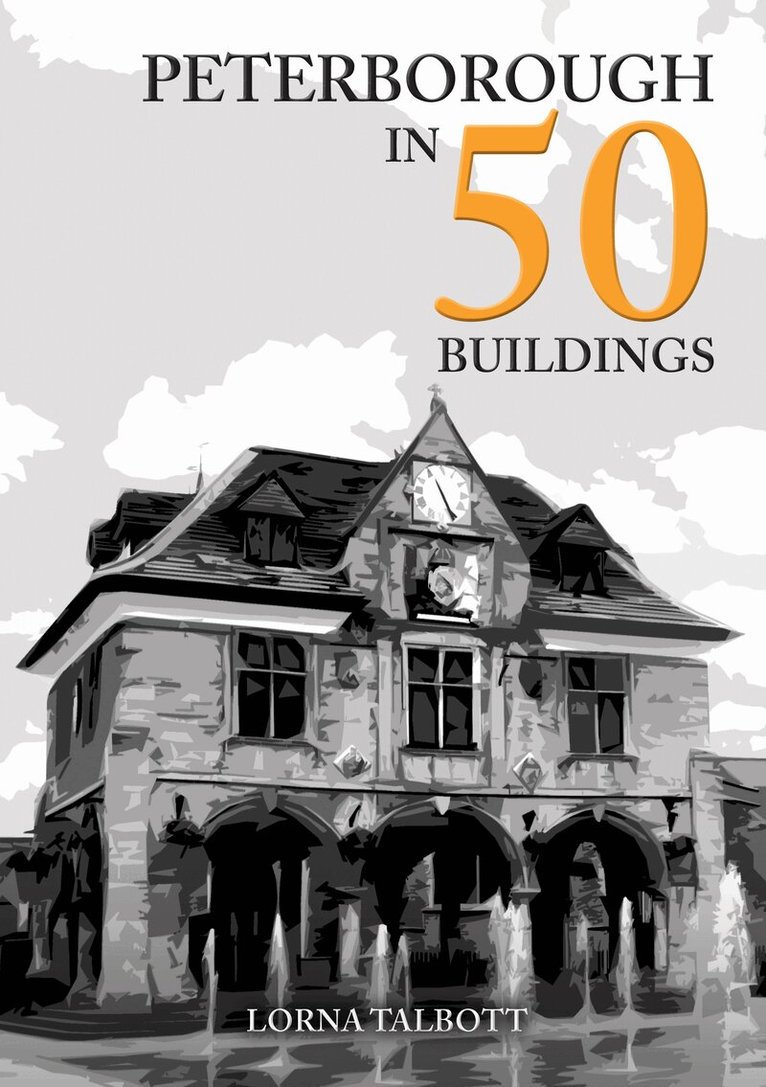
In the seventh century the Anglo-Saxons built an abbey dedicated to St Peter, where the Roman Ermine Street crossed the River Nene. The town around the abbey came to be known as St Peter’s Burgh, and is dominated today by the cathedral on the site. However, there are many other fascinating buildings in Peterborough that mark the stages of its history: the remains of a Saxon church and a Norman castle, the first purpose-built prisoner-of-war camp at nearby Norman Cross, the grandeur of sixteenth-century Milton Hall and the seventeenth-century Guildhall, the Gothic Revival architecture of Sir George Gilbert Scott’s Peterscourt, through its industrial development and being the home of engine manufacturer Perkins. Designated a new town in the 1960s, Peterborough has tripled in population over the last fifty years, and it is now one of the UK’s environment cities, a green and thriving urban area with plenty of interesting historical structures to explore.Peterborough in 50 Buildings explores the history of this city through a selection of its most interesting buildings and structures, showing the changes that have taken place over the years. This book will appeal to all those who live in Peterborough or who have an interest in the area.
173 kr
Skickas
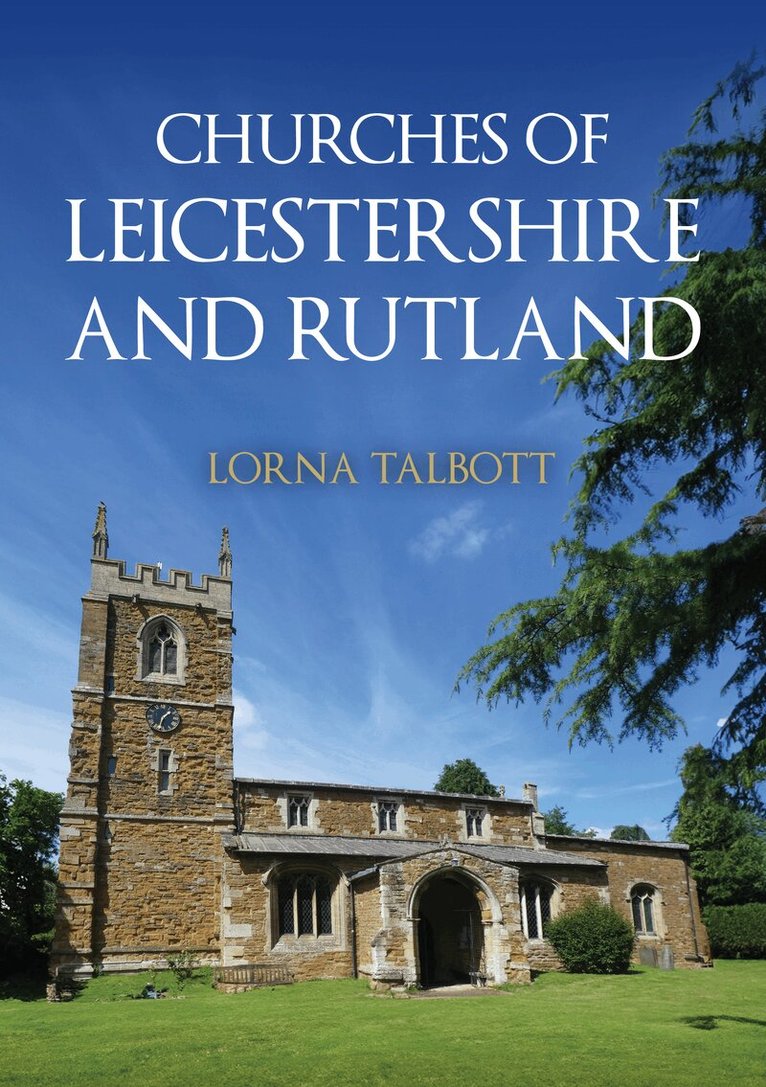
The churches of Leicestershire and Rutland represent the history of this area of the East Midlands. Largely rural, their wealth in the Middle Ages came mostly through farming and the wool trade, as well as the largest settlement in the area – Leicester. Later industrialisation also shaped Leicestershire, as Leicester and Loughborough also became known for manufacturing and coal mining, although adjoining Rutland, much smaller, developed less.Churches of Leicestershire and Rutland travels through a selection of the most interesting churches in these counties, from those with Norman and sometimes Saxon and Roman fragments, through to those of the nineteenth and twentieth centuries when burgeoning populations in the towns needed new places to worship in many denominations. Examples include Leicester Cathedral’s acquisition of a long-lost English king, the rescue of Normanton Church from Rutland Water, and many more. This fascinating picture of an important part of the history of Leicestershire and Rutland over the centuries will be of interest to all those who live in or are visiting these attractive counties in England.
178 kr
Skickas
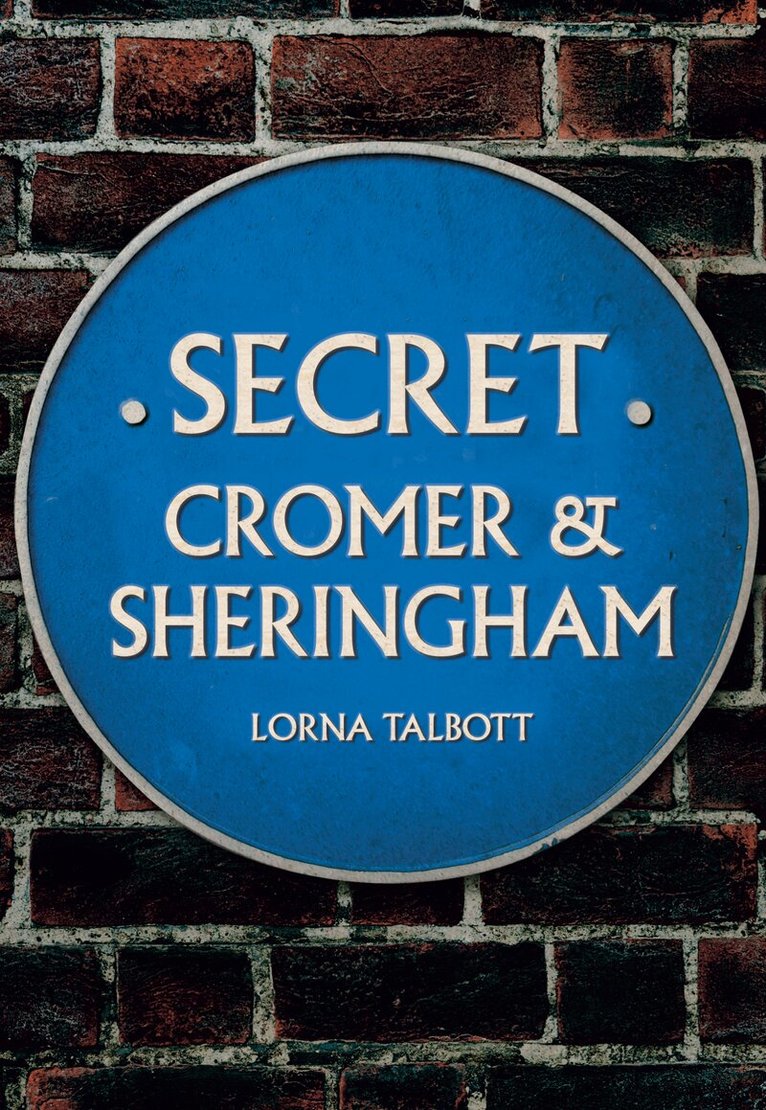
The north Norfolk coastal towns of Cromer and Sheringham, roughly 4 miles apart, were both small fishing villages until their development in the nineteenth century. Cromer became a fashionable resort and the arrival of the railways spurred growth in neighbouring Sheringham. Both towns are still popular with visitors to this stretch of north Norfolk, romantically nicknamed ‘Poppyland’ by the Victorians.In this book author Lorna Talbott delves into the history of Cromer and Sheringham. Part of medieval Cromer now lies under the sea and the remains of its church became a shipping hazard in later centuries. The history of both towns is intertwined with the fishing industry, particularly for crabs, but industries such as lime burning and brick making left their mark on the local landscape and other less legal trades such as smuggling were also practised. Throughout their history sea rescue was vital to Cromer and Sheringham and many in the towns served in the often perilous work of the lifeboats. The leisure industry also grew as the towns became popular with visitors and at one time were promoted as spa towns. The Victorians built grand hotels as well as starting the caravan trade. The first pier in Cromer’s history was built in the fourteenth century and today’s pier has seen a fascinating roll call of entertainers over the years. Secret Cromer & Sheringham explores all this and more, revealing the secrets of these Norfolk towns.
173 kr
Skickas inom 11-20 vardagar
Northampton nestles quietly in the centre of England, the county town of Northamptonshire. The medieval town grew around the castle, which was built after the Norman Conquest. Northampton thrived during the medieval period but as the town supported Oliver Cromwell and the Roundheads during the English Civil War, much of it was destroyed by Charles II during the Restoration. During the seventeenth century, Northampton, like London, also suffered a ‘great fire’, which further decimated the town. However, Northampton was already established as a centre for leather production and shoemaking, ensuring the town’s success and growth during the Industrial Revolution. In the 1960s Northampton was designated a ‘new town’ and a vast modern expansion followed. Its townscape today ranges from the fragments of the Norman castle and the National Lift Tower that dominates the skyline to historic churches, beautiful examples of industrial buildings, civic masterpieces, cosy pubs and nationally important properties such as the house designed by Rennie Mackintosh on Derngate.Northampton in 50 Buildings explores the history of this fascinating East Midlands town through a selection of its most interesting buildings and structures, showing the changes that have taken place in Northampton over the years. The book will appeal to all those who live in Northampton or who have an interest in the town.