Lorraine Byrne Bodley - Böcker
Visar alla böcker från författaren Lorraine Byrne Bodley. Handla med fri frakt och snabb leverans.
15 produkter
15 produkter
1 307 kr
Skickas inom 5-8 vardagar
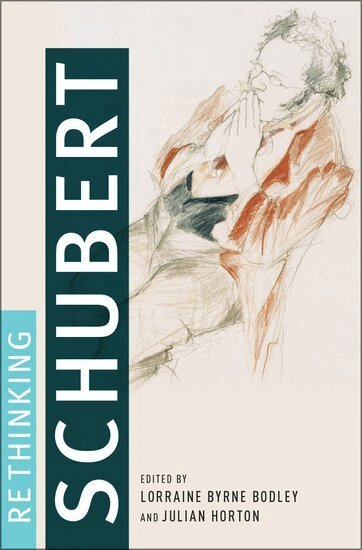
In Rethinking Schubert, today's leading Schubertians offer fresh perspectives on the composer's importance and our perennial fascination with him. Subjecting recurring issues in historical, biographical and analytical research to renewed scrutiny, the twenty-two chapters yield new insights into Schubert, his music, his influence and his legacy, and broaden the interpretative context for the music of his final years. With close attention to matters of style, harmonic and formal analysis, and text setting, the essays gathered here explore a significant portion of the composer's extensive output across a range of genres. The most readily explicable aspect of Schubert's appeal is undoubtedly our continuing engagement with the songs. Schubert will always be the first port of call for scholars interested in the relationship between music and the poetic text, and several essays in Rethinking Schubert offer welcome new inquiries into this subject. Yet perhaps the most striking feature of modern scholarship is the new depth of thought that attaches to the instrumental works. This music's highly protracted dissemination has combined with a habitual critical hostility to produce a reception history that is hardly congenial to musical analysis. Empowered by the new momentum behind theories of nineteenth-century harmony and form and recently-published source materials, the sophisticated approaches to the instrumental music in Rethinking Schubert show decisively that it is no longer acceptable to posit Schubert's instrumental forms as flawed lyric alternatives to Beethoven.What this volume provides, then, is not only a fresh portrait of one of the most loved composers of the nineteenth century but also a conspectus of current Schubertian research. Whether perusing unknown repertoire or refreshing canonical works, Rethinking Schubert reveals the extraordinary methodological variety that is now available to research, painting a contemporary portrait of Schubert that is vibrant, plural, trans-national and complex.
643 kr
Skickas inom 5-8 vardagar
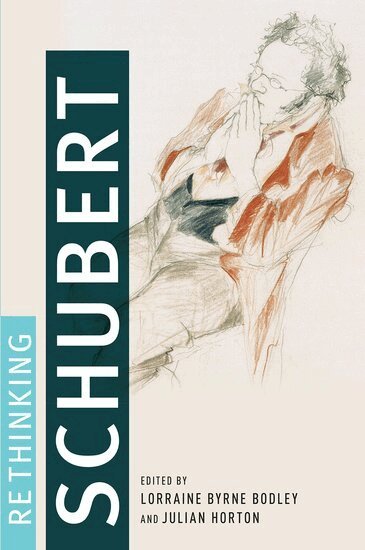
In Rethinking Schubert, today's leading Schubertians offer fresh perspectives on the composer's importance and our perennial fascination with him. Subjecting recurring issues in historical, biographical and analytical research to renewed scrutiny, the twenty-two chapters yield new insights into Schubert, his music, his influence and his legacy, and broaden the interpretative context for the music of his final years. With close attention to matters of style, harmonic and formal analysis, and text setting, the essays gathered here explore a significant portion of the composer's extensive output across a range of genres. The most readily explicable aspect of Schubert's appeal is undoubtedly our continuing engagement with the songs. Schubert will always be the first port of call for scholars interested in the relationship between music and the poetic text, and several essays in Rethinking Schubert offer welcome new inquiries into this subject. Yet perhaps the most striking feature of modern scholarship is the new depth of thought that attaches to the instrumental works. This music's highly protracted dissemination has combined with a habitual critical hostility to produce a reception history that is hardly congenial to musical analysis. Empowered by the new momentum behind theories of nineteenth-century harmony and form and recently-published source materials, the sophisticated approaches to the instrumental music in Rethinking Schubert show decisively that it is no longer acceptable to posit Schubert's instrumental forms as flawed lyric alternatives to Beethoven.What this volume provides, then, is not only a fresh portrait of one of the most loved composers of the nineteenth century but also a conspectus of current Schubertian research. Whether perusing unknown repertoire or refreshing canonical works, Rethinking Schubert reveals the extraordinary methodological variety that is now available to research, painting a portrait of Schubert that is vibrant, plural, trans-national, and complex.
393 kr
Skickas inom 7-10 vardagar
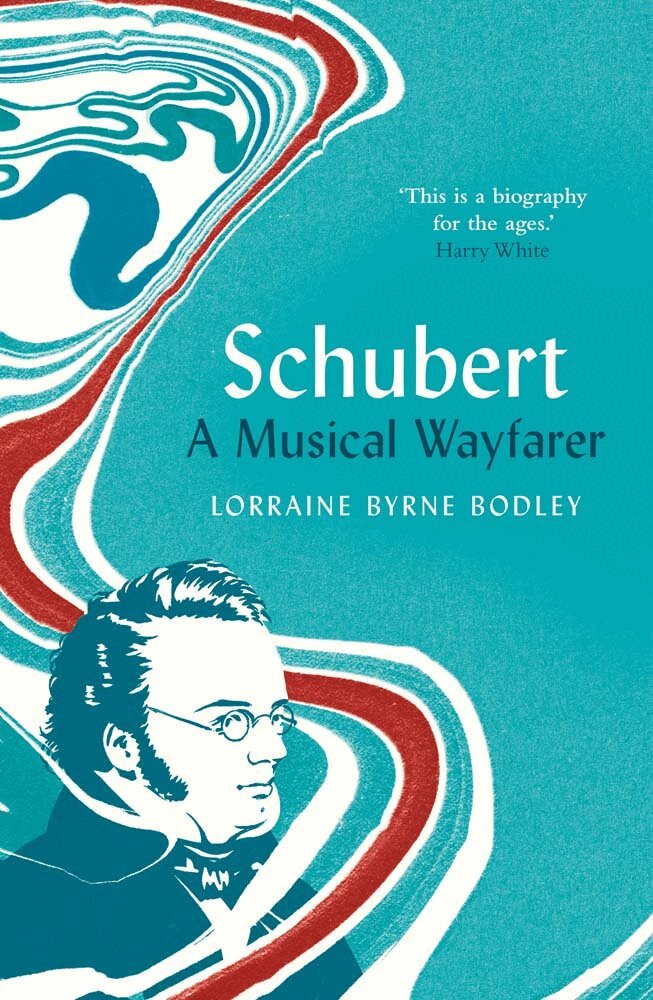
An insightful biography of the great composer, revealing Schubert’s complex and fascinating private life alongside his musical genius Brilliant, short-lived, incredibly prolific—Schubert is one of the most intriguing figures in music history. While his music attracts a wide audience, much of his private life remains shrouded in mystery, and significant portions of his work have been overlooked. In this major new biography, Lorraine Byrne Bodley takes a detailed look into Schubert’s life, from his early years at the Stadtkonvikt to the harrowing battle with syphilis that led to his death at the age of thirty-one. Drawing on extensive archival research in Vienna and the Czech Republic, and reconsidering the meaning of some of his best-known works, Bodley provides a fuller account than ever before of Schubert’s extraordinary achievement and incredible courage. This is a compelling new portrait of one of the most beloved composers of the nineteenth century.
2 419 kr
Skickas inom 10-15 vardagar
The traditional approach to the study of Goethe and Schubert is to place them in opposition to one another, both in terms of their life experiences and in relation to the nineteenth-century Lied. In her introduction to this book, Lorraine Byrne examines the myths that have evolved around these artists and challenges the view that Goethe was unmusical and conservative in his musical tastes. She also considers Schubert's life in relation to his obvious affinity with the poet and links the composer's Goethe settings with the poet's perception of the Lied. Goethe judged the success of a setting by whether the meaning of the text had been realised in musical form. In his Goethe settings Schubert translates the poet's meaning into musical terms and his rendition attains the classical unity of words and music that Goethe sought. The core of this volume is the series of individual analyses of all of Schubert's solo, dramatic and multi-voice settings of Goethe texts. These explore in detail both the literary and the musical dimensions of each work, and Schubert's reading and interpretation of Goethe's writings. This is the first study in English to treat both artists with equal attention and insight. This, together with its encyclopaedic coverage of this important corpus of works, makes this volume an essential reference tool for all those who study Schubert and Goethe.
661 kr
Skickas inom 10-15 vardagar
Goethe and Zelter spent a staggering 33 years corresponding or in the case of each artist, over two thirds of their lives. Zelter's position as director of the Sing-Akademie zu Berlin and Goethe's location in Weimar resulted in a wide-ranging correspondence. Goethe's letters offer a chronicle of his musical development, from the time of his journey to Italy to the final months of his life. Zelter's letters retrace his path as stonemason to Professor of Music in Berlin. The 891 letters that passed between these artists provide an important musical record of the music performed in public concerts in Berlin and in the private and semi-public soirées of the Weimar court. Their letters are those of men actively engaged in the musical developments of their time. The legacy contains a wide spectrum of letters, casual and thoughtfully composed, spontaneous and written for publication, rich with the details of Goethe's and Zelter's musical lives. Through Zelter, Goethe gained access to the professional music world he craved and became acquainted with the prodigious talent of Felix Mendelssohn. A single letter from Zelter might bear a letter from Felix Mendelssohn to another recipient of the same family, reflecting a certain community in the Mendelssohn household where letters were not considered private but shared with others in a circle of friends or family. Goethe recognized the value of such correspondence: he complains when his friend is slow to send letters in return for those written to him by the poet, a complaint common in this written culture where letters provided news, introductions, literary and musical works. This famous correspondence contains a medley of many issues in literature, art, and science; but the main focus of this translation is the music dialogues of these artists.
2 236 kr
Skickas inom 10-15 vardagar
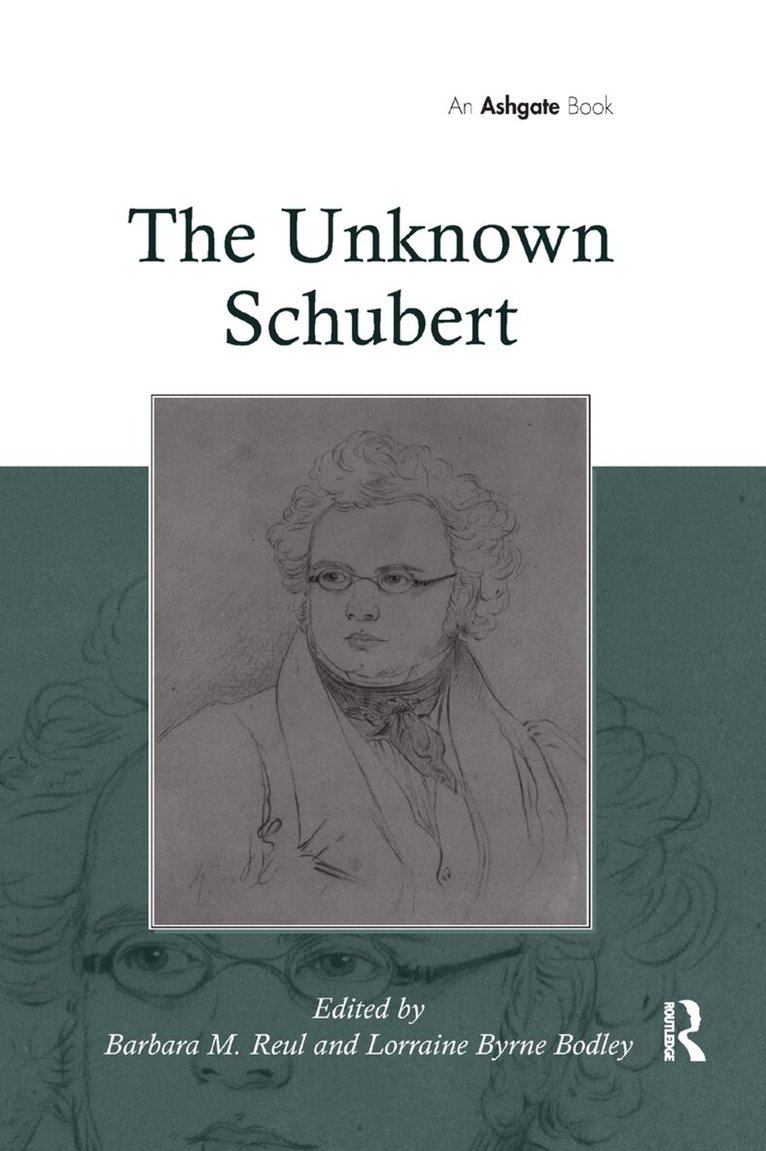
Franz Schubert (1797-1828) is now rightly recognized as one of the greatest and most original composers of the nineteenth century. His keen understanding of poetry and his uncanny ability to translate his profound understanding of human nature into remarkably balanced compositions marks him out from other contemporaries in the field of song. Schubert was one of the first major composers to devote so much time to song and his awareness that this genre was not rated highly in the musical hierarchy did not deter him, throughout a short but resolute and hard-working career, from producing songs that invariably arrest attention and frequently strike a deeply poetic note. Schubert did not emerge as a composer until after his death, but during his short lifetime his genius flowered prolifically and diversely. His reputation was first established among the aristocracy who took the art music of Vienna into their homes, which became places of refuge from the musical mediocrity of popular performance. More than any other composer, Schubert steadily graced Viennese musical life with his songs, piano music and chamber compositions. Throughout his career he experimented constantly with technique and in his final years began experiments with form. The resultant fascinating works were never performed in his lifetime, and only in recent years have the nature of his experiments found scholarly favor. In The Unknown Schubert contributors explore Schubert's radical modernity from a number of perspectives by examining both popular and neglected works. Chapters by renowned scholars describe the historical context of his work, its relation to the dominant artistic discourses of the early nineteenth century, and Schubert's role in the paradigmatic shift to a new perception of song. This valuable book seeks to bring Franz Schubert to life, exploring his early years as a composer of opera, his later years of ill-health when he composed in the shadow of death, and his efforts to reflect in his music his own profound inner experience.
1 702 kr
Skickas inom 7-10 vardagar
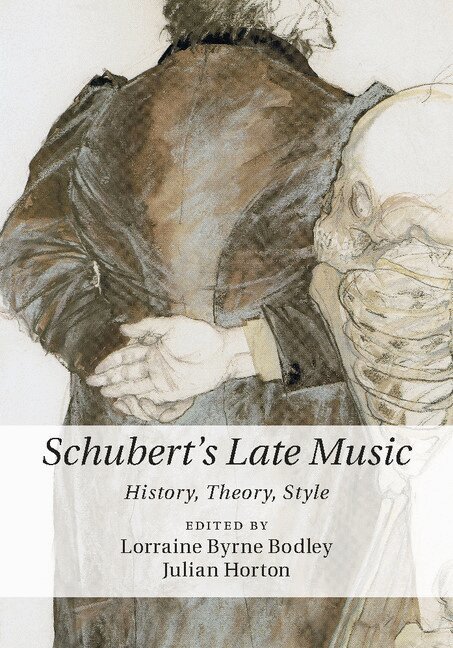
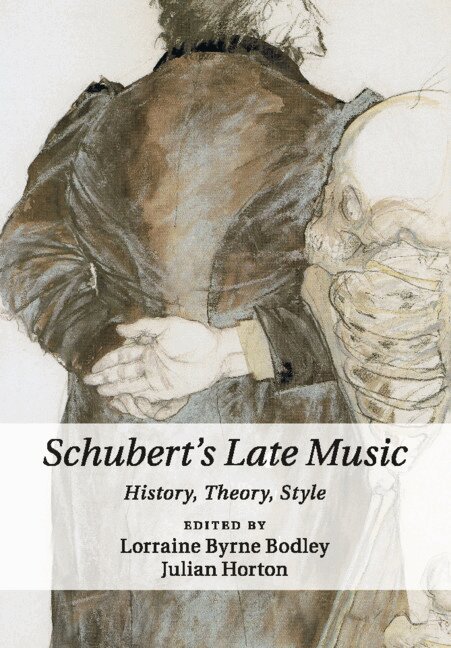
Schubert's late music has proved pivotal for the development of diverse fields of musical scholarship, from biography and music history to the theory of harmony. This collection addresses current issues in Schubert studies including compositional technique, the topical issue of 'late' style, tonal strategy and form in the composer's instrumental music, and musical readings of the 'postmodern' Schubert. Offering fresh approaches to Schubert's instrumental and vocal works and their reception, this book argues that the music that the composer produced from 1822-8 is central to a paradigm shift in the history of music during the nineteenth century. The contributors provide a timely reassessment of Schubert's legacy, assembling a portrait of the composer that is very different from the sentimental Schubert permeating nineteenth-century culture and the postmodern Schubert of more recent literature.
441 kr
Skickas inom 7-10 vardagar
Schubert's late music has proved pivotal for the development of diverse fields of musical scholarship, from biography and music history to the theory of harmony. This collection addresses current issues in Schubert studies including compositional technique, the topical issue of 'late' style, tonal strategy and form in the composer's instrumental music, and musical readings of the 'postmodern' Schubert. Offering fresh approaches to Schubert's instrumental and vocal works and their reception, this book argues that the music that the composer produced from 1822-8 is central to a paradigm shift in the history of music during the nineteenth century. The contributors provide a timely reassessment of Schubert's legacy, assembling a portrait of the composer that is very different from the sentimental Schubert permeating nineteenth-century culture and the postmodern Schubert of more recent literature.
843 kr
Skickas inom 10-15 vardagar
The traditional approach to the study of Goethe and Schubert is to place them in opposition to one another, both in terms of their life experiences and in relation to the nineteenth-century Lied. In her introduction to this book, Lorraine Byrne examines the myths that have evolved around these artists and challenges the view that Goethe was unmusical and conservative in his musical tastes. She also considers Schubert's life in relation to his obvious affinity with the poet and links the composer's Goethe settings with the poet's perception of the Lied. Goethe judged the success of a setting by whether the meaning of the text had been realised in musical form. In his Goethe settings Schubert translates the poet's meaning into musical terms and his rendition attains the classical unity of words and music that Goethe sought. The core of this volume is the series of individual analyses of all of Schubert's solo, dramatic and multi-voice settings of Goethe texts. These explore in detail both the literary and the musical dimensions of each work, and Schubert's reading and interpretation of Goethe's writings. This is the first study in English to treat both artists with equal attention and insight. This, together with its encyclopaedic coverage of this important corpus of works, makes this volume an essential reference tool for all those who study Schubert and Goethe.
355 kr
Skickas inom 10-15 vardagar
Goethe and Zelter spent a staggering 33 years corresponding or in the case of each artist, over two thirds of their lives. Zelter's position as director of the Sing-Akademie zu Berlin and Goethe's location in Weimar resulted in a wide-ranging correspondence. Goethe's letters offer a chronicle of his musical development, from the time of his journey to Italy to the final months of his life. Zelter's letters retrace his path as stonemason to Professor of Music in Berlin. The 891 letters that passed between these artists provide an important musical record of the music performed in public concerts in Berlin and in the private and semi-public soirées of the Weimar court. Their letters are those of men actively engaged in the musical developments of their time. The legacy contains a wide spectrum of letters, casual and thoughtfully composed, spontaneous and written for publication, rich with the details of Goethe's and Zelter's musical lives. Through Zelter, Goethe gained access to the professional music world he craved and became acquainted with the prodigious talent of Felix Mendelssohn. A single letter from Zelter might bear a letter from Felix Mendelssohn to another recipient of the same family, reflecting a certain community in the Mendelssohn household where letters were not considered private but shared with others in a circle of friends or family. Goethe recognized the value of such correspondence: he complains when his friend is slow to send letters in return for those written to him by the poet, a complaint common in this written culture where letters provided news, introductions, literary and musical works. This famous correspondence contains a medley of many issues in literature, art, and science; but the main focus of this translation is the music dialogues of these artists.
731 kr
Skickas inom 10-15 vardagar
Franz Schubert (1797-1828) is now rightly recognized as one of the greatest and most original composers of the nineteenth century. His keen understanding of poetry and his uncanny ability to translate his profound understanding of human nature into remarkably balanced compositions marks him out from other contemporaries in the field of song. Schubert was one of the first major composers to devote so much time to song and his awareness that this genre was not rated highly in the musical hierarchy did not deter him, throughout a short but resolute and hard-working career, from producing songs that invariably arrest attention and frequently strike a deeply poetic note. Schubert did not emerge as a composer until after his death, but during his short lifetime his genius flowered prolifically and diversely. His reputation was first established among the aristocracy who took the art music of Vienna into their homes, which became places of refuge from the musical mediocrity of popular performance. More than any other composer, Schubert steadily graced Viennese musical life with his songs, piano music and chamber compositions. Throughout his career he experimented constantly with technique and in his final years began experiments with form. The resultant fascinating works were never performed in his lifetime, and only in recent years have the nature of his experiments found scholarly favor. In The Unknown Schubert contributors explore Schubert's radical modernity from a number of perspectives by examining both popular and neglected works. Chapters by renowned scholars describe the historical context of his work, its relation to the dominant artistic discourses of the early nineteenth century, and Schubert's role in the paradigmatic shift to a new perception of song. This valuable book seeks to bring Franz Schubert to life, exploring his early years as a composer of opera, his later years of ill-health when he composed in the shadow of death, and his efforts to reflect in his music his own profound inner experience.
1 610 kr
Skickas inom 7-10 vardagar
Goethe's Faust, a work which has attracted the attention of composers since the late eighteenth century and played a vital role in the evolution of vocal, operatic and instrumental repertoire in the nineteenth century, hashad a seminal impact in musical realms.That Goethe's poetry has proved pivotal for the development of the nineteenth-century Lied has long been acknowledged. Less acknowledged is the seminal impact in musical realms of Goethe's Faust, a work which has attractedthe attention of composers since the late eighteenth century and played a vital role in the evolution of vocal, operatic and instrumental repertoire in the nineteenth century. While Goethe longed to have Faust set to musicand considered only Mozart and perhaps Meyerbeer as being equal to the task, by the end of his life he had abandoned hope that he would live to witness a musical setting of his text. Despite this, a floodtide of musical interpretations of Goethe's Faust came into existence from Beethoven to Schubert, Schumann to Wagner and Mahler, and Gounod to Berlioz; and a broad trajectory can be traced from Zelter's colourful description of the first setting ofGoethe's Faust to Alfred Schnittke's Faust opera (1993).This book explores the musical origins of Goethe's Faust and the musical dimensions of its legacy. It uncovers the musical furore caused by Goethe's Faust and considers why his polemical text has resonated so strongly with composers. Bringing together leading musicologists and Germanists, the book addresses a wide range of issues including reception history, the performative challenges of writing music for Faust, the impact of the legend on composers' conceptual thinking, and the ways in which it has been used by composers to engage with other contemporary intellectual concepts. Constituting the richest examination to date of the musicality of language and form in Goethe's Faust and its musical rendering from the eighteenth to twenty-first centuries, the book will appeal to music, literary and Goethe scholars and students alike.LORRAINE BYRNE BODLEY is Senior Lecturer in Musicology at Maynooth University and President of the Society for Musicology in Ireland.Contributors: Mark Austin, Lorraine Byrne Bodley, NicholasBoyle, John Michael Cooper, Siobhán Donovan, Osman Durrani, Mark Fitzgerald, John Guthrie, Heather Hadlock, Julian Horton, Ursula Kramer, Waltraud Meierhofer, Eftychia Papanikolaou, David Robb, Christopher Ruth, Glenn Stanley, Martin Swales, J. M. Tudor
452 kr
Skickas inom 5-8 vardagar
In this musical collection, Lorraine Byrne Bodley reflects upon composer Seóirse Bodley's musical settings of Goethe's poetry by examining the cultual and poetic contexts key to their construction.
Hazardous Melody of Being
Seóirse Bodley’s Song Cycles on the Poems of Micheal O’Siadhail
Häftad, Engelska, 2022
332 kr
Skickas inom 5-8 vardagar
Sedirse Bodley is one of the best-known senior figures of contemporary music in Ireland. This book seeks to examine his engagement with the poetry of Micheal O'Siadhail and the making of these song cycles. It assesses the joint contribution to Irish art song and seeks to understand its roots in and departure from European tradition.This apograph is the first publication of Bodley's O'Siadhail song cycles and is the first book to explore the composer's lyrical modernity from a number of perspectives. Lorraine Byrne Bodley's insightful introduction describes in detail the development and essence of Bodley's musical thinking, the European influences he absorbed which linger in these cycles, and the importance of his work as a composer of Irish art song. She asks an array of questions: Does song play a new role in twentieth-century music or was this the age, as many have insisted, that bears witness to the «death of song»? How does contemporary Irish art song inscribe individual concerns and mirror the influence of dominant social trends through its music and its texts? She demonstrates that the answers to such questions illuminate the context in which these cycles were created, and how they were valued and viewed. Through a blend of close analysis of Bodley's songs and wide-ranging engagement with both poetry and music, this book sheds new light on Bodley's integral part in fashioning Irish art song. It analyses the way Bodley's song has been harnessed both to legitimate and to challenge national art song. And it identifies elements of Bodley's musical style which are shaped by European tradition.Beyond such musico-poetic analysis, Lorraine Byrne Bodley's reading of the threefold roles of continuity, gradual change, and revolution opens up a «braided history» of Irish art song, where song is not an aesthetic given but a means to understanding the changing patterns of life. She argues convincingly that an understanding of the way in which Irish society has perceived song in recent centuries is available through a consideration of song as social document, and in her appraisal of Bodley's O'Siadhail settings she considers the importance of these song cycles as a reflection of Ireland's rich cultural history.
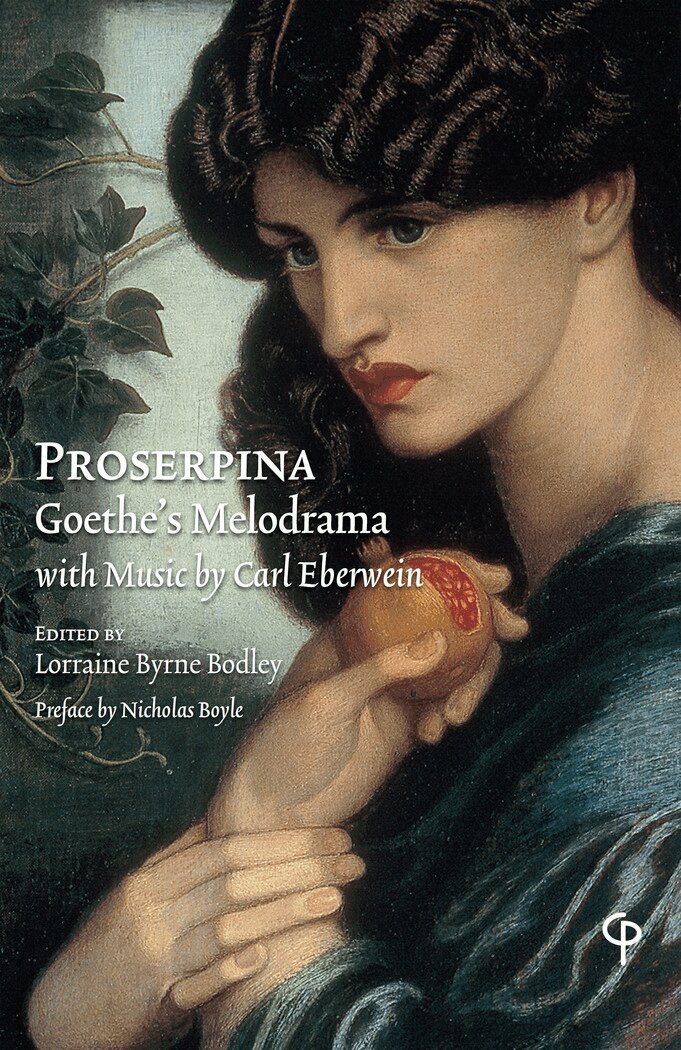
Proserpina
Goethe's Melodrama with Music by Carl Eberwein, Orchestral Score, Piano Reduction, and Translation
Häftad, Engelska, 2020
373 kr
Tillfälligt slut
In his early twenties Goethe wrote Proserpina for the Weimar court singer Corona Schröter to perform. His interest in presenting Weimar’s first professional singer-inresidence in a favourable light was not the only reason why this monologue with music (now lost) by Seckendorff is important. Goethe’s memories of his sister Cornelia, who had recently died in childbirth, were in fact the real catalyst: through this work Goethe could level accusations against his parents about Cornelia’s marriage, of which he had not approved. Goethe used the melodramatic form to transform private and cultural issues for women of the time into public discourses and so to manipulate public opinion. His work reveals an astute understanding of musical melodrama and the important impact it had on the cultural dynamics of the late eighteenth and early nineteenth centuries.Whatever the source of inspiration, it is clear that Goethe was very preoccupied with Proserpina. When he returned to this melodrama forty years later he collaborated closely with Carl Eberwein, the court, theatre, and church music director, who composed a new setting which accords with Goethe’s clear understanding of musical declamation in 19th century melodrama. In the intensive collaboration which took place while the production was being prepared in January 1815, Goethe was already anticipating the idea of a Gesamtkunstwerk. He paid close attention to every aspect of the production, especially to its music and its staging. When discussing contemporary settings of the poet’s works, scholars often lapse into regret that Goethe did not have someone of comparable rank at his side for musical collaborations. Yet Eberwein’s willingness to go along with Goethe’s wishes was an advantage here: the selfless striving of the young composer to satisfy the poet’s intentions is everywhere apparent in the score and it is the nearest thing we have to a ‘composition by Goethe’.Despite critics’ positive reception of the first performance on 4 February 1815, the work has never been published before. Musically and dramatically this unknown melodrama is a superb work for solo voice, choir, and orchestra, and deserves to be brought before the public today.