Lotte Hoek - Böcker
Visar alla böcker från författaren Lotte Hoek. Handla med fri frakt och snabb leverans.
5 produkter
5 produkter
1 077 kr
Skickas inom 7-10 vardagar
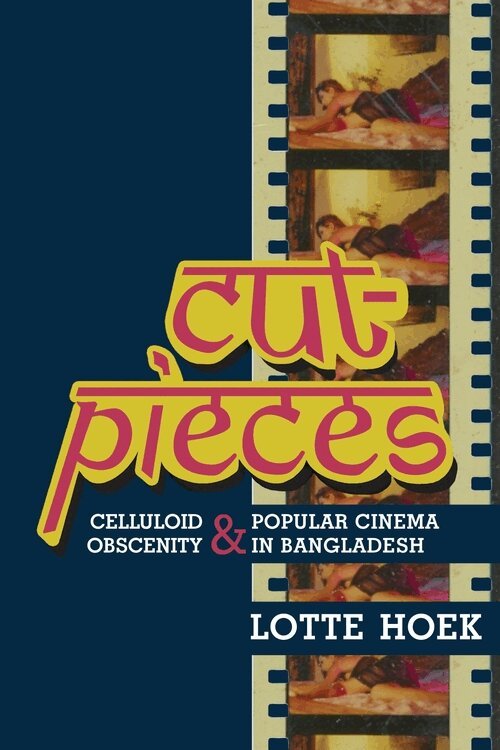
Imagine watching an action film in a small-town cinema hall in Bangladesh, and in between the gun battles and fistfights a short pornographic clip appears. This is known as a cut-piece, a strip of locally made celluloid pornography surreptitiously spliced into the reels of action films in Bangladesh. Exploring the shadowy world of these clips and their place in South Asian film culture, Lotte Hoek builds a rare, detailed portrait of the production, consumption, and cinematic pleasures of stray celluloid. Hoek's innovative ethnography plots the making and reception of Mintu the Murderer (2005, pseud.), a popular, Bangladeshi B-quality action movie and fascinating embodiment of the cut-piece phenomenon. She begins with the early scriptwriting phase and concludes with multiple screenings in remote Bangladeshi cinema halls, following the cut-pieces as they appear and disappear from the film, destabilizing its form, generating controversy, and titillating audiences. Hoek's work shines an unusual light on Bangladesh's state-owned film industry and popular practices of the obscene.She also reframes conceptual approaches to South Asian cinema and film culture, drawing on media anthropology to decode the cultural contradictions of Bangladesh since the 1990s.
267 kr
Skickas inom 7-10 vardagar
Imagine watching an action film in a small-town cinema hall in Bangladesh, and in between the gun battles and fistfights a short pornographic clip appears. This is known as a cut-piece, a strip of locally made celluloid pornography surreptitiously spliced into the reels of action films in Bangladesh. Exploring the shadowy world of these clips and their place in South Asian film culture, Lotte Hoek builds a rare, detailed portrait of the production, consumption, and cinematic pleasures of stray celluloid. Hoek's innovative ethnography plots the making and reception of Mintu the Murderer (2005, pseud.), a popular, Bangladeshi B-quality action movie and fascinating embodiment of the cut-piece phenomenon. She begins with the early scriptwriting phase and concludes with multiple screenings in remote Bangladeshi cinema halls, following the cut-pieces as they appear and disappear from the film, destabilizing its form, generating controversy, and titillating audiences. Hoek's work shines an unusual light on Bangladesh's state-owned film industry and popular practices of the obscene.She also reframes conceptual approaches to South Asian cinema and film culture, drawing on media anthropology to decode the cultural contradictions of Bangladesh since the 1990s.
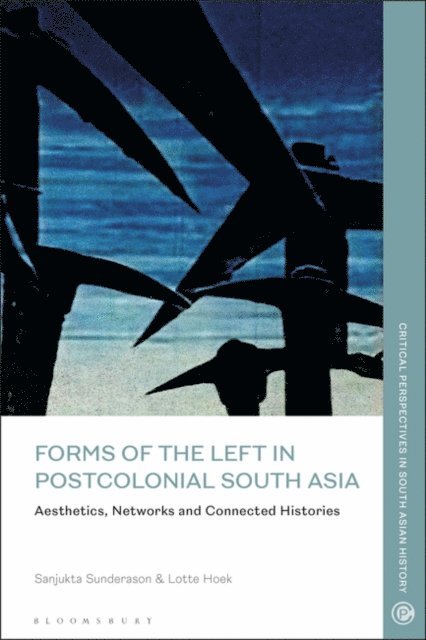
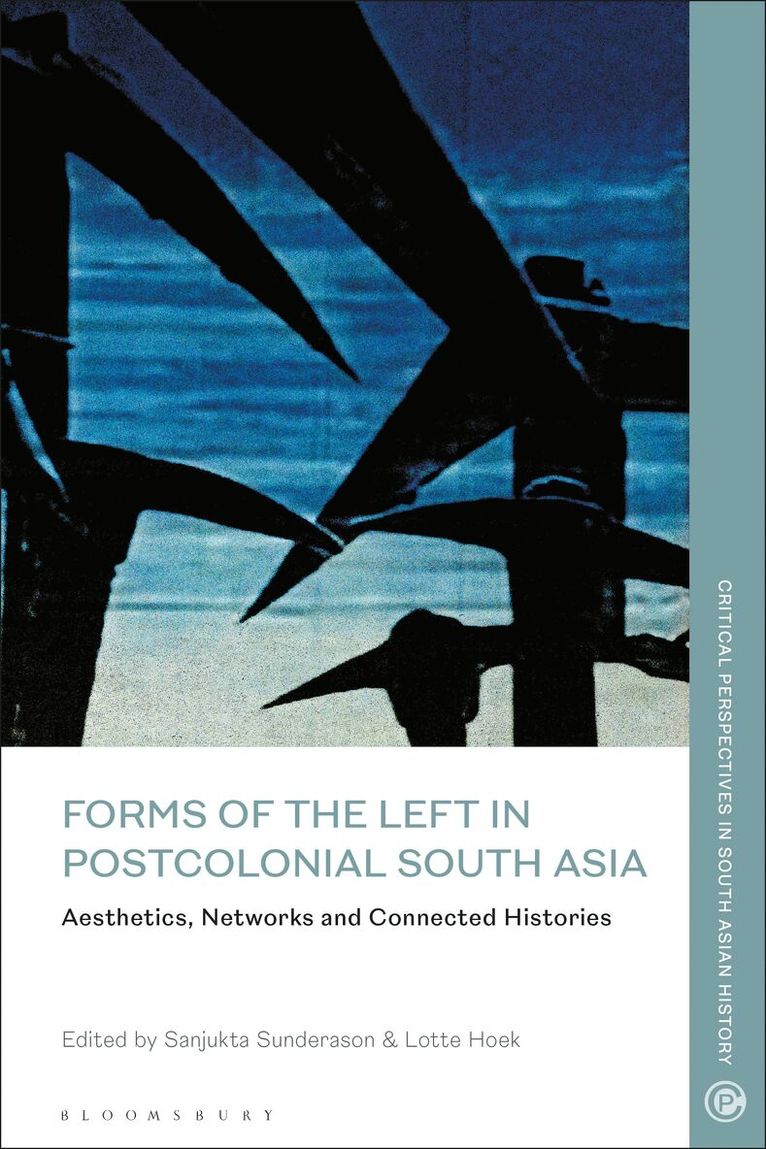
Forms of the Left in Postcolonial South Asia
Aesthetics, Networks and Connected Histories
Inbunden, Engelska, 2022
1 314 kr
Skickas inom 10-15 vardagar
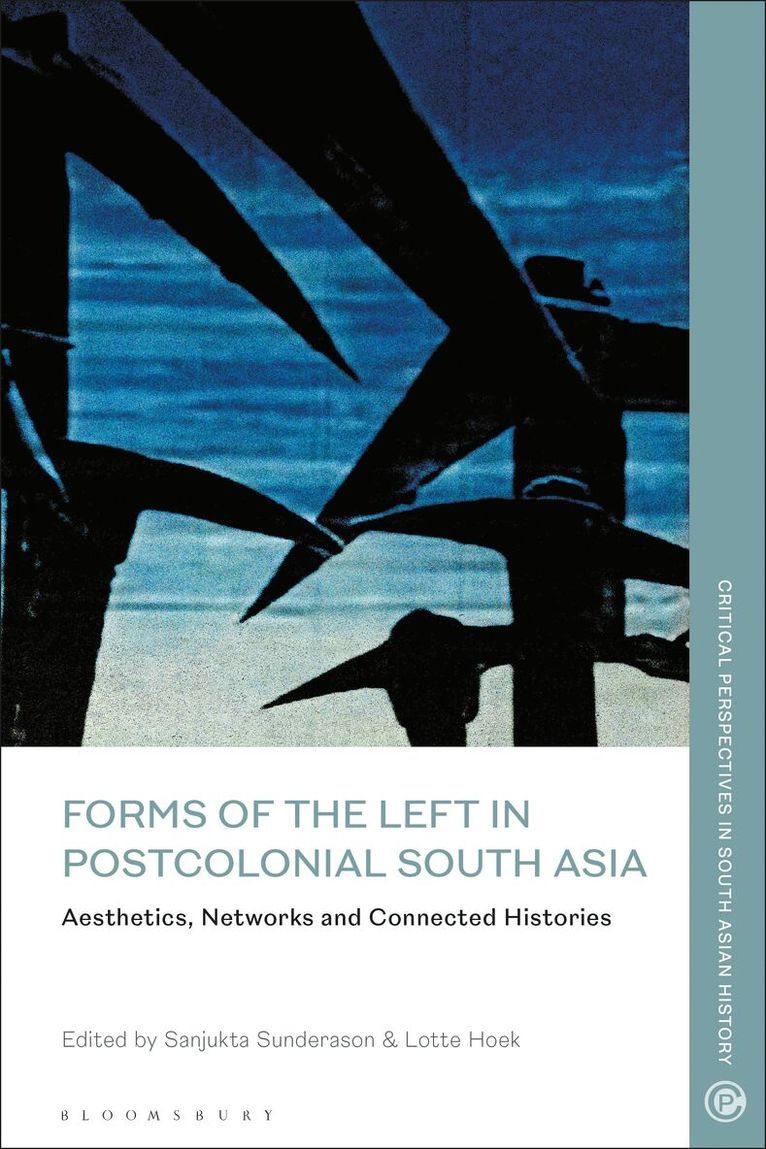
This book explores the aesthetic forms of the political left across the borders of post-colonial, post-partition South Asia. Spanning India, Sri Lanka, Pakistan and Bangladesh, the contributors study art, film, literature, poetry and cultural discourse to illuminate the ways in which political commitment has been given aesthetic form and artistic value by artists and by cultural and political activists in postcolonial South Asia.With a focused conceptualization this volume asks: Does the political left in South Asia have a recognizable aesthetic form? And if so, what political effects do left-wing artistic movements and aesthetic artefacts have in shaping movements against inequality and injustice? Reframing political aesthetics within a postcolonial and decolonised framework, the contributors detail the trajectories and transformations of left-wing cultural formations and affiliations and focus on connections and continuities across post-1947/8 India, Pakistan, Sri Lanka and Bangladesh.
Forms of the Left in Postcolonial South Asia
Aesthetics, Networks and Connected Histories
Häftad, Engelska, 2023
408 kr
Skickas inom 10-15 vardagar
This book explores the aesthetic forms of the political left across the borders of post-colonial, post-partition South Asia. Spanning India, Sri Lanka, Pakistan and Bangladesh, the contributors study art, film, literature, poetry and cultural discourse to illuminate the ways in which political commitment has been given aesthetic form and artistic value by artists and by cultural and political activists in postcolonial South Asia.With a focused conceptualization this volume asks: Does the political left in South Asia have a recognizable aesthetic form? And if so, what political effects do left-wing artistic movements and aesthetic artefacts have in shaping movements against inequality and injustice? Reframing political aesthetics within a postcolonial and decolonised framework, the contributors detail the trajectories and transformations of left-wing cultural formations and affiliations and focus on connections and continuities across post-1947/8 India, Pakistan, Sri Lanka and Bangladesh.
1 479 kr
Kommande
In ‘Art, Politics and the Environment in Bangladesh’ the notion of staging guides the authors to explore how shifting social and political realities of Bangladesh unfold from historical events and cultural processes that are neither straightforward nor self-evident. The essays trace these unfoldings from varied disciplinary perspectives. The trope of staging that is investigated is multivalent. Consider, for instance, the massive enthusiasm for staging local elections for villages that have disappeared owing to the movement of rivers or the resistance to the shrimping industry in areas disastrously poldered by previous Dutch development interventions. They help visualize the impact of the continuous rewriting and remaking – and at times erasure – of the spaces and histories of a region variously known as East Bengal, East Pakistan and Bangladesh. The quandaries that colonial bureaucratic classifications pose for staging the boundaries of indigenous peoples in contemporary Bangladesh, or the politics of reception of the cinematic representations of the 1971 war, produced decades apart, are examples of such ground-making. Each essay rethinks long-standing assumptions drawing on a combination of new empirical research and theoretical perspectives within anthropology, theatre and film studies, political science and development studies.