Lou-Marié Kruger – författare
Visar alla böcker från författaren Lou-Marié Kruger. Handla med fri frakt och snabb leverans.
3 produkter
3 produkter
523 kr
Skickas inom 7-10 vardagar
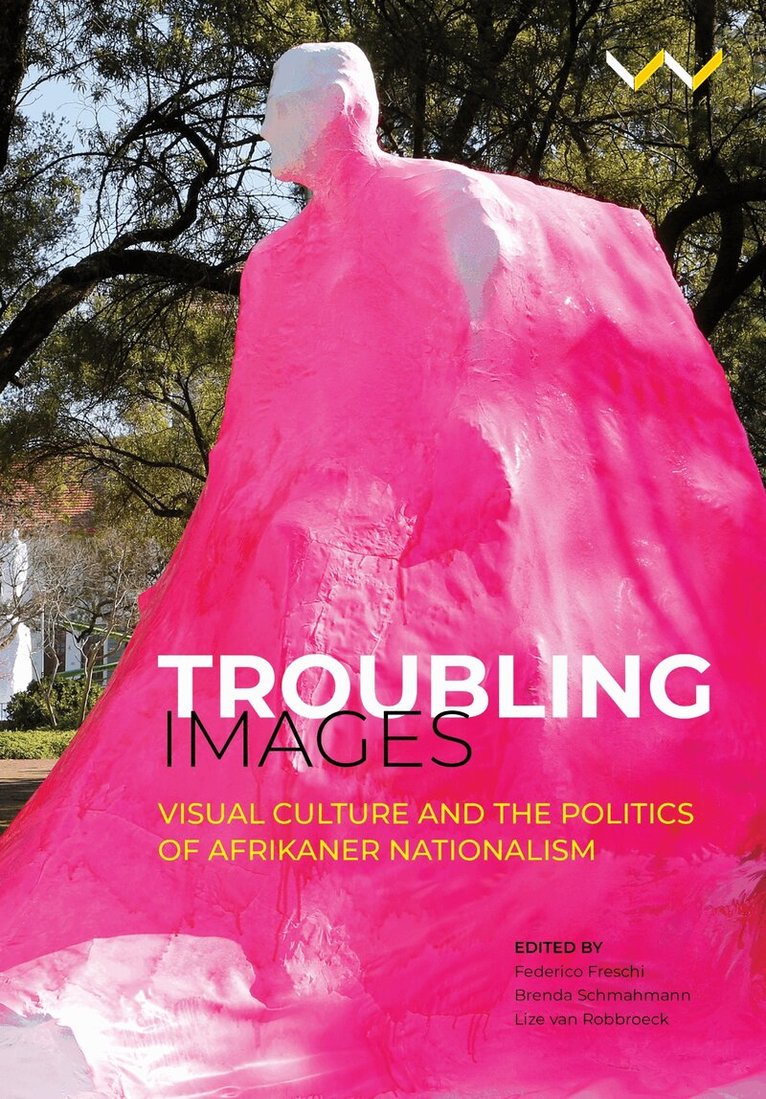
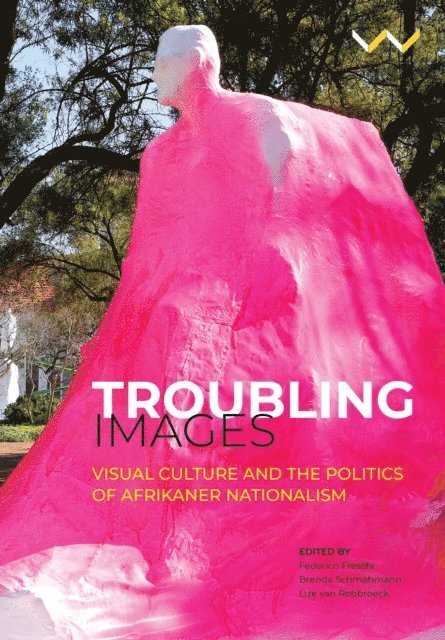
Troubling Images explores how art and visual culture helped to secure hegemonic claims to the nation-state via the construction of a unified Afrikaner imaginaryEmerging in the late nineteenth century and gaining currency in the 1930s and 1940s, Afrikaner nationalist fervour underpinned the establishment of white Afrikaner political and cultural domination during South Africa's apartheid years. Focusing on manifestations of Afrikaner nationalism in paintings, sculptures, monuments, buildings, cartoons, photographs, illustrations and exhibitions, Troubling Images offers a critical account of the role of art and visual culture in the construction of a unified Afrikaner imaginary, which helped secure hegemonic claims to the nation-state. This insightful volume examines the implications of metaphors and styles deployed in visual culture, and considers how the design, production, collecting and commissioning of objects, images and architecture were informed by Afrikaner nationalist imperatives and ideals. While some chapters focus only on instances of adherence to Afrikaner nationalism, others consider articulations of dissent and criticism.By 'troubling' these images: looking at them, teasing out their meanings, and connecting them to a political and social project that still has a major impact on the present moment, the authors engage with the ways in which an Afrikaner nationalist inheritance is understood and negotiated in contemporary South Africa. They examine the management of its material effects in contemporary art, in archives, the commemorative landscape and the built environment. Troubling Images adds to current debates about the histories and ideological underpinnings of nationalism and is particularly relevant in the current context of globalism and diaspora, resurgent nationalisms and calls for decolonisation.
1 323 kr
Skickas inom 5-8 vardagar
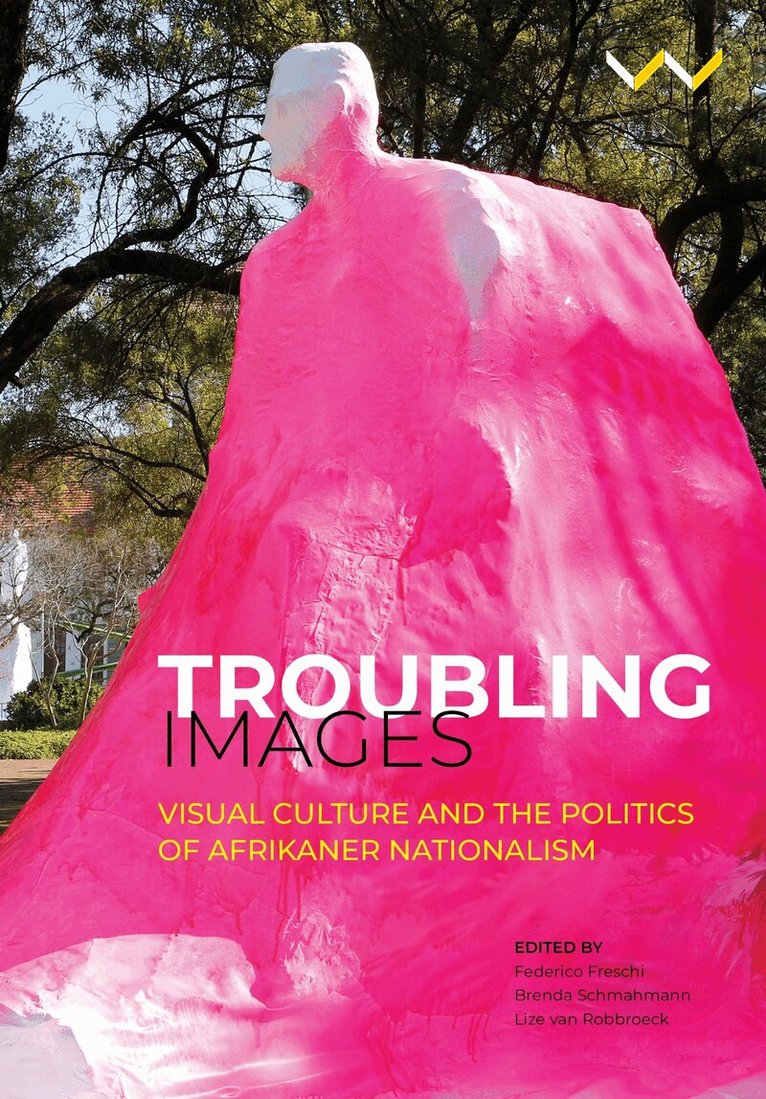
Troubling Images explores how art and visual culture helped to secure hegemonic claims to the nation-state via the construction of a unified Afrikaner imaginaryEmerging in the late nineteenth century and gaining currency in the 1930s and 1940s, Afrikaner nationalist fervour underpinned the establishment of white Afrikaner political and cultural domination during South Africa's apartheid years. Focusing on manifestations of Afrikaner nationalism in paintings, sculptures, monuments, buildings, cartoons, photographs, illustrations and exhibitions, Troubling Images offers a critical account of the role of art and visual culture in the construction of a unified Afrikaner imaginary, which helped secure hegemonic claims to the nation-state. This insightful volume examines the implications of metaphors and styles deployed in visual culture, and considers how the design, production, collecting and commissioning of objects, images and architecture were informed by Afrikaner nationalist imperatives and ideals. While some chapters focus only on instances of adherence to Afrikaner nationalism, others consider articulations of dissent and criticism.By 'troubling' these images: looking at them, teasing out their meanings, and connecting them to a political and social project that still has a major impact on the present moment, the authors engage with the ways in which an Afrikaner nationalist inheritance is understood and negotiated in contemporary South Africa. They examine the management of its material effects in contemporary art, in archives, the commemorative landscape and the built environment. Troubling Images adds to current debates about the histories and ideological underpinnings of nationalism and is particularly relevant in the current context of globalism and diaspora, resurgent nationalisms and calls for decolonisation.
284 kr
Skickas inom 7-10 vardagar
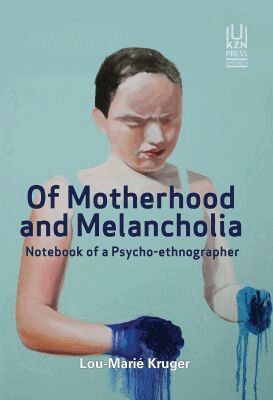
This book is about the slow violence of poverty. Lou-Marié Kruger’s clinical and research encounters in the Dwarsrivier Valley attempt to give an account of the complex realities and lived experiences of low-income mothers in post-apartheid South Africa. Focusing specifically on maternal life in a semi-rural community, the work can be regarded as a South African case study, showing how particular happenings, specific events, unique interactions and larger societal processes become intertwined to result in complex narratives. Such intricate narratives do not only show how the past always impacts on the present, but can also implicitly suggest how and why such stories are prone to be repeated. While the book can be seen as a study of a place and a community, the lives of individual people and how they are embedded in the larger matrix of culture, history and the political economy are also present. The pertinent question here is one asked by medical anthropologist Paul Farmer: by which mechanisms precisely, do social forces ranging from poverty to racism to gender become embodied as individual experience?