Louay M. Safi – författare
Visar alla böcker från författaren Louay M. Safi. Handla med fri frakt och snabb leverans.
7 produkter
7 produkter
665 kr
Skickas inom 5-8 vardagar
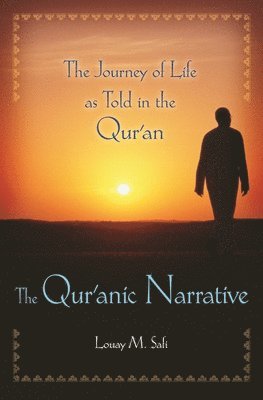
Recent arguments surrounding the meaning and message of the Qur'an often focus on whether or not it supports or exhorts violence. Such arguments, though, tend to ignore the fact that the scriptures found there speak to various aspects of life and living. The Qur'anic Narrative attempts to show that the Qur'an has an inspiring message that aims to enlighten the path of those who embrace it and guides them through the journey of life. Exploring various themes related to everyday experiences, Safi reveals the meaning of the Qur'an with regard to issues of spirit, faith, charity, patience, fasting, salvation, pride, charity, moral discipline, and other relevant topics.In an attempt to recapture the Islamic spirit promoted in the Qur'an, this book offers an approach that speaks to areas of life many people are concerned about. It pastes together a narrative that is more consistent and more representative of the overall Qur'anic message, which, the author contends, is ultimately one of peace and hope. Safi places the Qur'an in context, too, by examining its meaning to early recipients of the scriptures and its place in that particular social and historical context. He continues by updating that meaning for modern readers and adherents, relating the intended meaning to an evolving human audience and to contemporary experiences. The author contends that extremist readings are misinterpretations and that those who may view the Qur'an as a holy text that encourages, even demands, violence are incorrect. Ultimately, readers will come away from this work with a broader appreciation of the Qur'an and its intended meaning and message.
808 kr
Skickas inom 10-15 vardagar
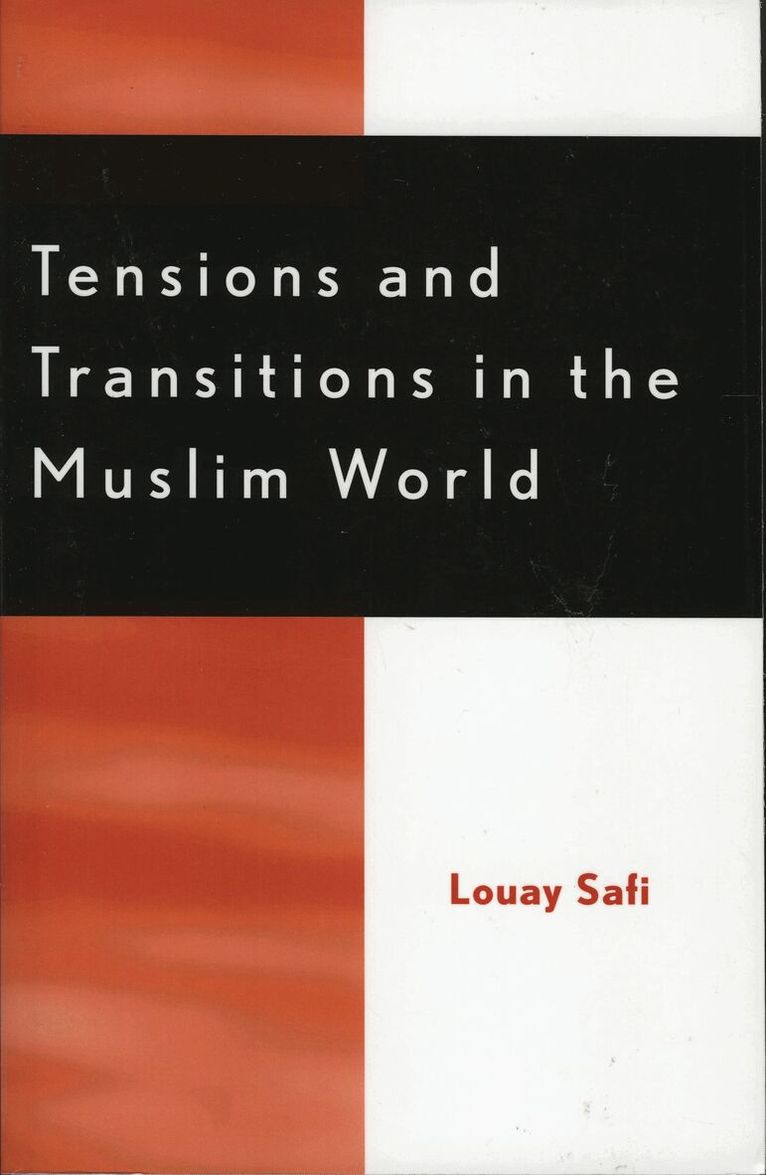
Tensions and Transitions in the Muslim World provides an alternative reading of Middle Eastern politics and political culture by focusing on the dynamics of change, and examining the role of Islam in the emerging modern Middle East. Louay Safi contends that by focusing on radical and traditionalist Islam, Middle East specialists often overlook the liberal manifestations of Islam, which, though marginalized, constitute the driving force in the sociopolitical development of the Middle East. To capture the dynamics of progress in the Middle East, Safi examines the impact of the ideological struggle and intellectual debate between the forces of modernism and Islamic traditionalism on the transformation of mainstream society, and delineates the emerging sociopolitical outlooks and orientations, locked in a fierce struggle for the heart and soul of the Middle East.
1 314 kr
Skickas inom 10-15 vardagar
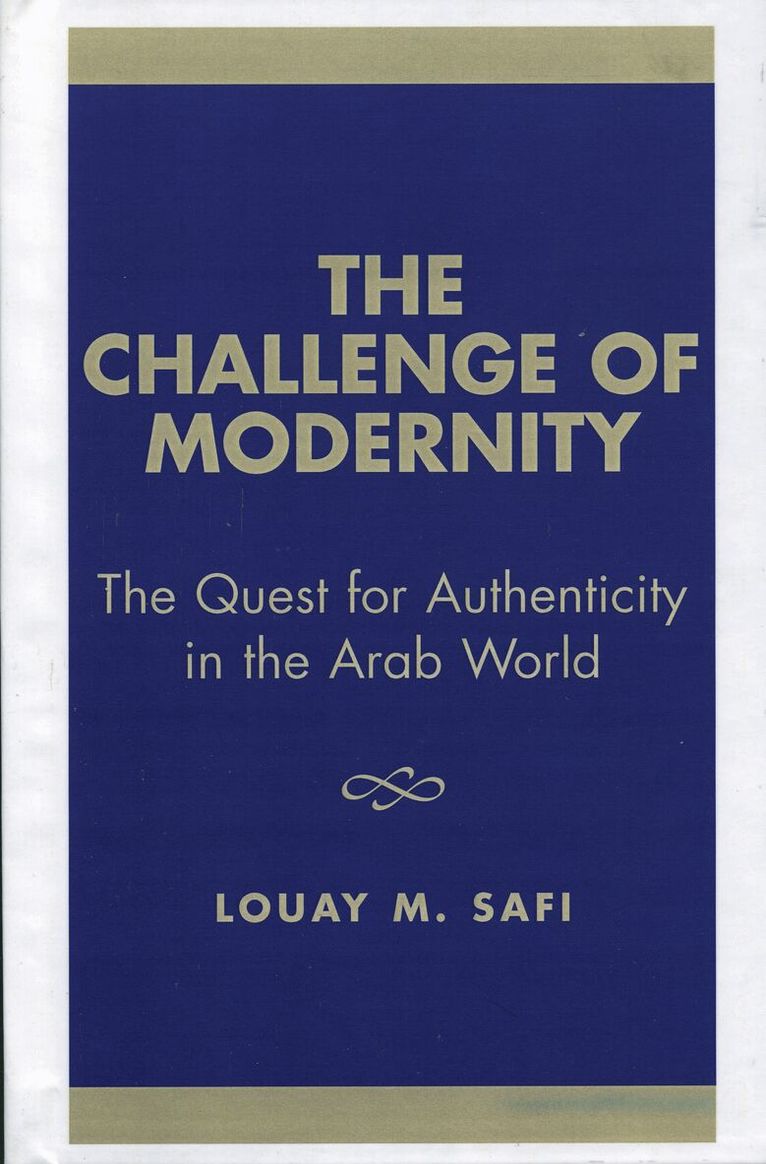
This book examines the central aspects of modernity and the underlying factors at work in the process of modernization. It begins by examining Western modernity and then uses the insight gained from this examination to study the implications of Western modernity for non-Western societies. The author also attempts to demonstrate the inadequacy of the functional approach for understanding the process of modernization in non-Western regions.
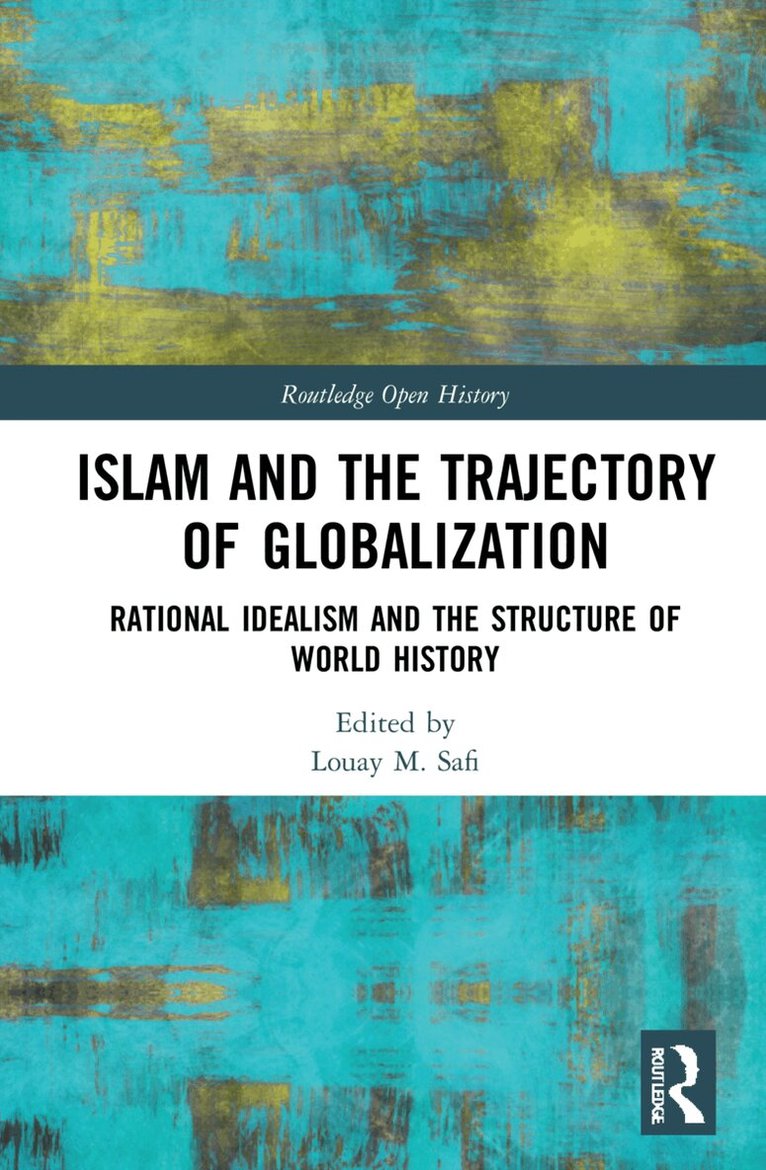
Islam and the Trajectory of Globalization
Rational Idealism and the Structure of World History
Inbunden, Engelska, 2021
2 113 kr
Skickas inom 10-15 vardagar
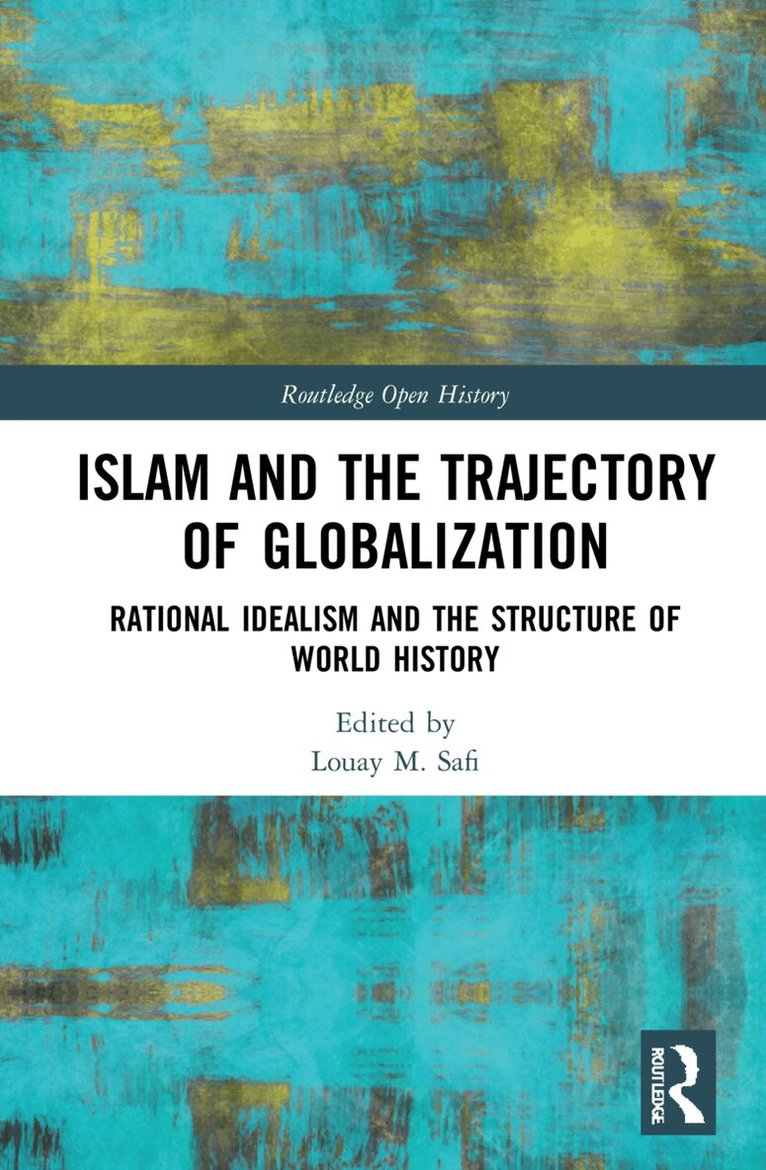
The book examines the growing tension between social movements that embrace egalitarian and inclusivist views of national and global politics, most notably classical liberalism, and those that advance social hierarchy and national exclusivism, such as neoliberalism, neoconservatism, and national populism. In exploring issues relating to tensions and conflicts around globalization, the book identifies historical patterns of convergence and divergence rooted in the monotheistic traditions, beginning with the ancient Israelites that dominated the Near East during the Axial age, through Islamic civilization, and finally by considering the idealism-realism tensions in modern times. One thing remained constant throughout the various historical stages that preceded our current moment of global convergence: a recurring tension between transcendental idealism and various forms of realism. Transcendental idealism, which prioritize egalitarian and universal values, pushed periodically against the forces of realism that privilege established law and power structure. Equipped with the idealism-realism framework, the book examines the consequences of European realism that justified the imperialistic venture into Africa, the Middle East, and Latin America in the name of liberation and liberalization. The ill-conceived strategy has, ironically, engendered the very dysfunctional societies that produce the waves of immigrants in constant motion from the South to the North, simultaneously as it fostered the social hierarchy that transfer external tensions into identity politics within the countries of the North. The book focuses particularly on the role played historically by Islamic rationalism in translating the monotheistic egalitarian outlook into the institutions of religious pluralism, legislative and legal autonomy, and scientific enterprise at the foundation of modern society. It concludes by shedding light on the significance of the Muslim presence in Western cultures as humanity draws slowly but consistently towards what we may come to recognize as the Global Age.The Open Access version of this book, available at http://www.taylorfrancis.com/books/e/9781003203360, has been made available under a Creative Commons Attribution-Non Commercial-No Derivatives 4.0 license.
Islam and the Trajectory of Globalization
Rational Idealism and the Structure of World History
Häftad, Engelska, 2023
578 kr
Skickas inom 10-15 vardagar
The book examines the growing tension between social movements that embrace egalitarian and inclusivist views of national and global politics, most notably classical liberalism, and those that advance social hierarchy and national exclusivism, such as neoliberalism, neoconservatism, and national populism. In exploring issues relating to tensions and conflicts around globalization, the book identifies historical patterns of convergence and divergence rooted in the monotheistic traditions, beginning with the ancient Israelites that dominated the Near East during the Axial age, through Islamic civilization, and finally by considering the idealism-realism tensions in modern times. One thing remained constant throughout the various historical stages that preceded our current moment of global convergence: a recurring tension between transcendental idealism and various forms of realism. Transcendental idealism, which prioritize egalitarian and universal values, pushed periodically against the forces of realism that privilege established law and power structure. Equipped with the idealism-realism framework, the book examines the consequences of European realism that justified the imperialistic venture into Africa, the Middle East, and Latin America in the name of liberation and liberalization. The ill-conceived strategy has, ironically, engendered the very dysfunctional societies that produce the waves of immigrants in constant motion from the South to the North, simultaneously as it fostered the social hierarchy that transfer external tensions into identity politics within the countries of the North. The book focuses particularly on the role played historically by Islamic rationalism in translating the monotheistic egalitarian outlook into the institutions of religious pluralism, legislative and legal autonomy, and scientific enterprise at the foundation of modern society. It concludes by shedding light on the significance of the Muslim presence in Western cultures as humanity draws slowly but consistently towards what we may come to recognize as the Global Age.The Open Access version of this book, available at http://www.taylorfrancis.com/books/e/9781003203360, has been made available under a Creative Commons Attribution-Non Commercial-No Derivatives 4.0 license.
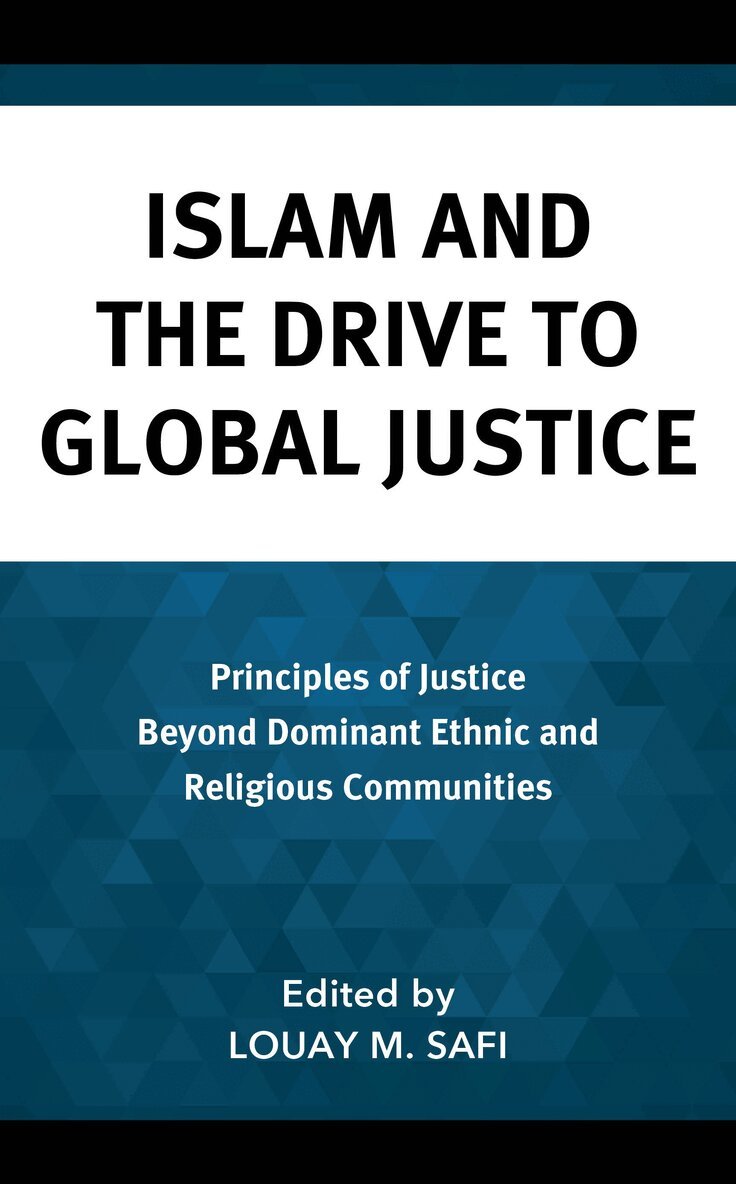
Islam and the Drive to Global Justice
Principles of Justice Beyond Dominant Ethnic and Religious Communities
Inbunden, Engelska, 2023
1 142 kr
Skickas inom 10-15 vardagar
Islam and the Drive to Global Justice: Principles of Justice Beyond Dominant Ethnic and Religious Communities contributes to the current debate over Islam in a globalizing world by drawing on the contemporary and historical justice discourse within the Islamic traditions, and by examining policies and practices of global powers towards Muslim populations in the Global South. The discussions aim at bringing insights from Islamic authoritative sources and scholarly literature, and to enrich the current deliberation on the universality of modern values and the relevance of the Islamic traditions to advancing more inclusive notion of global justice. The book examines in particular several models rooted in the monotheistic traditions, crucial for overcoming three interrelated challenges facing the dispensation of justice in contemporary society: inclusivity, disparity, and selectivity. The book uses the normative framework it outlines to analyze the connection between European powers and the autocratic regimes in the MENA region. Several chapters in the book illustrate how supporting Arab autocracy contributes to the rise of religious extremism and has already produced failed states in Syria, Lebanon, Iraq, and Yemen that undermine both national and global peace and stability.
Islam and the Drive to Global Justice
Principles of Justice Beyond Dominant Ethnic and Religious Communities
Häftad, Engelska, 2026
394 kr
Skickas inom 10-15 vardagar
Islam and the Drive to Global Justice: Principles of Justice Beyond Dominant Ethnic and Religious Communities contributes to the current debate over Islam in a globalizing world by drawing on the contemporary and historical justice discourse within the Islamic traditions, and by examining policies and practices of global powers towards Muslim populations in the Global South. The discussions aim at bringing insights from Islamic authoritative sources and scholarly literature, and to enrich the current deliberation on the universality of modern values and the relevance of the Islamic traditions to advancing more inclusive notion of global justice. The book examines in particular several models rooted in the monotheistic traditions, crucial for overcoming three interrelated challenges facing the dispensation of justice in contemporary society: inclusivity, disparity, and selectivity. The book uses the normative framework it outlines to analyze the connection between European powers and the autocratic regimes in the MENA region. Several chapters in the book illustrate how supporting Arab autocracy contributes to the rise of religious extremism and has already produced failed states in Syria, Lebanon, Iraq, and Yemen that undermine both national and global peace and stability.