Louis A. Perez – författare
Visar alla böcker från författaren Louis A. Perez. Handla med fri frakt och snabb leverans.
7 produkter
Cuba in the American Imagination
Metaphor and the Imperial Ethos
Häftad, 2013
558 kr
Lägg i varukorg
For more than two hundred years, Americans have imagined and described Cuba and its relationship to the United States by conjuring up a variety of striking images - Cuba as a woman, a neighbor, a ripe fruit, a child learning to ride a bicycle. Louis A. Perez Jr. offers a revealing history of these …
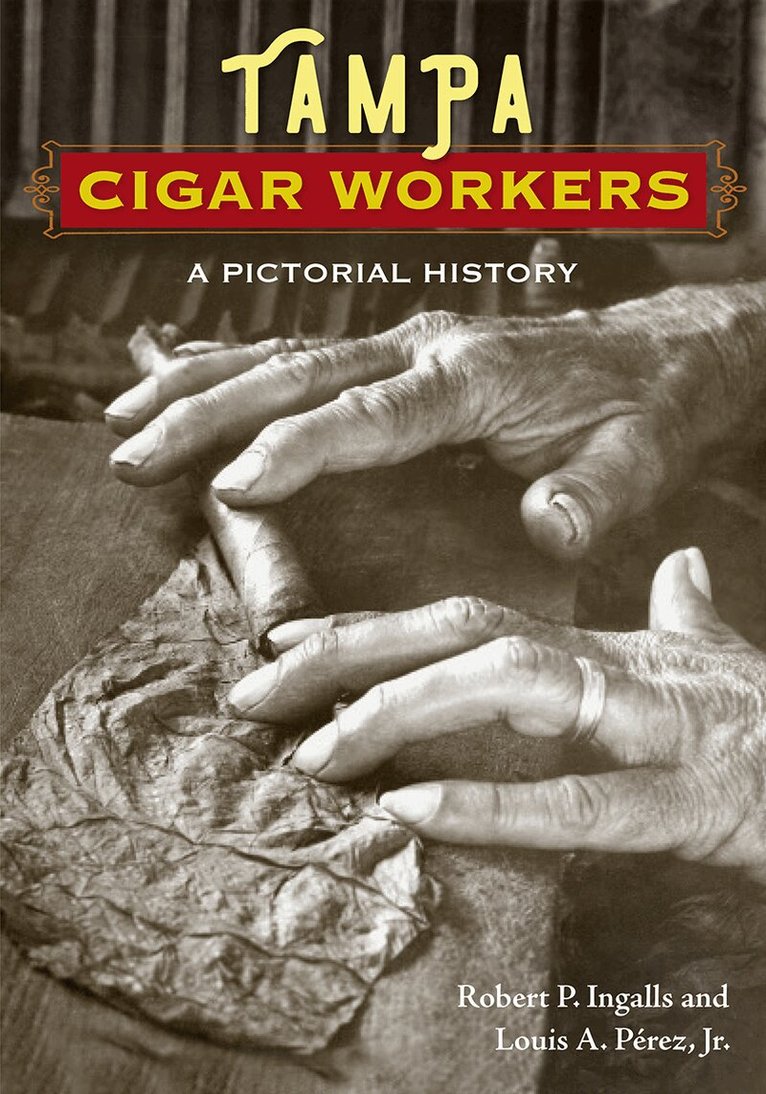
Tampa Cigar Workers
A Pictorial History
Av Robert P. Ingalls, Louis A. Pérez
Häftad, 2023
338 kr
Lägg i varukorg
Florida Historical Society Harry T. and Harriette V. Moore AwardFrom the founding of Ybor City in 1886 to the dispersal of Tampa’s Latin population in the years following World War II, Tampa’s Cigar Workers documents the history of the Cuban, Spanish, and Italian immigrants who created the cigar …
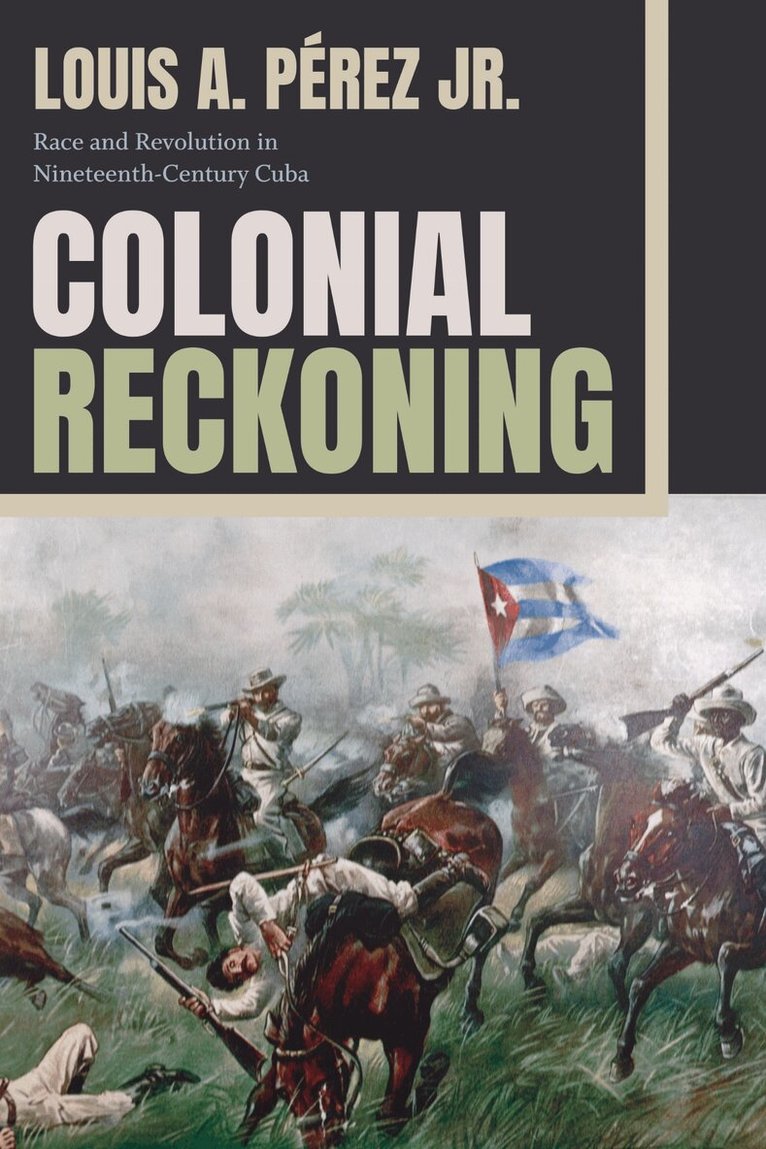
Colonial Reckoning
Race and Revolution in Nineteenth-Century Cuba
Inbunden, 2023
1214 kr
Lägg i varukorg
In Colonial Reckoning Louis A. PÉrez Jr. examines Cuba’s wars for independence in the second half of the nineteenth century, focusing specifically on those Cubans who remained loyal to Spain. Drawing on newspaper articles, personal letters, military battle reports, government commissions, consular …
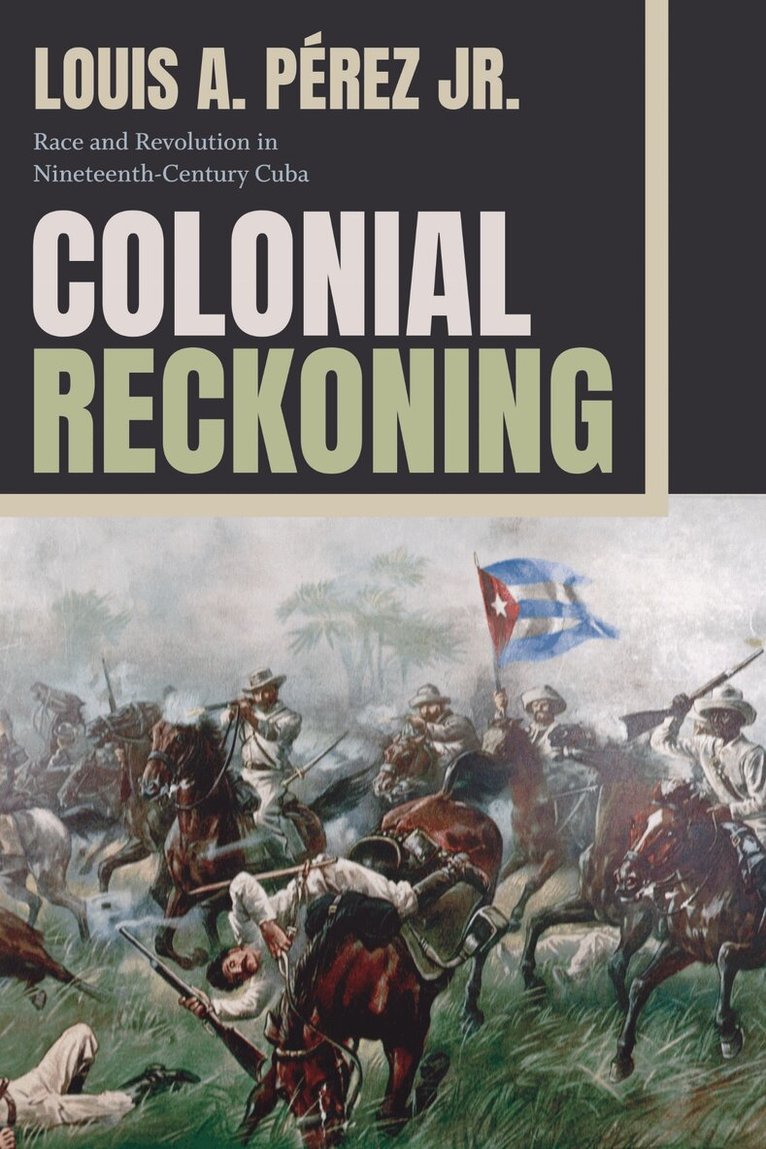
Colonial Reckoning
Race and Revolution in Nineteenth-Century Cuba
Häftad, 2023
309 kr
Lägg i varukorg
In Colonial Reckoning Louis A. PÉrez Jr. examines Cuba’s wars for independence in the second half of the nineteenth century, focusing specifically on those Cubans who remained loyal to Spain. Drawing on newspaper articles, personal letters, military battle reports, government commissions, consular …
Cuba in the American Imagination
Metaphor and the Imperial Ethos
2008
237 kr
Tillfälligt slut
For more than two hundred often turbulent years, Americans have imagined and described Cuba and its relationship to the United States by conjuring up a variety of striking images--Cuba as a woman, a neighbor, a ripe fruit, a child learning to ride a bicycle. One of the foremost historians of Cuba, …
Slaves, Sugar, & Colonial Society
Travel Accounts of Cuba, 1801-1899
Inbunden, 1992
737 kr
Tillfälligt slut
This work brings together some of the most perceptive observations of Cuba by 19th-century travellers from America and Europe. This century saw Cuba struggling to emerge as a modern nation; hence, these travel accounts give us a first-hand view of how modernisation directly affected those living in …
Slaves, Sugar, & Colonial Society
Travel Accounts of Cuba, 1801-1899
Häftad, 1992
242 kr
Tillfälligt slut
This work brings together some of the most perceptive observations of Cuba by 19th-century travellers from America and Europe. This century saw Cuba struggling to emerge as a modern nation; hence, these travel accounts give us a first-hand view of how modernisation directly affected those living in …