Louis A. Perez Jr. – författare
Visar alla böcker från författaren Louis A. Perez Jr.. Handla med fri frakt och snabb leverans.
43 produkter
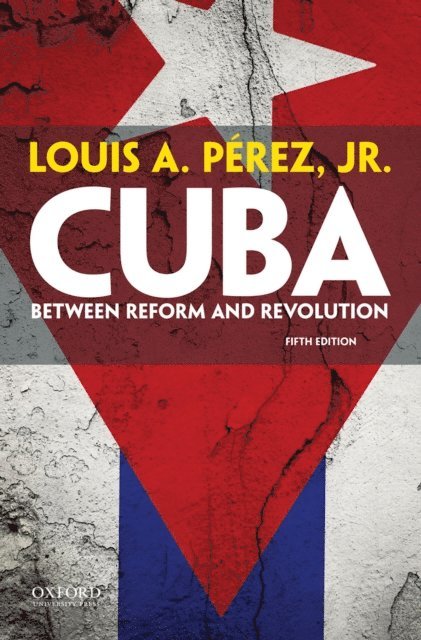
Cuba
Between Reform and Revolution
E-bok, 2020
491 kr
Lägg i varukorg
Spanning the history of the island from pre-Columbian times to the present, this highly acclaimed survey examines Cuba''s political and economic development within the context of its international relations and continuing struggle for self-determination. The dualism that emerged in Cuban …
Cuba
An Annotated Bibliography
Inbunden, 1988
913 kr
Lägg i varukorg
Probably no American scholar is better qualified to prepare a general bibliographic guide to Cuba than Perez. . . . The present volume is a selective, annotated bibliography intended for generalists or other scholars working outside their specialty.. Preference is given to English-language sources …
Guide to Cuban Collections in the United States
Inbunden, 1991
808 kr
Lägg i varukorg
Historical research on Cuba, since the ascent of Fidel Castro to power, has been an uncertain and difficult pursuit. Scholars both in and out of Cuba have faced seemingly insurmountable problems when trying to research archival records and manuscript collections--especially in light of poor …
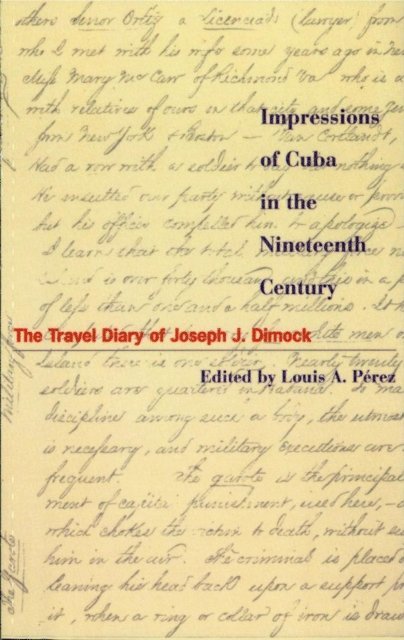
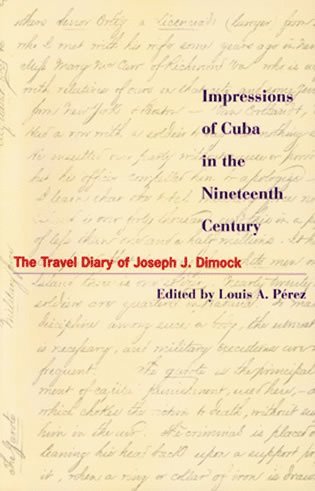
Impressions of Cuba in the Nineteenth Century
The Travel Diary of Joseph J. Dimock
E-bok, 2004
578 kr
Lägg i varukorg
Joseph J. Dimock''s descriptions of Cuba in his travel diary provide a remarkable firsthand view of a fascinating period in the island''s history. In the mid-nineteenth century, the United States was pursuing manifest destiny. The war with Mexico had resulted in a vast increase of national …
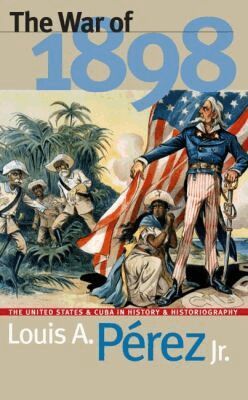
War of 1898
The United States and Cuba in History and Historiography
Häftad, 1998
460 kr
Lägg i varukorg
A century after the Cuban war for independence was fought, Louis Perez examines the meaning of the war of 1898 as represented in 100 years of American historical writing. Offering both a critique of the conventional historiography and an alternate history of the war informed by Cuban sources, Perez …
Winds of Change
Hurricanes and the Transformation of Nineteenth-Century Cuba
Häftad, 2001
489 kr
Lägg i varukorg
The first book to establish hurricanes as a key factor in the development of modern Cuba, Winds of Change shows how these great storms played a decisive role in shaping the economy, the culture, and the nation during a critical century in the island's history. Always vulnerable to hurricanes, Cuba …
To Die in Cuba
Suicide and Society
Häftad, 2007
518 kr
Lägg i varukorg
For much of the nineteenth century and all of the twentieth, the per capita rate of suicide in Cuba was the highest in Latin America and among the highest in the world - a condition made all the more extraordinary in light of Cuba's historic ties to the Catholic church. In this richly illustrated …
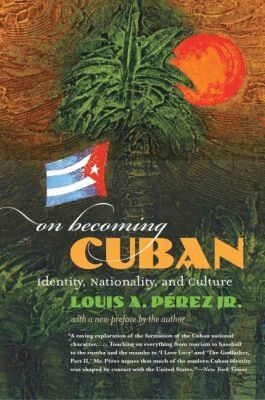
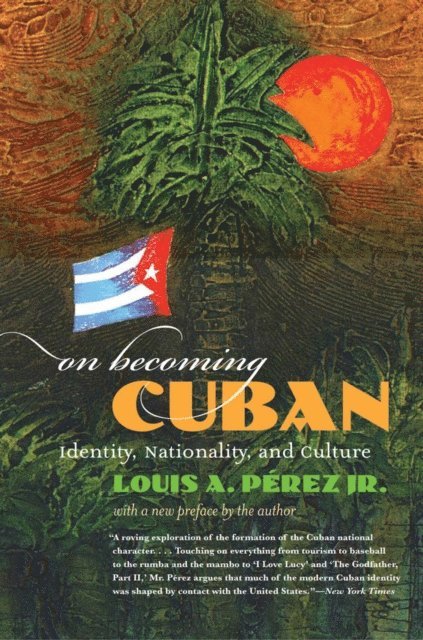
On Becoming Cuban
Identity, Nationality, and Culture
Häftad, 2008
591 kr
Lägg i varukorg
Rich cultural ties between Cuba and the United States influence Cuban's sense of themselves.With this masterful work, Louis A. Perez Jr. transforms the way we view Cuba and its relationship with the United States. ""On Becoming Cuban"" is a sweeping cultural history of the sustained encounter …
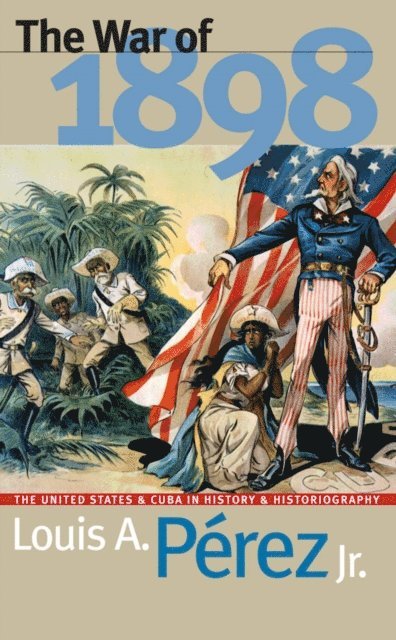
War of 1898
The United States and Cuba in History and Historiography
E-bok, 2000
464 kr
Lägg i varukorg
A century after the Cuban war for independence was fought, Louis Perez examines the meaning of the war of 1898 as represented in one hundred years of American historical writing. Offering both a critique of the conventional historiography and an alternate history of the war informed by Cuban …
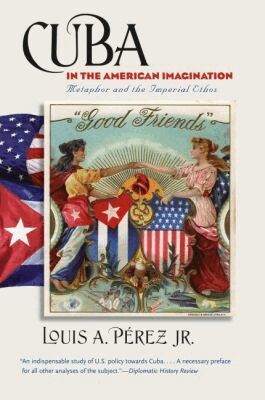
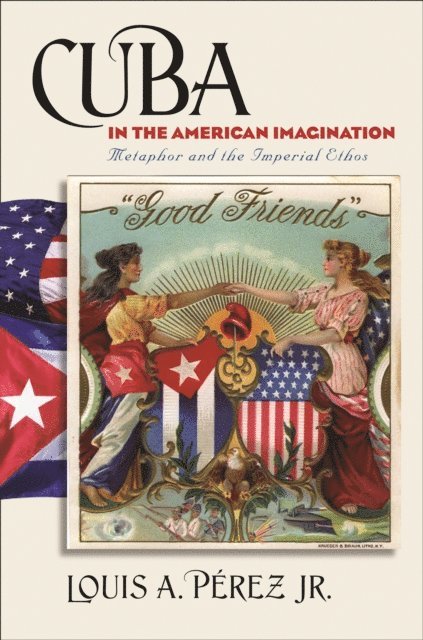
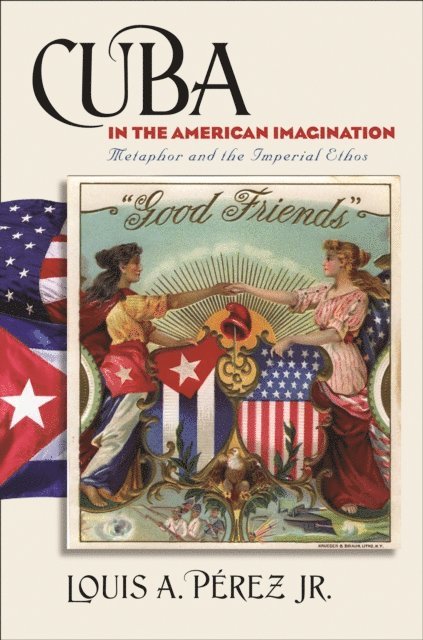
Cuba in the American Imagination
Metaphor and the Imperial Ethos
Häftad, 2011
460 kr
Lägg i varukorg
For more than two hundred years, Americans have imagined and described Cuba and its relationship to the United States by conjuring up a variety of striking images--Cuba as a woman, a neighbor, a ripe fruit, a child learning to ride a bicycle. Louis A. Perez Jr. offers a revealing history of these …
Winds of Change
Hurricanes and the Transformation of Nineteenth-Century Cuba
E-bok, 2002
535 kr
Lägg i varukorg
The first book to establish hurricanes as a key factor in the development of modern Cuba, Winds of Change shows how these great storms played a decisive role in shaping the economy, the culture, and the nation during a critical century in the island''s history. Always vulnerable to hurricanes, Cuba …
Cuba in the American Imagination
Metaphor and the Imperial Ethos
E-bok, 2008
485 kr
Lägg i varukorg
For more than two hundred years, Americans have imagined and described Cuba and its relationship to the United States by conjuring up a variety of striking images — Cuba as a woman, a neighbor, a ripe fruit, a child learning to ride a bicycle. Louis A. Pérez Jr. offers a revealing history of these …
Cuba and the United States
Ties of Singular Intimacy
Häftad, 2003
544 kr
Lägg i varukorg
The Times Literary Supplement calls Louis A. Pérez Jr. "the foremost historian of Cuba writing in English." In this new edition of his acclaimed 1990 volume, he brings his expertise to bear on the history and direction of relations between Cuba and the United States.Of all the peoples in Latin …
Cuba under the Platt Amendment, 1902–1934
Häftad, 1991
830 kr
Lägg i varukorg
• Choice 1987 Outstanding Academic Book This book examines the early years of the Cuban Republic, launched in 1902 after the war with Spain. Although no longer a colony, the country was still hobbled by continuing dependence on and exploitation from a foreign power. P\u00e9rez shows how U.S. armed …
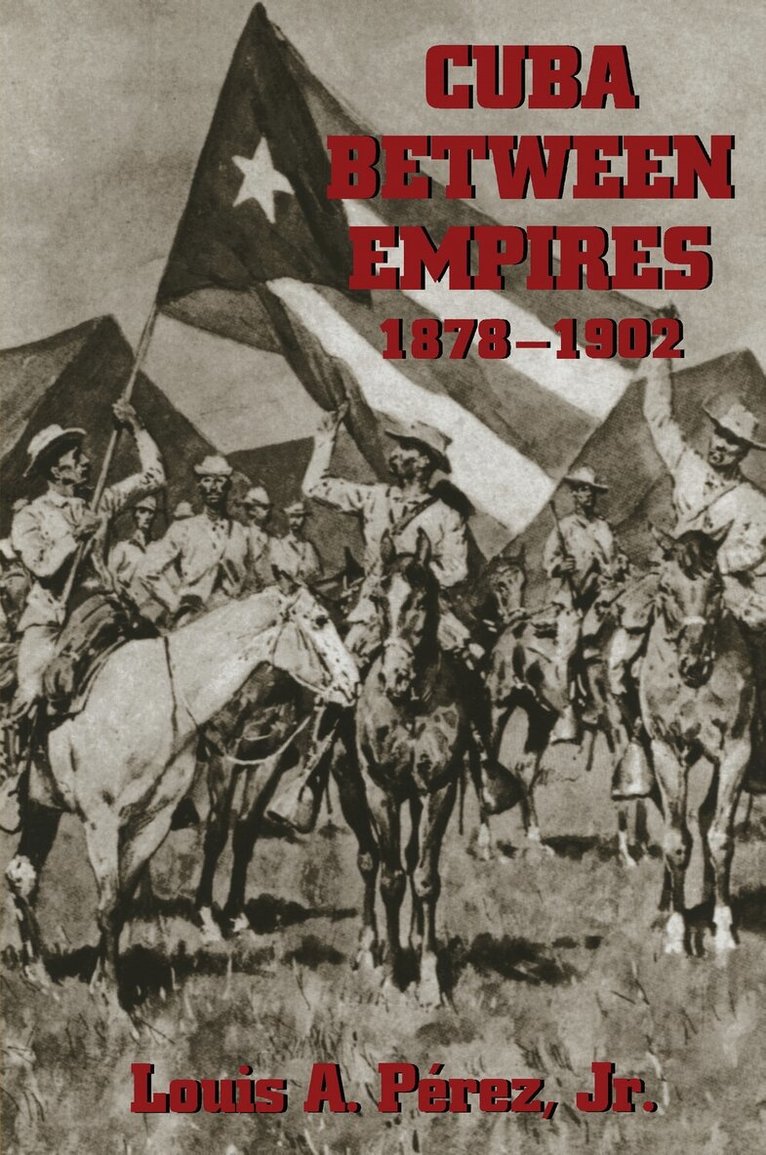
Cuba between Empires, 1878-1902
Häftad, 1998
892 kr
Lägg i varukorg
Cuban independence arrived formally on May 20, 1902, with the raising of the Cuban flag in Havana - a properly orchestrated and orderly inauguration of the new republic. But something had gone awry. Republican reality fell far short of the separatist ideal. In an unusually powerful book that will …
Impressions of Cuba in the Nineteenth Century
The Travel Diary of Joseph J. Dimock
Häftad, 1998
548 kr
Lägg i varukorg
Joseph J. Dimock's descriptions of Cuba in his travel diary provide a remarkable firsthand view of a fascinating period in the island's history. In the mid-nineteenth century, the United States was pursuing manifest destiny. The war with Mexico had resulted in a vast increase of national territory, …
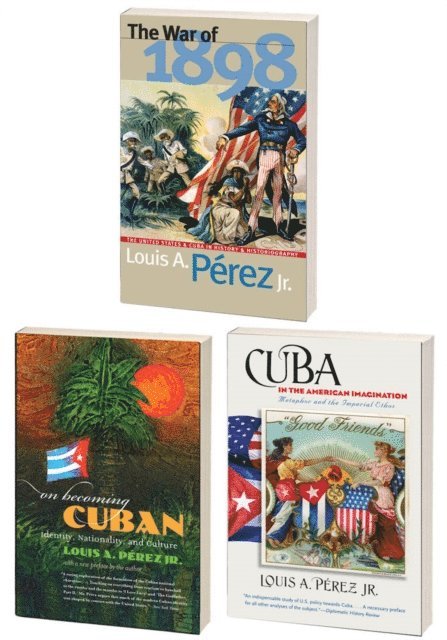
Louis A. Perez Jr. Cuba Trilogy, Omnibus E-book
Includes The War of 1898, On Becoming Cuban, and Cuba in the American Imagination
E-bok, 2012
1338 kr
Lägg i varukorg
Louis A. Pérez Jr. is one of the most influential historians of Cuba. Available for the first time as an Omnibus Ebook edition, this three-volume set brings together three of Pérez’s most acclaimed works on Cuba and its relations to the United States. This Omnibus Ebook contains: The War of 1898 …
On Becoming Cuban
Identity, Nationality, and Culture
E-bok, 2012
410 kr
Lägg i varukorg
With this masterful work, Louis A. Pérez Jr. transforms the way we view Cuba and its relationship with the United States. On Becoming Cuban is a sweeping cultural history of the sustained encounter between the peoples of the two countries and of the ways that this encounter helped shape Cubans'' …
Cuba in the American Imagination
Metaphor and the Imperial Ethos
E-bok, 2008
1124 kr
Lägg i varukorg
For more than two hundred years, Americans have imagined and described Cuba and its relationship to the United States by conjuring up a variety of striking images--Cuba as a woman, a neighbor, a ripe fruit, a child learning to ride a bicycle. Louis A. Perez Jr. offers a revealing history of these …
To Die in Cuba
Suicide and Society
E-bok, 2012
357 kr
Lägg i varukorg
For much of the nineteenth century and all of the twentieth, the per capita rate of suicide in Cuba was the highest in Latin America and among the highest in the world — a condition made all the more extraordinary in light of Cuba’s historic ties to the Catholic church. In this richly illustrated …
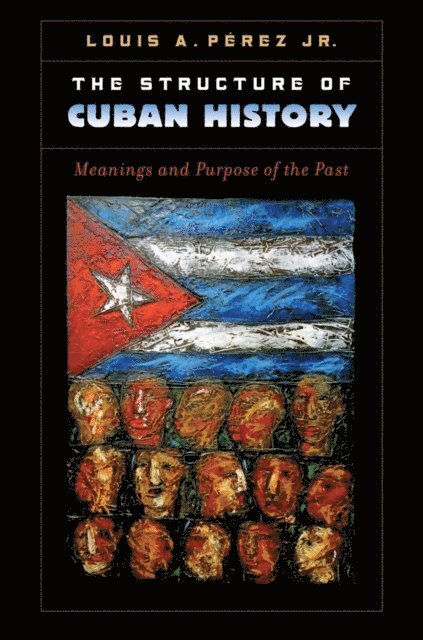
Structure of Cuban History
Meanings and Purpose of the Past
E-bok, 2013
349 kr
Lägg i varukorg
In this expansive and contemplative history of Cuba, Louis A. Perez Jr. argues that the country''s memory of the past served to transform its unfinished nineteenth-century liberation project into a twentieth-century revolutionary metaphysics. The ideal of national sovereignty that was anticipated …
Structure of Cuban History
Meanings and Purpose of the Past
E-bok, 2013
1070 kr
Lägg i varukorg
In this expansive and contemplative history of Cuba, Louis A. Perez Jr. argues that the country''s memory of the past served to transform its unfinished nineteenth-century liberation project into a twentieth-century revolutionary metaphysics. The ideal of national sovereignty that was anticipated …
Structure of Cuban History
Meanings and Purpose of the Past
Häftad, 2015
460 kr
Lägg i varukorg
In this expansive and contemplative history of Cuba, Louis A. Perez Jr. argues that the country's memory of the past served to transform its unfinished nineteenth-century liberation project into a twentieth-century revolutionary metaphysics. The ideal of national sovereignty that was anticipated as …
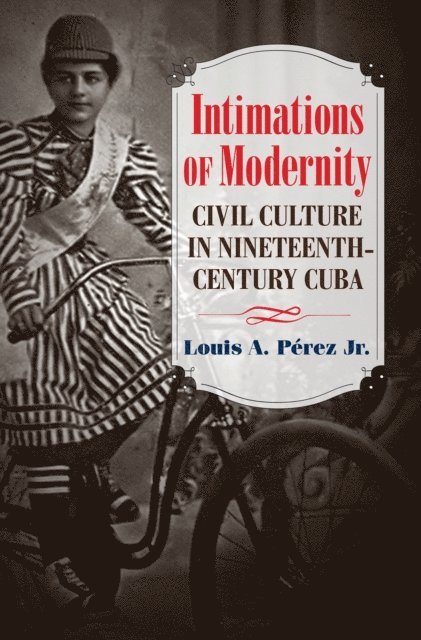
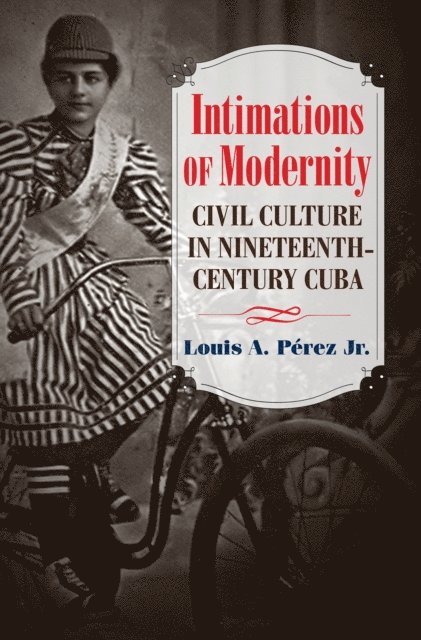
Intimations of Modernity
Civil Culture in Nineteenth-Century Cuba
E-bok, 2017
622 kr
Lägg i varukorg
Louis A. Perez Jr.''s new history of nineteenth-century Cuba chronicles in fascinating detail the emergence of an urban middle class that was imbued with new knowledge and moral systems. Fostering innovative skills and technologies, these Cubans became deeply implicated in an expanding market …
Intimations of Modernity
Civil Culture in Nineteenth-Century Cuba
E-bok, 2017
2675 kr
Lägg i varukorg
Louis A. Pérez Jr.’s new history of nineteenth-century Cuba chronicles in fascinating detail the emergence of an urban middle class that was imbued with new knowledge and moral systems. Fostering innovative skills and technologies, these Cubans became deeply implicated in an expanding market …
Rice in the Time of Sugar
The Political Economy of Food in Cuba
Inbunden, 2019
1233 kr
Lägg i varukorg
In this history of Cuba, Louis A. Perez proposes a new Cuban counterpoint: rice, a staple central to the island's cuisine, and sugar, which dominated an export economy 150 years in the making. Perez shows how the logic of the sugar trade resulted in the development of an agriculture for consumers …
Rice in the Time of Sugar
The Political Economy of Food in Cuba
Häftad, 2019
401 kr
Lägg i varukorg
In this history of Cuba, Louis A. Perez proposes a new Cuban counterpoint: rice, a staple central to the island's cuisine, and sugar, which dominated an export economy 150 years in the making. Perez shows how the logic of the sugar trade resulted in the development of an agriculture for consumers …
Rice in the Time of Sugar
The Political Economy of Food in Cuba
E-bok, 2019
1991 kr
Lägg i varukorg
How did Cuba’s long-established sugar trade result in the development of an agriculture that benefited consumers abroad at the dire expense of Cubans at home? In this history of Cuba, Louis A. Pérez proposes a new Cuban counterpoint: rice, a staple central to the island’s cuisine, and sugar, which …
Intimations of Modernity
Civil Culture in Nineteenth-Century Cuba
Häftad, 2019
372 kr
Lägg i varukorg
Louis A. Perez Jr.'s new history of nineteenth-century Cuba chronicles in fascinating detail the emergence of an urban middle class that was imbued with new knowledge and moral systems. Fostering innovative skills and technologies, these Cubans became deeply implicated in an expanding market …
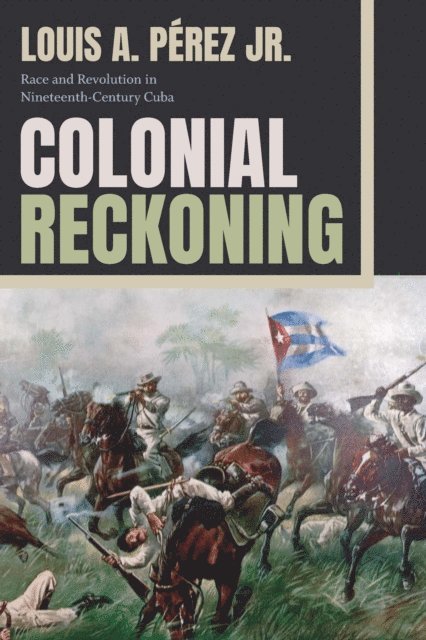
Colonial Reckoning
Race and Revolution in Nineteenth-Century Cuba
E-bok, 2023
470 kr
Lägg i varukorg
In Colonial Reckoning Louis A. Pérez Jr. examines Cuba’s wars for independence in the second half of the nineteenth century, focusing specifically on those Cubans who remained loyal to Spain. Drawing on newspaper articles, personal letters, military battle reports, government commissions, consular …