Louis Corsino - Böcker
Visar alla böcker från författaren Louis Corsino. Handla med fri frakt och snabb leverans.
4 produkter
4 produkter
1 194 kr
Skickas inom 7-10 vardagar
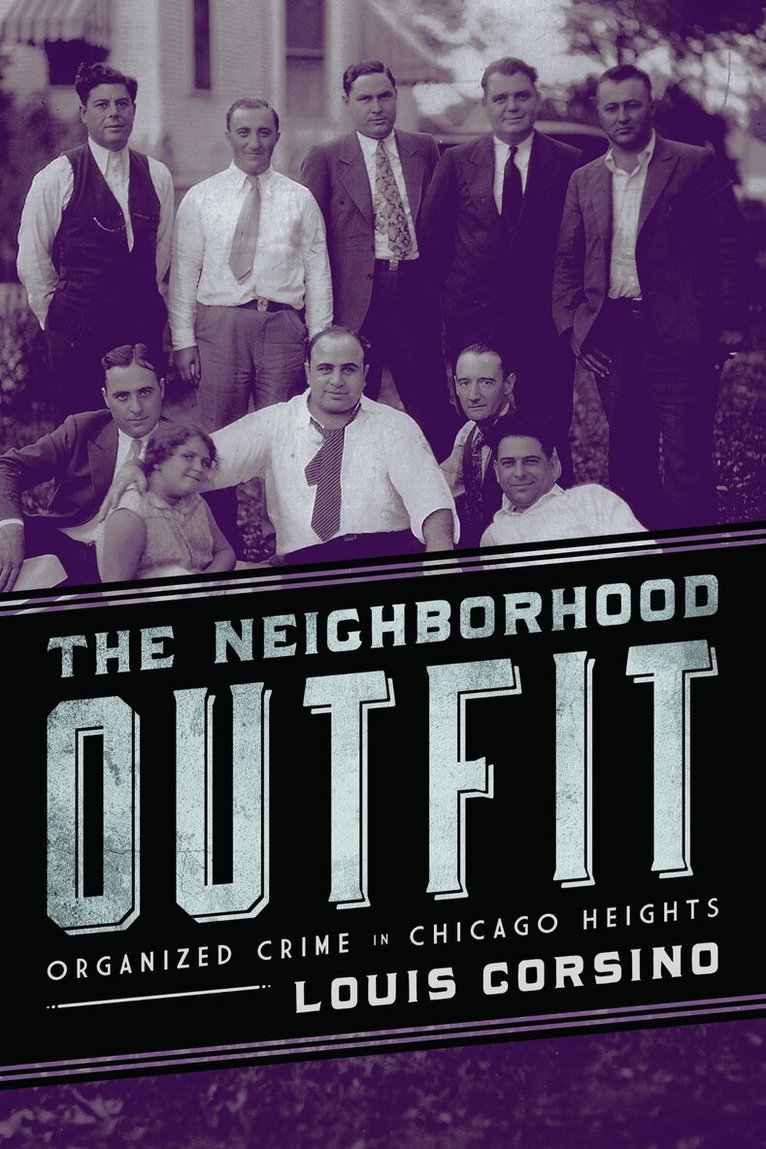
From the slot machine trust of the early 1900s to the prolific Prohibition era bootleggers allied with Al Capone, and for decades beyond, organized crime in Chicago Heights, Illinois, represented a vital component of the Chicago Outfit. Louis Corsino taps interviews, archives, government documents, and his own family's history to tell the story of the Chicago Heights "boys" and their place in the city's Italian American community in the twentieth century. Debunking the popular idea of organized crime as a uniquely Italian enterprise, Corsino delves into the social and cultural forces that contributed to illicit activities. As he shows, discrimination blocked opportunities for Italians' social mobility and the close-knit Italian communities that arose in response to such limits produced a rich supply of social capital Italians used to pursue alternative routes to success that ranged from Italian grocery stores to union organizing to, on occasion, crime.
263 kr
Skickas inom 7-10 vardagar
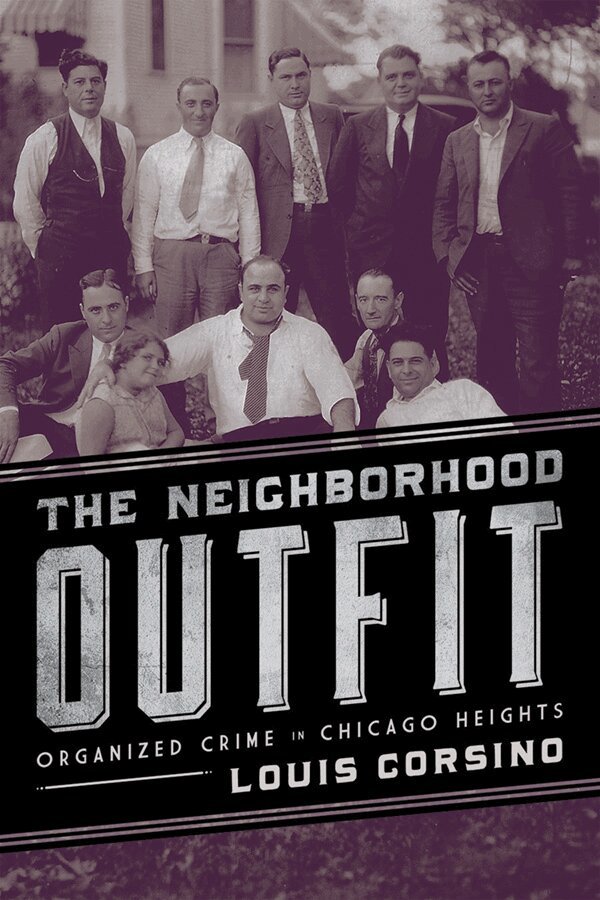
From the slot machine trust of the early 1900s to the prolific Prohibition era bootleggers allied with Al Capone, and for decades beyond, organized crime in Chicago Heights, Illinois, represented a vital component of the Chicago Outfit. Louis Corsino taps interviews, archives, government documents, and his own family's history to tell the story of the Chicago Heights "boys" and their place in the city's Italian American community in the twentieth century. Debunking the popular idea of organized crime as a uniquely Italian enterprise, Corsino delves into the social and cultural forces that contributed to illicit activities. As he shows, discrimination blocked opportunities for Italians' social mobility and the close-knit Italian communities that arose in response to such limits produced a rich supply of social capital Italians used to pursue alternative routes to success that ranged from Italian grocery stores to union organizing to, on occasion, crime.
420 kr
Skickas inom 3-6 vardagar
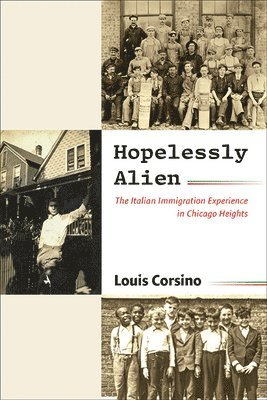
An in-depth sociological investigation of "hope" as it applies to the Italian immigrant experience in the blue-collar suburb of Chicago Heights between 1910 and 1950.Hopelessly Alien is an in-depth study of Italian immigration to Chicago Heights, Illinois, between 1910 and 1950. Drawing upon oral histories, interviews, historical documents, and census materials, Louis Corsino examines the critical concept of hope, which most immigration studies have cast in privatized, psychological terms as the motivation to emigrate in search of a better life. This investigation offers a more contentious, sociological perspective, depicting hope as both an ideological lure to recruit and manage the "foreign element" and as a resource immigrants employed to purchase acceptance and avoid a disparaging label as a "hopelessly alien" stranger. These dialectical processes are illustrated through the Italian immigrants' pursuit of occupational mobility and homeownership, and the appropriation of their children's hopes. Each became forms of cultural capital that demonstrated a public commitment to the American ethos of "joyful striving." Each provided measures of success, but these individual pursuits came at the expense of upsetting the necessary tension between individual and communal hopes.
1 499 kr
Skickas inom 3-6 vardagar
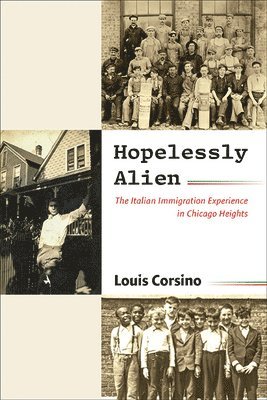
An in-depth sociological investigation of "hope" as it applies to the Italian immigrant experience in the blue-collar suburb of Chicago Heights between 1910 and 1950.Hopelessly Alien is an in-depth study of Italian immigration to Chicago Heights, Illinois, between 1910 and 1950. Drawing upon oral histories, interviews, historical documents, and census materials, Louis Corsino examines the critical concept of hope, which most immigration studies have cast in privatized, psychological terms as the motivation to emigrate in search of a better life. This investigation offers a more contentious, sociological perspective, depicting hope as both an ideological lure to recruit and manage the "foreign element" and as a resource immigrants employed to purchase acceptance and avoid a disparaging label as a "hopelessly alien" stranger. These dialectical processes are illustrated through the Italian immigrants' pursuit of occupational mobility and homeownership, and the appropriation of their children's hopes. Each became forms of cultural capital that demonstrated a public commitment to the American ethos of "joyful striving." Each provided measures of success, but these individual pursuits came at the expense of upsetting the necessary tension between individual and communal hopes.