Louis Niebur - Böcker
Visar alla böcker från författaren Louis Niebur. Handla med fri frakt och snabb leverans.
4 produkter
4 produkter
903 kr
Skickas inom 5-8 vardagar
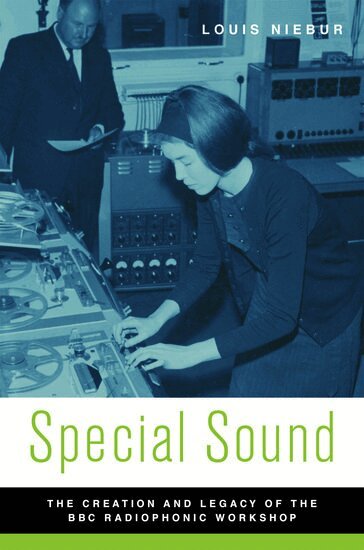
Special Sound traces the fascinating creation and legacy of the BBC's electronic music studio, the Radiophonic Workshop, in the context of other studios in Europe and America. The BBC built a studio to provide its own avant-garde dramatic productions with experimental sounds "neither music nor sound effect." Quickly, however, a popular kind of electronic music emerged in the form of quirky jingles, signature tunes such as Doctor Who, and incidental music for hundreds of programs. These influential sounds and styles, heard by millions of listeners over decades of operation on television and radio, have served as a primary inspiration for the use of electronic instruments in popular music.Using in-depth research in the studio's archives and papers, this book tells the history of the many engineers, composers, directors, and producers behind the studio to trace the shifting perception towards electronic music in Britain. Combining historical discussion of the people and instruments in the workshop with analysis of specific works, Louis Niebur creates a new model for understanding how the Radiophonic Workshop fits into the larger history of electronic music.
510 kr
Skickas inom 5-8 vardagar
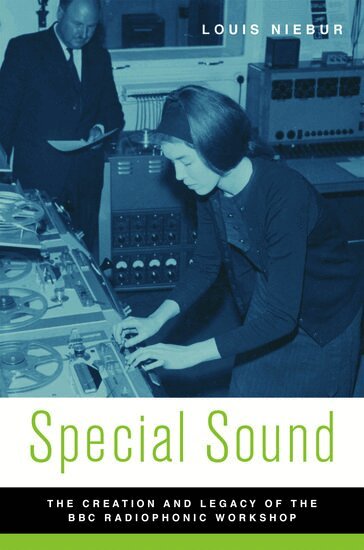
Special Sound traces the fascinating creation and legacy of the BBC's electronic music studio, the Radiophonic Workshop, in the context of other studios in Europe and America. The BBC built a studio to provide its own avant-garde dramatic productions with experimental sounds "neither music nor sound effect." Quickly, however, a popular kind of electronic music emerged in the form of quirky jingles, signature tunes such as Doctor Who, and incidental music for hundreds of programs. These influential sounds and styles, heard by millions of listeners over decades of operation on television and radio, have served as a primary inspiration for the use of electronic instruments in popular music.Using in-depth research in the studio's archives and papers, this book tells the history of the many engineers, composers, directors, and producers behind the studio to trace the shifting perception towards electronic music in Britain. Combining historical discussion of the people and instruments in the workshop with analysis of specific works, Louis Niebur creates a new model for understanding how the Radiophonic Workshop fits into the larger history of electronic music.
1 426 kr
Skickas inom 5-8 vardagar
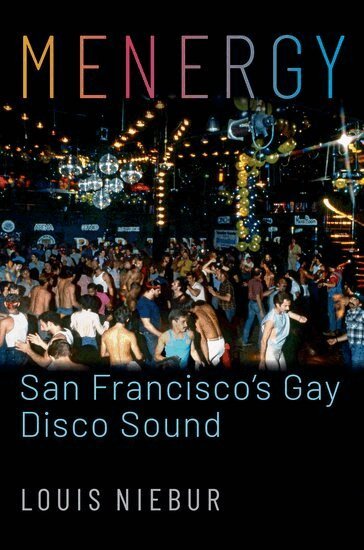
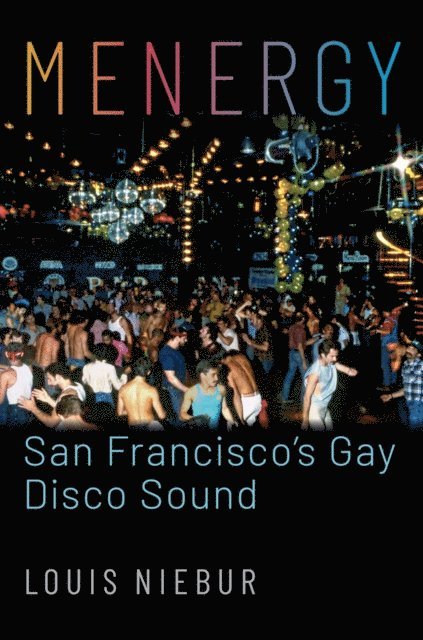
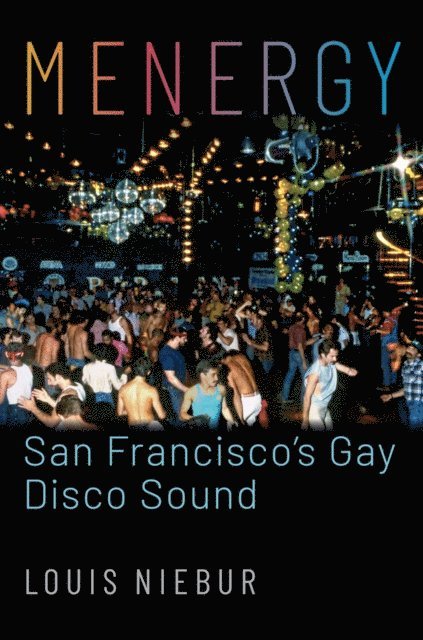
For most of the US, disco died in 1979. Triggered by the infamous "Disco Demolition" night at Comiskey Park in Chicago on July 12, 1979, a backlash made the word "disco" an overnight punchline. Major labels dropped disco artists and producers, and those mainstream musicians who had jumped on the bandwagon just as quickly threw themselves off. Gay men, however, continued to dance, and in the gay enclave of the Castro District in San Francisco, enterprising gay DJs, record producers, and musicians started their own small dance music record labels to make up for the lack of new, danceable music. Almost immediately this music reached far beyond the Bay, with Megatone Records, Moby Dick Records, and other labels achieving worldwide success, creating the world's first gay-owned, gay-produced music for a dancing audience. This music reflected a new way of life, a world apart and a culture of sexual liberation for gay men especially. With Menergy, author Louis Niebur offers a project of reconstruction in order to restore these lost figures to their rightful place in the legacy of 20th-century popular music. Menergy is the product of years of research, with dozens of personal interviews, archival research drawing upon hundreds of contemporary journals, photographs, bar rags, diaries, nightclub ephemera, and, most importantly, the recordings of the San Francisco artists themselves. With its combination of popular music theory, cultural analysis, queer theory and gender studies, and traditional musical analysis, the book will appeal to readers in queer history, popular music history, and electronic dance music.
393 kr
Skickas inom 5-8 vardagar
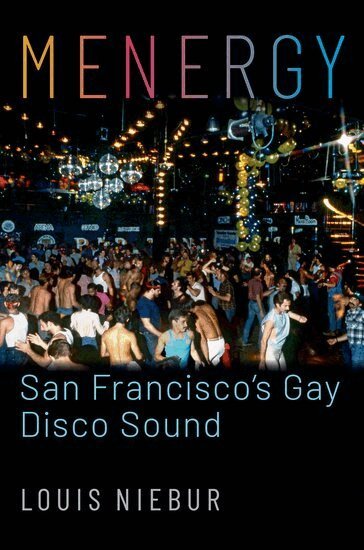
For most of the US, disco died in 1979. Triggered by the infamous "Disco Demolition" night at Comiskey Park in Chicago on July 12, 1979, a backlash made the word "disco" an overnight punchline. Major labels dropped disco artists and producers, and those mainstream musicians who had jumped on the bandwagon just as quickly threw themselves off. Gay men, however, continued to dance, and in the gay enclave of the Castro District in San Francisco, enterprising gay DJs, record producers, and musicians started their own small dance music record labels to make up for the lack of new, danceable music. Almost immediately this music reached far beyond the Bay, with Megatone Records, Moby Dick Records, and other labels achieving worldwide success, creating the world's first gay-owned, gay-produced music for a dancing audience. This music reflected a new way of life, a world apart and a culture of sexual liberation for gay men especially. With Menergy, author Louis Niebur offers a project of reconstruction in order to restore these lost figures to their rightful place in the legacy of 20th-century popular music. Menergy is the product of years of research, with dozens of personal interviews, archival research drawing upon hundreds of contemporary journals, photographs, bar rags, diaries, nightclub ephemera, and, most importantly, the recordings of the San Francisco artists themselves. With its combination of popular music theory, cultural analysis, queer theory and gender studies, and traditional musical analysis, the book will appeal to readers in queer history, popular music history, and electronic dance music.