Louis P. Masur – författare
Visar alla böcker från författaren Louis P. Masur. Handla med fri frakt och snabb leverans.
28 produkter
From Presley to Springsteen
Ten Songs That Defined Rock and Roll
Häftad, 2027
228 kr
Kommande
The first decades of the rock and roll era changed popular music forever and introduced songs that remain beloved standards over a half-century later. But what did it feel like in the rooms where those songs were being written, recorded, and mixed? What creative alchemy and happy accidents …
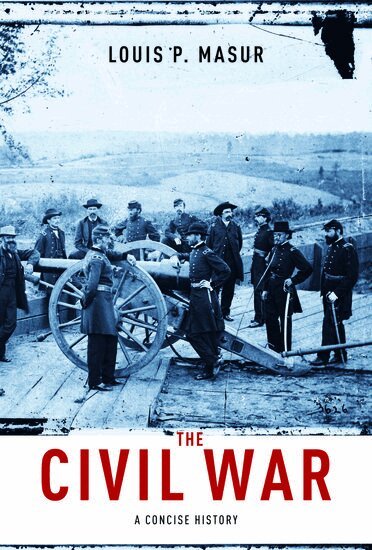
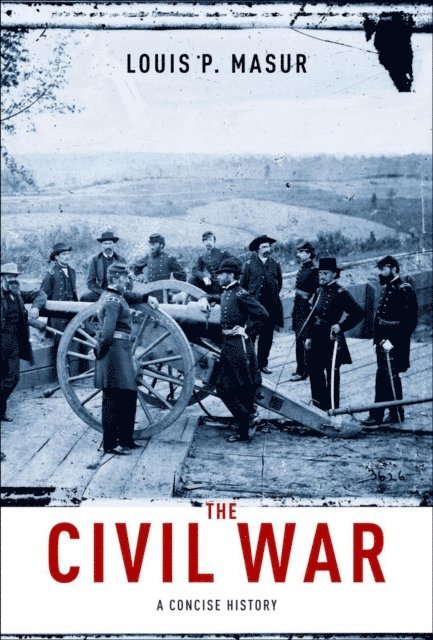
The Civil War
A Concise History
Inbunden, 2011
3,0 utav 5 stjärnor. Totalt antal röster: (1)
284 kr
Lägg i varukorg
One hundred and fifty years after the first shots were fired on Fort Sumter, the Civil War still captivates the American imagination, and its reverberations continue to be felt throughout the nation's social and political landscape. Louis P. Masur's The Civil War: A Concise History is a masterful …
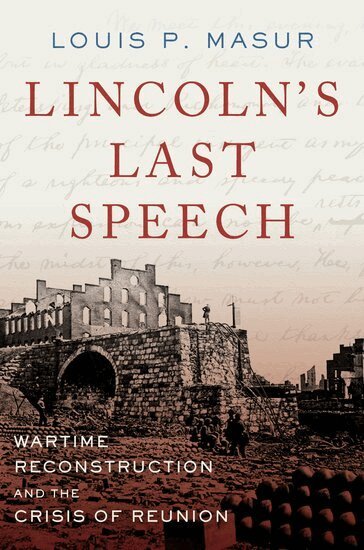
Lincoln's Last Speech
Wartime Reconstruction and the Crisis of Reunion
Inbunden, 2015
357 kr
Lägg i varukorg
On April 11, 1865, Abraham Lincoln gave his final speech to thousands gathered in the rain outside the executive mansion in Washington, D.C. Coming two days after Robert E. Lee's surrender at Appomattox, and a week after the fall of Richmond, the crowd expected a victory oration. Instead, they …
Lincoln's Last Speech
Wartime Reconstruction and the Crisis of Reunion
E-bok, 2015
151 kr
Lägg i varukorg
What did Abraham Lincoln envision when he talked about "reconstruction?" Assassinated in 1865, the president did not have a chance to begin the work of reconciling the North and South, nor to oversee Reconstruction as an official postwar strategy. Yet his final speech, given to thousands gathered …
Lincoln's Last Speech
Wartime Reconstruction and the Crisis of Reunion
E-bok, 2015
151 kr
Lägg i varukorg
What did Abraham Lincoln envision when he talked about "reconstruction?" Assassinated in 1865, the president did not have a chance to begin the work of reconciling the North and South, nor to oversee Reconstruction as an official postwar strategy. Yet his final speech, given to thousands gathered …
Lincoln's Last Speech
Wartime Reconstruction and the Crisis of Reunion
Häftad, 2017
298 kr
Lägg i varukorg
What did Abraham Lincoln envision when he talked about "reconstruction?" Assassinated in 1865, the president did not have a chance to begin the work of reconciling the North and South, nor to oversee Reconstruction as an official postwar strategy. Yet his final speech, given to thousands gathered …
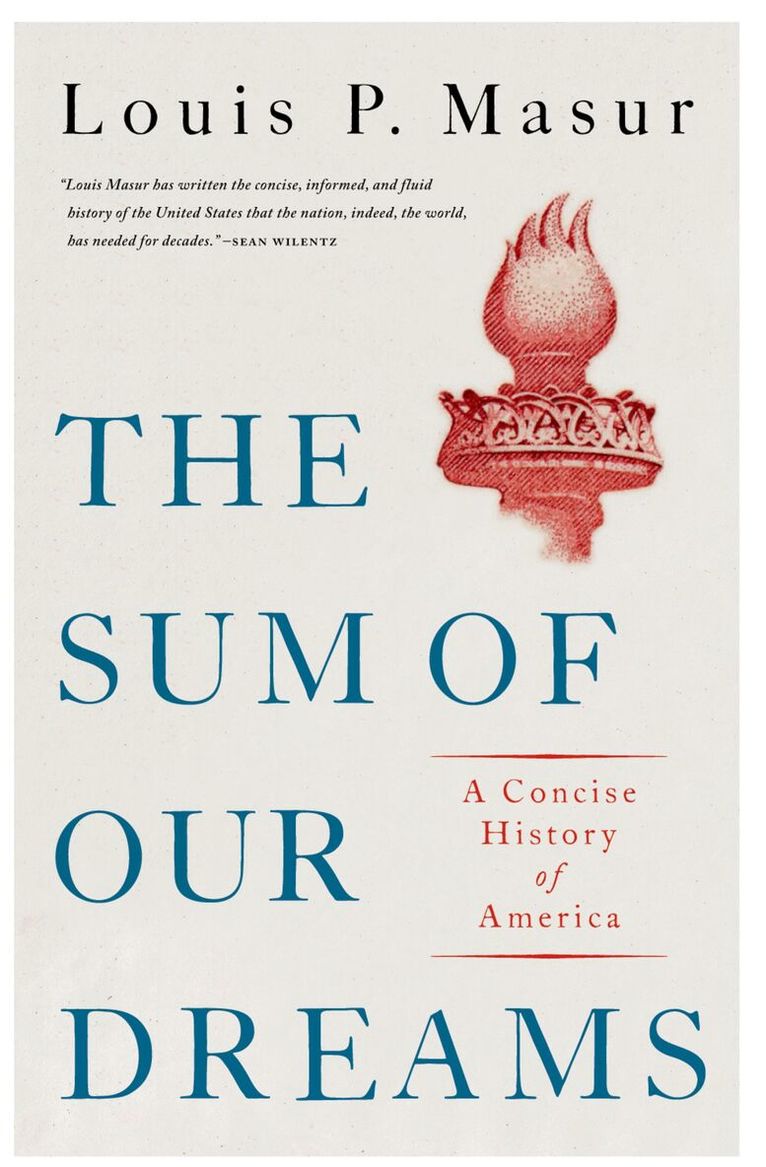
Sum of Our Dreams
A Concise History of America
E-bok, 2020
151 kr
Lägg i varukorg
In The Sum of Our Dreams , Louis P. Masur offers a sweeping yet compact history of America from its beginnings to the current moment. For general readers seeking an accessible, single-volume account, one that challenges but does not overwhelm, and which distills and connects the major events and …
Sum of Our Dreams
A Concise History of America
E-bok, 2020
151 kr
Lägg i varukorg
In The Sum of Our Dreams , Louis P. Masur offers a sweeping yet compact history of America from its beginnings to the current moment. For general readers seeking an accessible, single-volume account, one that challenges but does not overwhelm, and which distills and connects the major events and …
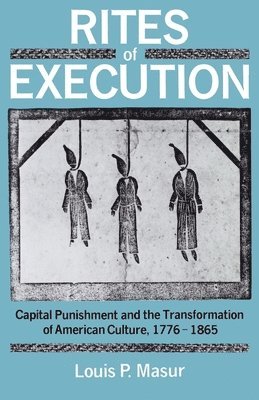
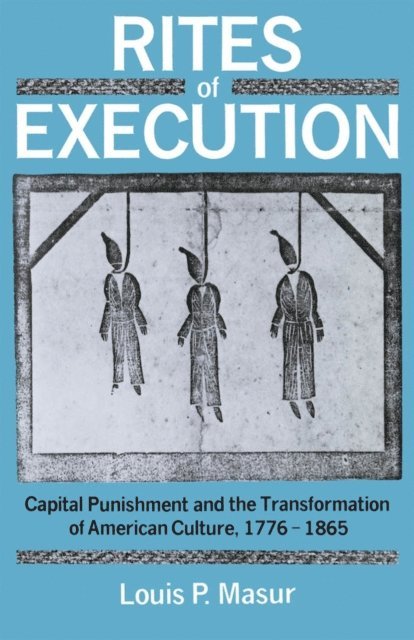
Rites of Execution
Capital Punishment and the Transformation of American Culture, 1776-1865
Häftad, 1991
590 kr
Lägg i varukorg
Louis Masur's handsomely written account describes how, in the 1830s, public hangings were abandoned in favour of executions in the seclusion of prison yards. Masur sees attitudes toward state killing from the Revolution to the Civil War as reflecting the nation's social thinking.
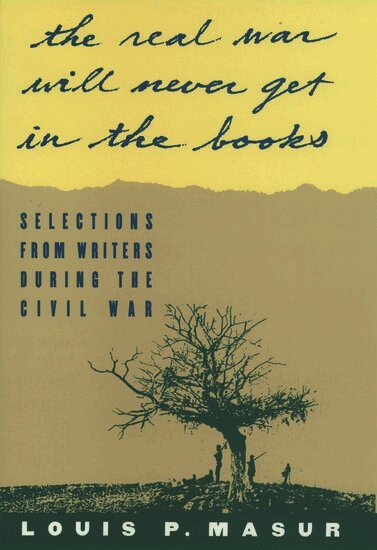
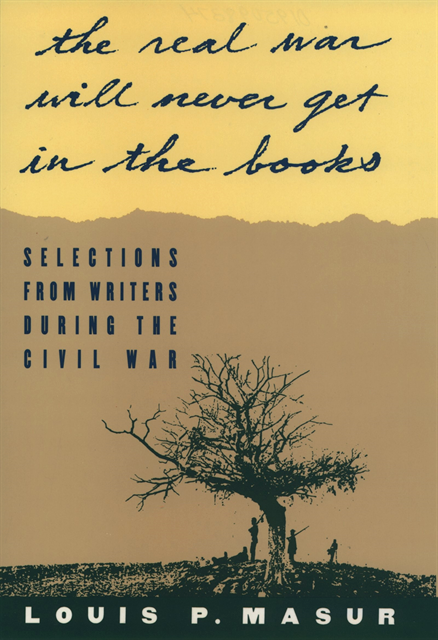
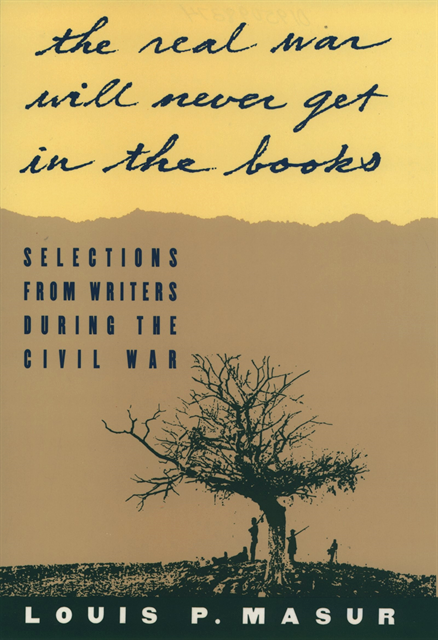
'The Real War Will Never Get in the Books'
Selections from Writers During the Civil War
Häftad, 1995
435 kr
Lägg i varukorg
Drawing on a wide range of material, including diaries, letters, and essays, Masur captures the reactions, as the war was waged, of writers such as Nathaniel Hawthorne, Harriet Beecher Stowe, Ralph Waldo Emerson, Frederick Douglass, Herman Melville, Walt Whitman, Henry Adams, and Louisa May Alcott.
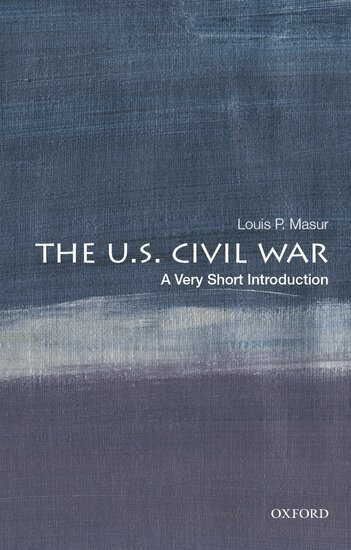
The U.S. Civil War
A Very Short Introduction
Häftad, 2020
105 kr
Lägg i varukorg
More than one hundred and fifty years after the first shots were fired on Fort Sumter, the Civil War still captures the American imagination, and its reverberations can still be felt throughout America's social and political landscape. Louis P. Masur's The U.S. Civil War: A Very Short Introduction …
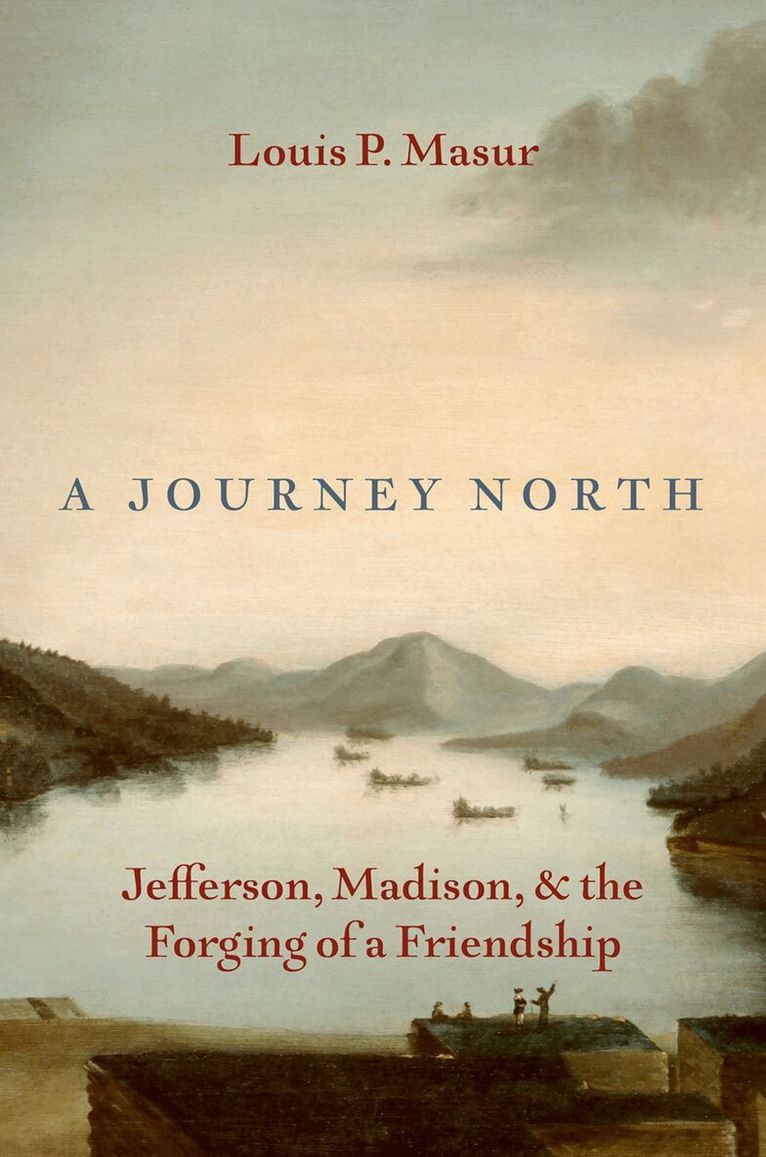
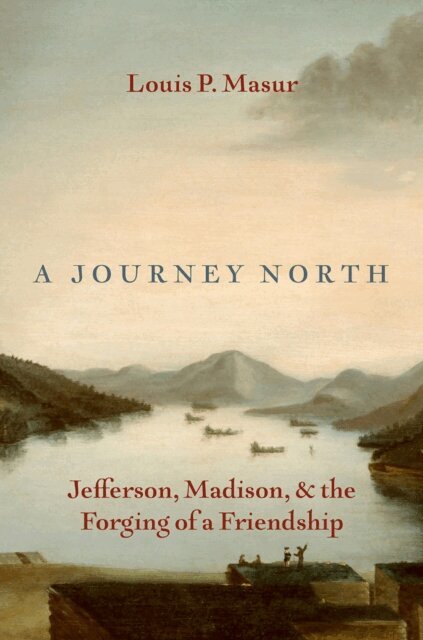
A Journey North
Jefferson, Madison, and the Forging of a Friendship
Inbunden, 2025
285 kr
Lägg i varukorg
A storied friendship between two of America's founders--one that endured for fifty years--and the roadtrip that forged it. Between May 21 and June 16, 1791, Thomas Jefferson and James Madison went on a trip together through Upstate New York and parts of New England on horseback. This "northern …
Journey North
Jefferson, Madison, and the Forging of a Friendship
E-bok, 2025
274 kr
Lägg i varukorg
A storied friendship between two of America''s founders--one that endured for fifty years--and the roadtrip that forged it. Between May 21 and June 16, 1791, Thomas Jefferson and James Madison went on a trip together through Upstate New York and parts of New England on horseback. This "northern …
Journey North
Jefferson, Madison, and the Forging of a Friendship
E-bok, 2025
274 kr
Lägg i varukorg
A storied friendship between two of America''s founders--one that endured for fifty years--and the roadtrip that forged it. Between May 21 and June 16, 1791, Thomas Jefferson and James Madison went on a trip together through Upstate New York and parts of New England on horseback. This "northern …
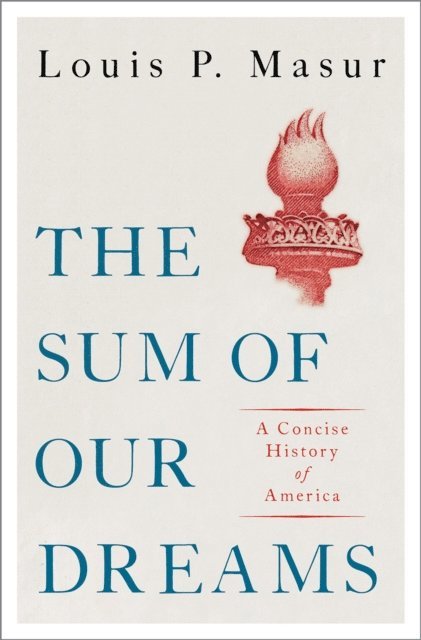
The Sum of Our Dreams
A Concise History of America
Häftad, 2025
213 kr
Lägg i varukorg
In The Sum of Our Dreams, Louis P. Masur offers a sweeping yet compact history of America from its beginnings to the current moment. For general readers seeking an accessible, single-volume account, one that challenges but does not overwhelm, and which distills and connects the major events and …
Rites of Execution
Capital Punishment and the Transformation of American Culture, 1776-1865
E-bok, 1991
351 kr
Lägg i varukorg
Between the seventeenth and nineteenth centuries, Western societies abandoned public executions in favor of private punishments, primarily confinement in penitentiaries and private executions. The transition, guided by a reconceptualization of the causes of crime, the nature of authority, and the …
"e;...the real war will never get in the books"e;
Selections from Writers During the Civil War
E-bok, 1995
302 kr
Lägg i varukorg
"These thousands, and tens and twenties of thousands of American young men, badly wounded, all sorts of wounds, operated on, pallid with diarrhea, languishing, dying with fever, pneumonia, &c. open a new world somehow to me, giving closer insights, new things, exploring deeper mines than any yet, …
Civil War
A Concise History
E-bok, 2011
170 kr
Lägg i varukorg
One hundred and fifty years after the first shots were fired on Fort Sumter, the Civil War still captures the American imagination, and its reverberations can still be felt throughout America''s social and political landscape. Louis P. Masur''s The Civil War: A Concise History offers a masterful …
Civil War
A Concise History
E-bok, 2011
170 kr
Lägg i varukorg
One hundred and fifty years after the first shots were fired on Fort Sumter, the Civil War still captures the American imagination, and its reverberations can still be felt throughout America''s social and political landscape. Louis P. Masur''s The Civil War: A Concise History offers a masterful …
"e;...the real war will never get in the books"e;
Selections from Writers During the Civil War
E-bok, 1993
269 kr
Lägg i varukorg
"These thousands, and tens and twenties of thousands of American young men, badly wounded, all sorts of wounds, operated on, pallid with diarrhea, languishing, dying with fever, pneumonia, &c. open a new world somehow to me, giving closer insights, new things, exploring deeper mines than any yet, …
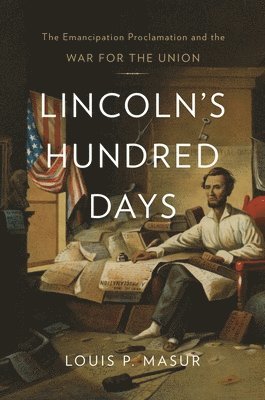
Lincoln’s Hundred Days
The Emancipation Proclamation and the War for the Union
Häftad, 2014
334 kr
Lägg i varukorg
"The time has come now," Abraham Lincoln told his cabinet as he presented the preliminary draft of a "Proclamation of Emancipation." Lincoln's effort to end slavery has been controversial from its inception-when it was denounced by some as an unconstitutional usurpation and by others as an …
Challenge of American History
Häftad, 1999
379 kr
Lägg i varukorg
"If historical scholarship has often proved irrelevant to the world outside university walls, history itself has burst into the public domain. Over the last decade, we have witnessed intense national debates over how to present historic events to a public that attends museums, monitors education in …
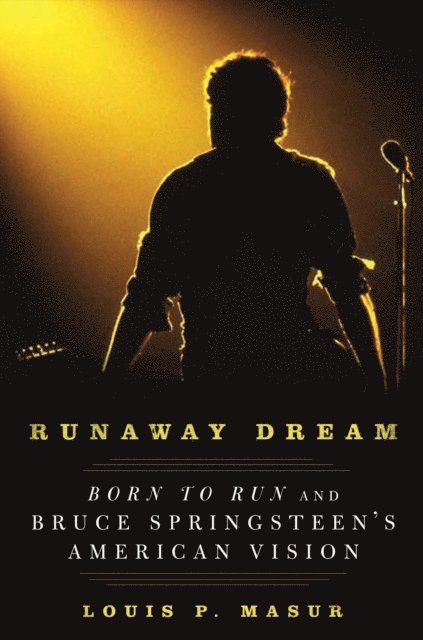
Runaway Dream
Born to Run and Bruce Springsteen's American Vision
E-bok, 2010
151 kr
Lägg i varukorg
To millions of listeners, Bruce Springsteen''s Born to Run is much more than a rock-and-roll album-it''s a poetic explosion of freedom and frustration. It confirmed Springsteen''s status as a quintessential American performer: the rocker who, more than any other, gives voice to our hopes, fears, …
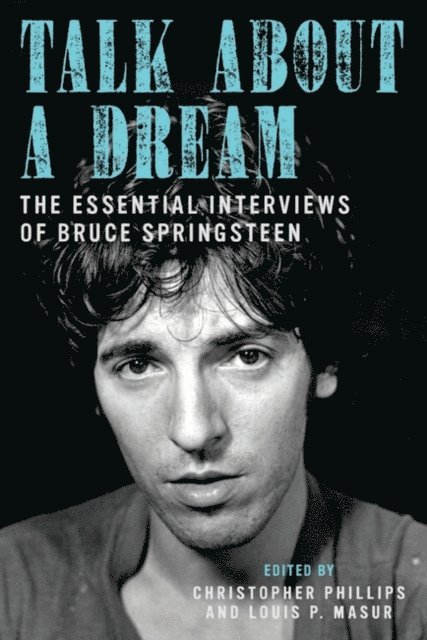
Talk About a Dream
The Essential Interviews of Bruce Springsteen
Av Christopher Phillips, Louis P. Masur
E-bok, 2013
189 kr
Lägg i varukorg
Bruce Springsteen often prefers to let his music do the talking. His onstage stories and shaggy dog tales have long entertained his fans, but his songs and his guitar provide the most direct line to their hearts. Considering his prominence on the rock ''n'' roll landscape, Springsteen has spent …
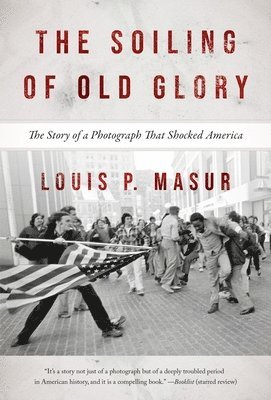
Soiling of Old Glory
The Story of a Photograph That Shocked America
Häftad, 2024
271 kr
Lägg i varukorg
Now available as a paperback: the history of a disturbing image, now iconic, that expressed the turmoil of the 1970s and race relations in the United States, with a new preface by the author and a foreword by Ted Landsmark. In 1976, Boston was bitterly divided over a court order to desegregate its …
From Presley to Springsteen
Ten Songs That Defined Rock and Roll
Inbunden, 2027
595 kr
Kommande
The first decades of the rock and roll era changed popular music forever and introduced songs that remain beloved standards over a half-century later. But what did it feel like in the rooms where those songs were being written, recorded, and mixed? What creative alchemy and happy accidents …