Louise Spiteri - Böcker
Visar alla böcker från författaren Louise Spiteri. Handla med fri frakt och snabb leverans.
5 produkter
5 produkter
1 213 kr
Tillfälligt slut
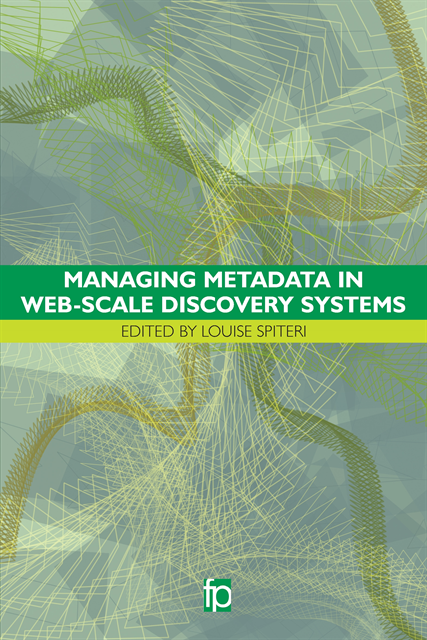
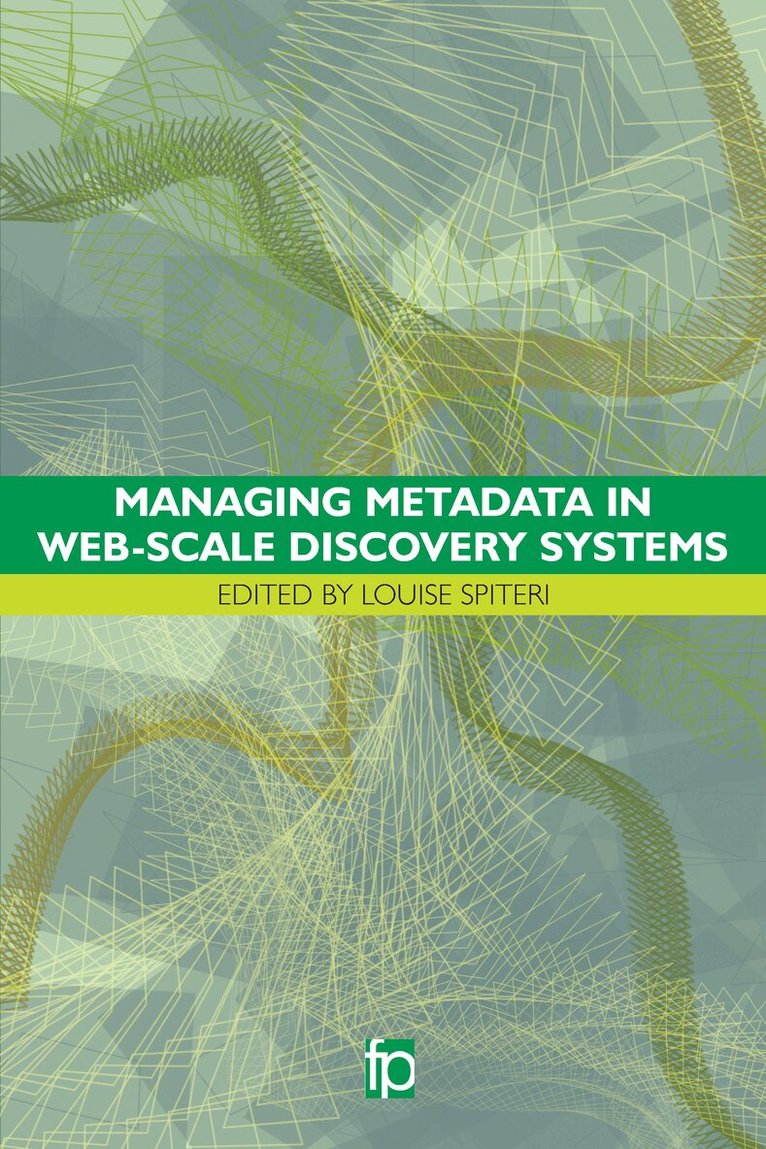
This book shows you how to harness the power of linked data and web-scale discovery systems to manage and link widely varied content across your library collection. Libraries are increasingly using web-scale discovery systems to help clients find a wide assortment of library materials, including books, journal articles, special collections, archival collections, videos, music and open access collections. Depending on the library material catalogued, the discovery system might need to negotiate different metadata standards, such as AACR, RDA, RAD, FOAF, VRA Core, METS, MODS, RDF and more. In Managing Metadata in Web-Scale Discovery Systems, editor Louise Spiteri and a range of international experts show you how to:maximize the effectiveness of web-scale discovery systemsprovide a smooth and seamless discovery experience to your usershelp users conduct searches that yield relevant resultsmanage the sheer volume of items to which you can provide access, so your users can actually find what they needmaintain shared records that reflect the needs, languages, and identities of culturally and ethnically varied communitiesmanage metadata both within, across, and outside, library discovery tools by converting your library metadata to linked open data that all systems can accessmanage user generated metadata from external services such as Goodreads and LibraryThing mine user generated metadata to better serve your users in areas such as collection development or readers’ advisory.The book will be essential reading for cataloguers, technical services and systems librarians and library and information science students studying modules on metadata, cataloguing, systems design, data management, and digital libraries. The book will also be of interest to those managing metadata in archives, museums and other cultural heritage institutions.
2 500 kr
Tillfälligt slut
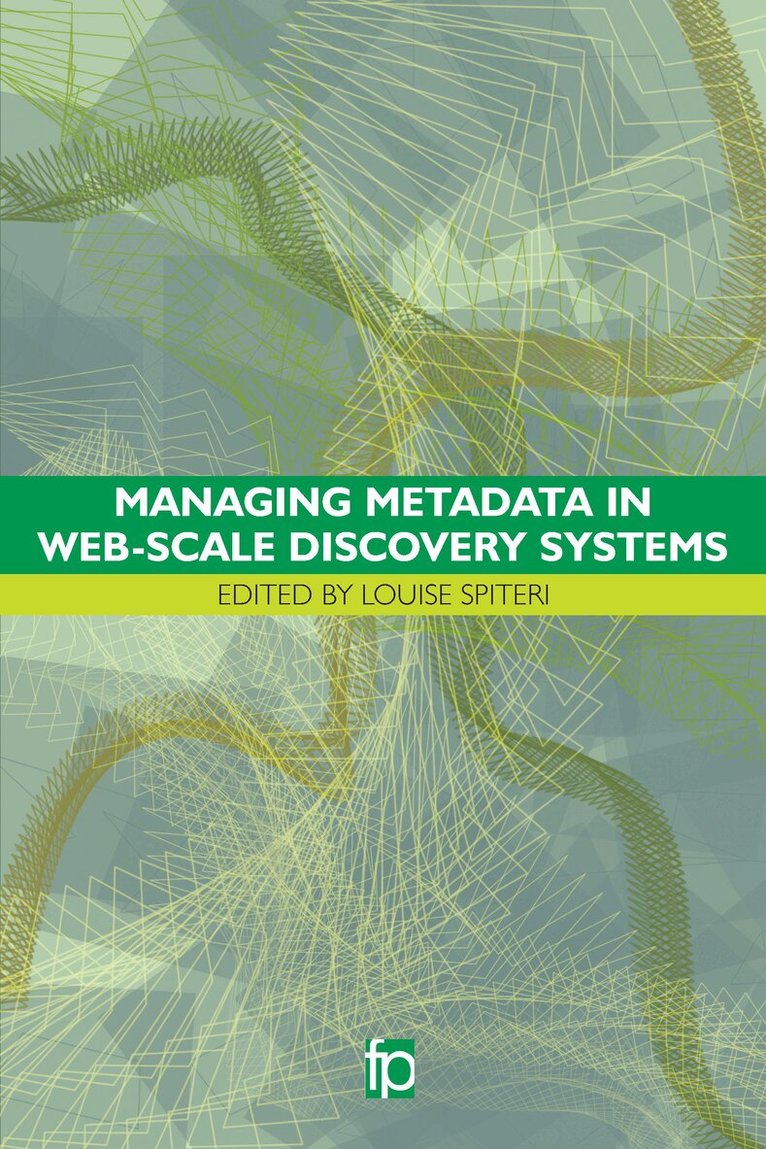
This book shows you how to harness the power of linked data and web-scale discovery systems to manage and link widely varied content across your library collection. Libraries are increasingly using web-scale discovery systems to help clients find a wide assortment of library materials, including books, journal articles, special collections, archival collections, videos, music and open access collections. Depending on the library material catalogued, the discovery system might need to negotiate different metadata standards, such as AACR, RDA, RAD, FOAF, VRA Core, METS, MODS, RDF and more. In Managing Metadata in Web-Scale Discovery Systems, editor Louise Spiteri and a range of international experts show you how to:maximize the effectiveness of web-scale discovery systemsprovide a smooth and seamless discovery experience to your usershelp users conduct searches that yield relevant resultsmanage the sheer volume of items to which you can provide access, so your users can actually find what they needmaintain shared records that reflect the needs, languages, and identities of culturally and ethnically varied communitiesmanage metadata both within, across, and outside, library discovery tools by converting your library metadata to linked open data that all systems can accessmanage user generated metadata from external services such as Goodreads and LibraryThing mine user generated metadata to better serve your users in areas such as collection development or readers’ advisory.The book will be essential reading for cataloguers, technical services and systems librarians and library and information science students studying modules on metadata, cataloguing, systems design, data management, and digital libraries. The book will also be of interest to those managing metadata in archives, museums and other cultural heritage institutions.
1 373 kr
Skickas inom 5-8 vardagar
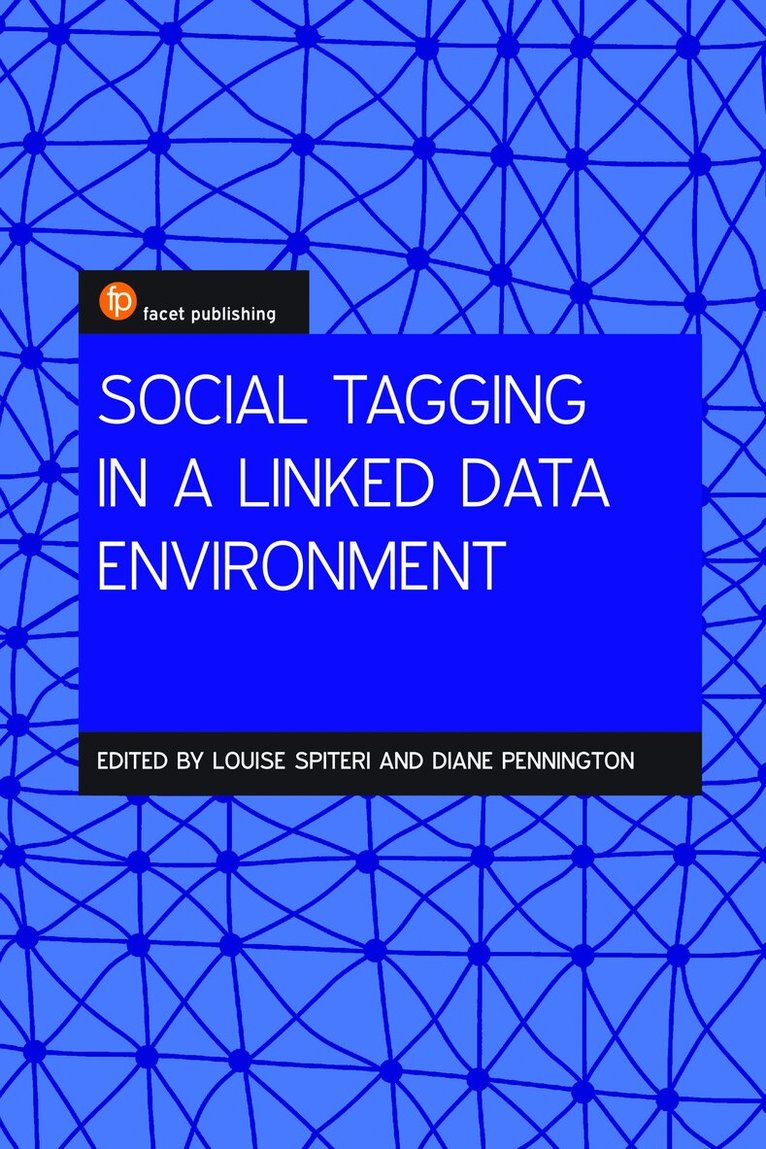
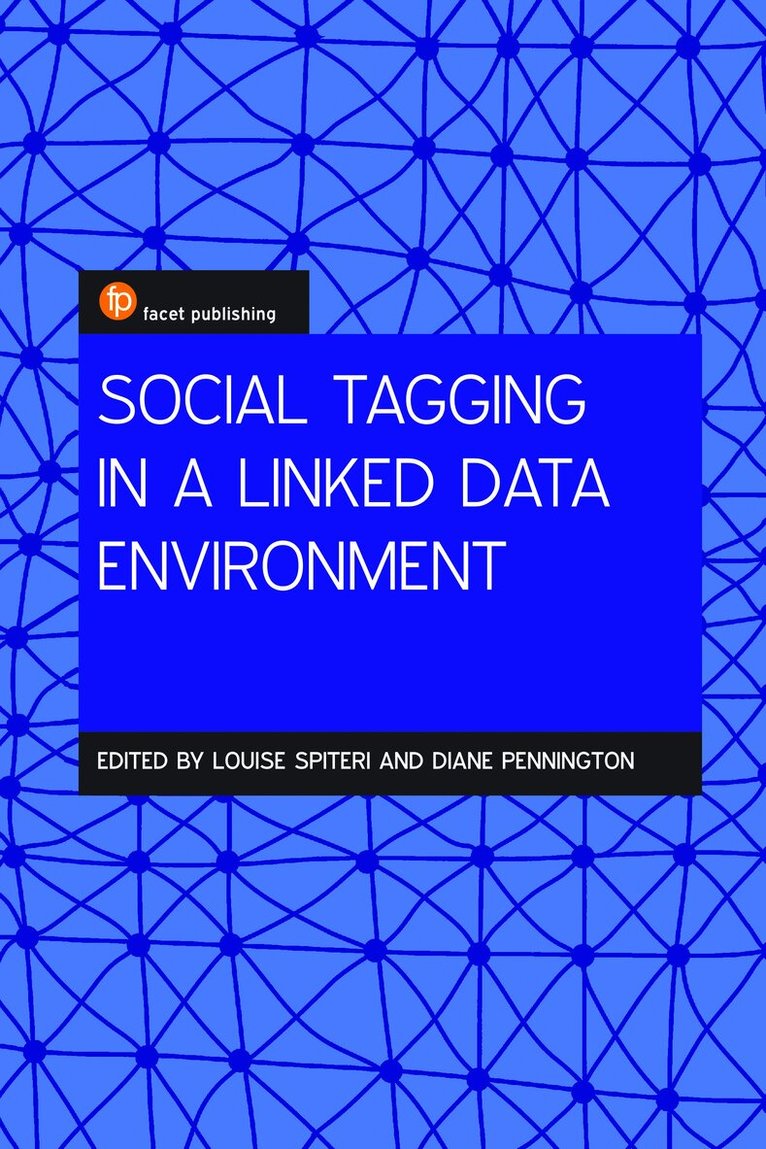
Social tagging (including hashtags) is used over platforms such as Twitter, Facebook, Instagram, Pinterest, WordPress, Tumblr and YouTube across countries and cultures meaning that one single hashtag can link information from a variety of resources. This new book explores social tagging as a potential form of linked data and shows how it can provide an increasingly important way to categorise and store information resources. The internet is moving rapidly from the social web embodied in Web 2.0, to the Semantic Web (Web 3.0), where information resources are linked to make them comprehensible to both machines and humans. Traditionally library discovery systems have pushed information, but did not allow for any interaction with the users of the catalogue, while social tagging provides a means to help library discovery systems become social spaces where users could input and interact with content.The editors and their international contributors explore key issues including:the use of hashtags in the dissemination of public policy the use of hashtags as information portals in library catalogues social tagging in enterprise environments the linked data potential of social tagging sharing and disseminating information needs via social tagging. Social Tagging in a Linked Data Environment will be useful reading for practicing library and information professionals involved in electronic access to collections, including cataloguers, system developers, information architects and web developers. It would also be useful for students taking programmes in library and Information science, information management, computer science, and information architecture.
2 908 kr
Skickas inom 11-20 vardagar
Social tagging (including hashtags) is used over platforms such as Twitter, Facebook, Instagram, Pinterest, WordPress, Tumblr and YouTube across countries and cultures meaning that one single hashtag can link information from a variety of resources. This new book explores social tagging as a potential form of linked data and shows how it can provide an increasingly important way to categorise and store information resources. The internet is moving rapidly from the social web embodied in Web 2.0, to the Semantic Web (Web 3.0), where information resources are linked to make them comprehensible to both machines and humans. Traditionally library discovery systems have pushed information, but did not allow for any interaction with the users of the catalogue, while social tagging provides a means to help library discovery systems become social spaces where users could input and interact with content.The editors and their international contributors explore key issues including:the use of hashtags in the dissemination of public policy the use of hashtags as information portals in library catalogues social tagging in enterprise environments the linked data potential of social tagging sharing and disseminating information needs via social tagging. Social Tagging in a Linked Data Environment will be useful reading for practicing library and information professionals involved in electronic access to collections, including cataloguers, system developers, information architects and web developers. It would also be useful for students taking programmes in library and Information science, information management, computer science, and information architecture.
1 472 kr
Skickas inom 5-8 vardagar