Lowell Duckert - Böcker
Visar alla böcker från författaren Lowell Duckert. Handla med fri frakt och snabb leverans.
6 produkter
6 produkter
284 kr
Skickas inom 7-10 vardagar
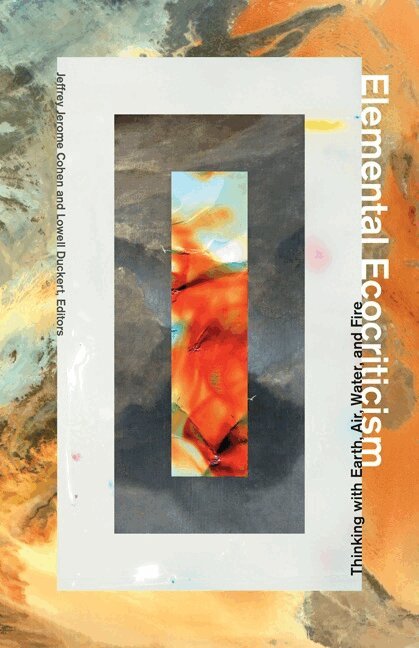
For centuries it was believed that all matter was composed of four elements: earth, air, water, and fire in promiscuous combination, bound by love and pulled apart by strife. Elemental theory offered a mode of understanding materiality that did not center the cosmos around the human. Outgrown as a science, the elements are now what we build our houses against. Their renunciation has fostered only estrangement from the material world.The essays collected in Elemental Ecocriticism show how elemental materiality precipitates new engagements with the ecological. Here the classical elements reveal the vitality of supposedly inert substances (mud, water, earth, air), chemical processes (fire), and natural phenomena, as well as the promise in the abandoned and the unreal (ether, phlogiston, spontaneous generation).Decentering the human, this volume provides important correctives to the idea of the material world as mere resource. Three response essays meditate on the connections of this collaborative project to the framing of modern-day ecological concerns. A renewed intimacy with the elemental holds the potential of a more dynamic environmental ethics and the possibility of a reinvigorated materialism.
357 kr
Skickas inom 7-10 vardagar
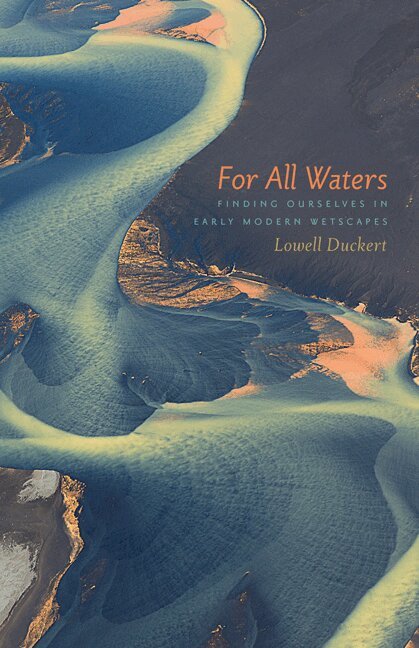
Recent years have witnessed a surge in early modern ecostudies, many devoted to Shakespearean drama. Yet in this burgeoning discipline, travel writing appears moored in historicization, inorganic subjects are far less prevalent than organic ones, and freshwater sites are hardly visited. For All Waters explores these uncharted wetscapes. Lowell Duckert shows that when playwrights and travel writers such as Sir Walter Raleigh physically interacted with rivers, glaciers, monsoons, and swamps, they composed hydrographies,or bodily and textual assemblages of human and nonhuman things that dissolved notions of human autonomy and its singular narrativity. With a playful, punning touch woven deftly into its theoretical rigor, For All Waters disputes fantasies of ecological solitude that would keep our selves high and dry and that would try to sustain a political ecology excluding water and the poor. The lives of both humans and waterscapes can be improved simultaneously through direct engagement with wetness. For All Waters concludes by investigating waterscapes in peril today-West Virginias chemical rivers and Icelands vanishing glaciers-and outlining what we can learn from early moderns eco-ontological lessons. By taking their soggy and storied matters to heart, and arriving at a greater realization of our shared wetness, we can conceive new directions to take within the hydropolitical crises afflicting us today.
1 173 kr
Skickas inom 10-15 vardagar
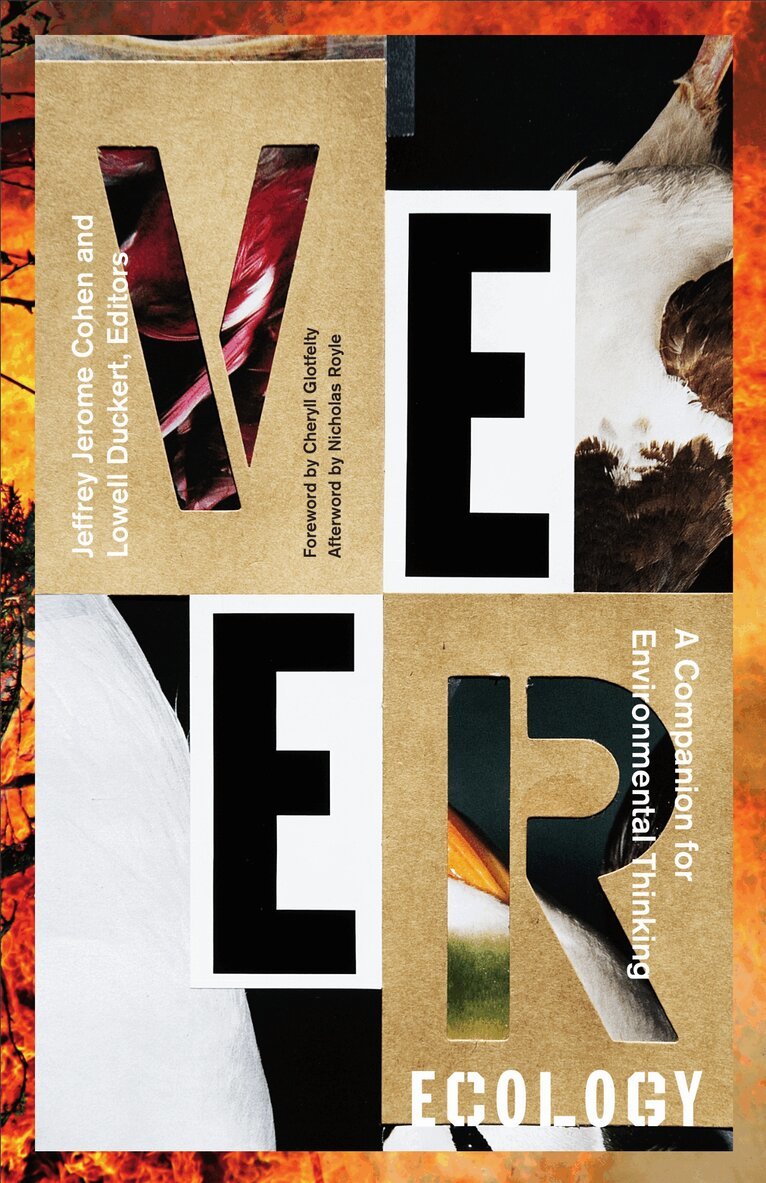
The words most commonly associated with the environmental movement-save, recycle, reuse, protect, regulate, restore-describe what we can do to help the environment, but few suggest how we might transform ourselves to better navigate the sudden turns of the late Anthropocene. Which words can help us to veer conceptually along with drastic environmental flux? Jeffrey Jerome Cohen and Lowell Duckert asked thirty brilliant thinkers to each propose one verb that stresses the forceful potential of inquiry, weather, biomes, apprehensions, and desires to swerve and sheer. Each term is accompanied by a concise essay contextualizing its meaning in times of resource depletion, environmental degradation, and global climate change. Some verbs are closely tied to natural processes: compost, saturate, seep, rain, shade, sediment, vegetate, environ. Many are vaguely unsettling: drown, unmoor, obsolesce, power down, haunt. Others are enigmatic or counterintuitive: curl, globalize, commodify, ape, whirl. And while several verbs pertain to human affect and action-love, represent, behold, wait, try, attune, play, remember, decorate, tend, hope-a primary goal of Veer Ecology is to decenter the human. Indeed, each of the essays speaks to a heightened sense of possibility, awakening our imaginations and inviting us to think the world anew from radically different perspectives. A groundbreaking guide for the twenty-first century, Veer Ecology foregrounds the risks and potentialities of living on-and with-an alarmingly dynamic planet. Contributors: Stacy Alaimo, U of Texas at Arlington; Joseph Campana, Rice U; Holly Dugan, George Washington U; Lara Farina, West Virginia U; Cheryll Glotfelty, U of Nevada, Reno; Anne F. Harris, DePauw U; Tim Ingold, U of Aberdeen; Serenella Iovino, U of Turin; Stephanie LeMenager, U of Oregon; Scott Maisano, U of Massachusetts, Boston; Tobias Menely, U of California, Davis; Steve Mentz, St. Johns U; J. Allan Mitchell, U of Victoria; Timothy Morton, Rice U; Vin Nardizzi, U of British Columbia; Laura Ogden, Dartmouth College; Serpil Opperman, Hacettepe U, Ankara; Daniel C. Remein, U of Massachusetts, Boston; Margaret Ronda, U of California, Davis; Nicholas Royle, U of Sussex; Catriona Sandilands, York U; Christopher Schaberg, Loyola U; Rebecca R. Scott, U of Missouri; Theresa Shewry, U of California, Santa Barbara; Mick Smith, Queens U; Jesse Oak Taylor, U of Washington; Brian Thill, Golden West College; Coll Thrush, U of British Columbia, Vancouver; Cord J. Whitaker, Wellesley College; Julian Yates, U of Delaware.
292 kr
Skickas inom 11-20 vardagar
The words most commonly associated with the environmental movement-save, recycle, reuse, protect, regulate, restore-describe what we can do to help the environment, but few suggest how we might transform ourselves to better navigate the sudden turns of the late Anthropocene. Which words can help us to veer conceptually along with drastic environmental flux? Jeffrey Jerome Cohen and Lowell Duckert asked thirty brilliant thinkers to each propose one verb that stresses the forceful potential of inquiry, weather, biomes, apprehensions, and desires to swerve and sheer. Each term is accompanied by a concise essay contextualizing its meaning in times of resource depletion, environmental degradation, and global climate change. Some verbs are closely tied to natural processes: compost, saturate, seep, rain, shade, sediment, vegetate, environ. Many are vaguely unsettling: drown, unmoor, obsolesce, power down, haunt. Others are enigmatic or counterintuitive: curl, globalize, commodify, ape, whirl. And while several verbs pertain to human affect and action-love, represent, behold, wait, try, attune, play, remember, decorate, tend, hope-a primary goal of Veer Ecology is to decenter the human. Indeed, each of the essays speaks to a heightened sense of possibility, awakening our imaginations and inviting us to think the world anew from radically different perspectives. A groundbreaking guide for the twenty-first century, Veer Ecology foregrounds the risks and potentialities of living on-and with-an alarmingly dynamic planet. Contributors: Stacy Alaimo, U of Texas at Arlington; Joseph Campana, Rice U; Holly Dugan, George Washington U; Lara Farina, West Virginia U; Cheryll Glotfelty, U of Nevada, Reno; Anne F. Harris, DePauw U; Tim Ingold, U of Aberdeen; Serenella Iovino, U of Turin; Stephanie LeMenager, U of Oregon; Scott Maisano, U of Massachusetts, Boston; Tobias Menely, U of California, Davis; Steve Mentz, St. Johns U; J. Allan Mitchell, U of Victoria; Timothy Morton, Rice U; Vin Nardizzi, U of British Columbia; Laura Ogden, Dartmouth College; Serpil Opperman, Hacettepe U, Ankara; Daniel C. Remein, U of Massachusetts, Boston; Margaret Ronda, U of California, Davis; Nicholas Royle, U of Sussex; Catriona Sandilands, York U; Christopher Schaberg, Loyola U; Rebecca R. Scott, U of Missouri; Theresa Shewry, U of California, Santa Barbara; Mick Smith, Queens U; Jesse Oak Taylor, U of Washington; Brian Thill, Golden West College; Coll Thrush, U of British Columbia, Vancouver; Cord J. Whitaker, Wellesley College; Julian Yates, U of Delaware.
1 467 kr
Skickas inom 7-10 vardagar
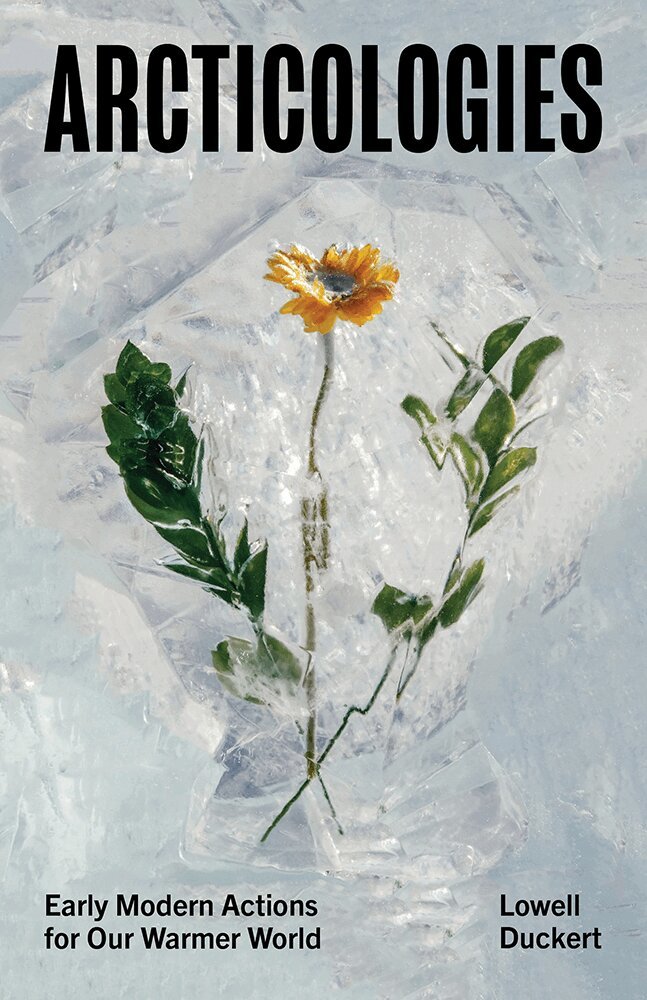
Exploring the frozen past to rethink our warming future Do we really know what cold is? In Arcticologies, Lowell Duckert delves into early modern European texts to trace how representations of frigidity from the sixteenth and seventeenth centuries have contributed to historical understandings of climate and contemporary debates on climate change. Arguing that human culture and science are, in fact, indebted to the cold, Duckert suggests that these early depictions offer critical terms for advancing the aims of climate-change activism and assisting in counterapocalyptic thinking. An imaginative and intellectual journey, Arcticologies reveals the enduring role of cold in wide-ranging storytelling traditions. It draws on Shakespeare’s Hamlet and Othello and the works of Thomas Dekker, RenÉ Descartes, and Thomas Hobbes and is informed throughout by contemporary Indigenous writing, including that of Sheila Watt-Cloutier and Leanne Betasamosake Simpson. In reflecting on these assorted accounts, Duckert sees cold as not only an environmental hardship but a source of cultural creativity and resilience, highlighting moments of collaboration between humans and the icy world, from arctic exploration to urban fairs on frozen rivers. Cold, Duckert makes clear, is more than the absence of warmth. Situating our contemporary obsession with impending planetary meltdown within the mazelike arcticologies of the past, Duckert shows how early modern cold brought about forms of curiosity, vocabulary, and interspecies relationality that can serve us today. In doing so, he asks us to identify what has been lost and who is at risk in today’s thinning cold-while also urging us to imagine alternative futures focused not on inevitable and total collapse but on adaptation and preserving what remains.
357 kr
Skickas inom 7-10 vardagar
Exploring the frozen past to rethink our warming future Do we really know what cold is? In Arcticologies, Lowell Duckert delves into early modern European texts to trace how representations of frigidity from the sixteenth and seventeenth centuries have contributed to historical understandings of climate and contemporary debates on climate change. Arguing that human culture and science are, in fact, indebted to the cold, Duckert suggests that these early depictions offer critical terms for advancing the aims of climate-change activism and assisting in counterapocalyptic thinking. An imaginative and intellectual journey, Arcticologies reveals the enduring role of cold in wide-ranging storytelling traditions. It draws on Shakespeare’s Hamlet and Othello and the works of Thomas Dekker, RenÉ Descartes, and Thomas Hobbes and is informed throughout by contemporary Indigenous writing, including that of Sheila Watt-Cloutier and Leanne Betasamosake Simpson. In reflecting on these assorted accounts, Duckert sees cold as not only an environmental hardship but a source of cultural creativity and resilience, highlighting moments of collaboration between humans and the icy world, from arctic exploration to urban fairs on frozen rivers. Cold, Duckert makes clear, is more than the absence of warmth. Situating our contemporary obsession with impending planetary meltdown within the mazelike arcticologies of the past, Duckert shows how early modern cold brought about forms of curiosity, vocabulary, and interspecies relationality that can serve us today. In doing so, he asks us to identify what has been lost and who is at risk in today’s thinning cold-while also urging us to imagine alternative futures focused not on inevitable and total collapse but on adaptation and preserving what remains.