Lu Ann Homza - Böcker
Visar alla böcker från författaren Lu Ann Homza. Handla med fri frakt och snabb leverans.
9 produkter
9 produkter
Del 5 - Iberian Encounter and Exchange, 475–1755
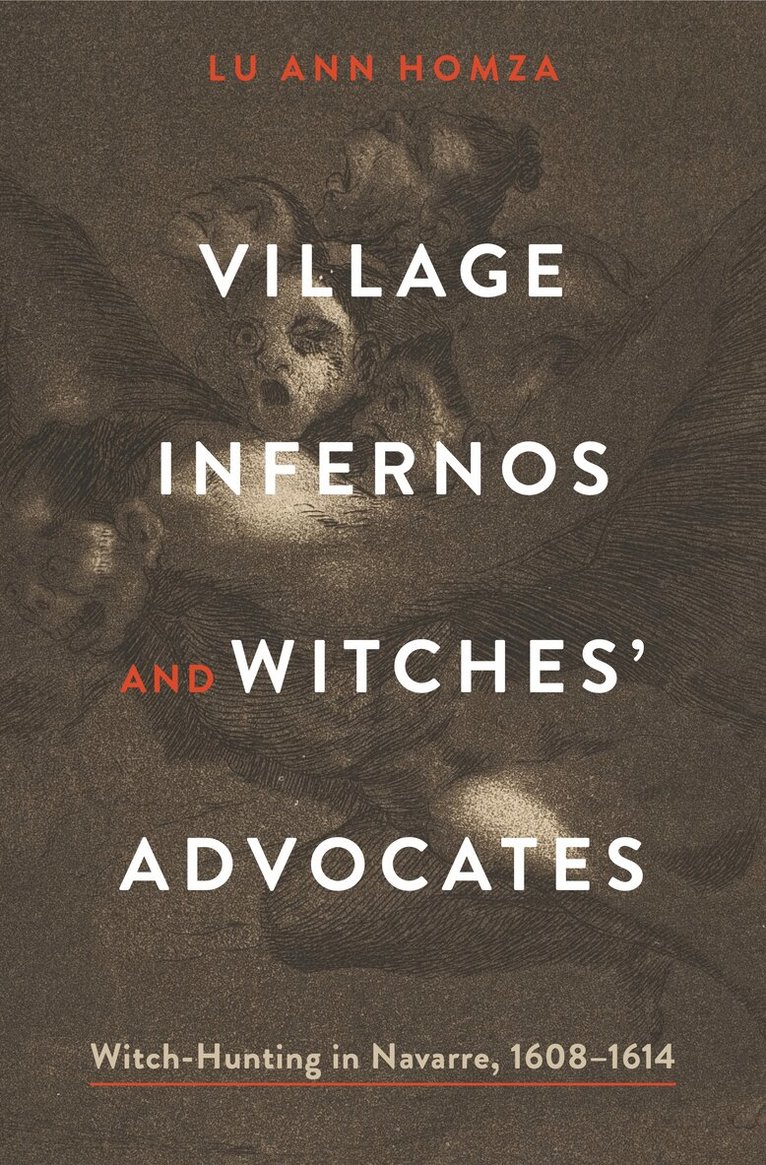
Village Infernos and Witches’ Advocates
Witch-Hunting in Navarre, 1608–1614
Inbunden, Engelska, 2022
1 139 kr
Skickas inom 7-10 vardagar
This book revises what we thought we knew about one of the most famous witch hunts in European history. Between 1608 and 1614, thousands of witchcraft accusations were leveled against men, women, and children in the northern Spanish kingdom of Navarre. The Inquisition intervened quickly but incompetently, and the denunciations continued to accelerate. As the phenomenon spread, children began to play a crucial role. Not only were they reportedly victims of the witches’ harmful magic, but hundreds of them also insisted that witches were taking them to the Devil’s gatherings against their will. Presenting important archival discoveries, Lu Ann Homza restores the perspectives of illiterate, Basque-speaking individuals to the history of this shocking event and demonstrates what could happen when the Spanish Inquisition tried to take charge of a liminal space. Because the Spanish Inquisition was the body putting those accused of witchcraft on trial, modern scholars have depended upon Inquisition sources for their research. Homza’s groundbreaking book combines new readings of the Inquisitional evidence with fresh archival finds from non-Inquisitional sources, including local secular and religious courts, and from notarial and census records. Expanding our understanding of this witch hunt as well as the history of children, community norms, and legal expertise in early modern Europe, Village Infernos and Witches’ Advocates is required reading for students and scholars of the Spanish Inquisition and the history of witchcraft in early modern Europe.
Del 5 - Iberian Encounter and Exchange, 475–1755
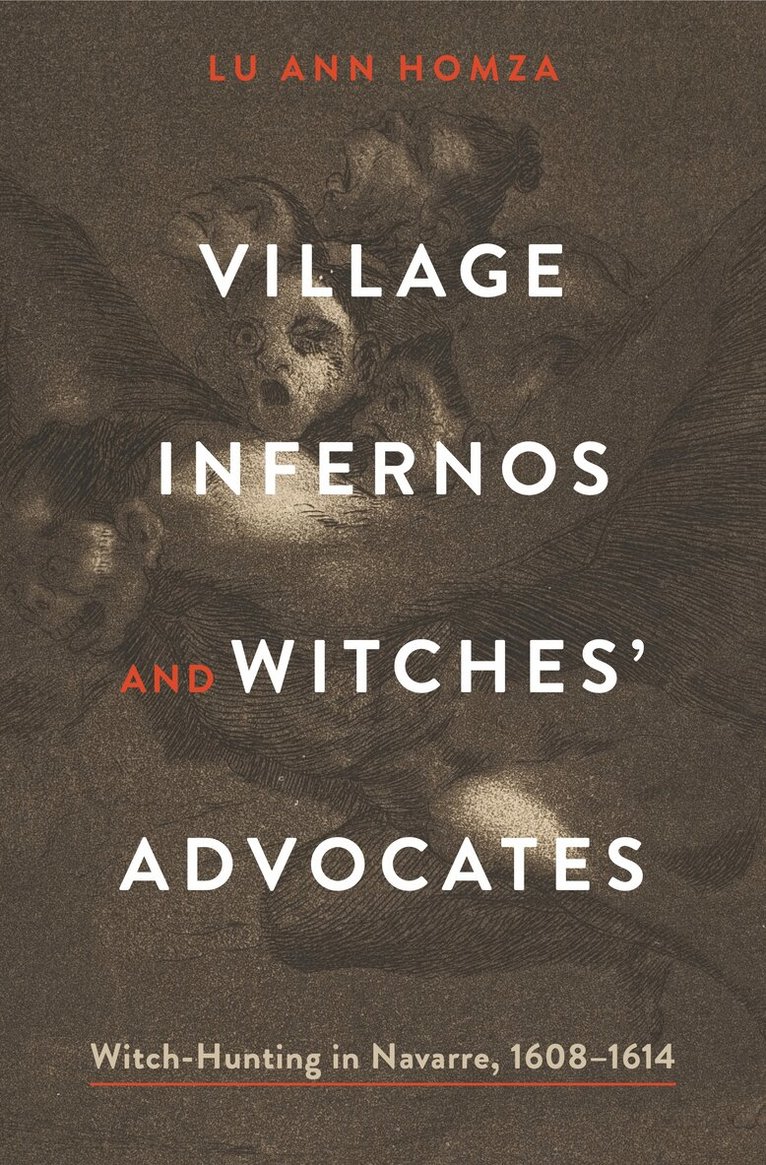
Village Infernos and Witches’ Advocates
Witch-Hunting in Navarre, 1608–1614
Häftad, Engelska, 2023
384 kr
Skickas inom 7-10 vardagar
This book revises what we thought we knew about one of the most famous witch hunts in European history. Between 1608 and 1614, thousands of witchcraft accusations were leveled against men, women, and children in the northern Spanish kingdom of Navarre. The Inquisition intervened quickly but incompetently, and the denunciations continued to accelerate. As the phenomenon spread, children began to play a crucial role. Not only were they reportedly victims of the witches’ harmful magic, but hundreds of them also insisted that witches were taking them to the Devil’s gatherings against their will. Presenting important archival discoveries, Lu Ann Homza restores the perspectives of illiterate, Basque-speaking individuals to the history of this shocking event and demonstrates what could happen when the Spanish Inquisition tried to take charge of a liminal space. Because the Spanish Inquisition was the body putting those accused of witchcraft on trial, modern scholars have depended upon Inquisition sources for their research. Homza’s groundbreaking book combines new readings of the Inquisitional evidence with fresh archival finds from non-Inquisitional sources, including local secular and religious courts, and from notarial and census records. Expanding our understanding of this witch hunt as well as the history of children, community norms, and legal expertise in early modern Europe, Village Infernos and Witches’ Advocates is required reading for students and scholars of the Spanish Inquisition and the history of witchcraft in early modern Europe.
237 kr
Skickas inom 7-10 vardagar
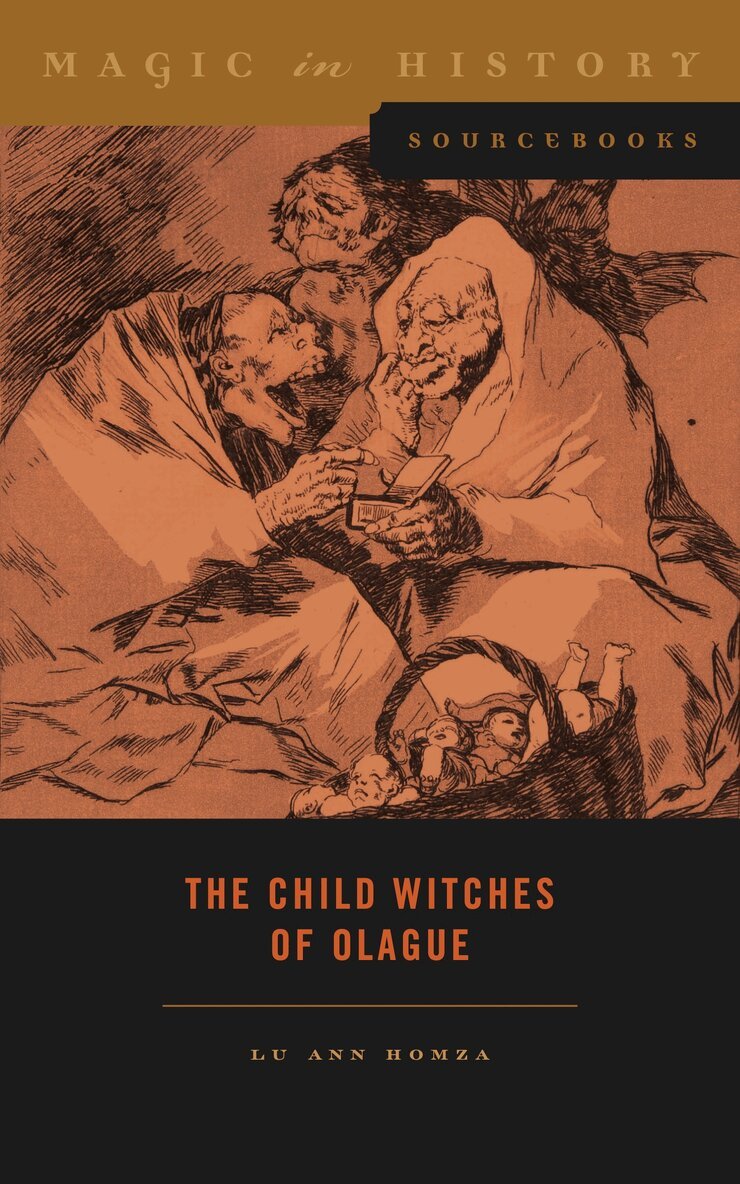
In the early seventeenth century, thousands of children in Spain’s Navarre region claimed to have been bewitched. The Child Witches of Olague features the legal depositions of self-described child witches as well as their parents and victims. The volume sheds new light on Navarre’s massive witch persecution (1608–14), illuminating the tragic cost of witch hunts and opening a new window onto our understanding of early modern Iberian life. Drawing from Spanish-language sources only recently discovered, Homza translates and annotates three court cases from Olague in 1611 and 1612. Two were defamation trials involving the slur “witch,” and the third was a petition for divorce filed by an accused witch and wife. These cases give readers rare access to the voices of illiterate children in the early modern period. They also speak to the emotions of witch-hunting, with testimony about enraged, terrified parents turning to vigilante justice against neighbors. Together the cases highlight gender norms of the time, the profound honor code of early modern Navarre, and the power of children to alter adult lives. With translations of Inquisition correspondence and printed pamphlets added for context, The Child Witches of Olague offers a portrait of witch-hunting as a horrific, contagious process that fractured communities. This riveting, one-of-a-kind book will appeal to anyone interested in the history of witch hunts, life in early modern Spain, and history as revealed through court testimony.
740 kr
Skickas inom 7-10 vardagar
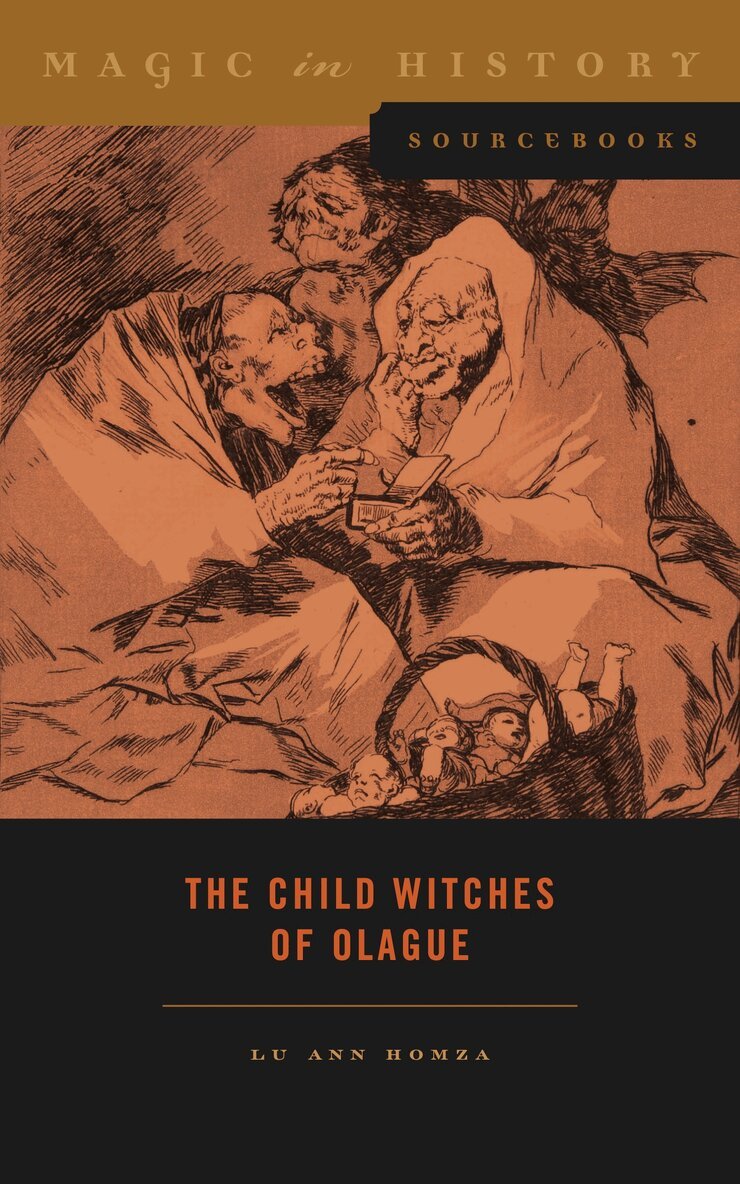
In the early seventeenth century, thousands of children in Spain’s Navarre region claimed to have been bewitched. The Child Witches of Olague features the legal depositions of self-described child witches as well as their parents and victims. The volume sheds new light on Navarre’s massive witch persecution (1608–14), illuminating the tragic cost of witch hunts and opening a new window onto our understanding of early modern Iberian life. Drawing from Spanish-language sources only recently discovered, Homza translates and annotates three court cases from Olague in 1611 and 1612. Two were defamation trials involving the slur “witch,” and the third was a petition for divorce filed by an accused witch and wife. These cases give readers rare access to the voices of illiterate children in the early modern period. They also speak to the emotions of witch-hunting, with testimony about enraged, terrified parents turning to vigilante justice against neighbors. Together the cases highlight gender norms of the time, the profound honor code of early modern Navarre, and the power of children to alter adult lives. With translations of Inquisition correspondence and printed pamphlets added for context, The Child Witches of Olague offers a portrait of witch-hunting as a horrific, contagious process that fractured communities. This riveting, one-of-a-kind book will appeal to anyone interested in the history of witch hunts, life in early modern Spain, and history as revealed through court testimony.
Del 118 - The Johns Hopkins University Studies in Historical and Political Science
Religious Authority in the Spanish Renaissance
Häftad, Engelska, 2004
433 kr
Skickas inom 5-8 vardagar
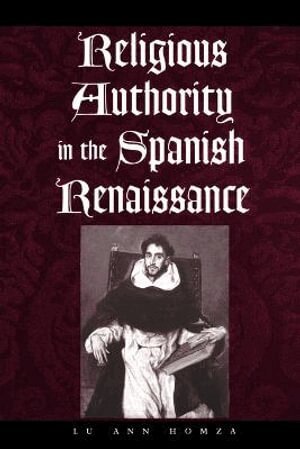
In Religious Authority in the Spanish Renaissance, Lu Ann Homza rejects the traditional view of the Spanish Renaissance as a battle of strict opposites in favor of a more nuanced history. Through analyses of Inquisition trials, biblical translations, treatises on witchcraft, and tracts on the episcopate and penance, Homza illuminates the intellectual autonomy and energy of Spain's ecclesiastics, exploring the flexibility and inconsistency in their preferences for humanism or scholasticism, preferences which have long been thought to be steadfast.
1 228 kr
Skickas inom 7-10 vardagar
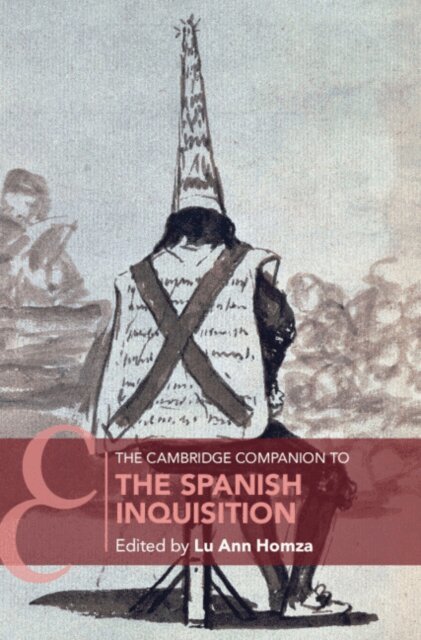
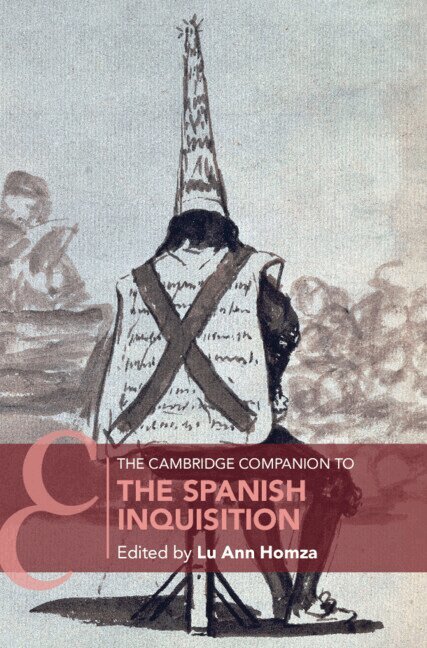
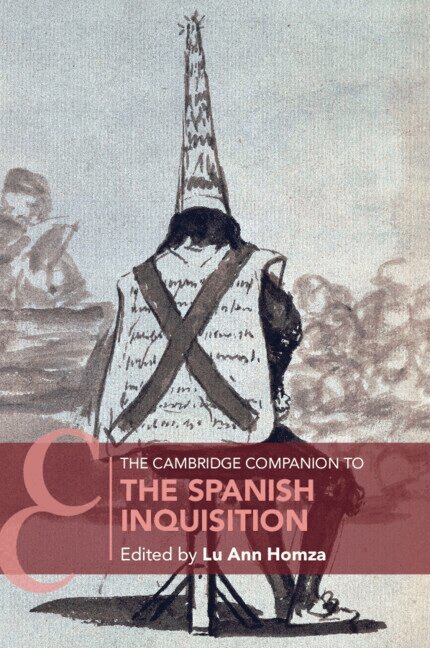
Founded in 1478 and not permanently abolished until 1834, the Spanish Inquisition has always been a notorious institution in history as an engine of religious and racial persecution. Yet, Spaniards themselves did not create its legal processes or its theoretical mission, which was to reconcile heretics to the Catholic Church. In this volume, leading international scholars assess the origins, legal practices, victims, reach, and failures of Spanish inquisitors across centuries and geographies. Grounded in recent scholarship and archival research, the chapters explore the Inquisition's medieval precedents as well as its turbulent foundation and eradication. The volume examines how inquisitors changed their targets over time, and how literal physical settings could affect their investigations and prosecutions. Contributors also demonstrate how deeply Spanish inquisitors cared about social status and legal privilege, and explore the scandals that could envelop inquisitors and their employees. In doing so, this volume offers a nuanced, contextual understanding of the Spanish Inquisition as a historical phenomenon.
370 kr
Skickas inom 7-10 vardagar
Founded in 1478 and not permanently abolished until 1834, the Spanish Inquisition has always been a notorious institution in history as an engine of religious and racial persecution. Yet, Spaniards themselves did not create its legal processes or its theoretical mission, which was to reconcile heretics to the Catholic Church. In this volume, leading international scholars assess the origins, legal practices, victims, reach, and failures of Spanish inquisitors across centuries and geographies. Grounded in recent scholarship and archival research, the chapters explore the Inquisition's medieval precedents as well as its turbulent foundation and eradication. The volume examines how inquisitors changed their targets over time, and how literal physical settings could affect their investigations and prosecutions. Contributors also demonstrate how deeply Spanish inquisitors cared about social status and legal privilege, and explore the scandals that could envelop inquisitors and their employees. In doing so, this volume offers a nuanced, contextual understanding of the Spanish Inquisition as a historical phenomenon.
590 kr
Skickas inom 10-15 vardagar
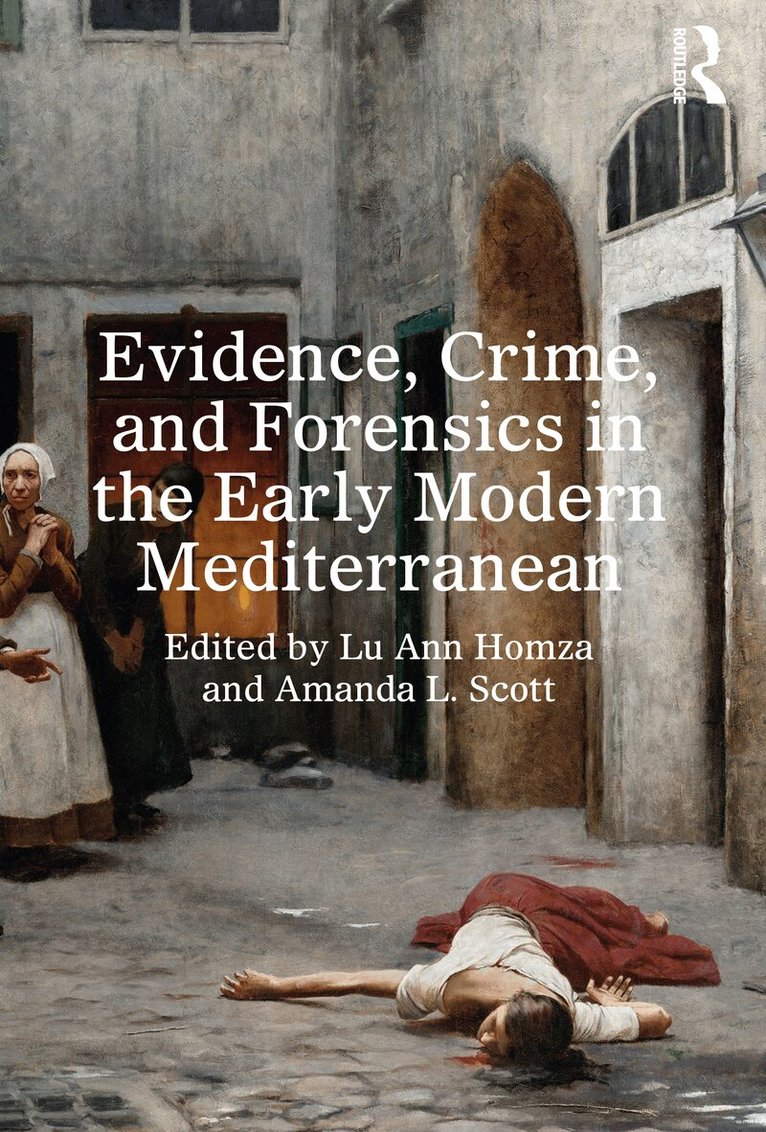
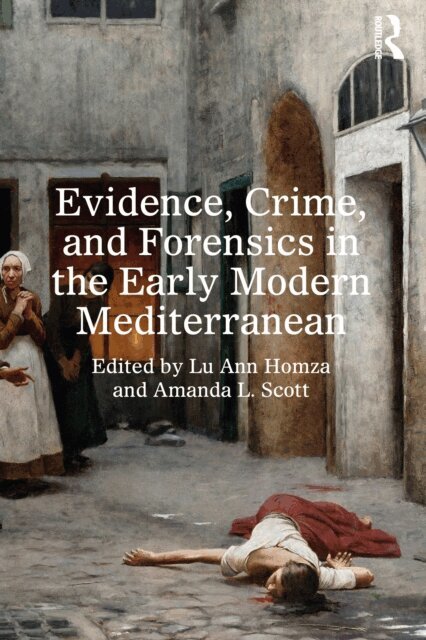
Recent historians have pinpointed the ways in which legal systems in early modern Europe were improvisational, flexible, and contingent rather than immovable, hierarchical, and gendered. Evidence, Crime, and Forensics in the Early Modern Mediterranean amplifies such findings by looking at law and its consumers in the Mediterranean, broadly imagined, between 1500 and 1750. The volume’s essays enhance our awareness of how crimes were defined, evidence was offered, and forensic awareness appeared in secular, inquisitorial, and specially commissioned courts in Spain, Italy, and the Hapsburg Balkans.This collection threads an important needle: our authors recognize formal chains of command and legal commonplaces but nonetheless emphasize how such factors could be challenged, manipulated, or ignored by illiterate and vulnerable populations. It turns out that ordinary individuals in the early modern Mediterranean did not find themselves limited in their legal options, and their degree of sophistication in court speaks volumes about networks of legal knowledge. Furthermore, in no way does the use of the courts between 1500 and 1750 imply more “rational” ways of seeking justice, since emotions were always firmly on display, even if rage and regret were being deployed for performative reasons.Evidence, Crime, and Forensics in the Early Modern Mediterranean illustrates the range of questions we can put to archival sources from the early modern Mediterranean, with plentiful insights as to how legal sources can illuminate history from below. This collection will be a welcome addition for undergraduate and graduate courses on European history, as well as a provocative resource for more general audiences.
2 159 kr
Skickas inom 10-15 vardagar
Recent historians have pinpointed the ways in which legal systems in early modern Europe were improvisational, flexible, and contingent rather than immovable, hierarchical, and gendered. Evidence, Crime, and Forensics in the Early Modern Mediterranean amplifies such findings by looking at law and its consumers in the Mediterranean, broadly imagined, between 1500 and 1750. The volume’s essays enhance our awareness of how crimes were defined, evidence was offered, and forensic awareness appeared in secular, inquisitorial, and specially commissioned courts in Spain, Italy, and the Hapsburg Balkans.This collection threads an important needle: our authors recognize formal chains of command and legal commonplaces but nonetheless emphasize how such factors could be challenged, manipulated, or ignored by illiterate and vulnerable populations. It turns out that ordinary individuals in the early modern Mediterranean did not find themselves limited in their legal options, and their degree of sophistication in court speaks volumes about networks of legal knowledge. Furthermore, in no way does the use of the courts between 1500 and 1750 imply more “rational” ways of seeking justice, since emotions were always firmly on display, even if rage and regret were being deployed for performative reasons.Evidence, Crime, and Forensics in the Early Modern Mediterranean illustrates the range of questions we can put to archival sources from the early modern Mediterranean, with plentiful insights as to how legal sources can illuminate history from below. This collection will be a welcome addition for undergraduate and graduate courses on European history, as well as a provocative resource for more general audiences.