LuAnn Wandsnider - Böcker
Visar alla böcker från författaren LuAnn Wandsnider. Handla med fri frakt och snabb leverans.
4 produkter
4 produkter
1 749 kr
Skickas inom 10-15 vardagar
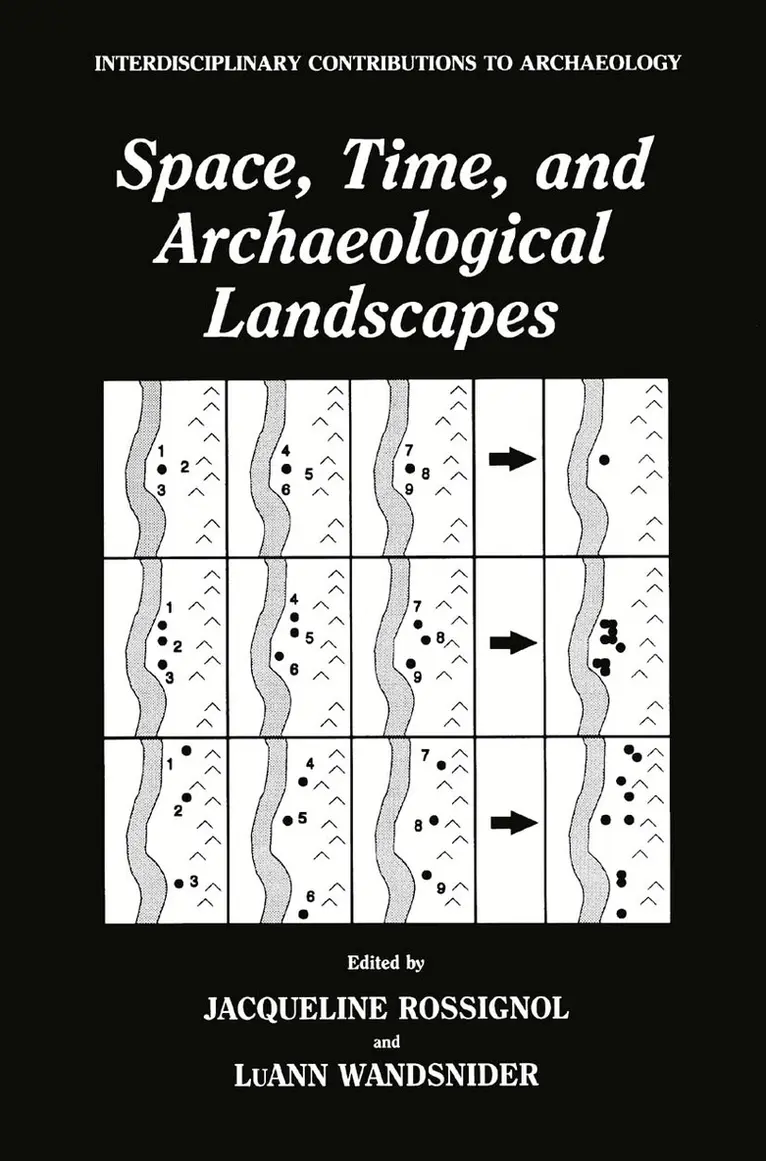
The last 20 years have witnessed a proliferation of new approaches in archaeolog ical data recovery, analysis, and theory building that incorporate both new forms of information and new methods for investigating them. The growing importance of survey has meant an expansion of the spatial realm of traditional archaeological data recovery and analysis from its traditional focus on specific locations on the landscape-archaeological sites-to the incorporation of data both on-site and off-site from across extensive regions. Evolving survey methods have led to experiments with nonsite and distributional data recovery as well as the critical evaluation of the definition and role of archaeological sites in data recovery and analysis. In both survey and excavation, the geomorphological analysis of land scapes has become increasingly important in the analysis of archaeological ma terials. Ethnoarchaeology-the use of ethnography to sharpen archaeological understanding of cultural and natural formation processes-has concentrated study on the formation processes underlying the content and structure of archae ological deposits. These actualistic studies consider patterns of deposition at the site level and the material results of human organization at the regional scale. Ethnoarchaeological approaches have also affected research in theoretical ways by expanding investigation into the nature and organization of systems of land use per se, thus providing direction for further study of the material results of those systems.
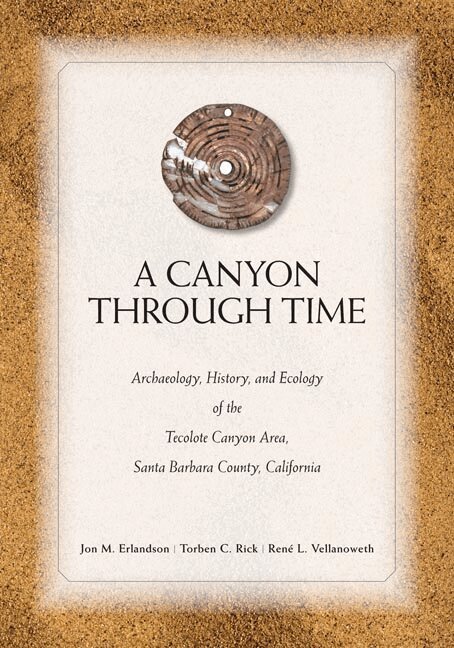
Canyon Through Time
Archaeology, History, and Ecology of the Tecolote Canyon Area, Santa Barbara County, California
Häftad, Engelska, 2008
305 kr
Skickas inom 11-20 vardagar
Long a refuge for bootleggers and hobos, Tecolote Canyon was engulfed by an industrialized oil boom for twenty years beginning in the 1930s, and endured the only Japanese attack on the contiguous U.S. during World War II. In the postindustrial era, the lower canyon was a haven for surfers, nudists, and gravediggers before being transformed into a five-star resort in the 1990s. But this beautiful area of California’s Santa Barbara coast has been occupied by humans for at least 9,000 years.Known by the Chumash Indians as Hel’apunitse (guitar fish), the canyon was a major nexus of Chumash village life from about 2000 to 500 years ago. After the arrival of Europeans, the canyon passed from Chumash hands through successive Spanish, Mexican, and American administrations.In A Canyon through Time, the authors summarize the deep history of this beautiful canyon, which serves as a fascinating history in microcosm of the California coastal region. Using data from archaeology, ecology, geology, geography, and history, they weave an interdisciplinary tale of the natural and human prehistory and history of the Tecolote Canyon area.
1 749 kr
Skickas inom 10-15 vardagar
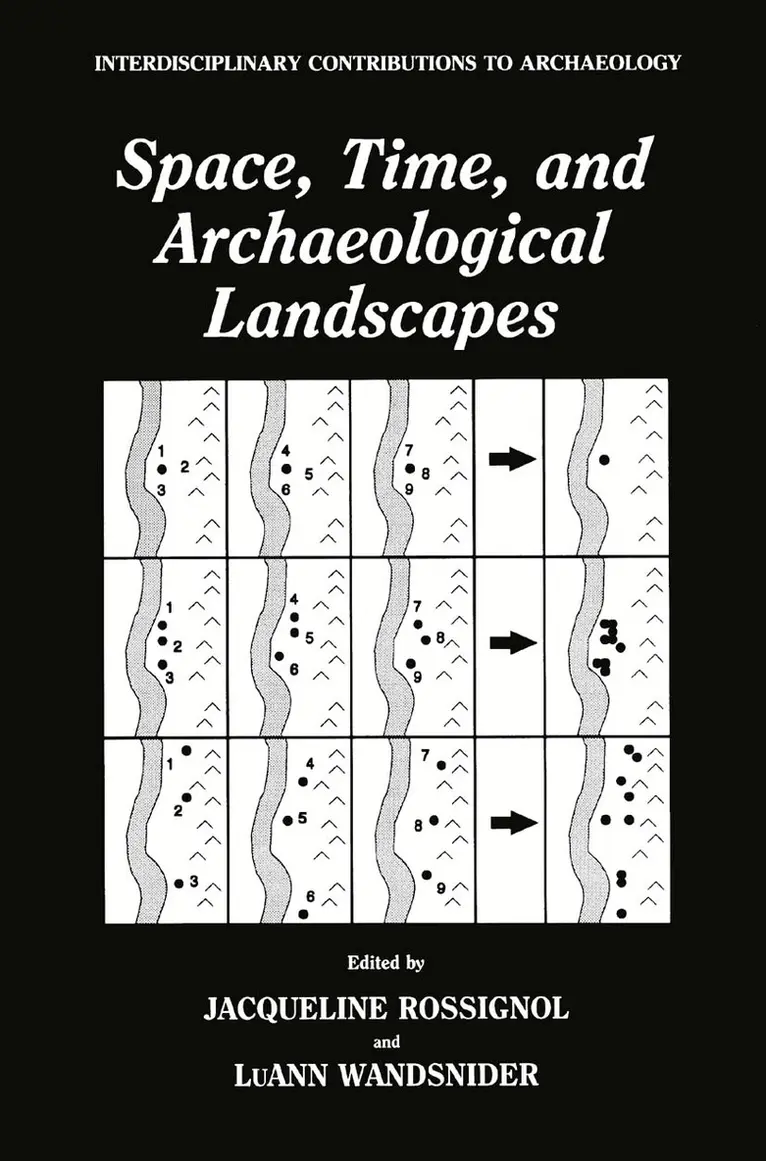
The last 20 years have witnessed a proliferation of new approaches in archaeolog ical data recovery, analysis, and theory building that incorporate both new forms of information and new methods for investigating them. The growing importance of survey has meant an expansion of the spatial realm of traditional archaeological data recovery and analysis from its traditional focus on specific locations on the landscape-archaeological sites-to the incorporation of data both on-site and off-site from across extensive regions. Evolving survey methods have led to experiments with nonsite and distributional data recovery as well as the critical evaluation of the definition and role of archaeological sites in data recovery and analysis. In both survey and excavation, the geomorphological analysis of land scapes has become increasingly important in the analysis of archaeological ma terials. Ethnoarchaeology-the use of ethnography to sharpen archaeological understanding of cultural and natural formation processes-has concentrated study on the formation processes underlying the content and structure of archae ological deposits. These actualistic studies consider patterns of deposition at the site level and the material results of human organization at the regional scale. Ethnoarchaeological approaches have also affected research in theoretical ways by expanding investigation into the nature and organization of systems of land use per se, thus providing direction for further study of the material results of those systems.
699 kr
Skickas inom 5-8 vardagar
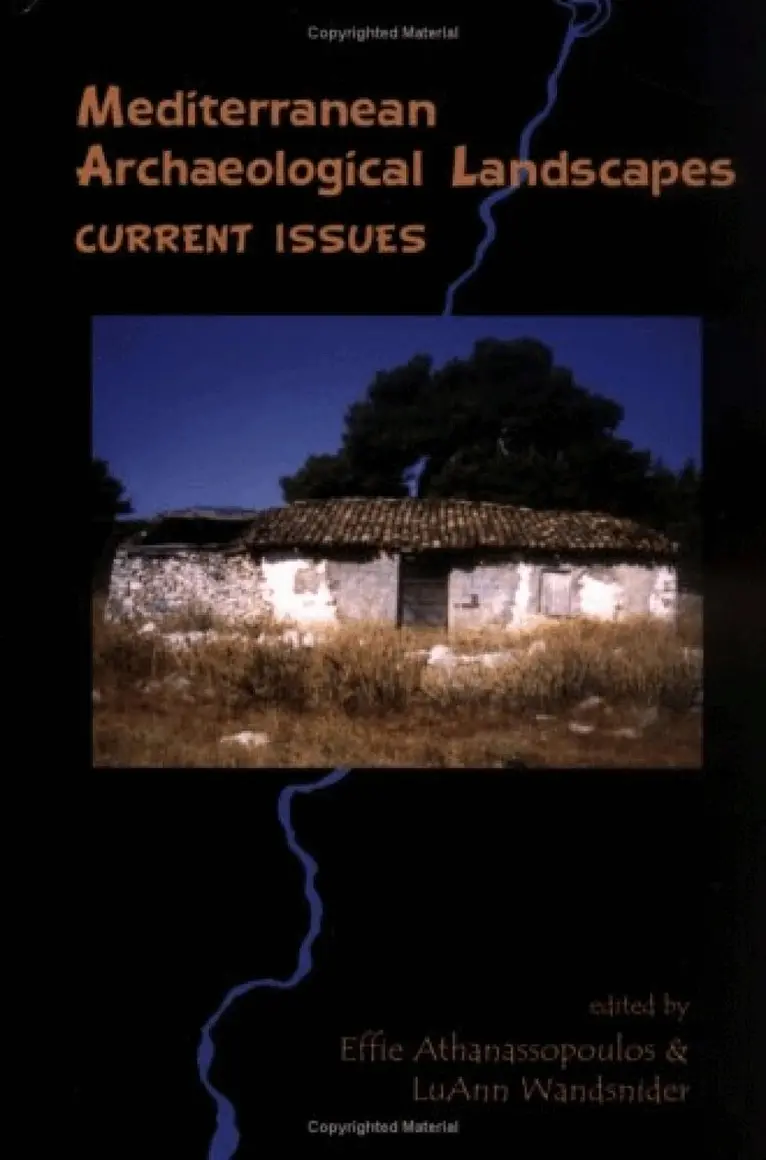
The Mediterranean landscape record is recognized for its length and richness and the opportunity it offers to study the interaction between humans and their landscape. This volume explores a variety of current archaeological issues in the context of specific landscapes from southern Spain through Greece and Cyprus to Jordan and from antiquity to recent times. Over the last 25 years, researchers have initiated a dramatic expansion in theoretical approaches-both anthropological and classical. Over the same time span, a huge volume of field survey projects has been carried out in the Mediterranean arena. The contributors to Mediterranean Archaeological Landscapes take stock of what has been learned, identify lacunae, and consider new approaches to our understanding of the rich surface landscape record of the Mediterranean. Their goal is to explore theoretically diverse interpretative themes and the methods that make those approachable.