Luca Graverini - Böcker
Visar alla böcker från författaren Luca Graverini. Handla med fri frakt och snabb leverans.
5 produkter
5 produkter
1 863 kr
Skickas inom 5-8 vardagar
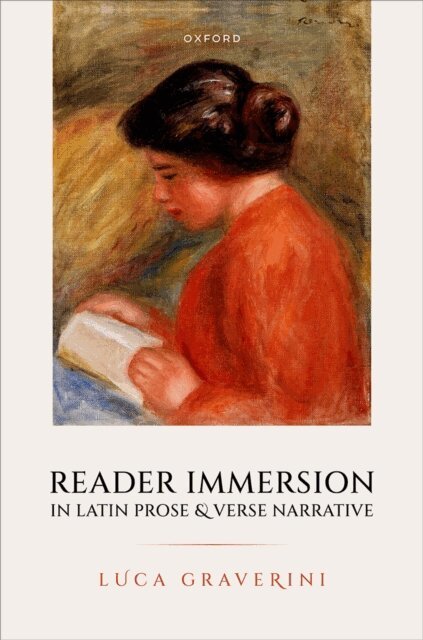
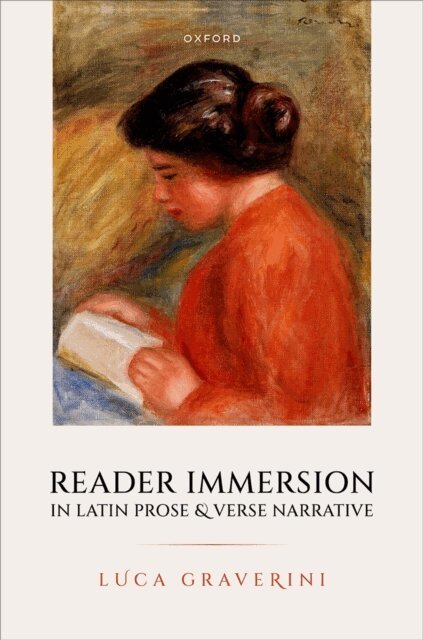
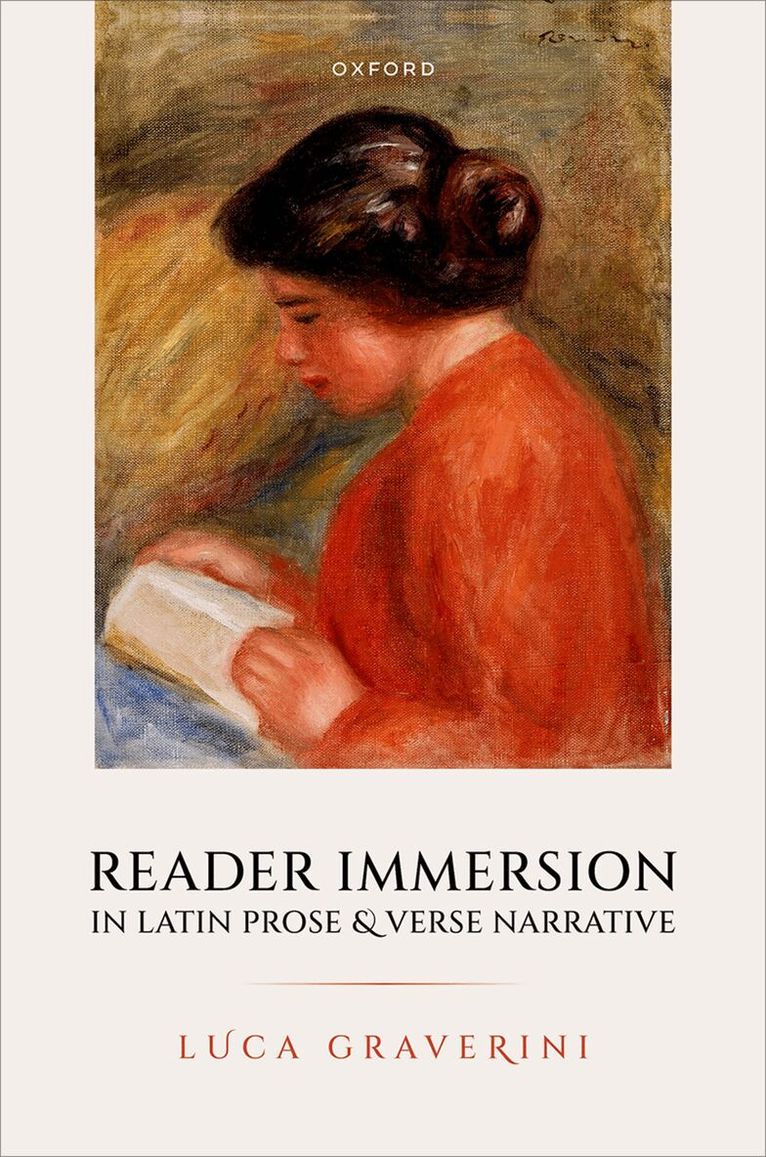
Immersion used to be disregarded by academic scholarship as a secondary aspect of ancient narrative. It was mostly considered typical of a passive reading style unworthy of intellectual consideration. However, the study of the immersive strategies adopted by ancient authors can often reveal intriguing and sometimes unsuspected layers of sophistication in their works. This makes a valuable contribution to our understanding of ancient literary culture.This is the first monograph that thoroughly analyses how Latin authors of narrative encourage their readers' immersion in the fictional world--an aspect of fictional literature that is essential to fully understand the artistry and sophistication of many ancient texts. Immersed readers of fiction experience the narrative world and its inhabitants-the fictional characters-as if they were to some extent real. This experience affects the readers' visual imagination, but also their emotional reactions, physical sensations, enactive responses, and interpretive activities; deeply engaging texts adopt various strategies to boost all these aspects of the reading experience they afford. The book mobilizes the resources and methods of several scholarly approaches, both traditional and new, to explore these strategies in ancient prose and verse narratives. Detailed analysis of language and style is combined with a careful consideration of the more general features of ancient literary genres; narratology joins forces with the study of emotions and with neurocognitive perspectives. Reader immersion is a pervasive aspect of all kinds of narrative literature, but it is more prominent in some texts than in others. In this study, Luca Graverini analyses a broad range of ancient narrative works, spanning several centuries and different literary genres. In purely chronological order, these include the comedies of Plautus, the Aeneid of Vergil, the Metamorphoses of Ovid, the tragedies of Seneca, the Satyrica of Petronius, and the Metamorphoses of Apuleius. The interpretive approach adopted in this monograph can attract the interest of many readers with different backgrounds and working on different subjects.
725 kr
Skickas inom 10-15 vardagar
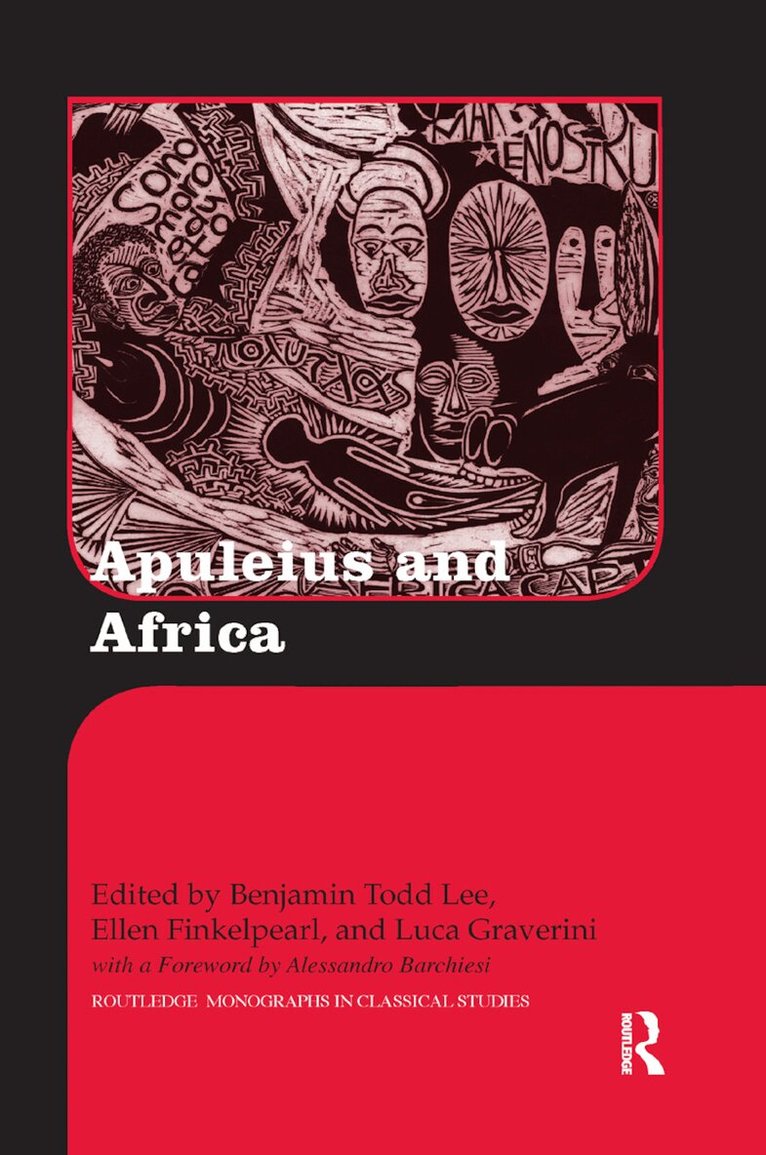
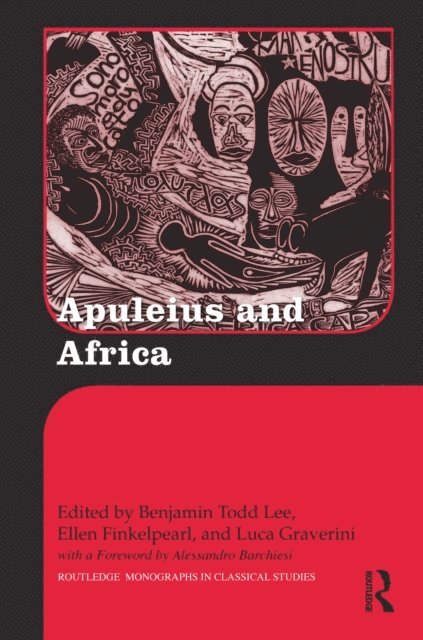
The Metamorphoses or Golden Ass of Apuleius (ca. 170 CE) is a Latin novel written by a native of Madauros in Roman North Africa, roughly equal to modern Tunisia together with parts of Libya and Algeria. Apuleius’ novel is based on the model of a lost Greek novel; it narrates the adventures of a Greek character with a Roman name who spends the bulk of the novel transformed into an animal, traveling from Greece to Rome only to end his adventures in the capital city of the empire as a priest of the Egyptian goddess Isis. Apuleius’ Florida and Apology deal more explicitly with the African provenance and character of their author while also demonstrating his complex interaction with Greek, Roman, and local cultures. Apuleius’ philosophical works raise other questions about Greek vs. African and Roman cultural identity. Apuleius in Africa addresses the problem of this intricate complex of different identities and its connection to Apuleius’ literary production. It especially emphasizes Apuleius’ African heritage, a heritage that has for the most part been either downplayed or even deplored by previous scholarship. The contributors include philologists, historians, and experts in material culture; among them are some of the most respected scholars in their fields. The chapters give due attention to all elements of Apuleius’ oeuvre, and break new ground both on the interpretation of Apuleius’ literary production and on the culture of the Roman Empire in the second century. The volume also includes a modern, sub-Saharan contribution in which "Africa" mainly means Mediterranean Africa.
2 478 kr
Skickas inom 10-15 vardagar
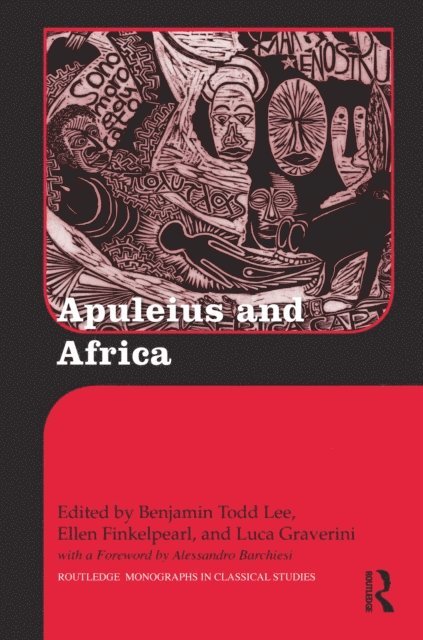
The Metamorphoses or Golden Ass of Apuleius (ca. 170 CE) is a Latin novel written by a native of Madauros in Roman North Africa, roughly equal to modern Tunisia together with parts of Libya and Algeria. Apuleius’ novel is based on the model of a lost Greek novel; it narrates the adventures of a Greek character with a Roman name who spends the bulk of the novel transformed into an animal, traveling from Greece to Rome only to end his adventures in the capital city of the empire as a priest of the Egyptian goddess Isis. Apuleius’ Florida and Apology deal more explicitly with the African provenance and character of their author while also demonstrating his complex interaction with Greek, Roman, and local cultures. Apuleius’ philosophical works raise other questions about Greek vs. African and Roman cultural identity. Apuleius in Africa addresses the problem of this intricate complex of different identities and its connection to Apuleius’ literary production. It especially emphasizes Apuleius’ African heritage, a heritage that has for the most part been either downplayed or even deplored by previous scholarship. The contributors include philologists, historians, and experts in material culture; among them are some of the most respected scholars in their fields. The chapters give due attention to all elements of Apuleius’ oeuvre, and break new ground both on the interpretation of Apuleius’ literary production and on the culture of the Roman Empire in the second century. The volume also includes a modern, sub-Saharan contribution in which "Africa" mainly means Mediterranean Africa.
737 kr
Skickas inom 5-8 vardagar
2 148 kr
Kommande