Lucas Bessire – författare
Visar alla böcker från författaren Lucas Bessire. Handla med fri frakt och snabb leverans.
5 produkter
5 produkter
244 kr
Skickas inom 7-10 vardagar
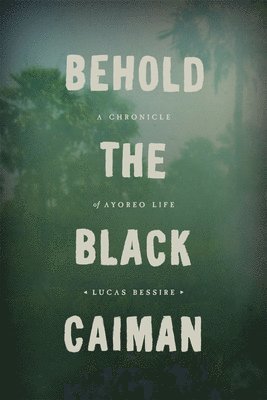
In 2004, one of the world's last bands of voluntarily isolated nomads left behind their ancestral life in the dwindling thorn forests of northern Paraguay, fleeing ranchers' bulldozers. Behold the Black Caiman is Lucas Bessire's intimate chronicle of the journey of this small group of Ayoreo people, the terrifying new world they now face, and the precarious lives they are piecing together against the backdrop of soul - collecting missionaries, humanitarian NGOs, late liberal economic policies, and the highest deforestation rate in the world. Drawing on ten years of fieldwork, Bessire highlights the stark disconnect between the desperate conditions of Ayoreo life for those out of the forest and the well-funded global efforts to preserve those Ayoreo still living in it. By showing how this disconnect reverberates within Ayoreo bodies and minds, his reflexive account takes aim at the devastating consequences of our society's continued obsession with the primitive and raises important questions about anthropology's potent capacity to further or impede indigenous struggles for sovereignty.The result is a timely update to the classic literary ethnographies of South America, a sustained critique of the so-called ontological turn - one of anthropology's hottest trends - and, above all, an urgent call for scholars and activists alike to rethink their notions of difference.
228 kr
Skickas inom 7-10 vardagar
Finalist for the National Book AwardAn intimate reckoning with aquifer depletion in America's heartlandThe Ogallala aquifer has nourished life on the American Great Plains for millennia. But less than a century of unsustainable irrigation farming has taxed much of the aquifer beyond repair. The imminent depletion of the Ogallala and other aquifers around the world is a defining planetary crisis of our times. Running Out offers a uniquely personal account of aquifer depletion and the deeper layers through which it gains meaning and force.Anthropologist Lucas Bessire journeyed back to western Kansas, where five generations of his family lived as irrigation farmers and ranchers, to try to make sense of this vital resource and its loss. His search for water across the drying High Plains brings the reader face to face with the stark realities of industrial agriculture, eroding democratic norms, and surreal interpretations of a looming disaster. Yet the destination is far from predictable, as the book seeks to move beyond the words and genres through which destruction is often known. Instead, this journey into the morass of eradication offers a series of unexpected discoveries about what it means to inherit the troubled legacies of the past and how we can take responsibility for a more inclusive, sustainable future.An urgent and unsettling meditation on environmental change, Running Out is a revelatory account of family, complicity, loss, and what it means to find your way back home.
165 kr
Skickas inom 7-10 vardagar
Finalist for the National Book AwardAn intimate reckoning with aquifer depletion in America's heartlandThe Ogallala aquifer has nourished life on the American Great Plains for millennia. But less than a century of unsustainable irrigation farming has taxed much of the aquifer beyond repair. The imminent depletion of the Ogallala and other aquifers around the world is a defining planetary crisis of our times. Running Out offers a uniquely personal account of aquifer depletion and the deeper layers through which it gains meaning and force.Anthropologist Lucas Bessire journeyed back to western Kansas, where five generations of his family lived as irrigation farmers and ranchers, to try to make sense of this vital resource and its loss. His search for water across the drying High Plains brings the reader face to face with the stark realities of industrial agriculture, eroding democratic norms, and surreal interpretations of a looming disaster. Yet the destination is far from predictable, as the book seeks to move beyond the words and genres through which destruction is often known. Instead, this journey into the morass of eradication offers a series of unexpected discoveries about what it means to inherit the troubled legacies of the past and how we can take responsibility for a more inclusive, sustainable future.An urgent and unsettling meditation on environmental change, Running Out is a revelatory account of family, complicity, loss, and what it means to find your way back home.
402 kr
Skickas inom 7-10 vardagar
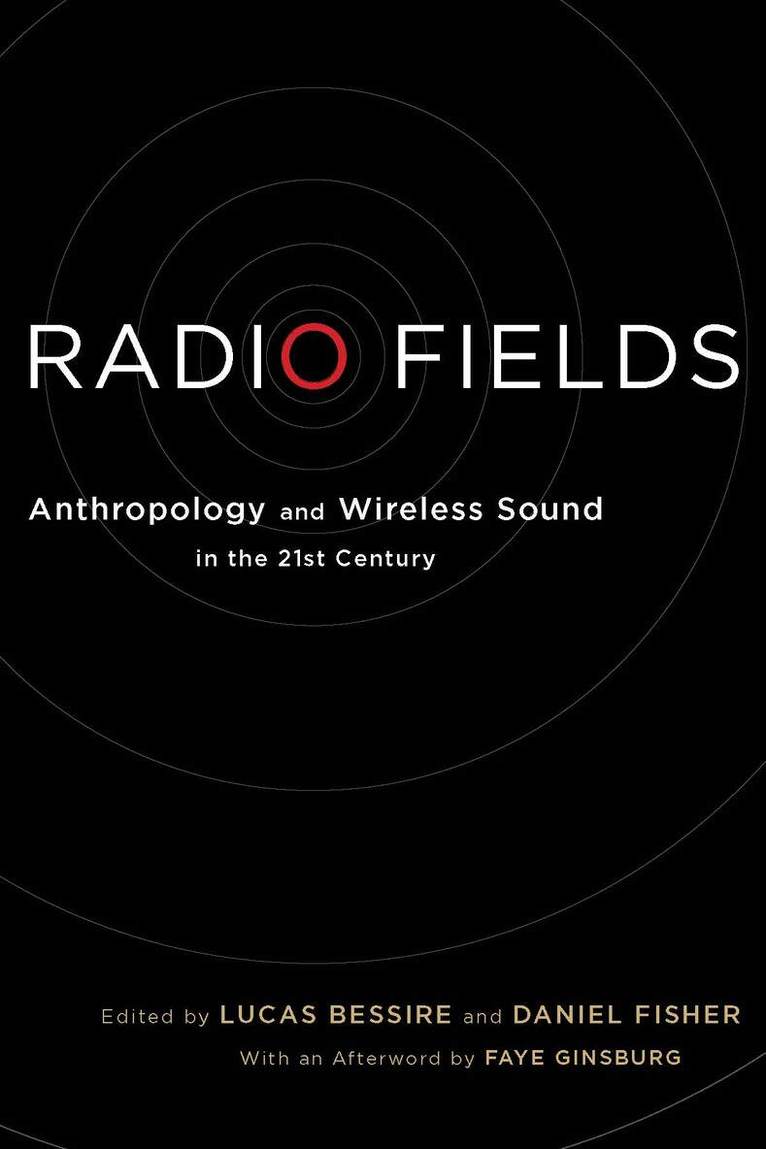
Radio is the most widespread electronic medium in the world today. As a form of technology that is both durable and relatively cheap, radio remains central to the everyday lives of billions of people around the globe. It is used as a call for prayer in Argentina and Appalachia, to organize political protest in Mexico and Libya, and for wartime communication in Iraq and Afghanistan. In urban centers it is played constantly in shopping malls, waiting rooms, and classrooms. Yet despite its omnipresence, it remains the media form least studied by anthropologists. Radio Fields employs ethnographic methods to reveal the diverse domains in which radio is imagined, deployed, and understood. Drawing on research from six continents, the volume demonstrates how the particular capacities and practices of radio provide singular insight into diverse social worlds, ranging from aboriginal Australia to urban Zambia. Together, the contributors address how radio creates distinct possibilities for rethinking such fundamental concepts as culture, communication, community, and collective agency.
916 kr
Skickas inom 10-15 vardagar
Radio is the most widespread electronic medium in the world today. As a form of technology that is both durable and relatively cheap, radio remains central to the everyday lives of billions of people around the globe. It is used as a call for prayer in Argentina and Appalachia, to organize political protest in Mexico and Libya, and for wartime communication in Iraq and Afghanistan. In urban centers it is played constantly in shopping malls, waiting rooms, and classrooms. Yet despite its omnipresence, it remains the media form least studied by anthropologists. Radio Fields employs ethnographic methods to reveal the diverse domains in which radio is imagined, deployed, and understood. Drawing on research from six continents, the volume demonstrates how the particular capacities and practices of radio provide singular insight into diverse social worlds, ranging from aboriginal Australia to urban Zambia. Together, the contributors address how radio creates distinct possibilities for rethinking such fundamental concepts as culture, communication, community, and collective agency.