Lucy Jessop - Böcker
Visar alla böcker från författaren Lucy Jessop. Handla med fri frakt och snabb leverans.
3 produkter
3 produkter
49 kr
Skickas
256 kr
Skickas inom 7-10 vardagar
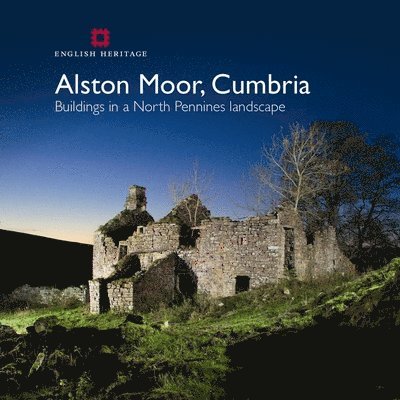
Alston Moor is a large rural parish in Cumbria which historically both depended upon and provided important services for the agricultural and mineral industries of the North Pennines.Much of the area's settlement is dispersed among hamlets and single farmsteads. Isolated from major northern cities such as Carlisle and Newcastle by the surrounding hills and moors, the parish's wild upland landscape provides a conditioning influence on a distinctive tradition of vernacular building types, ranging from the bastle to its later 18th- and 19th-century derivatives and 'mine shops' providing lodgings for miners close to their place of work. Found across the parish, and with urban variants present in Alston itself, these buildings have in common first-floor living accommodation whilst the ground floor is used for cow-byres in more rural areas and for general storage, workshops and shops in urban and industrial contexts. This development of the bastle, a fortified house type found on both sides of the Anglo-Saxon border is nationally significant yet remains under-examined at the level of architectural and historical synthesis. This publication presents an informed account of Alston Moor's vernacular buildings from their earliest survival onwards, and sets them within their regional and national context. It explores how houses of various types combine with a rich legacy of public and industrial buildings to create places of distinctive character. It takes a whole-landscape view of the area, relating its buildings and settlements to the wider patterns of landscape evolution resulting from agricultural and industrial activity and the development of communications.
264 kr
Skickas inom 7-10 vardagar
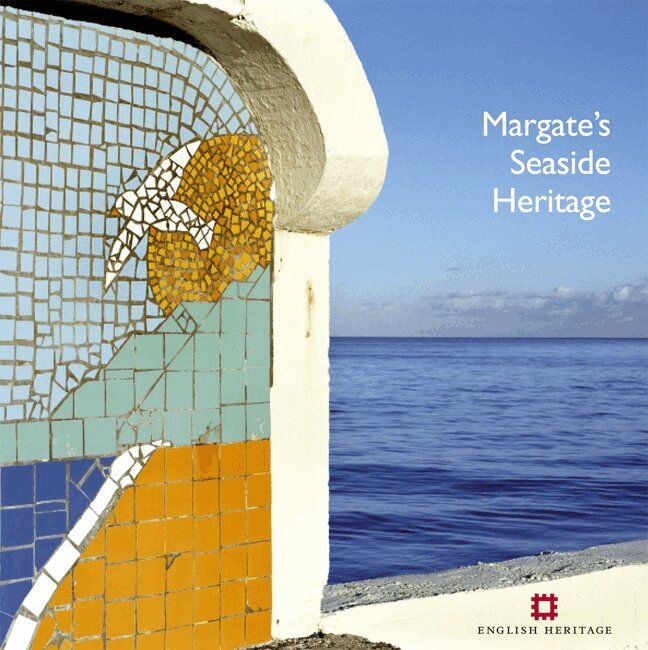
The seaside holiday and the seaside resort are two of England’s greatest exports to the world. Since the early 18th century, when some of the wealthiest people first sought improved health by bathing in saltwater, the lure of the sea has been a fundamental part of the British way of life, and millions of people still head to the coast each year. Margate has an important place in the story of seaside holidays. It vies with Scarborough, Whitby and Brighton for the title of England’s first seaside resort, and it was the first to offer sea-water baths to visitors. Margate can also claim other firsts, including the first Georgian square built at a seaside resort (Cecil Square), the first substantial seaside development outside the footprint of an historic coastal town, the site of the world’s first sea-bathing hospital, and, as a result of its location along the Thames from London, the first popular resort frequented by middle- and lower-middle-class holidaymakers. It is unlikely that Margate will ever attract the vast numbers of visitors that flocked there in the 19th and early 20th centuries. However, with growing concerns about the environmental effects of air travel and a continuing awareness of the threat of excessive exposure to the sun, the English seaside holiday may enjoy some form of revival. If Margate finds ways to renew itself while retaining its historic identity, it may once again become a vibrant destination for holidays, as well as being an attractive place for people to live and work.