Lucy McMurdo - Böcker
Visar alla böcker från författaren Lucy McMurdo. Handla med fri frakt och snabb leverans.
11 produkter
11 produkter
167 kr
Skickas
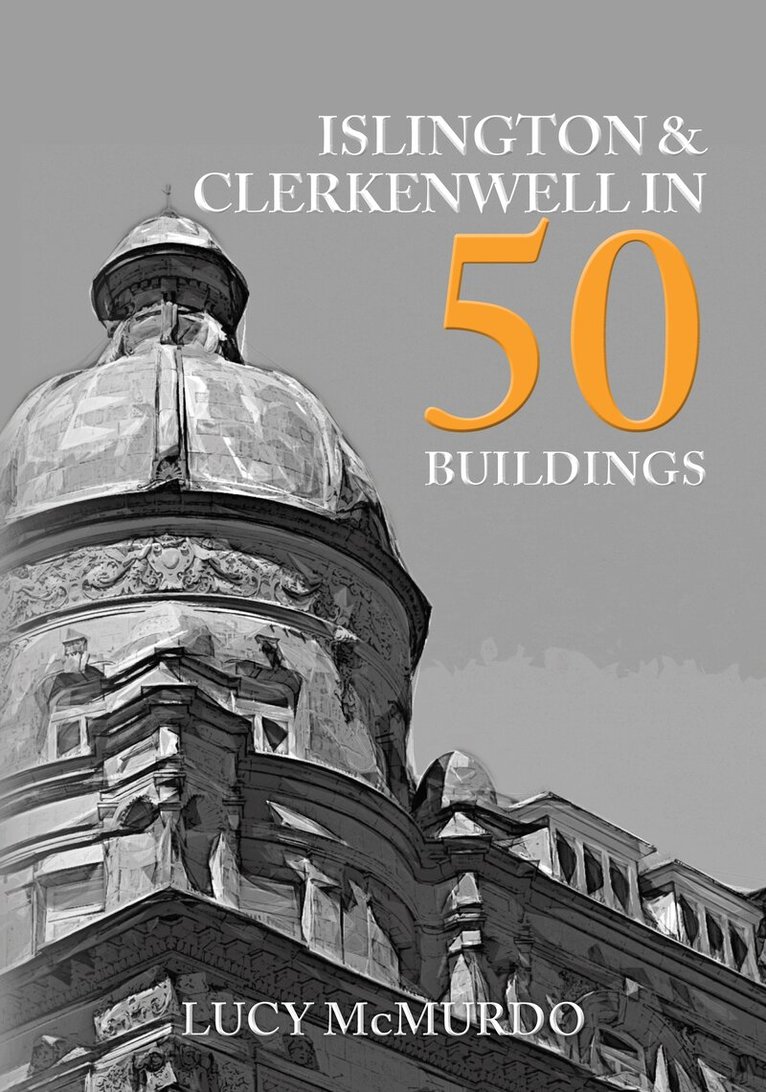
The London districts of Islington and Clerkenwell are charming to explore. Within their streets are the greatest variety of architectural styles, ranging from Tudor, Georgian and Victorian to modernist and contemporary twenty-first-century design.In Islington & Clerkenwell in 50 Buildings, author Lucy McMurdo presents a well-illustrated and engaging perspective of the rich architectural heritage of both areas. Islington has a wonderful vibrancy. Its main thoroughfare of Upper Street overflows with bars, restaurants, cafés, pubs and clubs, giving rise to the nickname ‘Supper Street’. Hostelries have lined this street for centuries. It was here, on the main route into the capital, that herdsmen bringing cattle and sheep to Smithfield broke their journey from the north. Until the growth of industry in the 1800s, Islington was renowned for its river, springs and meadows, and a recreational destination for hunters and archers. Industrialisation resulted in an increasing population, transforming Islington’s character and replacing fields with terraced houses, Georgian squares, gin distilleries, warehouses, depots and factories.Neighbouring Clerkenwell has always been more densely populated. Until the 1530s it was famous for its monastery, priory and nunnery and, in the late 1600s, it was a haven for French Huguenot immigrants, and later refugees and workers from Ireland, Prussia and Italy. For hundreds of years the River Fleet acted as Clerkenwell’s main artery and, together with the district’s many springs, was a prime reason for the area’s development. The French Huguenots who settled here brought skills in watchmaking, precision engineering, printing, bookbinding and weaving – many of which are still found in the area today.
173 kr
Skickas inom 11-20 vardagar
Situated on opposite sides of the Thames, the ancient districts of Southwark and Blackfriars have played a crucial role in London’s political, social and religious activities throughout the centuries. Today, thousands of visitors flock here to enjoy the many famous pubs, theatres, galleries and museums.In this book, author Lucy McMurdo takes readers on an enjoyable and informative tour exploring the architectural heritage and treasures in these areas. Southwark was a key suburb of London from Roman times. Located outside the City walls and not subject to the City authorities, it became London’s prime entertainment zone and notorious for its four ‘P’s: pubs, prostitution, prisons and playhouses. Its riverbanks were lined with wharves, warehouses, factories and inns until the mid-twentieth century when London’s docks closed down. The area’s colourful history has not been forgotten, however. Many buildings remain and three literary giants, Shakespeare, Chaucer and Dickens, have great associations with Southwark.Blackfriars takes its name from the community of black-robed Dominican monks that settled here in the thirteenth century. Following the Dissolution of the Monasteries the priory land was reassigned and, in 1596, the entrepreneur James Burbage established Blackfriars Theatre. William Shakespeare and Burbage’s son, Robert, regularly appeared in plays here and Shakespeare purchased both a part share in the theatre and a house in nearby Ireland Yard. When Blackfriars Bridge opened in 1769, it not only immortalised the area’s name, but also connected the district to Southwark on the south bank of the Thames.This accessible and engaging perspective is illustrated throughout and will appeal to residents and visitors alike.
173 kr
Skickas
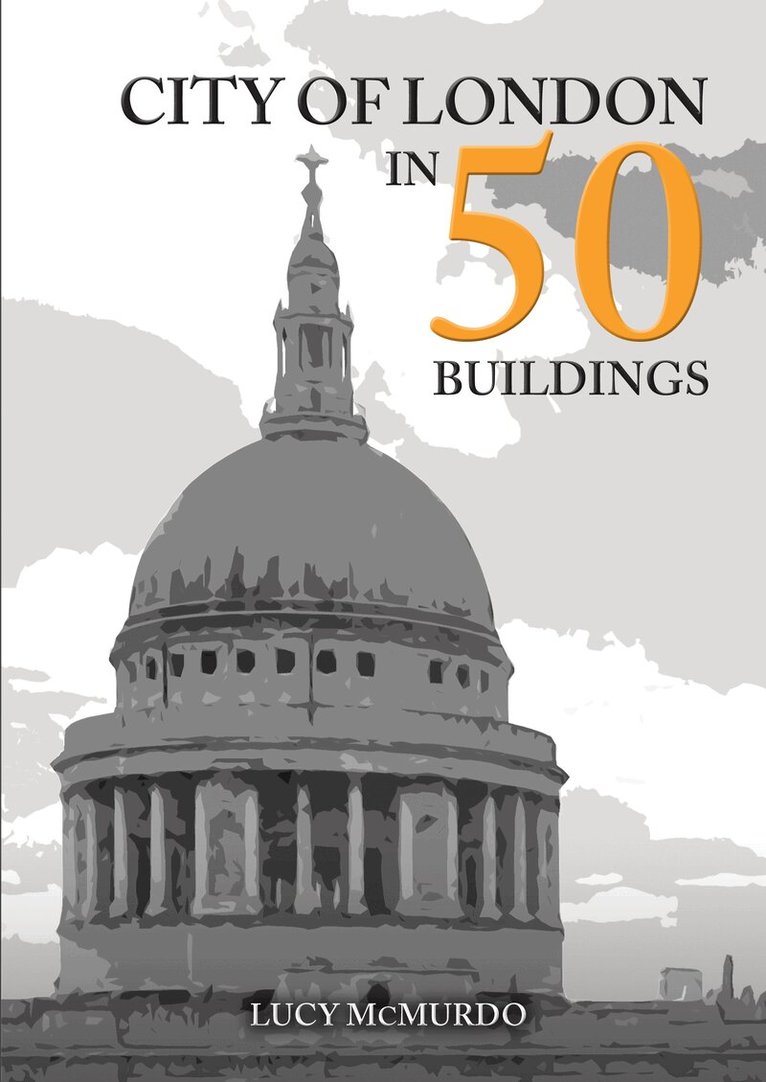
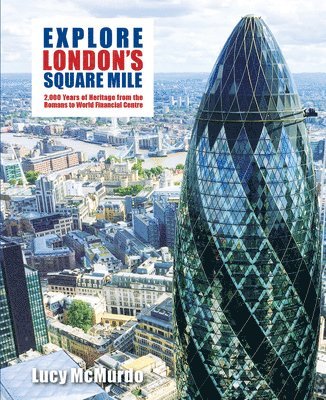
Despite a history stretching back almost 2,000 years, the City of London is one of the world’s most modern, booming and yet unspoiled places to visit. Today it is teeming with those who work in London’s international financial, legal and insurance industries. Catering to their every need, the tiny ‘Square Mile’ is full of fine-dining establishments, cafés, cocktail bars, clubs, cultural venues and historic pubs. With street names including Poultry, Cornhill and Cheapside, it is impossible to ignore the City’s long and colourful history as a major commercial hub. Stretches of Roman wall, fort, amphitheatre and bathhouse also provide constant reminders of its past.In this book, author Lucy McMurdo guides us on a fascinating tour highlighting fifty of the City’s architectural treasures and landmarks from across the centuries. The City has a reputation for pageantry and tradition. It has its own government and Lord Mayor and is home to many livery companies and guilds. Great institutions are also based here, such as the Bank of England and Stock Exchange, as are some exceptional historic churches. With buildings of every style, age and height the City is an exciting destination, for its skyline changes constantly with new office towers. Today, many of them offer free viewing on their upper floors, revealing the fabulous London panorama. From here you see the City’s complex layout: narrow streets, ancient and ultra-modern buildings as well as Tower Bridge and UNESCO World Heritage Site the Tower of London.Illustrated throughout, City of London in 50 Buildings offers a superb and engaging portrait of the rich architectural heritage of the Square Mile.
173 kr
Skickas
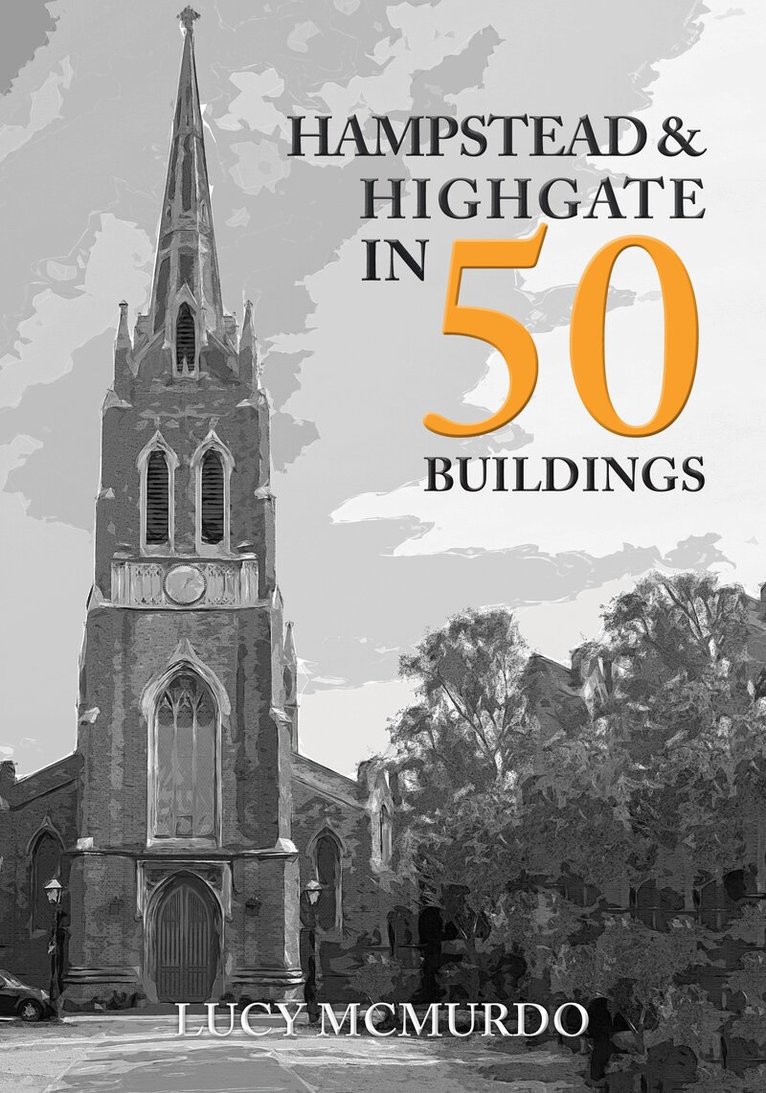
The two communities of Hampstead and Highgate, perched on London’s northern heights, are remarkable for their leafy, atmospheric narrow streets and stunning architecture. They act as a magnet to millionaires and superstars and boast some of the most exclusive and expensive addresses in London today. In this book, author Lucy McMurdo provides a well-illustrated and fascinating tour of the architectural highlights of both areas through the centuries.These desirable locations have been sought after not only for their clean air and waters, but for their magnificent views over the capital. People have settled here for hundreds of years and many of the shops and homes date back to the 1600s and 1700s. Evidence of Hampstead and Highgate’s historical importance is further demonstrated by the many ancient inns that line their streets, and remain in business today. Both areas have prosperous town centres and are full of boutiques, restaurants and bars. Their high streets continue to exude an air of luxury and wealth and attract many visitors.A major asset of these two ‘villages’ is their proximity to vast, open spaces such as Hampstead Heath with the magnificent Kenwood estate. Grand villas have always graced the heath’s perimeter and the houses of Keats and Freud are now open to the public. The graves and tombs of famous local residents are to be found in Highgate Cemetery, including authors, artists, musicians, writers, and even revolutionaries, such as Karl Marx.This accessible and engaging perspective will be of great interest to residents and visitors alike.
178 kr
Skickas
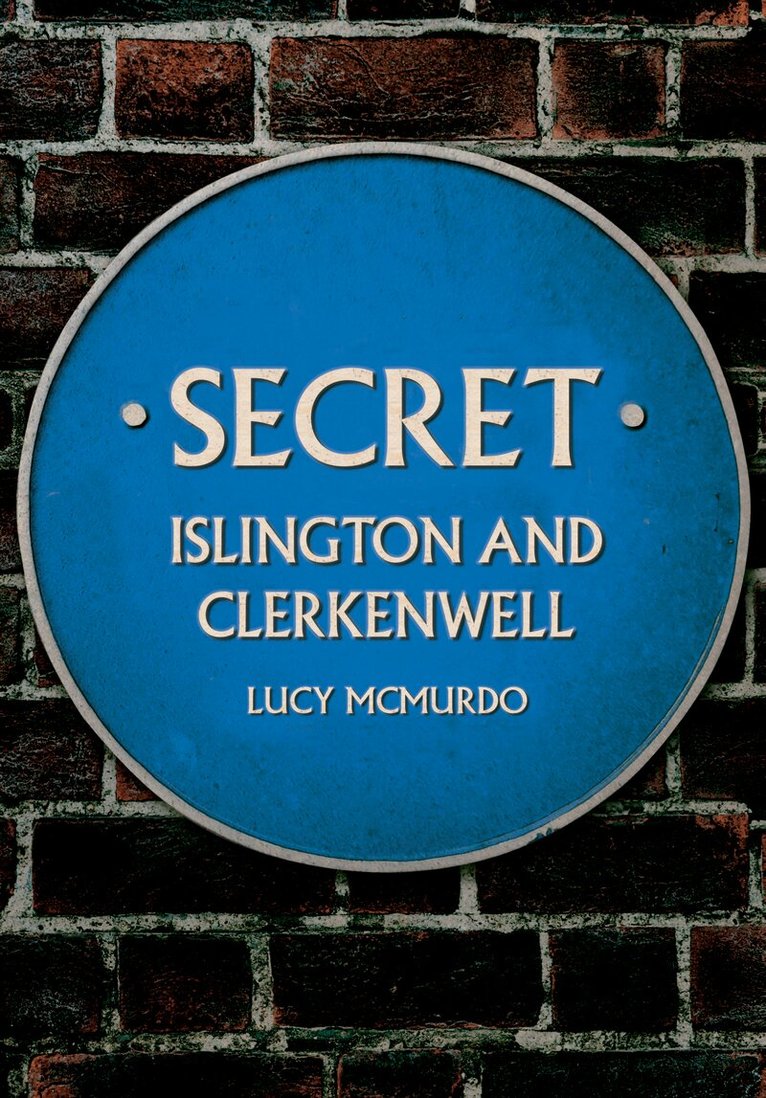
Secret Islington and Clerkenwell delves into this historic area’s often unknown but colourful past. It takes the reader on a fascinating journey from the time when these villages were rural communities up to the thriving, vibrant neighbourhoods they are today. You will discover what made the area initially so attractive to farmers and dairy maids, why so many monastic communities settled here in the Middle Ages, and how a seventeenth-century waterway supplying water to Londoners was not only built in the district but is still providing water to the capital today.This book highlights the role that great revolutionary figures such as Wat Tyler, Lenin, Mazzini and Garibaldi have played in Clerkenwell, as well as the contribution made by its very many immigrants, especially the Huguenots, Italian and Irish. You will discover how in the late 1800s extreme poverty and squalid living in unsanitary rookeries led to great criminal activity and how benevolent philanthropists stepped in to provide the local population with improved facilities and social housing.With tales of remarkable characters, unusual events and tucked-away or disappeared historical buildings and locations, this book will appeal to all those with an interest in the history of these areas of London.
173 kr
Skickas
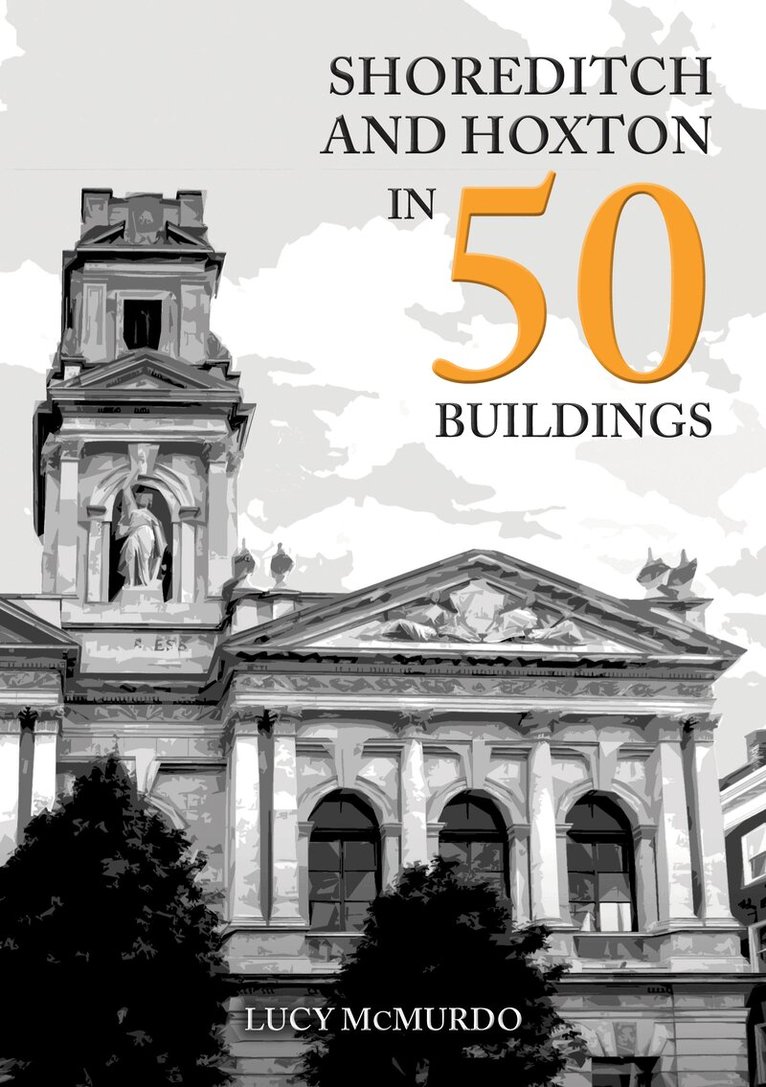
Shoreditch, including neighbouring Hoxton, has a fascinating history, and contains a magnificent variety of buildings. Many have been turned into workspaces, apartments, arts centres, antiques emporiums, restaurants, markets and museums, including the Museum of the Home (formerly the Geffrye Museum), which occupies eighteenth-century almshouses, and the Old Truman Brewery complex, which today is filled with a vintage market and food stalls. Round the corner, the Victorian Spitalfields Market still thrives, albeit no longer as a fruit and veg market but as a dining and retail shopping area, and in Brick Lane there is the Jamme Masjid Mosque, which started life as a church, became a synagogue and is now a focal point for many Muslims living in the area. Shoreditch is not only home to the very first London council estate – Boundary Estate – but is also a major centre of industry and commerce and many new structures are appearing.In addition to their architectural merits many of the buildings have a story to tell, whether it is a connection with Jack the Ripper or the lives of refugees and immigrants who have always lived in Shoreditch’s streets – Huguenot weavers, Jews escaping persecution in Eastern Europe and, more recently, the Bangladeshi community – as well as East End Londoners. Shoreditch and Hoxton are furthermore associated with entertainment dating back to Elizabethan London’s theatres and filled today with bars, restaurants, cafés, clubs and galleries.Shoreditch and Hoxton in 50 Buildings explores the history of this fascinating area of East London through a selection of its most interesting buildings and structures, showing the changes that have taken place over the years. The book will appeal to all those who live in Shoreditch and Hoxton or who have an interest in the area.
173 kr
Skickas
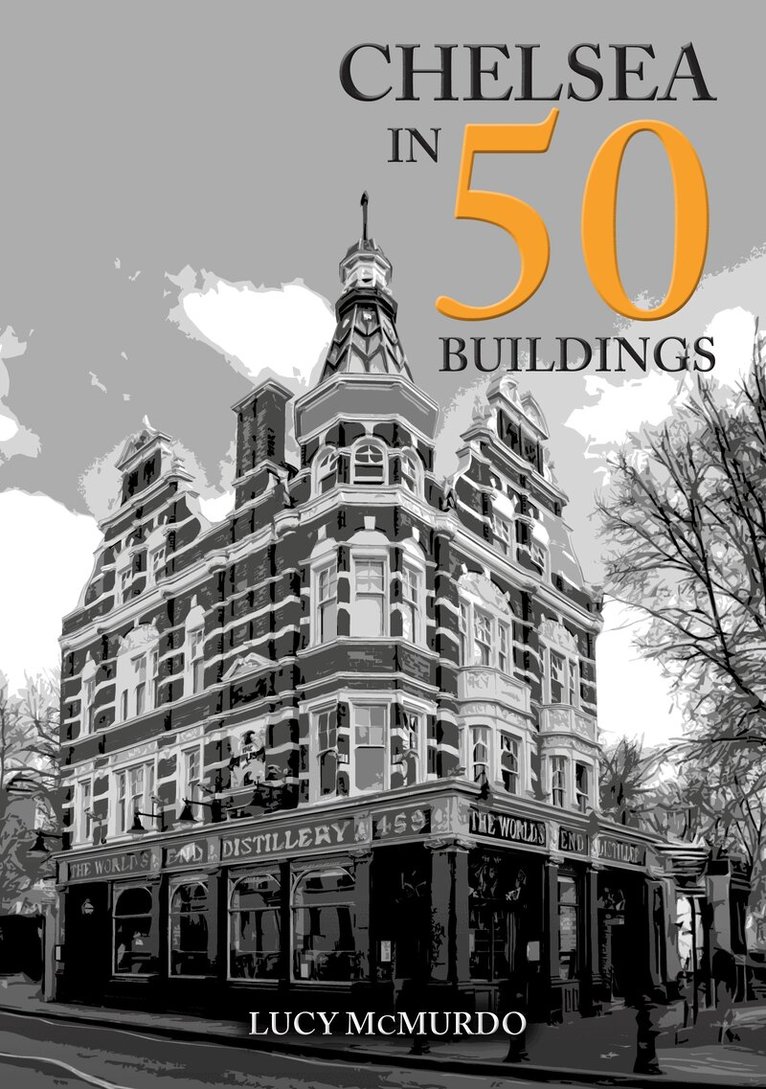
Chelsea has always been a district beloved by the influential and wealthy. Initially a small riverside village that centred around Chelsea Old Church, from the eighteenth century Chelsea mushroomed inland and the King’s Road, originally the private road of Charles II, became its main artery. New buildings replaced Chelsea’s market gardens and fields, and streets and squares were developed on what had been previously private estates. It became a popular artists’ colony and its bohemian reputation continued in post-war London when the King’s Road became a major fashion hub and Mary Quant and Vivienne Westwood established their boutiques. Its Old Town Hall has been the venue for fashionable weddings, and Chelsea’s many listed buildings, including the Royal Hospital designed by Wren and home to the Chelsea Flower show, designer shops, theatre, concert hall, the Saatchi Gallery in the Duke of York Headquarters and characterful pubs make it a delight to visit and explore.Chelsea in 50 Buildings unveils the history of this fascinating area of West London through a selection of its most interesting buildings and structures, showing the changes that have taken place over the years. This book will appeal to all those who live in Chelsea or who have an interest in the area.
173 kr
Skickas
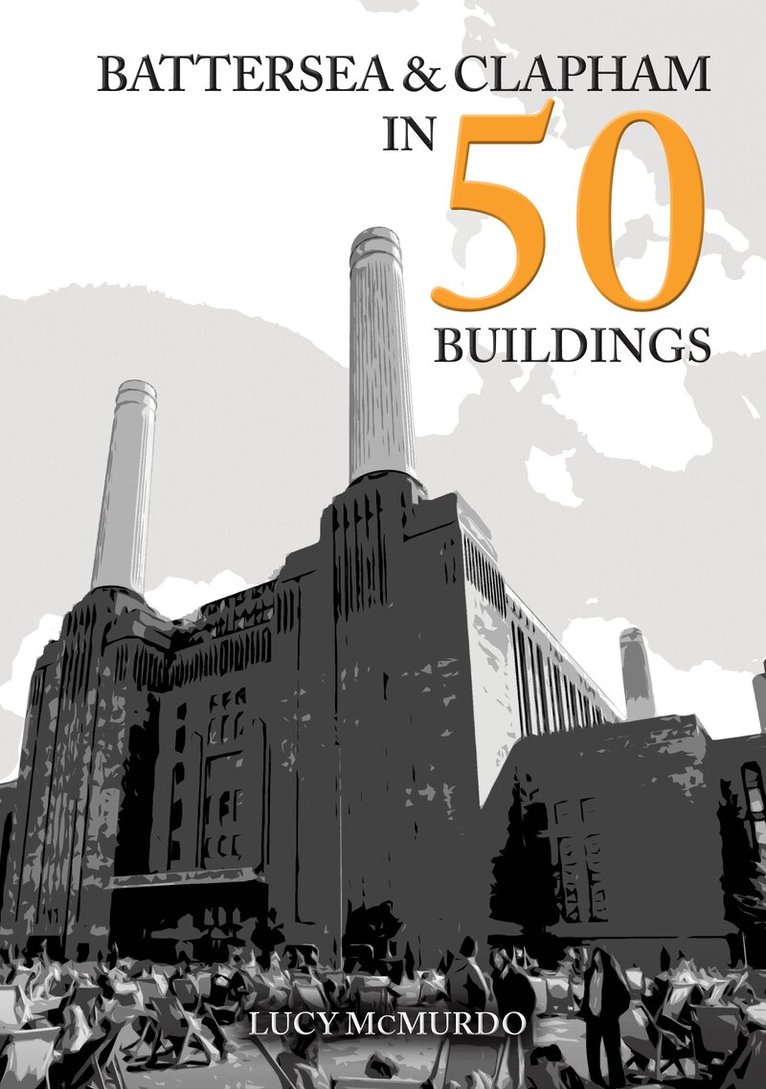
Clapham and Battersea, both medieval villages to the south-west of London, enjoy rich and fascinating histories. In time, Clapham became home to wealthy City merchants who built grand mansion houses around Clapham Common, and Battersea’s fortunes changed for the better with the building of a bridge across the Thames in the 1770s, ending its prior isolation. Both areas were to benefit greatly from the coming of the railway in the mid-1800s and then the Tube towards the end of the century, which established their suburbanisation and rapid development. Almost overnight, row upon row of Victorian terraced housing was built, as well as shops, pubs and entertainment venues. The construction of Clapham Junction station in Battersea resulted in the development of a thriving shopping area, including Arding & Hobbs department store. Towards the end of the century Battersea built its new Town Hall, its Polytechnic and the now famous Battersea Dogs & Cats Home. Clapham’s public library appeared around the same period, as did many new churches catering for the greatly enlarged residential population of both neighbourhoods. Today, the two suburbs are wonderfully vibrant areas with a superb variety of architecture – domestic, civic, religious and industrial, the latter best seen in the newly converted Battersea Power Station.Battersea & Clapham in 50 Buildings explores the history of these fascinating areas of South London through a selection of their most interesting buildings and structures, showing the changes that have taken place over the years. This book will appeal to all those who live in Battersea or Clapham or who have an interest in the area.
173 kr
Kommande
For much of its history Hackney was a rural outpost of London but today it is one of the capital’s most densely populated areas and contains a wealth of wonderful architecture including the medieval St Augustine’s Church Tower and sixteenth century Sutton House. Hackney and the surrounding hamlets of Homerton, Dalston, Clapton and Kingsland rapidly changed once industrialisation took hold, bringing factories, workshops, new housing, churches, synagogues, pubs and the Hackney Empire theatre. The area remains home to many marvellous Georgian and Victorian buildings but interesting twentieth century and later buildings abound too, from the Rio cinema at Dalston and the Art Deco Town Hall to Hackney New Primary School, alongside many conversions from old factories and warehouses.Hackney in 50 Buildings explores the history of this fascinating area of north-east London through a selection of its most interesting buildings and structures, showing the changes that have taken place over the years. The book will appeal to all those who live in Hackney or who have an interest in the area.
163 kr
Skickas
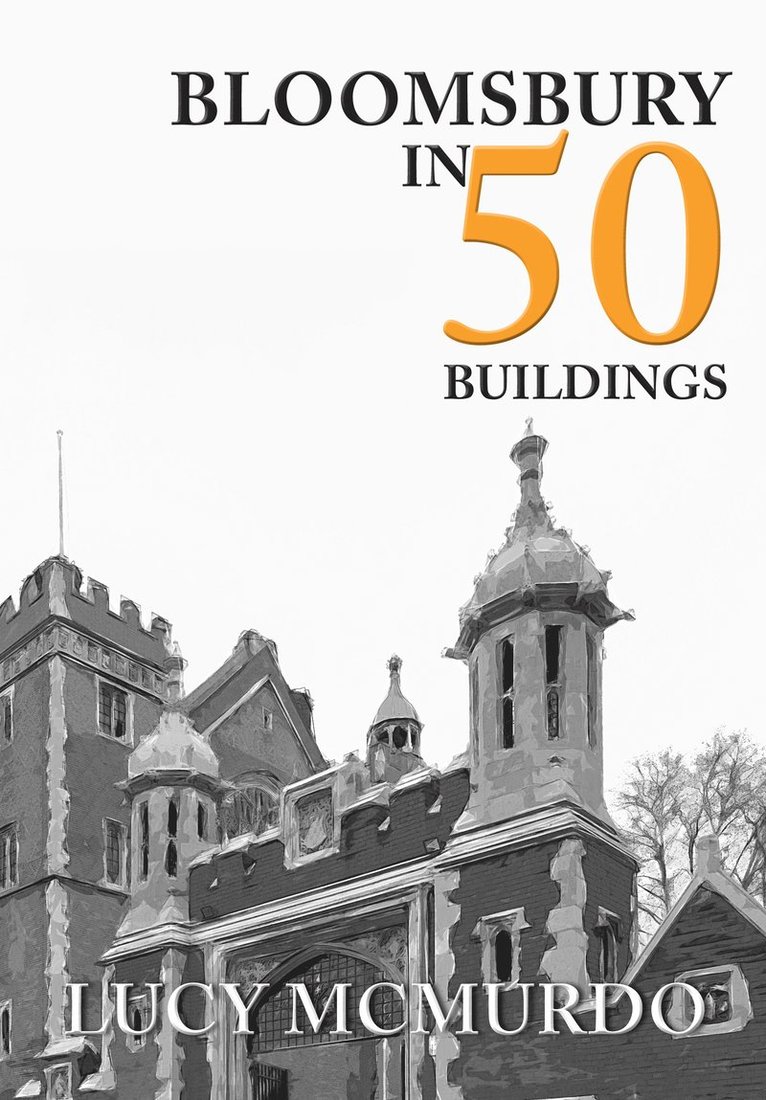
Filled with academic, cultural and medical institutions as well as elegant Georgian terraces and leafy open spaces, Bloomsbury is one of central London’s most appealing districts. Only a stone’s throw away from the Eurostar terminal and nestled between London’s West End and the Square Mile, it is full of fascinating history and buildings. Its development began over 300 years ago and transformed land once owned by the Duke of Bedford from open fields into a planned grid of residential housing and garden squares. With the housing came churches, public houses, shops and, later, medical and educational institutions too.In Bloomsbury in 50 Buildings, author Lucy McMurdo explores the area’s exceptional rich and colourful history through some of its greatest architectural treasures. She also shows what gives Bloomsbury its unique character as she guides the reader through its wonderful squares, Georgian terraces, Edwardian baroque and art deco buildings as well as its more contemporary examples of brutalist and modernist architecture.
173 kr
Skickas
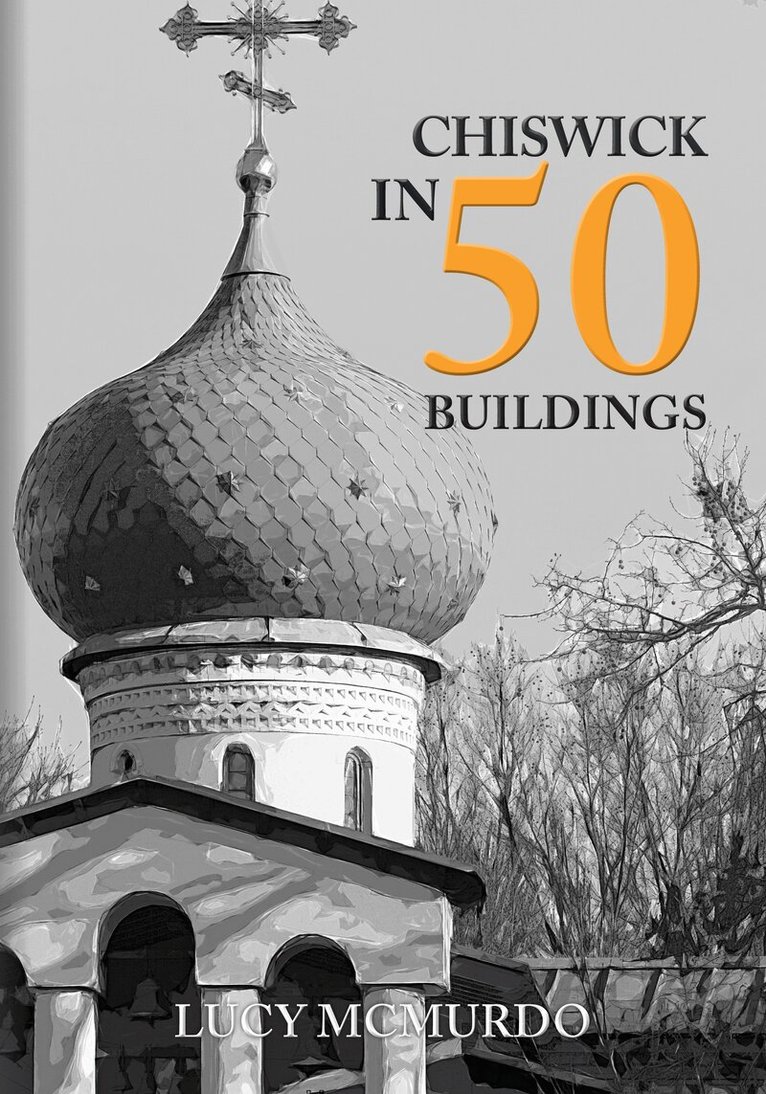
Chiswick is considered to be one of West London’s most appealing suburbs, renowned for its leafy appearance, riverside pubs and fine houses. Its four original villages – Strand on the Green, Turnham Green, Little Sutton and Old Chiswick – have remained a cohesive body despite the construction of a major road in the 1950s. The area has always been known for its good air, fishing and riverside trades. In the late nineteenth century Thornycroft & Co. shipbuilders launched their vessels and built the first torpedo boat for the Royal Navy. The yard was close to another of the area’s main industries – brewing – and Fuller’s Griffin Brewery is still a major business here operating from its 350-year-old site beside the Thames.In Chiswick in 50 Buildings author Lucy McMurdo presents an engaging and accessible perspective of the area’s rich architectural heritage. Walk around Chiswick’s streets and you will see buildings from the 1500s onwards in every architectural style. Until the mid-nineteenth century it was renowned for its market gardens and parkland as well as its grand Palladian villa, Chiswick House, designed in the early eighteenth century by the 3rd Earl of Burlington. This remains one of Chiswick’s treasures. With the arrival of the railway in the 1860s the area became rapidly urbanised, the population increased and fields made way for housing. Unsurprisingly, many famous people have made Chiswick their home including artists Hogarth and Whistler and poet W. B. Yeats. Illustrated throughout, this book guides you on a fascinating architectural tour of this leafy and attractive London suburb.