Ludmilla A. Trigos - Böcker
Visar alla böcker från författaren Ludmilla A. Trigos. Handla med fri frakt och snabb leverans.
3 produkter
3 produkter
357 kr
Skickas inom 7-10 vardagar
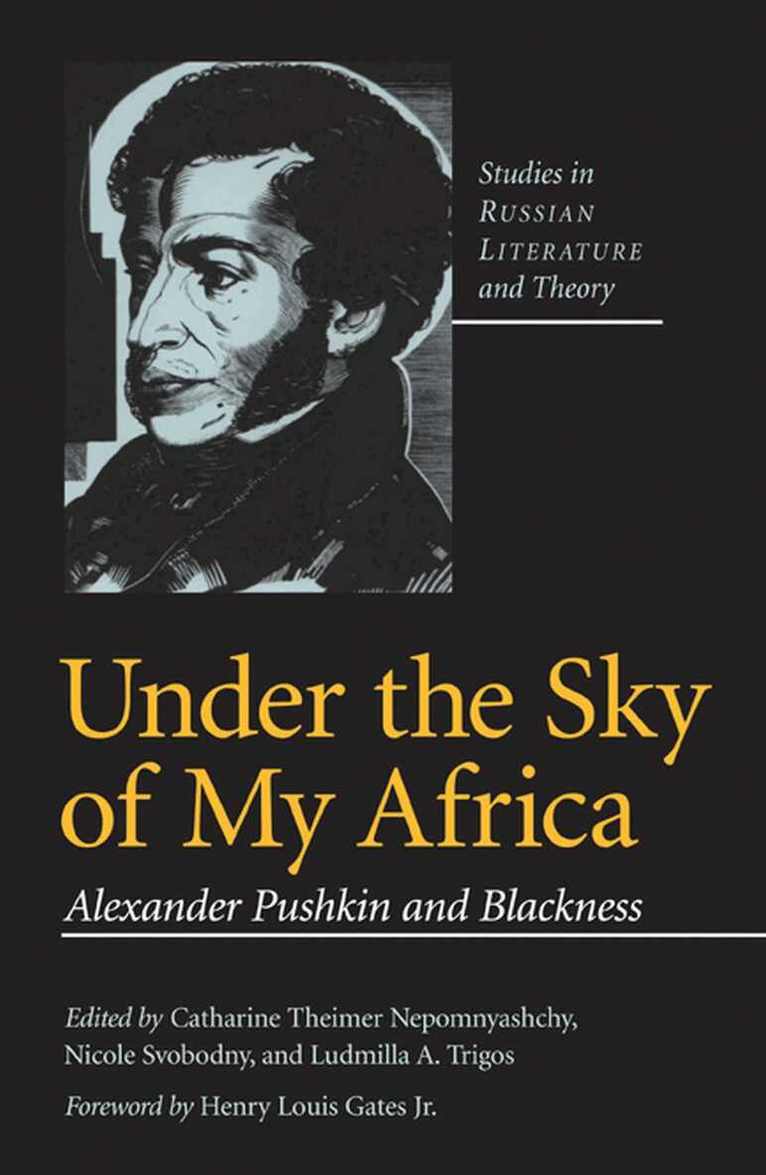
Roughly in the year 1705, a young African boy, acquired from the seraglio of the Turkish sultan, was transported to Russia as a gift to Peter the Great. This child, later known as Abram Petrovich Gannibal, was to become Peter's godson and to live to a ripe old age, having attained the rank of general and the status of Russian nobility. More important, he was to become the great-grandfather of Russia's greatest national poet, Alexander Pushkin. It is the contention of the editors of this book, borne out by the essays in the collection, that Pushkin's African ancestry has played the role of a ""wild card"" of sorts as a formative element in Russian cultural mythology: and that the ways in which Gannibal's legacy has been included in or excluded from Pushkin's biography over the last two hundred years can serve as a shifting marker of Russia's self-definition. The first single volume in English on this rich topic, Under the Sky of My Africa addresses the wide variety of interests implicated in the question of Pushkin's blackness - race studies, politics, American studies, music, mythopoetic criticism, and mainstream Pushkin studies. In essays that are by turns biographical, iconographical, cultural, and sociological in focus, the authors - representing a broad range of disciplines and perspectives - take us from the complex attitudes toward race in Russia during Pushkin's era to the surge of racism in late Soviet and post-Soviet contemporary Russia. In sum, Under the Sky of My Africa provides a wealth of basic material on the subject as well as a series of provocative readings and interpretations that will influence future considerations of Pushkin and race in Russian culture.
Literary Biographies in The Lives of Remarkable People Series in Russia
Biography for the Masses
Inbunden, Engelska, 2022
1 425 kr
Skickas inom 10-15 vardagar
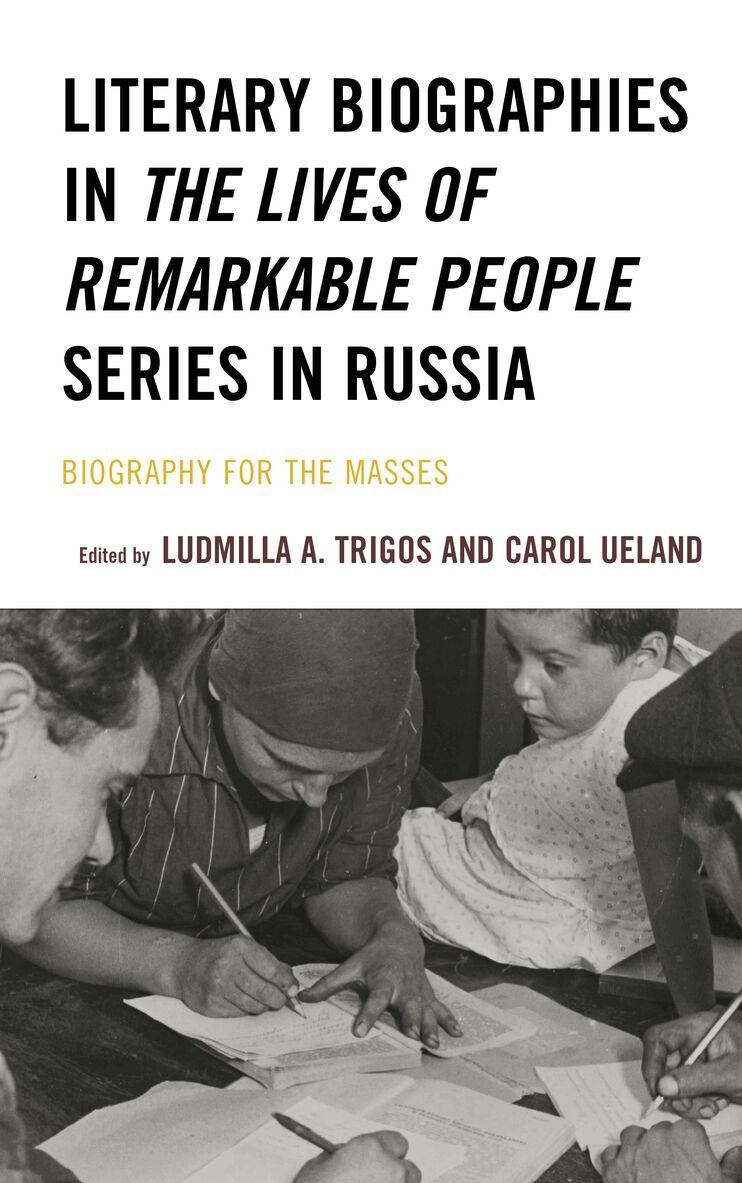
The legendary Russian biography series, The Lives of Remarkable People, has played a significant role in Russian culture from its inception in 1890 until today. The longest running biography series in world literature, it spans three centuries and widely divergent political and cultural epochs: Imperial, Soviet, and Post-Soviet Russia. The authors argue that the treatment of biographical figures in the series is a case study for continuities and changes in Russian national identity over time. Biography in Russia and elsewhere remains a most influential literary genre and the distinctive approach and branding of the series has made it the economic engine of its publisher, Molodaia gvardiia. The centrality of biographies of major literary figures in the series reflects their heightened importance in Russian culture. The contributors examine the ways that biographies of Russia's foremost writers shaped the literary canon while mirroring the political and social realities of both the subjects’ and their biographers' times. Starting with Alexander Pushkin and ending with Joseph Brodsky, the authors analyze the interplay of research and imagination in biographical narrative, the changing perceptions of what constitutes literary greatness, and the subversive possibilities of biography during eras of political censorship.
Literary Biographies in The Lives of Remarkable People Series in Russia
Biography for the Masses
Häftad, Engelska, 2024
561 kr
Skickas inom 10-15 vardagar
The legendary Russian biography series, The Lives of Remarkable People, has played a significant role in Russian culture from its inception in 1890 until today. The longest running biography series in world literature, it spans three centuries and widely divergent political and cultural epochs: Imperial, Soviet, and Post-Soviet Russia. The authors argue that the treatment of biographical figures in the series is a case study for continuities and changes in Russian national identity over time. Biography in Russia and elsewhere remains a most influential literary genre and the distinctive approach and branding of the series has made it the economic engine of its publisher, Molodaia gvardiia. The centrality of biographies of major literary figures in the series reflects their heightened importance in Russian culture. The contributors examine the ways that biographies of Russia's foremost writers shaped the literary canon while mirroring the political and social realities of both the subjects’ and their biographers' times. Starting with Alexander Pushkin and ending with Joseph Brodsky, the authors analyze the interplay of research and imagination in biographical narrative, the changing perceptions of what constitutes literary greatness, and the subversive possibilities of biography during eras of political censorship.