Luis Cortest – författare
Visar alla böcker från författaren Luis Cortest. Handla med fri frakt och snabb leverans.
3 produkter
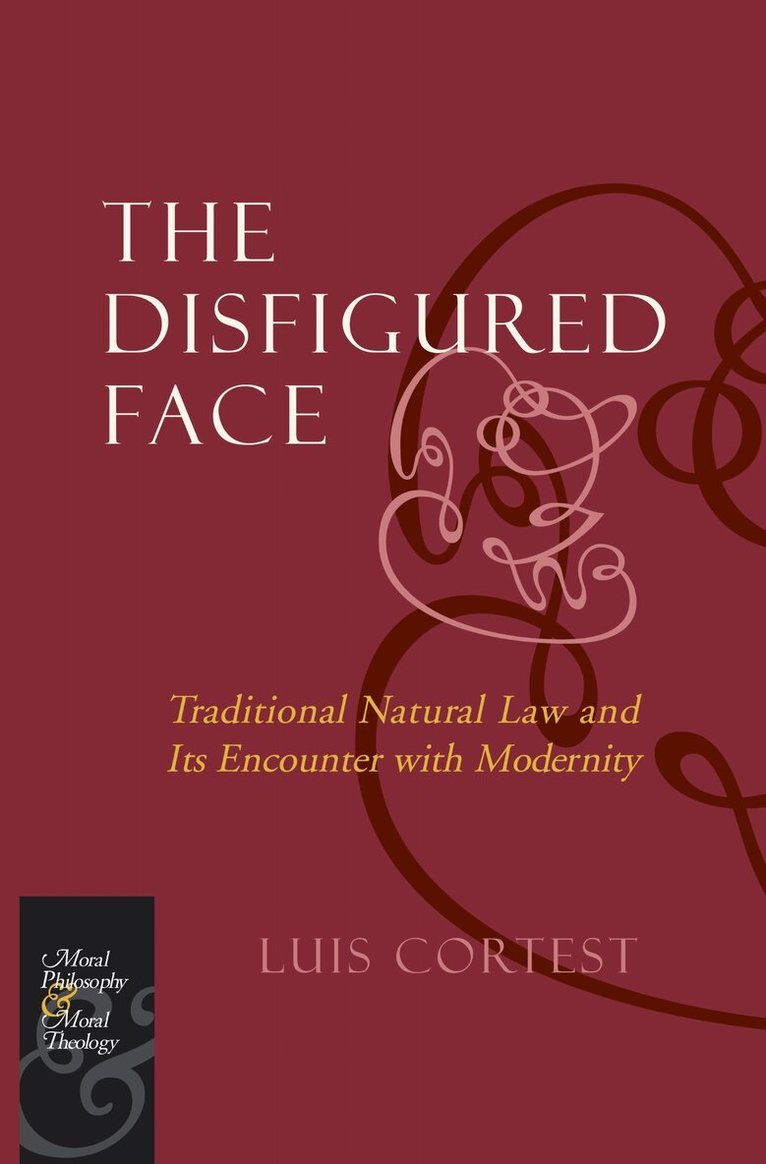
Disfigured Face
Traditional Natural Law and Its Encounter with Modernity
Av Luis Cortest
Inbunden, 2008
875 kr
Lägg i varukorg
The central argument of this book is that the traditional notion of Natural Law has almost disappeared from the ethical and moral discourse of our time. For Thomas Aquinas, the author whose conception of Natural Law forms the foundation for the book, the ontological and ethical orders are not …
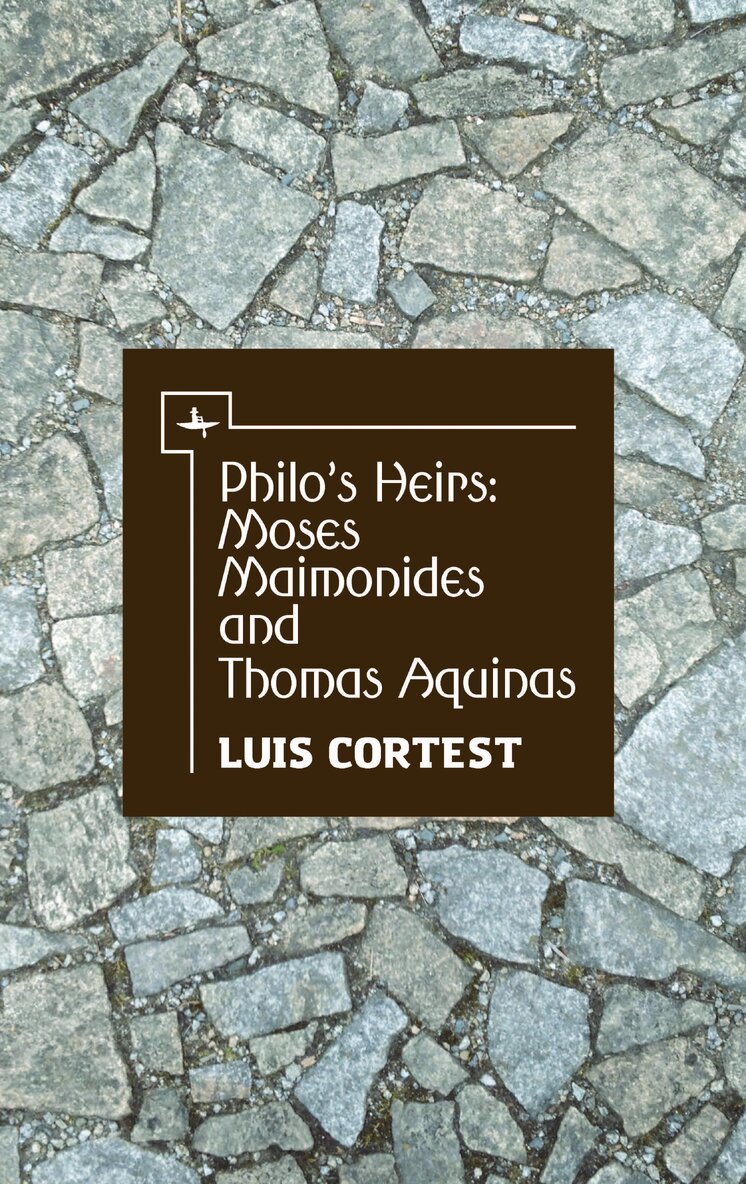
Philo’s Heirs: Moses Maimonides and Thomas Aquinas
Av Luis Cortest
Inbunden, 2017
1040 kr
Lägg i varukorg
The central claim of this book is that Philo of Alexandria’s philosophical method served as the model for the philosophical works of Moses Maimonides and Thomas Aquinas. Moses Maimonides and Thomas Aquinas stand as two pillars in the history of religious philosophy. In their respective religious …
Philo's Heirs: Moses Maimonides and Thomas Aquinas
Av Luis Cortest
E-bok, 2017
2541 kr
Lägg i varukorg
The central claim of this book is that Philo of Alexandria’s philosophical method served as the model for the philosophical works of Moses Maimonides and Thomas Aquinas. Moses Maimonides and Thomas Aquinas stand as two pillars in the history of religious philosophy. In their respective religious …