Lukas Ley - Böcker
Visar alla böcker från författaren Lukas Ley. Handla med fri frakt och snabb leverans.
3 produkter
3 produkter
322 kr
Skickas
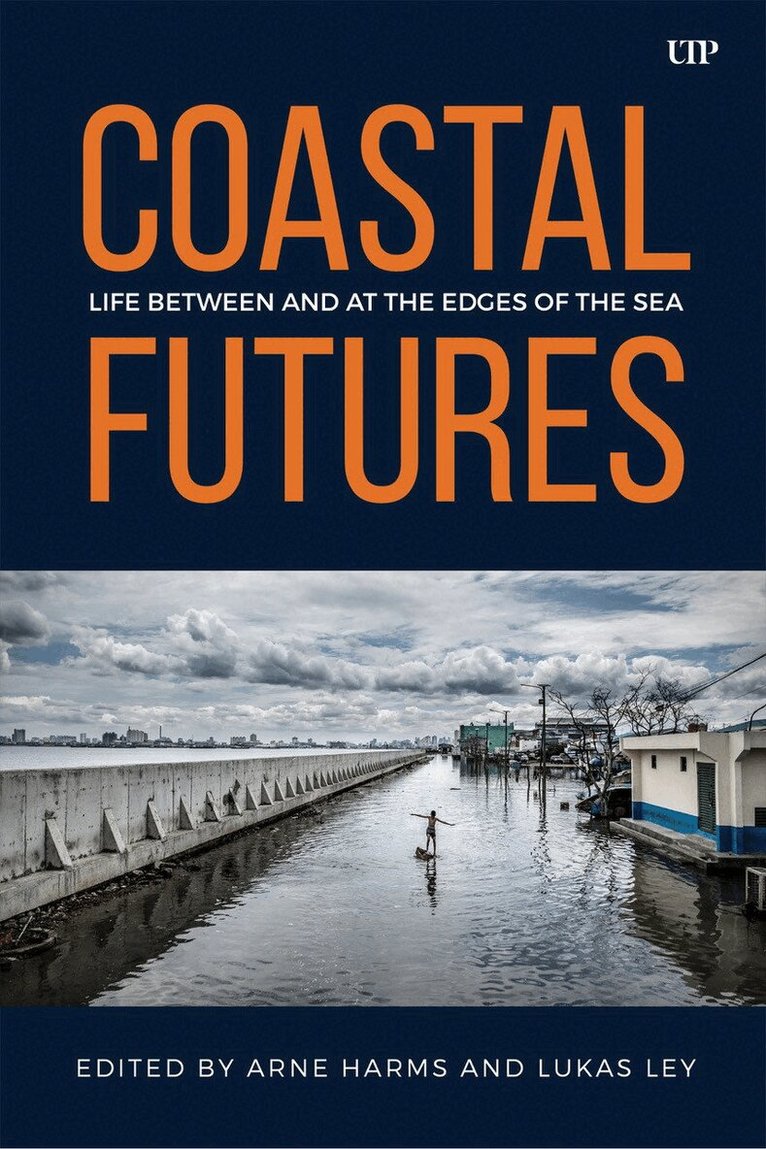
Coastal Futures explores the profound transformation of our relationship with the world’s coasts, as nearly 40 percent of humanity now lives within 100 kilometers of the sea.Moving beyond the traditional view of coasts as simple boundaries between land and water, this book reveals the coast as a diverse, networked landscape shaped by intertidal ecologies, sprawling infrastructures, and everyday practices that reach far beyond the shore. By uncovering the “coastalization” of society, the book highlights the growing significance of shores in understanding contemporary life and environmental change. Drawing on rich ethnographic research, the volume challenges traditional notions of the coast as simply a physical object or maritime boundary. Instead, it closely examines the diverse material forms and infrastructural connections that define coastal spaces, envisioning new futures for these vital zones.Coastal Futures argues that a scientific inquiry into the dynamic interplay of society and coastlines is both urgent and essential, encouraging more responsible and imaginative ways of living with and on the coast. Ultimately, the book redeems the coast as a geo-ontological force—one that shapes, enables, and constrains the transformative energies of global assemblages, rather than serving as a passive backdrop to human activity.
1 165 kr
Skickas inom 10-15 vardagar
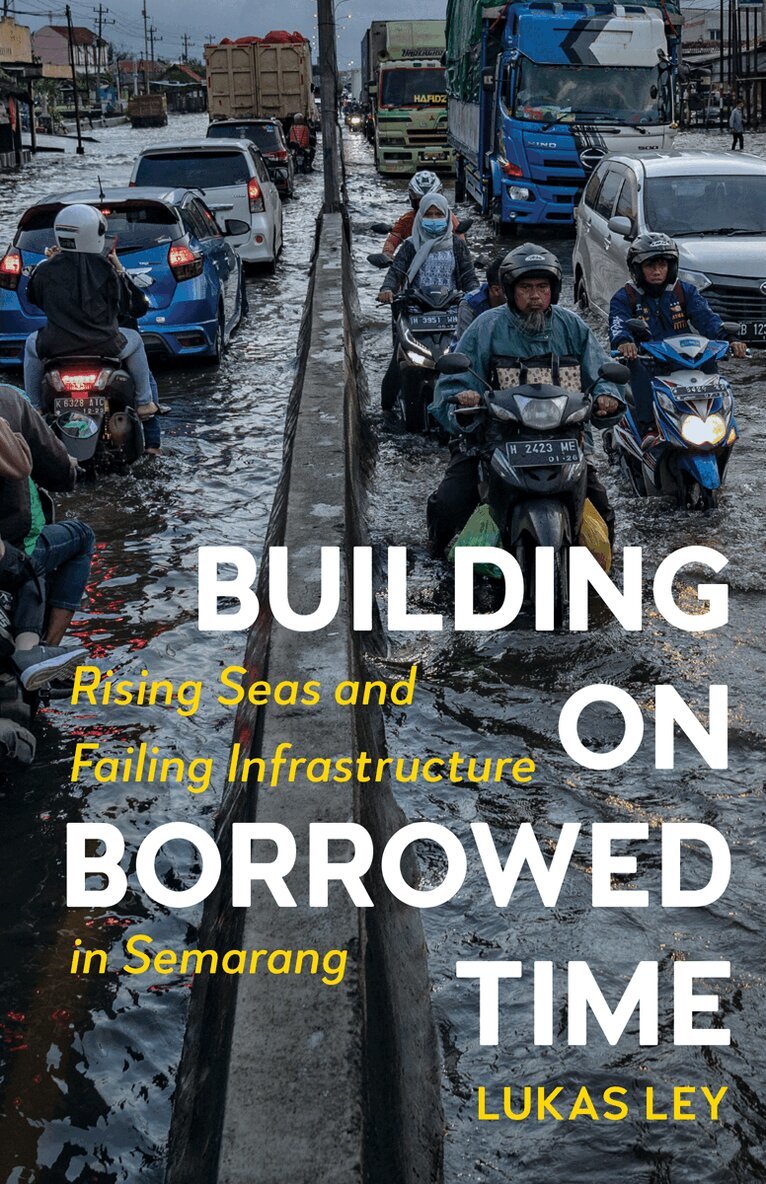
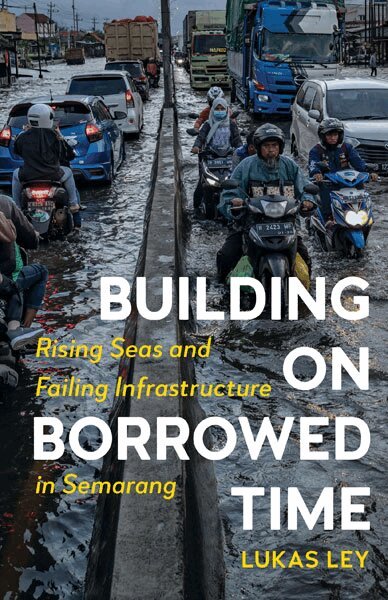
A timely ethnography of how Indonesia’s coastal dwellers inhabit the “chronic present” of a slow-motion natural disasterIce caps are melting, seas are rising, and densely populated cities worldwide are threatened by floodwaters, especially in Southeast Asia. Building on Borrowed Time is a timely and powerful ethnography of how people in Semarang, Indonesia, on the north coast of Java, are dealing with this global warming–driven existential challenge. In addition to antiflooding infrastructure breaking down, vast areas of cities like Semarang and Jakarta are rapidly sinking, affecting the very foundations of urban life: toxic water oozes through the floors of houses, bridges are submerged, traffic is interrupted. As Lukas Ley shows, the residents of Semarang are constantly engaged in maintaining their homes and streets, trying to live through a slow-motion disaster shaped by the interacting temporalities of infrastructural failure, ecological deterioration, and urban development. He casts this predicament through the temporal lens of a “meantime,” a managerial response that means a constant enduring of the present rather than progress toward a better future-a “chronic present.” Building on Borrowed Time takes us to a place where a flood crisis has already arrived-where everyday residents are not waiting for the effects of climate change but are in fact already living with it-and shows that life in coastal Southeast Asia is defined not by the temporality of climate science but by the lived experience of tidal flooding.
286 kr
Skickas inom 10-15 vardagar
A timely ethnography of how Indonesia’s coastal dwellers inhabit the “chronic present” of a slow-motion natural disasterIce caps are melting, seas are rising, and densely populated cities worldwide are threatened by floodwaters, especially in Southeast Asia. Building on Borrowed Time is a timely and powerful ethnography of how people in Semarang, Indonesia, on the north coast of Java, are dealing with this global warming–driven existential challenge. In addition to antiflooding infrastructure breaking down, vast areas of cities like Semarang and Jakarta are rapidly sinking, affecting the very foundations of urban life: toxic water oozes through the floors of houses, bridges are submerged, traffic is interrupted. As Lukas Ley shows, the residents of Semarang are constantly engaged in maintaining their homes and streets, trying to live through a slow-motion disaster shaped by the interacting temporalities of infrastructural failure, ecological deterioration, and urban development. He casts this predicament through the temporal lens of a “meantime,” a managerial response that means a constant enduring of the present rather than progress toward a better future-a “chronic present.” Building on Borrowed Time takes us to a place where a flood crisis has already arrived-where everyday residents are not waiting for the effects of climate change but are in fact already living with it-and shows that life in coastal Southeast Asia is defined not by the temporality of climate science but by the lived experience of tidal flooding.