Luke Clements – författare
Visar alla böcker från författaren Luke Clements. Handla med fri frakt och snabb leverans.
15 produkter
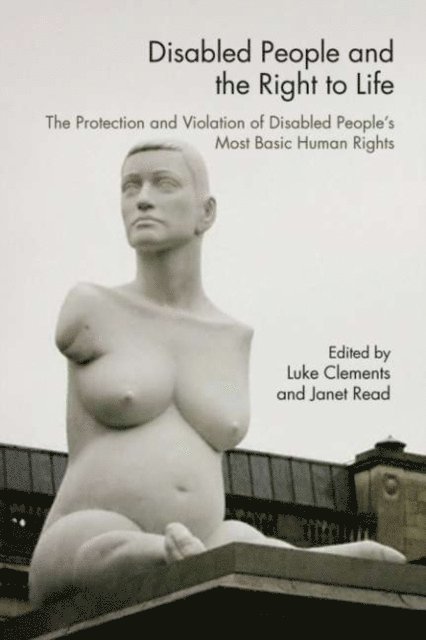
Disabled People and the Right to Life
The Protection and Violation of Disabled People’s Most Basic Human Rights
Inbunden, 2008
2311 kr
Lägg i varukorg
The most basic of human rights, the right to life, is the focus of this book. 'Human rights' has increasingly come to be seen as a significant framework, both to aid understanding of the experiences of those who face oppression, and to underpin social, legal and political measures to counter it. …
Disabled People and the Right to Life
The Protection and Violation of Disabled People’s Most Basic Human Rights
Häftad, 2008
569 kr
Lägg i varukorg
The most basic of human rights, the right to life, is the focus of this book. 'Human rights' has increasingly come to be seen as a significant framework, both to aid understanding of the experiences of those who face oppression, and to underpin social, legal and political measures to counter it. …
Human Rights
Changing the Culture
Av Clements, Young Luke m. fl.
Häftad, 1999
274 kr
Lägg i varukorg
The Human Rights Act 1998 will come into force in the year 2000. This volume explores the significance of this event.
Disabled People and the Right to Life
The Protection and Violation of Disabled People's Most Basic Human Rights
E-bok, 2008
655 kr
Lägg i varukorg
The most basic of human rights, the right to life, is the focus of this book. ''Human rights'' has increasingly come to be seen as a significant framework, both to aid understanding of the experiences of those who face oppression, and to underpin social, legal and political measures to counter it. …
Disabled People and the Right to Life
The Protection and Violation of Disabled People's Most Basic Human Rights
E-bok, 2008
655 kr
Lägg i varukorg
The most basic of human rights, the right to life, is the focus of this book. ''Human rights'' has increasingly come to be seen as a significant framework, both to aid understanding of the experiences of those who face oppression, and to underpin social, legal and political measures to counter it. …
Understanding Parent Blame
Institutional Failure and Complex Trauma
Av Luke Clements, Ana Laura Aiello
Inbunden, 2025
1104 kr
Lägg i varukorg
Blame the parents. It’s a common reaction to any failure in children’s behaviour or to their safety, and yet so many issues – from education and economic to social care and mental health – arise from the failure of the state to provide adequate support to children and their families. This edited …
Understanding Parent Blame
Institutional Failure and Complex Trauma
Av Luke Clements, Ana Laura Aiello
Häftad, 2025
329 kr
Lägg i varukorg
Blame the parents. It’s a common reaction to any failure in children’s behaviour or to their safety, and yet so many issues – from education and economic to social care and mental health – arise from the failure of the state to provide adequate support to children and their families. This edited …
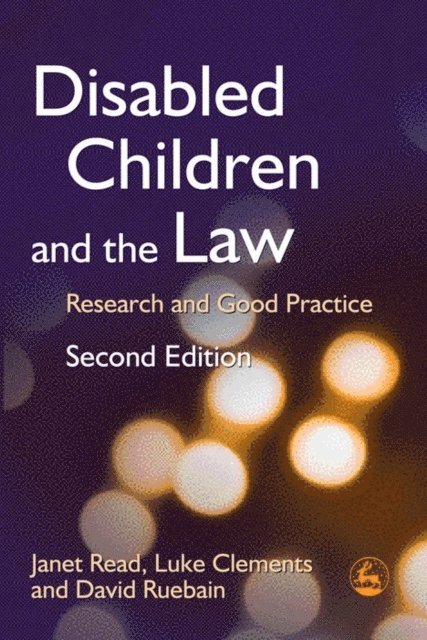
Disabled Children and the Law
Research and Good Practice
Av Janet Read, Luke Clements m. fl.
Häftad, 2006
648 kr
Lägg i varukorg
Now in its completely updated second edition, this accessible guide provides essential information about how the law can be used to promote good practice and policy development for disabled children and young people.The authors take an anti-discriminatory and inclusive approach that involves …
Disabled Children and the Law
Research and Good Practice
Av Janet Read, Luke Clements m. fl.
E-bok, 2006
587 kr
Lägg i varukorg
Now in its completely updated second edition, this accessible guide provides essential information about how the law can be used to promote good practice and policy development for disabled children and young people.The authors take an anti-discriminatory and inclusive approach that involves …
Disabled people and European human rights
A review of the implications of the 1998 Human Rights Act for disabled children and adults in the UK
E-bok, 2003
473 kr
Lägg i varukorg
Over the past two decades, there has been increasing recognition of the ways in which disabled children and adults have been denied human and civil rights that others take for granted. In the year 2000, the Human Rights Act 1998 came into force. This book reviews the implications of the Act for …
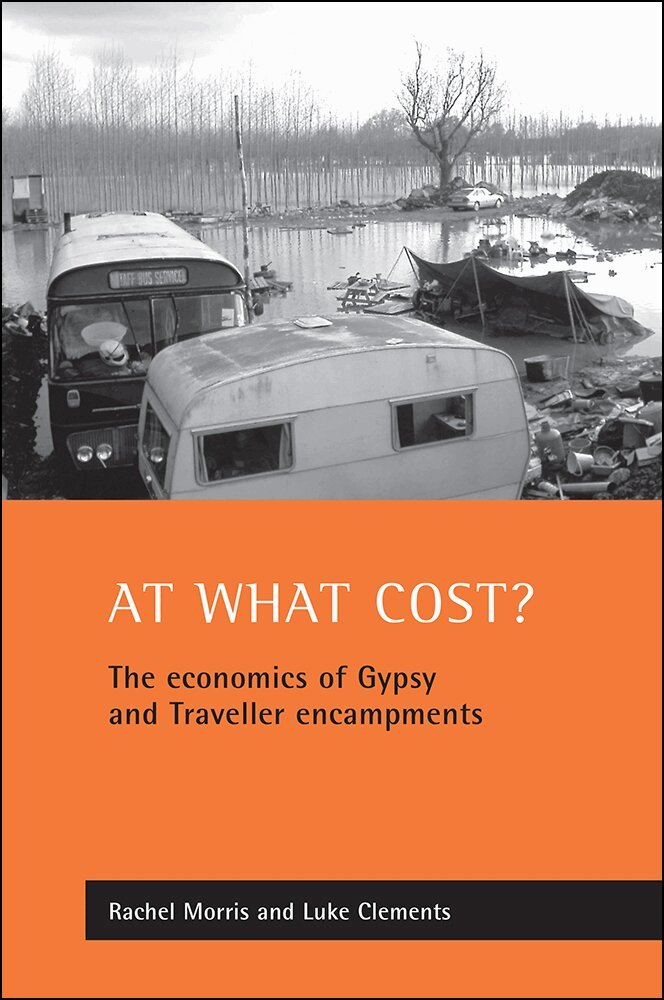
At what cost?
The economics of Gypsy and Traveller encampments
Av Rachel Morris, Luke Clements
Häftad, 2002
386 kr
Lägg i varukorg
Since the Conservative government's reform of the law and policy relating to accommodation for Travelling People (Gypsies and Travellers) in 1992, there have been no changes to the legislation, despite a major review of housing law and policy commenced by the current Labour government in 2000. A …
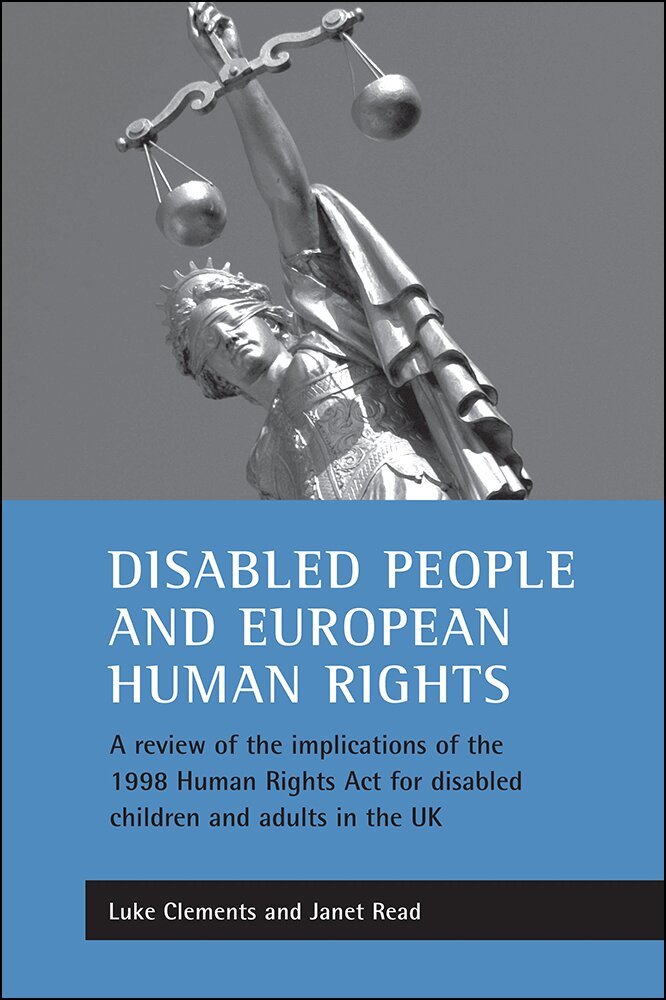
Disabled people and European human rights
A review of the implications of the 1998 Human Rights Act for disabled children and adults in the UK
Häftad, 2003
381 kr
Lägg i varukorg
Over the past two decades, there has been increasing recognition of the ways in which disabled children and adults have been denied human and civil rights that others take for granted. In the year 2000, the Human Rights Act 1998 came into force. This book reviews the implications of the Act for …
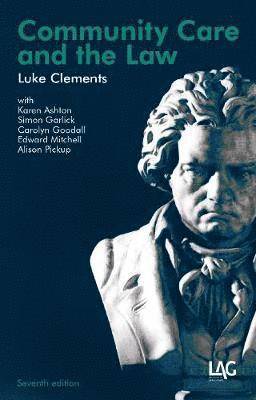
Community Care and the Law
Häftad, 2019
1175 kr
Lägg i varukorg
Community Care and the Law is the pre-eminent legal text on adult social care law. Its contributors are leading experts in the field and the lead author, Professor Luke Clements, was the expert adviser to the Parliamentary Committee that scrutinised the Bill that became the Care Act 2014.The …
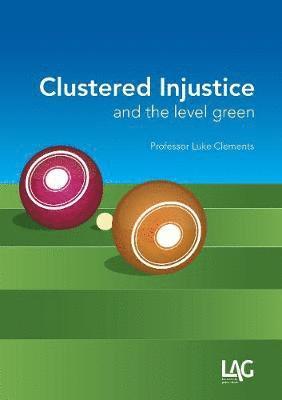
Clustered Injustice and the Level Green
Häftad, 2020
428 kr
Lägg i varukorg
'Poor people get hit by cars too; they get evicted; they have their furniture repossessed; they can't pay their utility bills. But they do not have personal legal problems in the law school way. Nothing that happens to them breaks up or threatens to break up a settled and harmonious life. Poor …
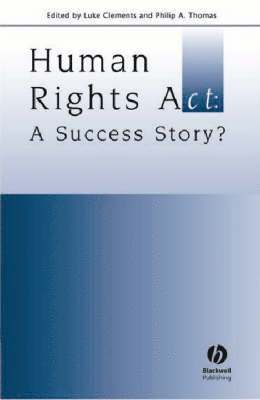
Human Rights Act
A Success Story?
Av Luke Clements, Philip Thomas
Häftad, 2005
238 kr
Tillfälligt slut
This book seeks to examine the impact of the Human Rights Act legislation from the viewpoint of judges, lawyers, civil libertarians, politicians and academics. Investigation of the Human Rights Act since it came into force in 2000. Contributors include Sir Stephen Sedley, Thomas Mullen, Roger Smith …