Luminita Gatejel - Böcker
Visar alla böcker från författaren Luminita Gatejel. Handla med fri frakt och snabb leverans.
3 produkter
3 produkter
1 106 kr
Skickas inom 10-15 vardagar
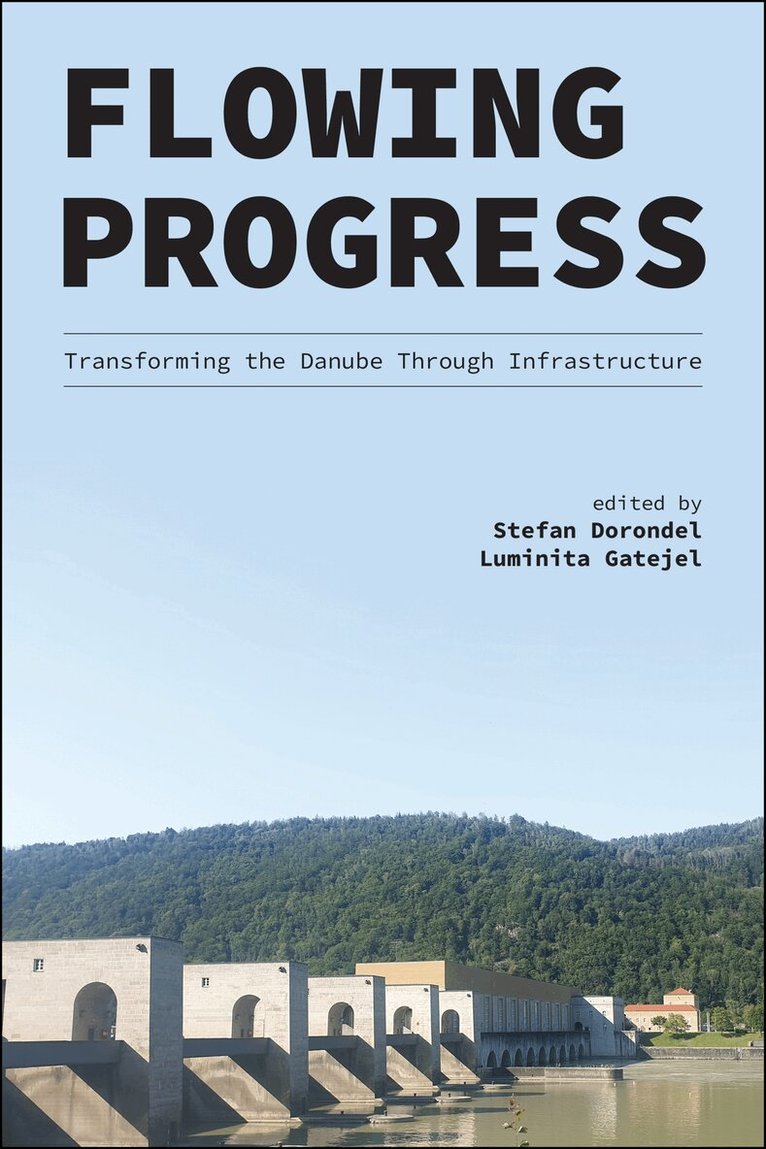
Flowing Progress: Transforming the Danube Through Infrastructure focuses on how different political regimes and forms of governance have imagined and technologically transformed the most international river in the world. Multidisciplinary and drawing on methodologies of history, anthropology of infrastructure, and science, technology, and society, this collection explores the tensions between the river and its natural pulses, the humans that populate its floodplains, state agencies, and infrastructure. The book engages the concept of disturbance to point out the circular and spiraling dynamics between hydrological processes and technopolitical and economic practices. Disturbance denotes a specific type of long-term dynamic between human attempts to control the Danube, the material systems they implemented to achieve these goals, and the agency of the river that both enabled the functioning of infrastructure and the breakdown of such arrangements. It draws particular attention to the concerted efforts to contain and optimize the Danube's flow, adding layer after layer of dams, channels, and pipes that could potentially escalate the power of a leashed river. Taking a longer historical perspective from the sixteenth century until today, the volume provides a variety of relevant case studies and local contexts in the Ottoman and Habsburg empires, and their successor states Austria, Hungary, Bulgaria, Romania, and Serbia which show different ways of how humans have imagined and coped with this mighty river.
529 kr
Skickas inom 10-15 vardagar
Flowing Progress: Transforming the Danube Through Infrastructure focuses on how different political regimes and forms of governance have imagined and technologically transformed the most international river in the world. Multidisciplinary and drawing on methodologies of history, anthropology of infrastructure, and science, technology, and society, this collection explores the tensions between the river and its natural pulses, the humans that populate its floodplains, state agencies, and infrastructure. The book engages the concept of disturbance to point out the circular and spiraling dynamics between hydrological processes and technopolitical and economic practices. Disturbance denotes a specific type of long-term dynamic between human attempts to control the Danube, the material systems they implemented to achieve these goals, and the agency of the river that both enabled the functioning of infrastructure and the breakdown of such arrangements. It draws particular attention to the concerted efforts to contain and optimize the Danube's flow, adding layer after layer of dams, channels, and pipes that could potentially escalate the power of a leashed river. Taking a longer historical perspective from the sixteenth century until today, the volume provides a variety of relevant case studies and local contexts in the Ottoman and Habsburg empires, and their successor states Austria, Hungary, Bulgaria, Romania, and Serbia which show different ways of how humans have imagined and coped with this mighty river.
Engineering the Lower Danube
Technology and Territoriality in an Imperial Borderland, Late Eighteenth and Nineteenth Centuries
Inbunden, Engelska, 2023
1 159 kr
Skickas
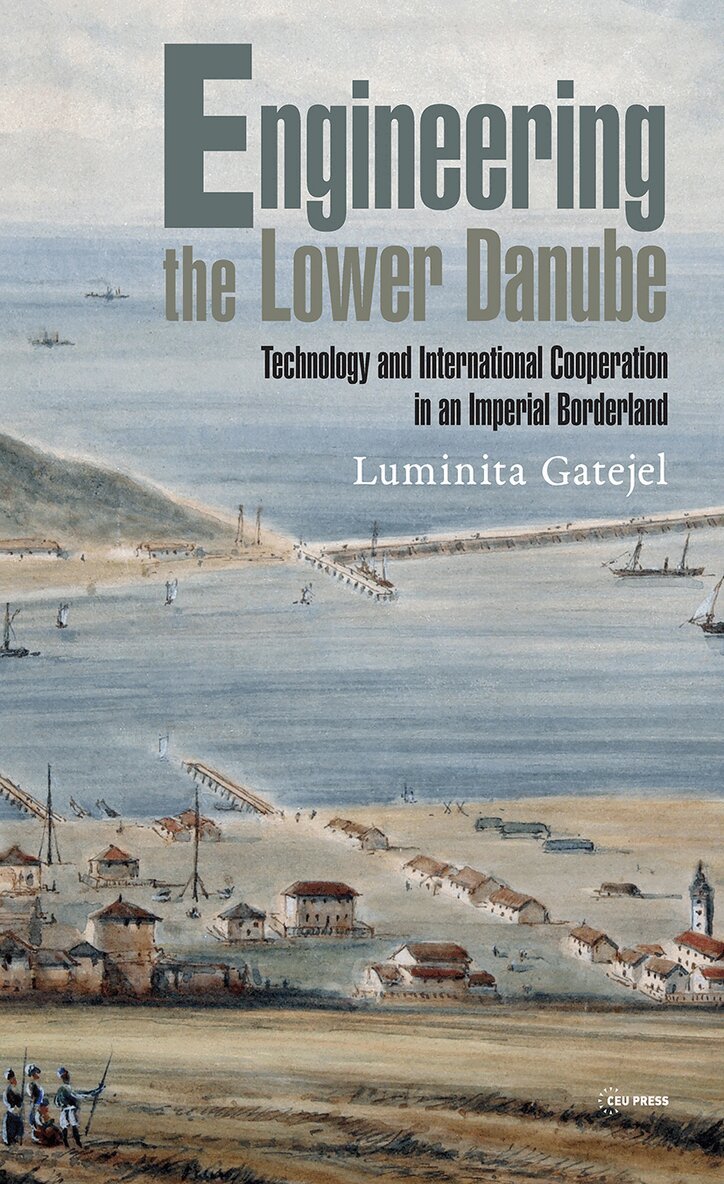
The Lower Danube—the stretch of Europe’s second longest river between the Romanian-Serbian border and the confluence to the Black Sea—was effectively transformed during the late eighteenth and nineteenth centuries. In describing this lengthy undertaking, Luminita Gatejel proposes that remaking two key stretches—the Iron Gates and the delta—not only physically altered the river but also redefined it in a legal and political sense. Since the late eighteenth century, military conflicts and peace treaties changed the nature of sovereignty over the area, as the expansionist tendencies of the Habsburg and British Empires encountered rival Ottoman and Russian imperial plans. The inconvenience that the river’s physical shape obstructed free navigation and the growth of commercial traffic, was an increasing concern to all parties. This book shows that alongside imperial aspirations, transnational actors like engineers, commissioners and entrepreneurs were the driving force behind the river regulation. In this highly original, deeply researched, and carefully crafted study, Gatejel explores the formation of international cooperation, the emergence of technical expertise and the emergence of engineering as a profession. This constellation turned the Lower Danube into a laboratory for experimenting with new forms of international cooperation, economic integration, and nature transformation.