Lydia Pelot-Hobbs - Böcker
Visar alla böcker från författaren Lydia Pelot-Hobbs. Handla med fri frakt och snabb leverans.
3 produkter
3 produkter
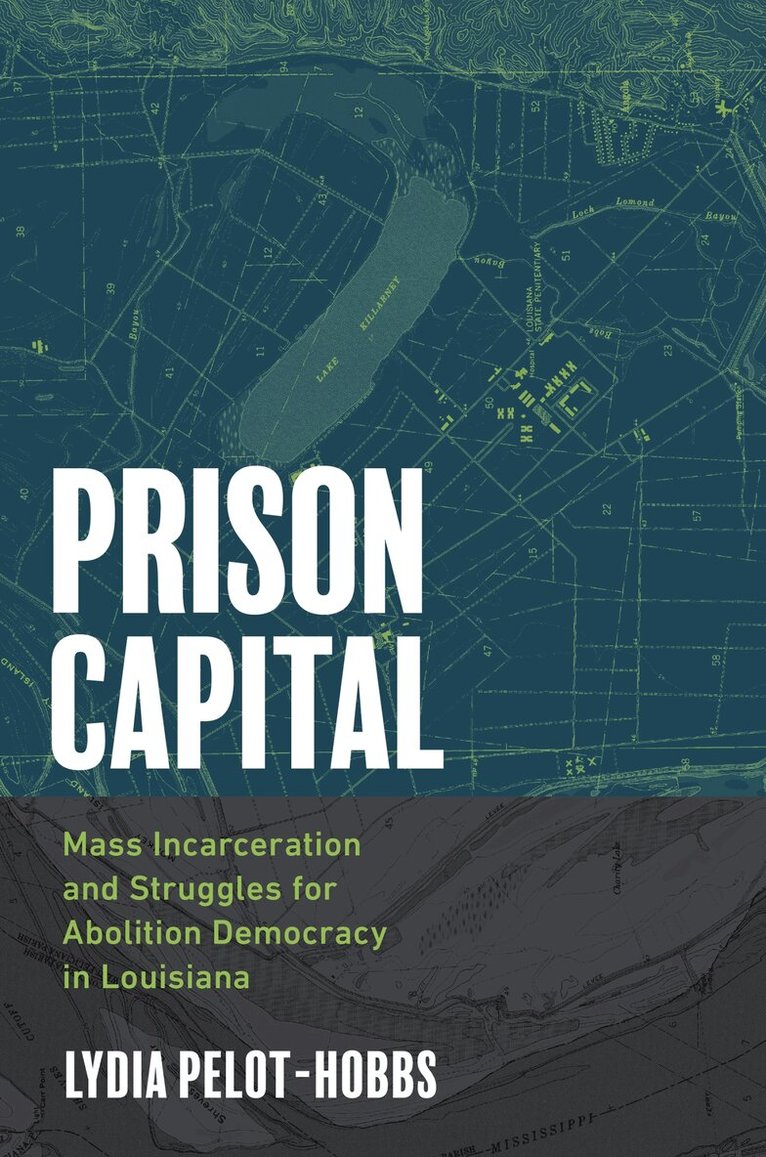
Prison Capital
Mass Incarceration and Struggles for Abolition Democracy in Louisiana
Inbunden, Engelska, 2023
1 090 kr
Skickas inom 10-15 vardagar
Every year between 1998 to 2020 except one, Louisiana had the highest per capita rate of incarceration in the nation and thus the world. This is the first detailed account of Louisiana's unprecedented turn to mass incarceration from 1970 to 2020. Through extensive research, Lydia Pelot-Hobbs illuminates how policy makers enlarged Louisiana's carceral infrastructures with new prisons and jail expansions alongside the bulking up of police and prosecutorial power. At the same time, these infrastructures were the products of multiscalar crises: the swings of global oil capitalism, liberal federal court and policy interventions, the rise of neoliberal governance and law-and-order austerity, and racist and patriarchal moral panics surrounding "crime." However, these crises have also created fertile space for anticarceral social movements. From incarcerated people filing conditions of confinement lawsuits, to Angola activists challenging life without parole, to grassroots organizers struggling to shrink the New Orleans jail following Hurricane Katrina, to LGBTQ youth of color organizing against police sexual violence, grassroots movements stretch us toward new geographies of freedom in the lineage of abolition democracy. Understanding Louisiana's carceral crisis extends our understanding of the interplay between the crises of mass criminalization and racial capitalism while highlighting the conditions of possibility for dismantling carceral power in all its forms.
Prison Capital
Mass Incarceration and Struggles for Abolition Democracy in Louisiana
Häftad, Engelska, 2023
322 kr
Skickas inom 10-15 vardagar
Every year between 1998 to 2020 except one, Louisiana had the highest per capita rate of incarceration in the nation and thus the world. This is the first detailed account of Louisiana's unprecedented turn to mass incarceration from 1970 to 2020. Through extensive research, Lydia Pelot-Hobbs illuminates how policy makers enlarged Louisiana's carceral infrastructures with new prisons and jail expansions alongside the bulking up of police and prosecutorial power. At the same time, these infrastructures were the products of multiscalar crises: the swings of global oil capitalism, liberal federal court and policy interventions, the rise of neoliberal governance and law-and-order austerity, and racist and patriarchal moral panics surrounding "crime." However, these crises have also created fertile space for anticarceral social movements. From incarcerated people filing conditions of confinement lawsuits, to Angola activists challenging life without parole, to grassroots organizers struggling to shrink the New Orleans jail following Hurricane Katrina, to LGBTQ youth of color organizing against police sexual violence, grassroots movements stretch us toward new geographies of freedom in the lineage of abolition democracy. Understanding Louisiana's carceral crisis extends our understanding of the interplay between the crises of mass criminalization and racial capitalism while highlighting the conditions of possibility for dismantling carceral power in all its forms.
153 kr
Skickas inom 7-10 vardagar
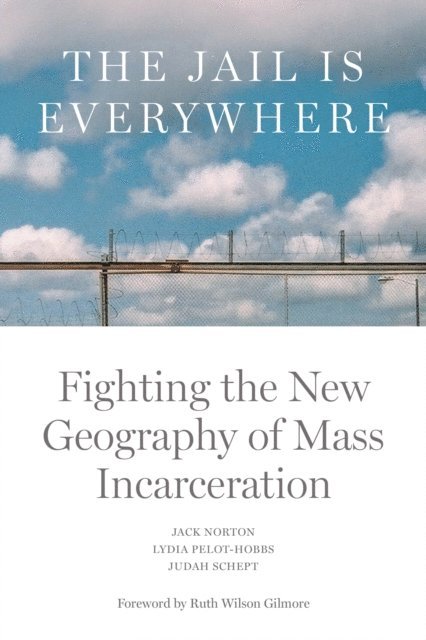
Nearly every county and major city in the United States has a jail, the short-term detention center controlled by local sheriffs that funnels people into prisons and long-term incarceration. Jails are now the fastest-growing sector of the US carceral state. As jails grow, they transform the region around them. Whole towns and small cities see health care provision and employment opportunities become subordinate to carceral concerns.If jails are everywhere, resistance is too. Campaigns against new or expanded jails have emerged in large and mid-sized cities and in dozens of small towns and rural counties across the US. While there is some coordination and communication between those involved in these struggles, they tend to be isolated from each other and from broader movements. The Jail Is Everywhere brings together an incredible range of knowledge and experience from jail fights across the country. It maps this new terrain, foregrounding the hard-forged analyses of anti-jail organizers themselves as they take us through campaigns that, while appearing local, are at the new center of the carceral state. With a foreword by Ruth Wilson Gilmore.