Lynda Miller - Böcker
Visar alla böcker från författaren Lynda Miller. Handla med fri frakt och snabb leverans.
6 produkter
6 produkter
1 898 kr
Skickas inom 10-15 vardagar
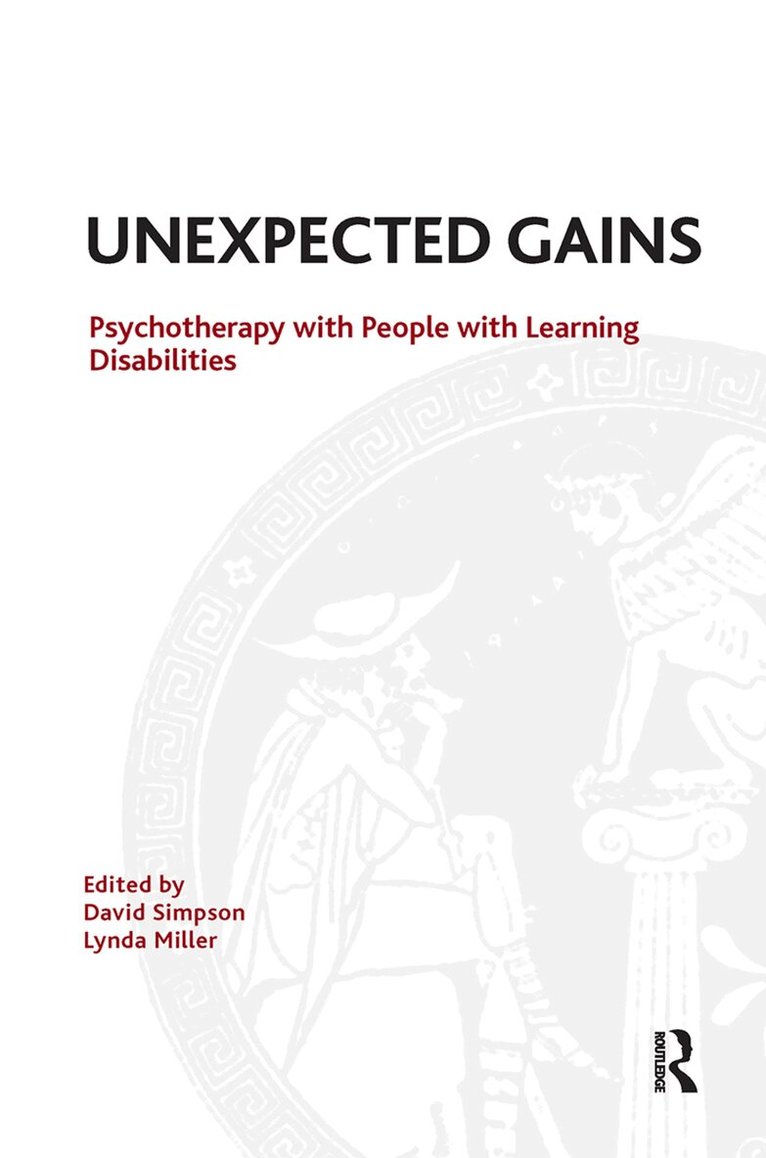
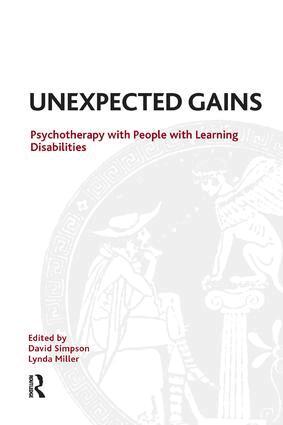
Psychoanalytic psychotherapy is a new development in the treatment of people with learning disabilities and mental health problems, which traditionally has utilised behavioural management and limited counselling. The papers collected here have evolved from the work of the pioneering Learning Disabilities Service at the Tavistock Clinic, London, which is made up from specialised professionals from the fields of psychology, psychiatry, child and adolescent psychotherapy, adult psychotherapy and social work. The service mainly offers individual psychotherapy but also provides group work, parent work, family therapy and consultative work with professionals where necessary.
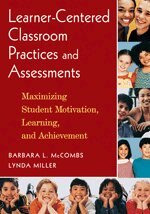
Learner-Centered Classroom Practices and Assessments
Maximizing Student Motivation, Learning, and Achievement
Inbunden, Engelska, 2007
1 146 kr
Skickas inom 3-6 vardagar
"I loved the connections that were made between the suggested practices to improve teaching and real-life uses of those practices!"—Brigitte Tennis, Head Teacher, Stella Schola Middle School, Redmond, WA "One of the most well–written books on educational theory. Goes to the heart of teaching—the students."—Betty Brandenburg Yundt, Fifth–Grade Teacher, Walker Intermediate School, Fort Knox, KY "Offers practical suggestions for how to create a learner–centered environment."—Judi Elman, English Teacher, Highland Park High School, IL Create a learner–centered environment that promotes individual student achievement!Using core principles of educational psychology, this research–based resource provides instructional strategies and assessment tools that emphasize learning partnerships between teachers and students as they rally support from parents, community, administrators, school staff, and other teachers. The sound psychological foundation of the learner–centered model supports student growth, development, and achievement by focusing on such key factors as cognition, metacognition, motivation, affect, and individual differences. This teacher–friendly guide also features:Interactive training exercises Self–assessments and reflection tools Real–life success stories and models Extensive reproducibles and illustrations A comprehensive glossary and research resourcesAppropriate for preservice and inservice use, Learner–Centered Classroom Practices and Assessments provides teachers with essential and practical tools for maximizing learning collaborations among teachers, students, and parents.
Learner-Centered Classroom Practices and Assessments
Maximizing Student Motivation, Learning, and Achievement
Häftad, Engelska, 2007
589 kr
Skickas inom 3-6 vardagar
"I loved the connections that were made between the suggested practices to improve teaching and real-life uses of those practices!"—Brigitte Tennis, Head Teacher, Stella Schola Middle School, Redmond, WA "One of the most well–written books on educational theory. Goes to the heart of teaching—the students."—Betty Brandenburg Yundt, Fifth–Grade Teacher, Walker Intermediate School, Fort Knox, KY "Offers practical suggestions for how to create a learner–centered environment."—Judi Elman, English Teacher, Highland Park High School, IL Create a learner–centered environment that promotes individual student achievement!Using core principles of educational psychology, this research–based resource provides instructional strategies and assessment tools that emphasize learning partnerships between teachers and students as they rally support from parents, community, administrators, school staff, and other teachers. The sound psychological foundation of the learner–centered model supports student growth, development, and achievement by focusing on such key factors as cognition, metacognition, motivation, affect, and individual differences. This teacher–friendly guide also features:Interactive training exercises Self–assessments and reflection tools Real–life success stories and models Extensive reproducibles and illustrations A comprehensive glossary and research resourcesAppropriate for preservice and inservice use, Learner–Centered Classroom Practices and Assessments provides teachers with essential and practical tools for maximizing learning collaborations among teachers, students, and parents.
School Leader′s Guide to Learner-Centered Education
From Complexity to Simplicity
Inbunden, Engelska, 2008
1 318 kr
Skickas inom 3-6 vardagar
"The time is right and the need is profound for learner-centered practices in schools. McCombs and Miller describe the tools available and how a school can use them to make substantial changes that increase student performance."—Jean W. Pierce, Professor of Educational PsychologyNorthern Illinois UniversityA new leadership paradigm for increasing collaboration and boosting achievement!In today′s educational environment, school leaders must find new ways to create a positive school climate for staff and students while helping them meet rigorous testing and accountability requirements.The School Leader′s Guide to Learner-Centered Education introduces a transformative leadership model for creating and sustaining a learner-centered school environment. Using core principles of educational psychology, the authors examine how educators can support student growth, development, and achievement by focusing on key factors such as cognition, metacognition, motivation, affect, and individual differences. Numerous reflective exercises, assessment tools, and real-life success stories help readers:Provide moral leadership for creating school changeIncorporate learning standards without sacrificing student engagement Form learner-centered support groups that utilize networking and technologyPrepare students for the challenges of global citizenshipPromote success for diverse populations and marginalized groupsDesigned to meet the needs of a rapidly evolving world, this new leadership paradigm provides school principals, superintendents, and district leaders with the means to engage all members of the educational community in a lifelong process of growth, improvement, and empowerment.
School Leader′s Guide to Learner-Centered Education
From Complexity to Simplicity
Häftad, Engelska, 2008
648 kr
Skickas inom 3-6 vardagar
"The time is right and the need is profound for learner-centered practices in schools. McCombs and Miller describe the tools available and how a school can use them to make substantial changes that increase student performance."—Jean W. Pierce, Professor of Educational PsychologyNorthern Illinois UniversityA new leadership paradigm for increasing collaboration and boosting achievement!In today′s educational environment, school leaders must find new ways to create a positive school climate for staff and students while helping them meet rigorous testing and accountability requirements.The School Leader′s Guide to Learner-Centered Education introduces a transformative leadership model for creating and sustaining a learner-centered school environment. Using core principles of educational psychology, the authors examine how educators can support student growth, development, and achievement by focusing on key factors such as cognition, metacognition, motivation, affect, and individual differences. Numerous reflective exercises, assessment tools, and real-life success stories help readers:Provide moral leadership for creating school changeIncorporate learning standards without sacrificing student engagement Form learner-centered support groups that utilize networking and technologyPrepare students for the challenges of global citizenshipPromote success for diverse populations and marginalized groupsDesigned to meet the needs of a rapidly evolving world, this new leadership paradigm provides school principals, superintendents, and district leaders with the means to engage all members of the educational community in a lifelong process of growth, improvement, and empowerment.
494 kr
Skickas inom 10-15 vardagar
Psychoanalytic psychotherapy is a new development in the treatment of people with learning disabilities and mental health problems, which traditionally has utilised behavioural management and limited counselling. The papers collected here have evolved from the work of the pioneering Learning Disabilities Service at the Tavistock Clinic, London, which is made up from specialised professionals from the fields of psychology, psychiatry, child and adolescent psychotherapy, adult psychotherapy and social work. The service mainly offers individual psychotherapy but also provides group work, parent work, family therapy and consultative work with professionals where necessary.This volume demonstrates the vast range of work undertaken by members of the service, covering treatment for children, adolescents and adults from the fields detailed above. It also contains an in-depth look at aspects of life in residential settings and at audit and research. Several central concepts reoccur: the theory of early trauma; the theory of "secondary handicap", a term coined by Valerie Sinason to describe the particular use a person makes of their handicap; and the sheer painfulness of having a learning disability to all concerned and the magnitude of defensive manoeuvres used by people to evade this reality.A major and worthwhile aim of the editors is to encourage an interest in training in psychotherapy with this patient group, an overlooked but rewarding field. This book will appeal to many for a variety of reasons. It is pertinent for those from any field who are already engaged in work with people with learning difficulties and will also be of interest not only to general practitioners and students of psychotherapy but also to non-specialists who are connected with the issues raised, such as carers, keyworkers, family members and friends.In this book, psychoanalytic psychotherapy with children, adolescents and adults with learning disabilities is described in detail, with discussion about some of the technical issues which can arise in clinical work with this patient group. The book aims to be accessible to a wide range of readers, and includes chapters on group therapy in an educational setting, on research and on aspects of institutional care. It will be pertinent and useful to all practitioners and trainees in the fields of learning disabilities, child and adolescent mental health, including psychiatrists, psychologists, social workers, and psychotherapists.Contributors:Annie Baikie; Marta Cioeta; Louise Emanuel; Lydia Hartland-Rowe; Sally Hodges; Maria Kakogianni; Pauline Lee; Victoria Mattison; Lynda Miller; Sadegh Nashat; Nancy Pistrang; Elisa Reyes-Simpson; Nancy Sheppard; David Simpson; and Judith Usiskin.