• Fri frakt över 249 kr
  • •
  • Snabba leveranser
  • •
  • Billiga böcker
Kundservice

Du är på sajten för privatpersoner.

Företag, bibliotek eller offentlig verksamhet?

Du handlar på classic.bokus.com, där alla dina funktioner finns intakta.
Till classic.bokus.com
Bokus logotyp. Gå till startsidan.
  • Erbjudanden
  • Nyheter
  • Student
  • Topplistor
  • Barn & ungdom
  • Bokus Play
  • E-böcker
  • Pocketböcker
  • Spel & pussel

10% rabatt på allt med kod NYSTART10 →

Sidfot

Mina sidor

    Hjälp

    • Kundservice
    • Vanliga frågor och svar
    • Frakt och leverans
    • Retur vid ångerrätt
    • Reklamera vara
    • Betalning
    • Köpvillkor
    • Allmänna villkor
    • Information om webbplatsens tillgänglighet

    Om Bokus

    • Om oss
    • Pressrum
    • För studenter
    • För företag
    • För bibliotek och offentlig verksamhet
    • För leverantörer
    • Hållbarhet

    Populärt

    • Aktuella erbjudanden
    • Presentkort
    • Studentlitteratur
    • Nya böcker
    • Topplistor
    • Signerade böcker
    • Engelska böcker

    Inspiration

    • Boktips
    • BookTok
    • Populära bokserier
    • Barnbokskaraktärer
    • Populära författare
    Logotyp för Bokus
    Följ oss på Facebook (extern länk)Följ oss på Instagram (extern länk)Följ oss på YouTube (extern länk)Följ oss på TikTok (extern länk)
    bokus @ CookiesAnpassa cookiesIntegritetspolicyKöpvillkor
    Till Citymail hemsida (extern länk)Till Budbee hemsida (extern länk)Till Postnord hemsida (extern länk)Till Schenker hemsida (extern länk)Till Early Bird hemsida (extern länk)Till Walleys hemsida (extern länk)
    1. Psykologi och pedagogik
    2. Pedagogik
    3. Utbildningsstrategier och utbildningspolitik

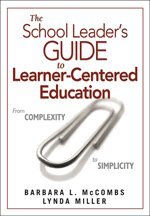
    School Leader′s Guide to Learner-Centered Education

    From Complexity to Simplicity

    AvBarbara L. McCombs,Lynda Miller

    Inbunden, Engelska, 2008

    1 324 kr

    Beställningsvara. Skickas inom 3-6 vardagar. Fri frakt över 249 kr.

    Fler format och utgåvor

    Häftad

    682 kr

    Beskrivning

    "The time is right and the need is profound for learner-centered practices in schools. McCombs and Miller describe the tools available and how a school can use them to make substantial changes that increase student performance."—Jean W. Pierce, Professor of Educational PsychologyNorthern Illinois UniversityA new leadership paradigm for increasing collaboration and boosting achievement!In today′s educational environment, school leaders must find new ways to create a positive school climate for staff and students while helping them meet rigorous testing and accountability requirements.The School Leader′s Guide to Learner-Centered Education introduces a transformative leadership model for creating and sustaining a learner-centered school environment. Using core principles of educational psychology, the authors examine how educators can support student growth, development, and achievement by focusing on key factors such as cognition, metacognition, motivation, affect, and individual differences. Numerous reflective exercises, assessment tools, and real-life success stories help readers:Provide moral leadership for creating school changeIncorporate learning standards without sacrificing student engagement Form learner-centered support groups that utilize networking and technologyPrepare students for the challenges of global citizenshipPromote success for diverse populations and marginalized groupsDesigned to meet the needs of a rapidly evolving world, this new leadership paradigm provides school principals, superintendents, and district leaders with the means to engage all members of the educational community in a lifelong process of growth, improvement, and empowerment.

    Produktinformation

    • Utgivningsdatum:2008-09-18
    • Mått:177 x 254 x 20 mm
    • Vikt:770 g
    • Format:Inbunden
    • Språk:Engelska
    • Antal sidor:288
    • Förlag:SAGE Publications Inc
    • ISBN:9781412960168

    Utforska kategorier

    • Utbildningsstrategier och utbildningspolitik inom Psykologi och pedagogik

    Mer om författaren

    Barbara L. McCombs directs the Human Motivation, Learning, and Development Center at the University of Denver. The center focuses on the professional development of educators, personal and organizational change, systemic educational reform, and school violence prevention. McCombs’ current research is directed at new leadership models for redesigning outdated views of schooling and learning. This research has led to her international and national recognition in areas that include transformational teacher development approaches, motivating hard-to-reach students, and the use of technology as a primary tool for empowering youth and facilitating relevant learning. The author has begun a series of books published by Corwin Press. Learner-Centered Classroom Practices and Assessments: Maximizing Student Motivation, Learning, and Achievement (2006) was co-authored with Lynda Miller and written for teachers. Her second book in the series, written for school administrators and other school leaders, was also co-authored with Lynda Miller and is titled A School Leader’s Guide to Creating Learner-Centered Education: From Complexity to Simplicity (2008).McCombs is the primary author of Learner-Centered Psychological Principles (LCPs): Guidelines for School Redesign and Reform. She has developed research-validated learner-centered models of teaching and learning based on the LCPs. Through collaborations with colleagues at the University of Bristol in England, she developed an online version of her Assessment of Learner-Centered Practices (ALCP) teacher and student surveys. These surveys have been validated with over 35,000 students and their teachers in Grades K-3, 4-8, 9-12, and college level. The ALCP surveys are being used in numerous national and international K-12 schools as well as colleges.Lynda Miller began her professional career as a junior high school English teacher in Westminster, Colorado. Her interest in language and cognitive development led her to graduate studies, which culminated in a PhD in language development and disorders and learning disabilities. She has held teaching positions at the University of Colorado, the University of Montana, and the University of Texas at Austin, where she pursued her research on cognition, learning styles, and intelligence. Her research and teaching focused on identifying and describing students’ learning strengths and abilities, and on translating that information into instructional strategies designed to support students’ developing skills as motivated, self-responsible learners. Miller is the author of numerous publications on a variety of topics, the majority of which focus on the learner and learning as the essential features of successful instruction.

    Recensioner i media

    "This book is for any school that promotes book studies for professional development or that is looking for ways to reach the student in a personal manner."

    Innehållsförteckning

    • AcknowledgmentsAbout the Authors1. Why This Is a Time for ChangeWhy Read This Book?Schools as Living SystemsWhat Does "Learner-Centered" Mean?How This Book Is OrganizedHow Do You Like to Learn?2. What We Know About Learning and LeadingWhat Kind of Learner and Leader Are You?What Does Existing Evidence Say About Leadership?The "Big Picture" View: An Ecology of Learning ModelWhat It Means to Be Learner-CenteredA Learner-Centered Educational ModelWhat Are the New Notions of Schooling as Part of Living Systems?Self-ReflectionsWhat′s Next3. What the Learner-Centered Model Means for PracticeWhat It Means to Be a Learner-Centered LeaderWhat the Research Shows About the Effectiveness of Learner-Centered ModelsHow the Learner-Centered Principles Translate Into Practice at the School LevelImplications for Leadership and Building Communities of LearnersSelf-ReflectionsWhat′s Next4. The Tools Needed for the JourneyTools for the Journey WithinTools for a School-Level Assessment System and Leadership ProcessImplications of Implementing Learner-Centered Leadership ToolsTools for Answering the Truly Important QuestionsSelf-Assessment and Reflection Tools to Chart the JourneySelf-ReflectionsWhat′s Next5. What Learner-Centered Assessment Tools Can AccomplishWhat Is Expected of Our Educational System?How School Leaders Can Provide What Is WantedThe Big Issues Facing Today′s School LeadersThe Leader′s New Role in Staff DevelopmentBackground and Supporting Research for the Assessment of Learner-Centered Practices SurveysExperiencing the School-Level Assessment of Learner-Centered Practices Survey for YourselfSelf-ReflectionsWhat′s Next6. How We Can Move Toward New Student and System OutcomesUnderstanding What Is and What Could BeAligning the New Vision With Existing RealitiesDealing With Current System Inequities in New Systems DesignsThe Learning Partnerships and Networks That We NeedThe Learning Partnerships You Will NeedSelf-ReflectionsWhat′s Next7. How We Develop Leadership Qualities From WithinNew Ideas From Brain ResearchPreparing for the FutureOther Characteristics of the Needed FrameworkFurther Leadership Challenges in Creating Learner-Centered ModelsWhat It Means to Develop Capacity From WithinA Summary: Moving From Complexity to SimplicitySummaryConclusionSelf-ReflectionsIntroduction to Summary ChapterIntroduction to Additional Resources8. Summary of Major Points in Each ChapterChapter 1: Why This Is a Time For ChangeChapter 2: What We Know About Learning and LeadingChapter 3: What the Learner-Centered Model Means for PracticeChapter 4: The Tools Needed for the JourneyChapter 5: What the Learner-Centered Assessment Tools Can AccomplishChapter 6: How We Can Move Toward New Student and System OutcomesChapter 7: How We Can Develop Leadership Qualities From WithinAppendixResourcesGlossary of Learner-Centered TermsReferencesIndex