Lynn Downey - Böcker
Visar alla böcker från författaren Lynn Downey. Handla med fri frakt och snabb leverans.
11 produkter
11 produkter
184 kr
Tillfälligt slut
267 kr
Skickas inom 10-15 vardagar
As San Francisco recovered from the devastating earthquake and fire of 1906, dust and ash filled the city's stuffy factories, stores, and classrooms. Dr. Philip King Brown noticed rising tuberculosis rates among the women who worked there, and he knew there were few places where they could get affordable treatment. In 1911, with the help of wealthy society women and his wife, Helen, a protégé of philanthropist Phoebe Apperson Hearst, Brown opened the Arequipa Sanatorium in Marin County. Together, Brown and his all-female staff gave new life to hundreds of working-class women suffering from tuberculosis in early-twentieth-century California.Until streptomycin was discovered in the 1940s, tubercular patients had few treatment options other than to take a rest cure at a sanatorium and endure its painful medical interventions. For the working class and minorities, especially women, the options were even fewer. Unlike most other medical facilities of the time, Arequipa treated primarily working-class women and provided the same treatment to all, including Asian American and African American women, despite the virulent racism of the time. Author Lynn Downey's own grandmother was given a terminal tuberculosis diagnosis in 1927, but after treatment at Arequipa, she lived to be 102 years old.Arequipa gave female doctors a place to practice, female nurses and social workers a place to train, and white society women a noble philanthropic mission. Although Arequipa was founded by a male doctor and later administered by his son, the sanatorium's mission was truly about the women who worked and recovered there, and it was they who kept it going.Based on sanatorium records Downey herself helped to preserve and interviews she conducted with former patients and others associated with Arequipa, Downey tells a vivid story of the sanatorium and its cure that Brown and his talented team of Progressive women made available and possible for hundreds of working-class patients.
231 kr
Skickas inom 5-8 vardagar
Viewers of films and television shows might imagine the dude ranch as something not quite legitimate, a place where city dwellers pretend to be cowboys in amusingly inauthentic fashion. But the tradition of the dude ranch, America’s original western vacation, is much more interesting and deeply connected with the culture and history of the American West. In American Dude Ranch, Lynn Downey opens new perspectives on this buckaroo getaway, with all its implications for deciphering the American imagination.Dude ranching began in the 1880s when cattle ranches ruled the West. Men, and a few women, left the comforts of their eastern lives to experience the world of the cowboy. But by the end of the century, the cattleman’s West was fading, and many ranchers turned to wrangling dudes instead of livestock. What began as a way for ranching to survive became a new industry, and as the twentieth century progressed, the dude ranch wove its way into American life and culture. Wyoming dude ranches hosted silent picture shoots, superstars such as Gene Autry were featured in dude film plots, fashion designers and companies like Levi Strauss & Co. replicated the films’ western styles, and novelists Zane Grey and Mary Roberts Rinehart moved dude ranching into popular literature.Downey follows dude ranching across the years, tracing its influence on everything from clothing to cooking and showing how ranchers adapted to changing times and vacation trends. Her book also offers a rare look at women’s place in this story, as they found personal and professional satisfaction in running their own dude ranches.However contested and complicated, western history is one of America’s national origin stories that we turn to in times of cultural upheaval. Dude ranches provide a tangible link from the real to the imagined past, and their persistence and popularity demonstrate how significant this link remains. This book tells their story—in all its familiar, eccentric, and often surprising detail.
236 kr
Skickas inom 7-10 vardagar
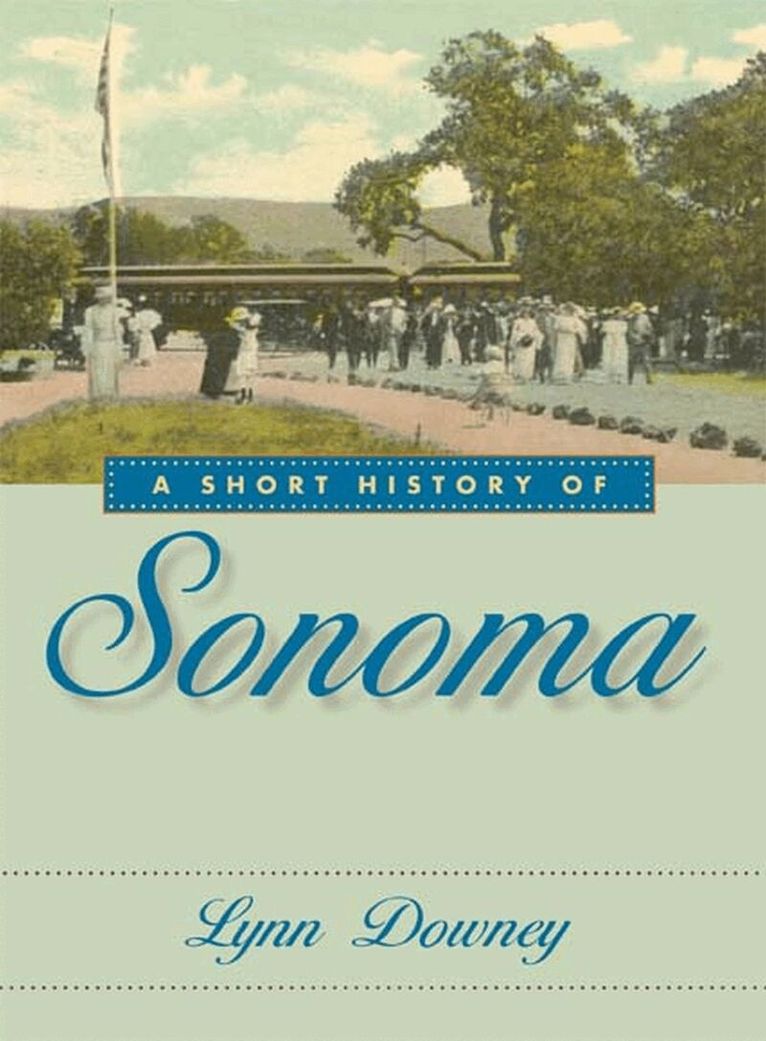
Sonoma is one of Northern California’s most desirable places to live and a popular tourist destination, combining small-town charm, a colourful past, and its current role as the hub of one of the world’s premier wine-producing regions. A Short History of Sonoma traces its past from the Native American peoples who first inhabited the valley, proceeding through the establishment of a mission by Spanish priests, the Bear Flag Revolt that began California’s movement to become part of the United States, the foundation of what would become a celebrated wine industry, and its role today as the centre of a sophisticated and highly envied food and wine culture. The book also addresses such topics as the development of local ranching and businesses and of transportation links to San Francisco that helped to make Sonoma and the surrounding Valley of the Moon a popular location for summer homes and resorts. It discusses the role of the nearby hot springs in attracting visitors and permanent residents, including people seeking cures for various ailments. There are also accounts of some of the famous people who lived in or near Sonoma and helped establish its mystique, including Mexican general Mariano Vallejo, the town’s first leader; Hungarian winemaker Agoston Haraszathy, who first saw the region’s potential for producing superior wines; and writers Jack London and M. F. K. Fisher, who made their homes in the Valley of the Moon, drawn by its beauty and bucolic lifestyle. A Short History of Sonoma is generously illustrated with vintage photographs. It is a delightful account of one of America’s most charming towns and its evolution from rowdy frontier settlement to the paragon of sophisticated living that it is today.
277 kr
Skickas inom 5-8 vardagar
299 kr
Skickas inom 5-8 vardagar
355 kr
Skickas inom 7-10 vardagar
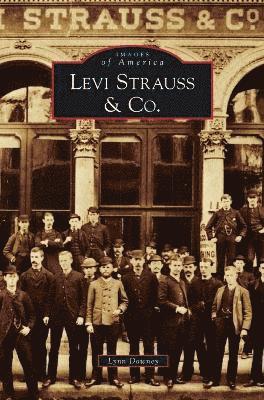
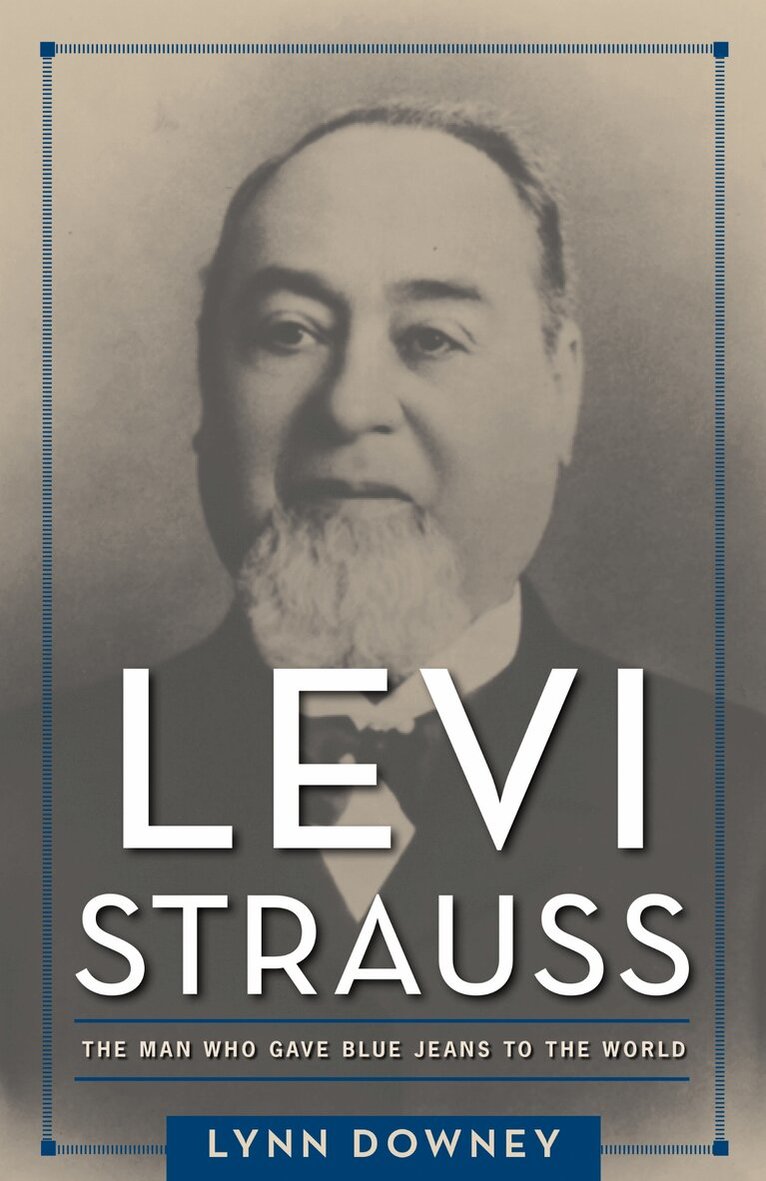
Blue jeans are globally beloved and quintessentially American. They symbolize everything from the Old West to the hippie counter-culture; everyone from car mechanics to high-fashion models wears jeans. And no name is more associated with blue jeans than Levi Strauss & Co., the creator of this classic American garment.As a young man Levi Strauss left his home in Germany and immigrated to America. He made his way to San Francisco and by 1853 had started his company. Soon he was a leading businessman in a growing commercial city that was beginning to influence the rest of the nation. Family-centered and deeply rooted in his Jewish faith, Strauss was the hub of a wheel whose spokes reached into nearly every aspect of American culture: business, philanthropy, politics, immigration, transportation, education, and fashion.But despite creating an American icon, Levi Strauss is a mystery. Little is known about the man, and the widely circulated ""facts"" about his life are steeped in mythology. In this first full-length biography, Lynn Downey sets the record straight about this brilliant businessman. Strauss's life was the classic American success story, filled with lessons about craft and integrity, leadership and innovation.
292 kr
Tillfälligt slut
271 kr
Skickas inom 5-8 vardagar
347 kr
Skickas inom 5-8 vardagar
245 kr
Skickas inom 5-8 vardagar