Lynn Matluck Brooks - Böcker
Visar alla böcker från författaren Lynn Matluck Brooks. Handla med fri frakt och snabb leverans.
6 produkter
6 produkter
296 kr
Skickas inom 10-15 vardagar
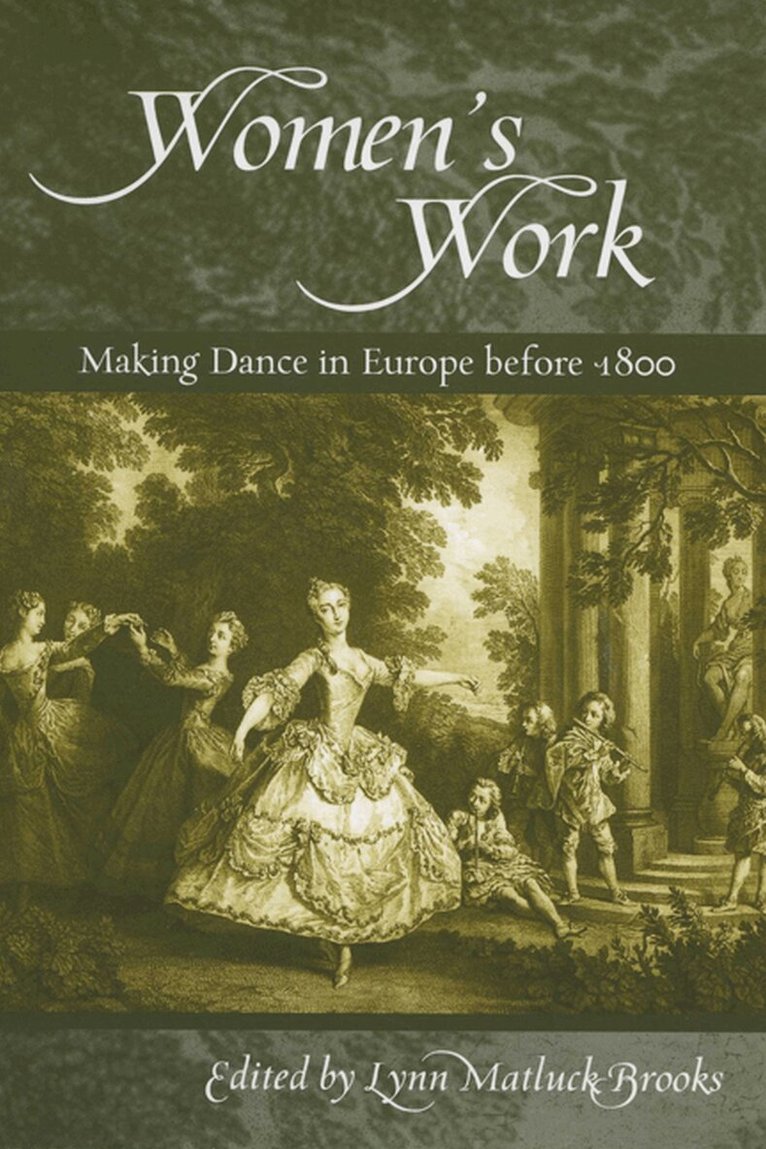
Like the history of women, dance has been difficult to capture as a historical subject. Yet in bringing together these two areas of study, the nine internationally renowned scholars in this volume shed new and surprising light on women's roles as performers of dance, choreographers, shapers of aesthetic trends, and patrons of dance in Italy, France, England, and Germany before 1800. Through dance, women asserted power in spheres largely dominated by men: the court, the theater, and the church. As women's dance worlds intersected with men's, their lives and visions were supported or opposed, creating a complex politics of creative, spiritual, and political expression. From a women's religious order in the thirteenth-century Low Countries that used dance as a spiritual rite of passage to the salon culture of eighteenth-century France where dance become an integral part of women's cultural influence, the writers in this volume explore the meaning of these women's stories, performances, and dancing bodies, demonstrating that dance is truly a field across which women have moved with finesse and power for many centuries past.
1 001 kr
Skickas inom 10-15 vardagar
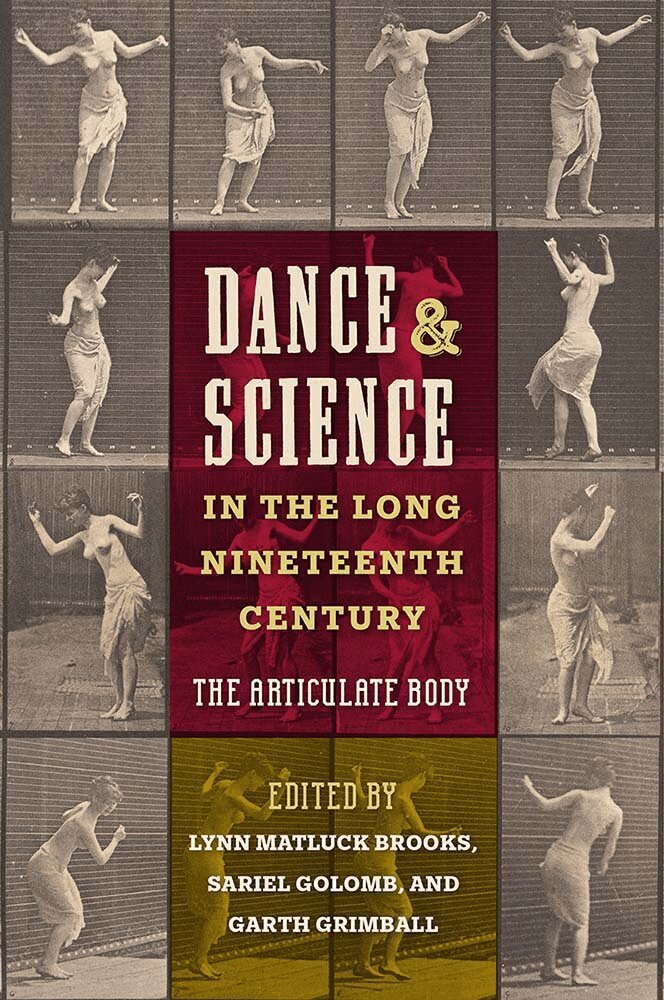
Revealing the interplay and influence of dance and science during an age of colonial expansionBringing together dance and science, two paradigms that explore the nature and possibilities of the body, this volume illuminates the meanings and articulations of dance in nineteenth-century societies. This global collection of studies reveals how the two fields informed each other’s development and engaged with dominant European worldviews in a time of unprecedented colonial expansion.The chapters in Dance and Science in the Long Nineteenth Century examine how trends and developments in the performing arts reflected scientific thinking of this era, including the categorization of “types” of bodies and the ranking of cultural and religious beliefs, as well as how dance served as an active site of inquiry where the workings and limits of the human body could be studied. Researchers discuss topics including the influence of plant biology on the aesthetics of ballet, technological advancements in the staging and recording of performances, arguments for the use of Eurhythmics in promoting a stronger “race,” and European fascination with Indian dance and yoga. Featuring response essays that put leading scholars in conversation with one another and offer new perspectives, this volume is unique for its geographic scope and its discussion of diverse bodies, cultures, themes, and scientific disciplines. It sheds light on a historical interplay that has shaped many of today’s political and cultural realities.Contributors: Johanna Pitetti-Heil Chantal Frankenbach Jane Desmond Christian Ducomb Claudia Jeschke Kélina Gotman Pallabi Chakravorty Andrea Harris Dick McCaw Stephen Ha Emily Coates Tiziana Leucci Elizabeth Claire Susan Cook Carrie Streeter Olivia Sabee Janice Ross Alexander H. Schwan Whitney Laemmli
270 kr
Kommande
Revealing the interplay and influence of dance and science during an age of colonial expansionBringing together dance and science, two paradigms that explore the nature and possibilities of the body, this volume illuminates the meanings and articulations of dance in nineteenth-century societies. This global collection of studies reveals how the two fields informed each other’s development and engaged with dominant European worldviews in a time of unprecedented colonial expansion.The chapters in Dance and Science in the Long Nineteenth Century examine how trends and developments in the performing arts reflected scientific thinking of this era, including the categorization of “types” of bodies and the ranking of cultural and religious beliefs, as well as how dance served as an active site of inquiry where the workings and limits of the human body could be studied. Researchers discuss topics including the influence of plant biology on the aesthetics of ballet, technological advancements in the staging and recording of performances, arguments for the use of Eurhythmics in promoting a stronger “race,” and European fascination with Indian dance and yoga.Featuring response essays that put leading scholars in conversation with one another and offer new perspectives, this volume is unique in its geographic scope and its discussion of diverse bodies, cultures, themes, and scientific disciplines. It sheds light on a historical interplay that has shaped many of today’s political and cultural realities.
1 307 kr
Skickas inom 7-10 vardagar
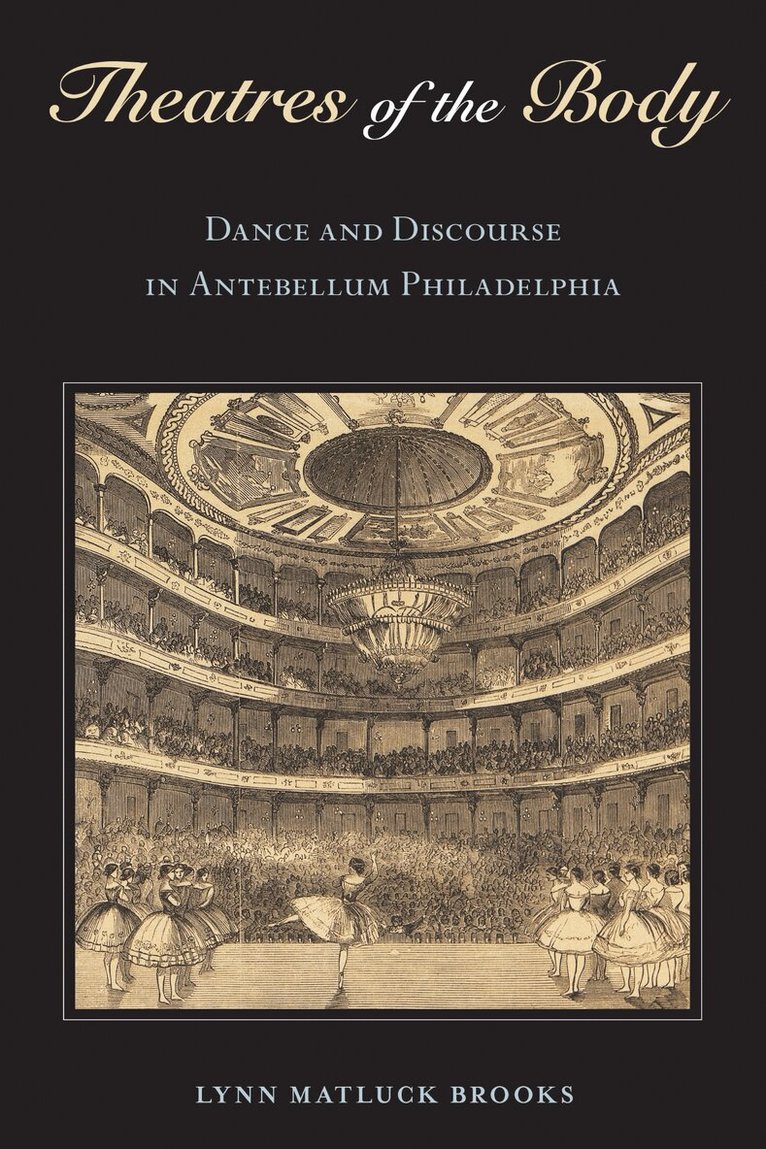
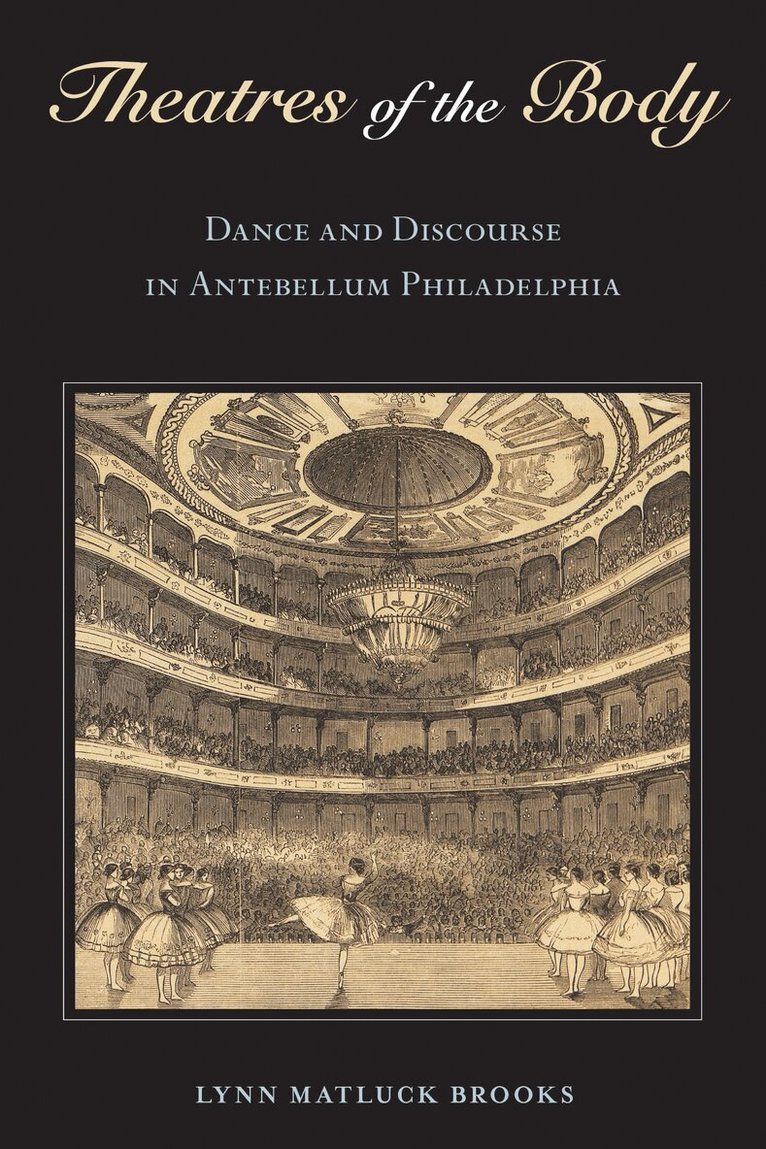
Theatres of the Body is Lynn Matluck Brooks’ critical examination of danced stage productions in antebellum Philadelphia. Starting in the 1820s, Brooks explores visual art and social and theatrical dancing across different classes, focusing on the work of E. W. Clay. Continuing through the 1830s, she looks at pantomime ballets and blackface minstrelsy through a political lens, asking questions regarding citizenship, slavery, and freedom. At the time, the city boasted the largest number of native-born ballet dancers in the young nation. Philadelphia also became a creative home to blackface star T. D. Rice, who helped popularize that performance genre.Reviewing print culture in the 1840s, Brooks shows how newspapers, magazines, and popular fiction provided documentation of dancing in Philadelphia as well as the responses of dance commentators, practitioners, and moralists. Theatres of the Body also considers the interplay of science with dance in the 1850s, which impacted both dance practices and reception.Providing an expansive historiography of these significant contributions to dance in the United States, Brooks deepens our understanding of antebellum culture and history.
370 kr
Skickas
Theatres of the Body is Lynn Matluck Brooks’ critical examination of danced stage productions in antebellum Philadelphia. Starting in the 1820s, Brooks explores visual art and social and theatrical dancing across different classes, focusing on the work of E. W. Clay. Continuing through the 1830s, she looks at pantomime ballets and blackface minstrelsy through a political lens, asking questions regarding citizenship, slavery, and freedom. At the time, the city boasted the largest number of native-born ballet dancers in the young nation. Philadelphia also became a creative home to blackface star T. D. Rice, who helped popularize that performance genre.Reviewing print culture in the 1840s, Brooks shows how newspapers, magazines, and popular fiction provided documentation of dancing in Philadelphia as well as the responses of dance commentators, practitioners, and moralists. Theatres of the Body also considers the interplay of science with dance in the 1850s, which impacted both dance practices and reception.Providing an expansive historiography of these significant contributions to dance in the United States, Brooks deepens our understanding of antebellum culture and history.
1 526 kr
Skickas inom 5-8 vardagar