Lynn T. Ramey – författare
Visar alla böcker från författaren Lynn T. Ramey. Handla med fri frakt och snabb leverans.
8 produkter
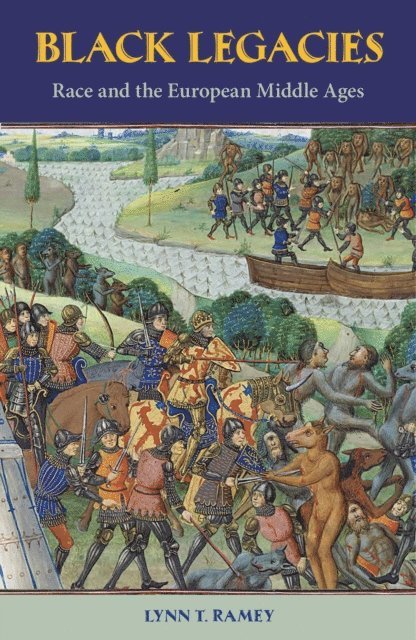
Black Legacies
Race and the European Middle Ages
E-bok, 2014
1267 kr
Lägg i varukorg
Black Legacies looks at color-based prejudice in medieval and modern texts in order to reveal key similarities. Bringing far-removed time periods into startling conversation, this book argues that certain attitudes and practices present in Europe’s Middle Ages were foundational in the development …
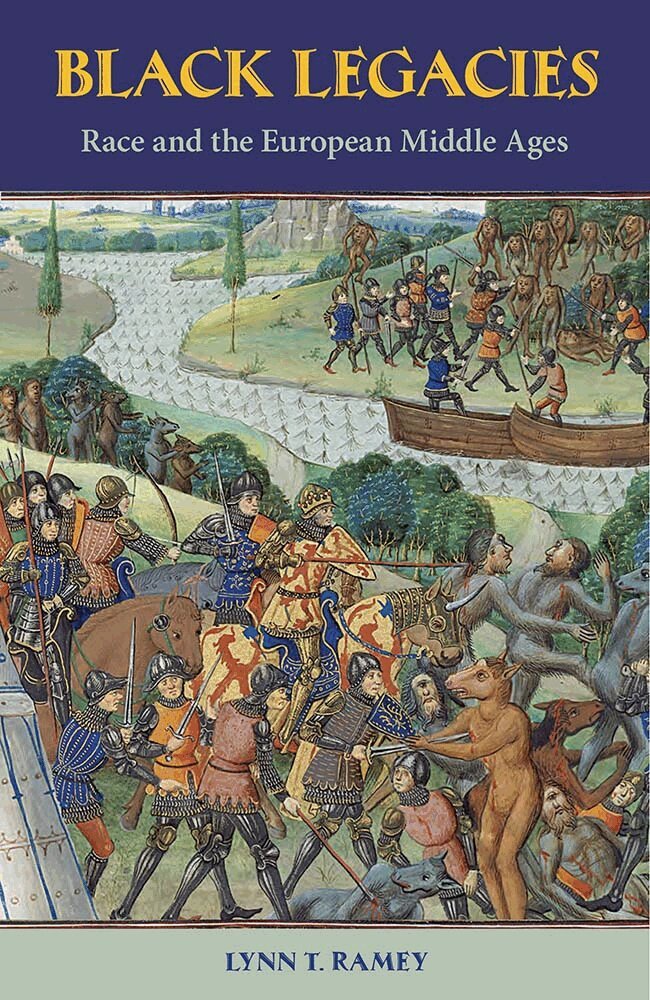
Black Legacies
Race and the European Middle Ages
Inbunden, 2014
906 kr
Lägg i varukorg
Black Legacies looks at color-based prejudice in medieval and modern texts in order to reveal key similarities. Bringing far-removed time periods into startling conversation, this book argues that certain attitudes and practices present in Europe’s Middle Ages were foundational in the development …
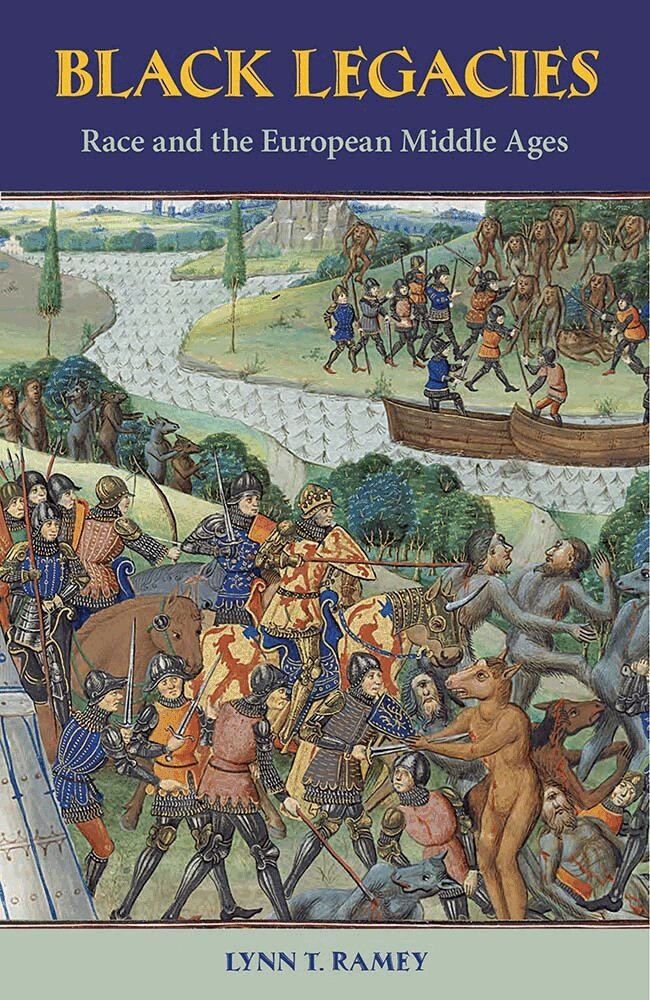
Black Legacies
Race and the European Middle Ages
Häftad, 2016
251 kr
Lägg i varukorg
Bringing far-removed time periods into startling conversation, this book argues that certain attitudes and practices present in Europe's Middle Ages were foundational in the development of the western concept of race. As early as the twelfth and thirteenth centuries, society was already preoccupied …
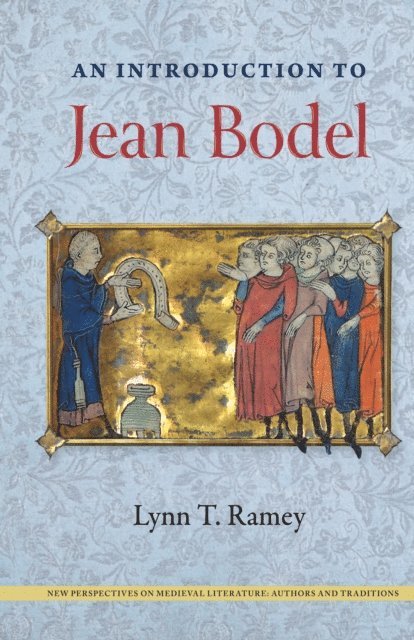
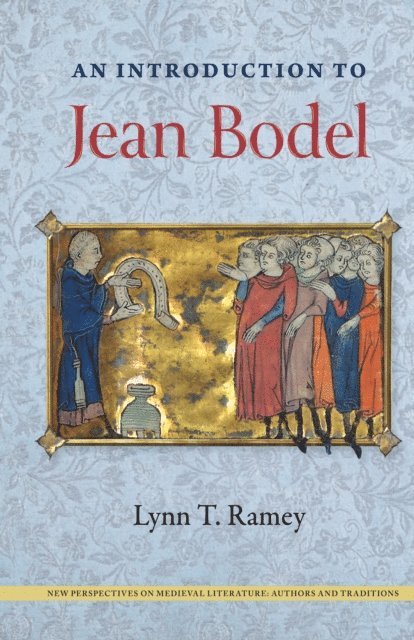
Introduction to Jean Bodel
E-bok, 2024
3186 kr
Lägg i varukorg
Bringing the work of a highly influentialmedieval French writer to English-speaking audiences for the first time Thisbook explores the life and works of Jean Bodel, an influential author who livedin twelfth-century Arras, France. A versatile poet, playwright, and epic writerwho established new …
Introduction to Jean Bodel
E-bok, 2024
1593 kr
Lägg i varukorg
Bringing the work of a highly influentialmedieval French writer to English-speaking audiences for the first time Thisbook explores the life and works of Jean Bodel, an influential author who livedin twelfth-century Arras, France. A versatile poet, playwright, and epic writerwho established new …
Introduction to Jean Bodel
Inbunden, 2024
1045 kr
Lägg i varukorg
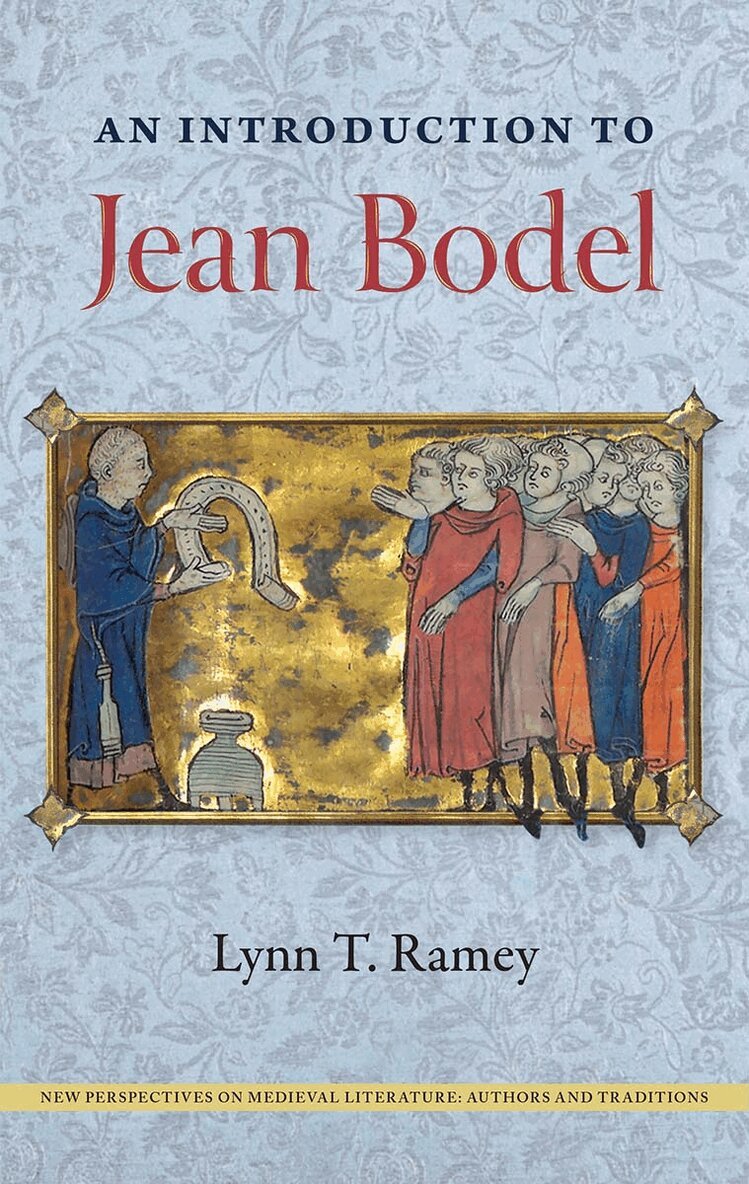
Bringing the work of a highly influential medieval French writer to English-speaking audiences for the first timeThis book explores the life and works of Jean Bodel, an influential author who lived in twelfth-century Arras, France. A versatile poet, playwright, and epic writer who established new …
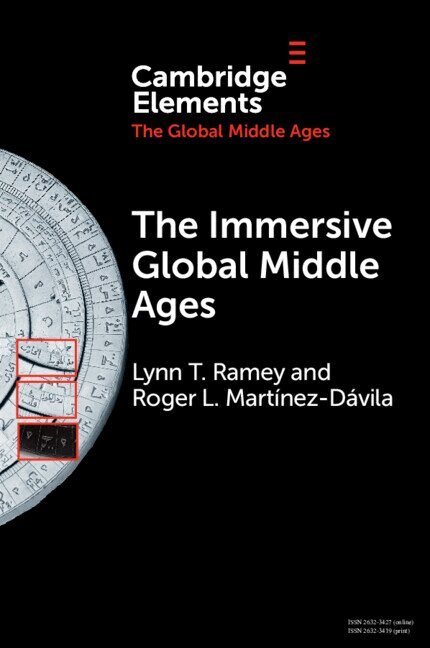
The Immersive Global Middle Ages
Av Lynn T. Ramey, Roger L. Martínez-Dávila
Häftad, 2026
253 kr
Kommande
The Immersive Global Middle Ages emerges from a National Endowment for the Humanities-funded institute that explored how immersive digital environments can transform research and teaching about the global Middle Ages. Recognizing the medieval world as interconnected and culturally diverse, this …
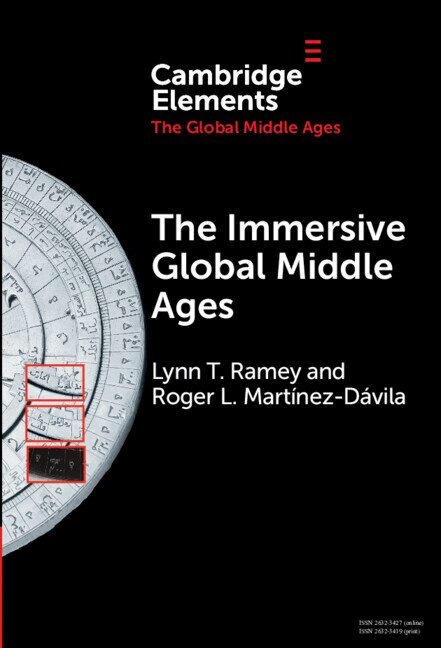
The Immersive Global Middle Ages
Av Lynn T. Ramey, Roger L. Martínez-Dávila
Inbunden, 2026
798 kr
Kommande
The Immersive Global Middle Ages emerges from a National Endowment for the Humanities-funded institute that explored how immersive digital environments can transform research and teaching about the global Middle Ages. Recognizing the medieval world as interconnected and culturally diverse, this …