M. Ariel Cascio – författare
Visar alla böcker från författaren M. Ariel Cascio. Handla med fri frakt och snabb leverans.
3 produkter
3 produkter
E-bok
PDF, Engelska, 2019880 kr
Läs direkt efter köp
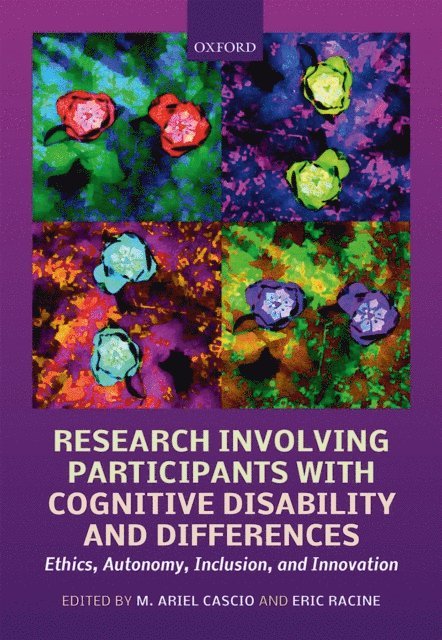
Research participants who have cognitive disabilities and differences may be considered a vulnerable population. At the same time, they should also be empowered to participate in research in order to foster the growth of knowledge and the improvement of practices. For research participants with cognitive disabilities or differences, participating in research that concerns them follows the Disability Rights Movement''s call “Nothing About Us Without Us” andis a vital component of the principle of justice. However, cognitive disabilities and differences may pose challenges to ethical research, particularly with respect to the research ethics principle of autonomy, for a variety of reasons. Several alternative or modified strategies, for example when obtaininginformed consent, have been used by researchers.This volume provides timely, multidisciplinary insights into the ethical aspects of research that includes participants with cognitive disability and differences. These include conditions such as intellectual disability, autism, mild cognitive impairment (MCI), and psychiatric diagnoses. The chapters in this volume describe situations where difficulties arise, explore strategies for empowerment and inclusion, drawing on both empirical and normative research to offer suggestions for researchdesign, research ethics, and best practices that empower people with cognitive disabilities and differences to participate in research while respecting and managing potential coercion or undue influence.The book includes contributions from scholars in anthropology, sociology, ethics, child studies, health and rehabilitation sciences, philosophy, and law who address these issues in both clinical and social/behavioural research. The book will be valuable for anyone performing research involving these populations - from the fields of neuropsychology, neurology, psychiatry, and neuroscience.
E-bok
Engelska, 2019880 kr
Läs direkt efter köp
Research participants who have cognitive disabilities and differences may be considered a vulnerable population. At the same time, they should also be empowered to participate in research in order to foster the growth of knowledge and the improvement of practices. For research participants with cognitive disabilities or differences, participating in research that concerns them follows the Disability Rights Movement''s call “Nothing About Us Without Us” andis a vital component of the principle of justice. However, cognitive disabilities and differences may pose challenges to ethical research, particularly with respect to the research ethics principle of autonomy, for a variety of reasons. Several alternative or modified strategies, for example when obtaininginformed consent, have been used by researchers.This volume provides timely, multidisciplinary insights into the ethical aspects of research that includes participants with cognitive disability and differences. These include conditions such as intellectual disability, autism, mild cognitive impairment (MCI), and psychiatric diagnoses. The chapters in this volume describe situations where difficulties arise, explore strategies for empowerment and inclusion, drawing on both empirical and normative research to offer suggestions for researchdesign, research ethics, and best practices that empower people with cognitive disabilities and differences to participate in research while respecting and managing potential coercion or undue influence.The book includes contributions from scholars in anthropology, sociology, ethics, child studies, health and rehabilitation sciences, philosophy, and law who address these issues in both clinical and social/behavioural research. The book will be valuable for anyone performing research involving these populations - from the fields of neuropsychology, neurology, psychiatry, and neuroscience.
Inbunden, Engelska, 2019
748 kr
Skickas inom 5-8 vardagar
Research participants who have cognitive disability and difference may be considered a vulnerable population. At the same time, they should also be empowered to participate in research in order to foster the growth of knowledge and the improvement of practices that concern them. Participating in such research follows the Disability Rights Movement's call - "nothing about us without us."This volume provides timely, multidisciplinary insights into the ethical aspects of research that includes participants with cognitive disability and difference. These include conditions such as intellectual disability, autism, mild cognitive impairment (MCI), and psychiatric diagnoses. The chapters in this volume describe situations where difficulties arise, And explore strategies for empowerment and inclusion. They draw on both empirical and normative research to offer suggestions for research design, research ethics, and best practices that empower people with cognitive disabilities and differences to participate in research while respecting and managing potential coercion or undue influence.This interdisciplinary volume includes contributions from scholars in anthropology, sociology, ethics, child studies, health and rehabilitation sciences, philosophy, and law who address these issues in both clinical and social/behavioral research. It will be valuable for anyone conducting research involving these populations in the clinical, humanistic, or social sciences.