M. D'Agostino – författare
Visar alla böcker från författaren M. D'Agostino. Handla med fri frakt och snabb leverans.
6 produkter
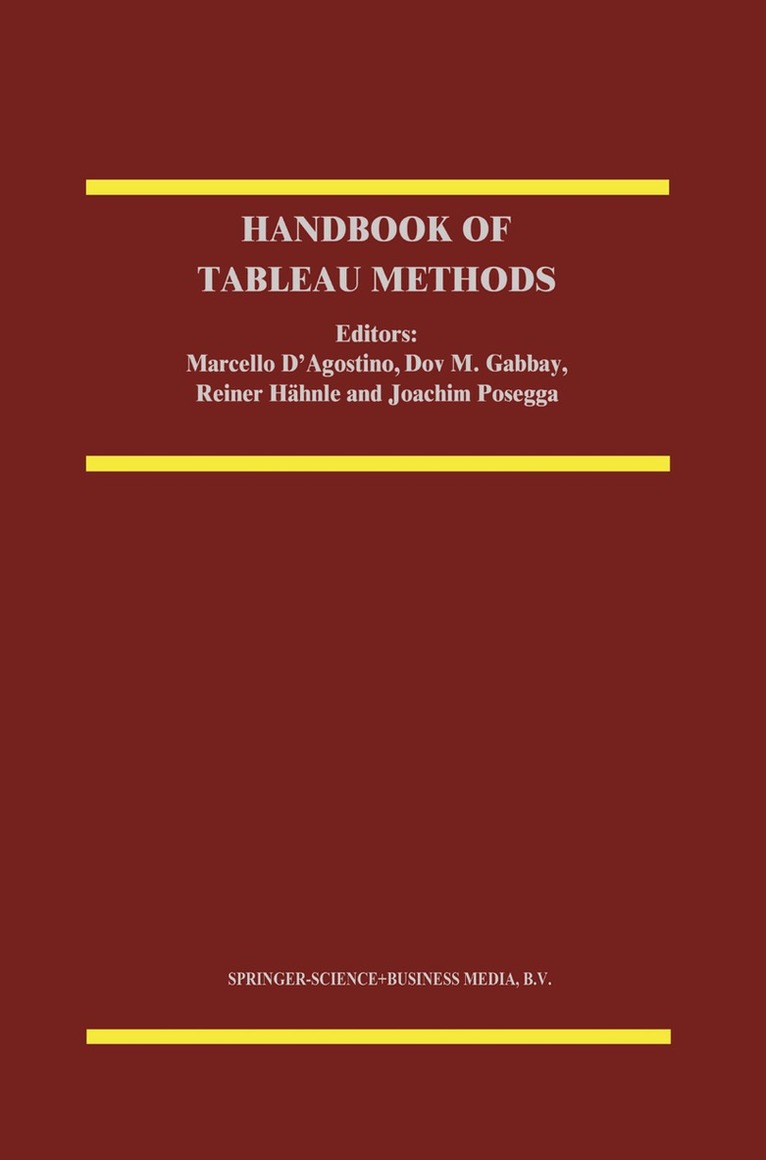
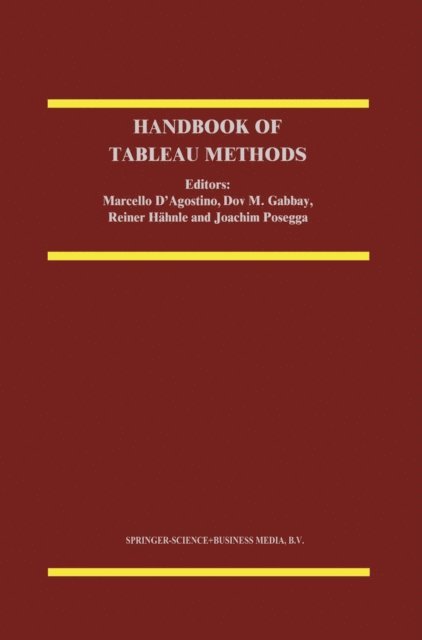
Handbook of Tableau Methods
Av M. D'Agostino, Dov M. Gabbay m. fl.
Inbunden, 1999
2179 kr
Lägg i varukorg
Recent years have been blessed with an abundance of logical systems, arising from a multitude of applications. A logic can be characterised in many different ways. Traditionally, a logic is presented via the following three components: 1. an intuitive non-formal motivation, perhaps tie it in to …
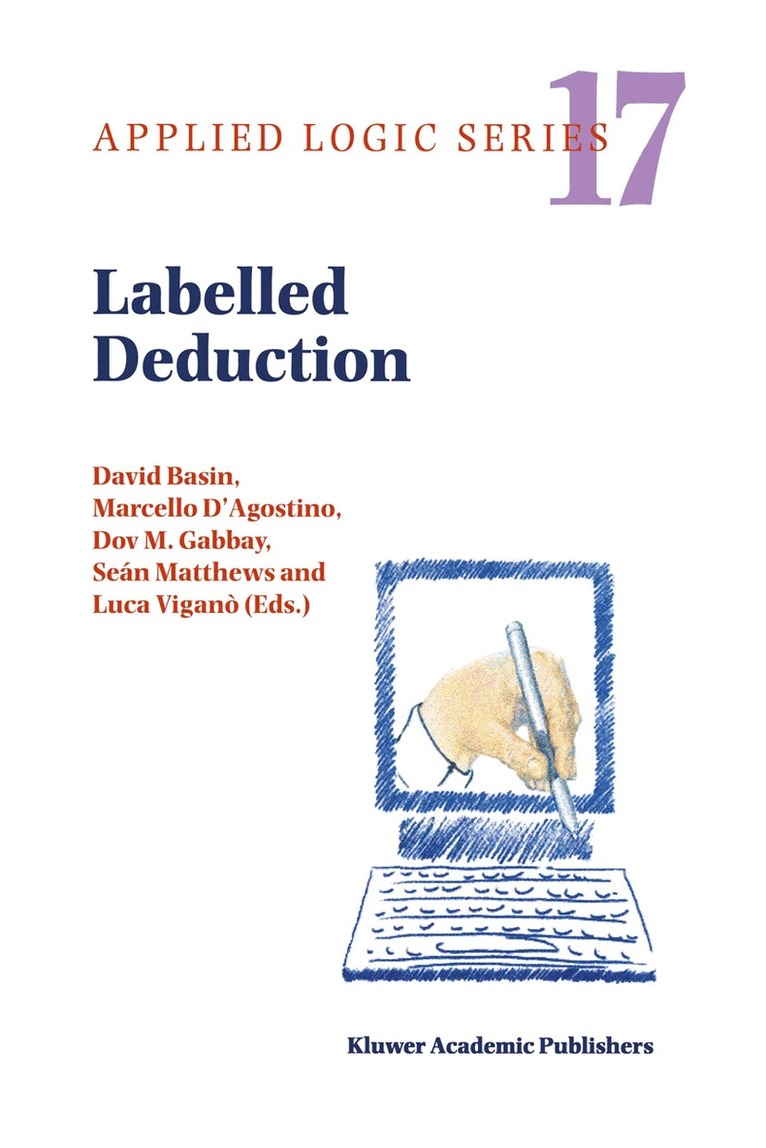
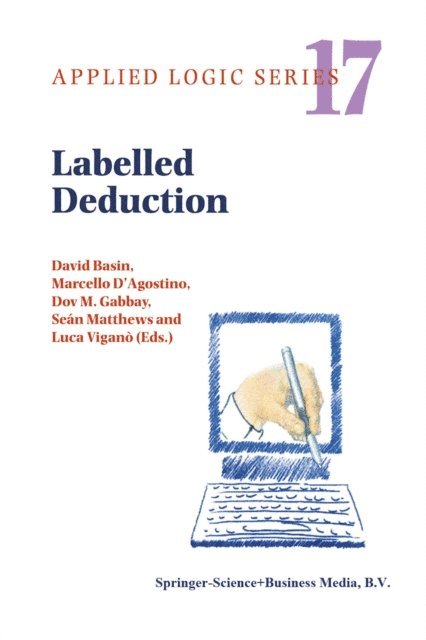
Labelled Deduction
Av Marcello D'Agostino, Dov M. Gabbay m. fl.
Inbunden, 2000
1093 kr
Lägg i varukorg
Labelled deduction is an approach to providing frameworks for presenting and using different logics in a uniform and natural way by enriching the language of a logic with additional information of a semantic proof-theoretical nature. Labelled deduction systems often possess attractive properties, …
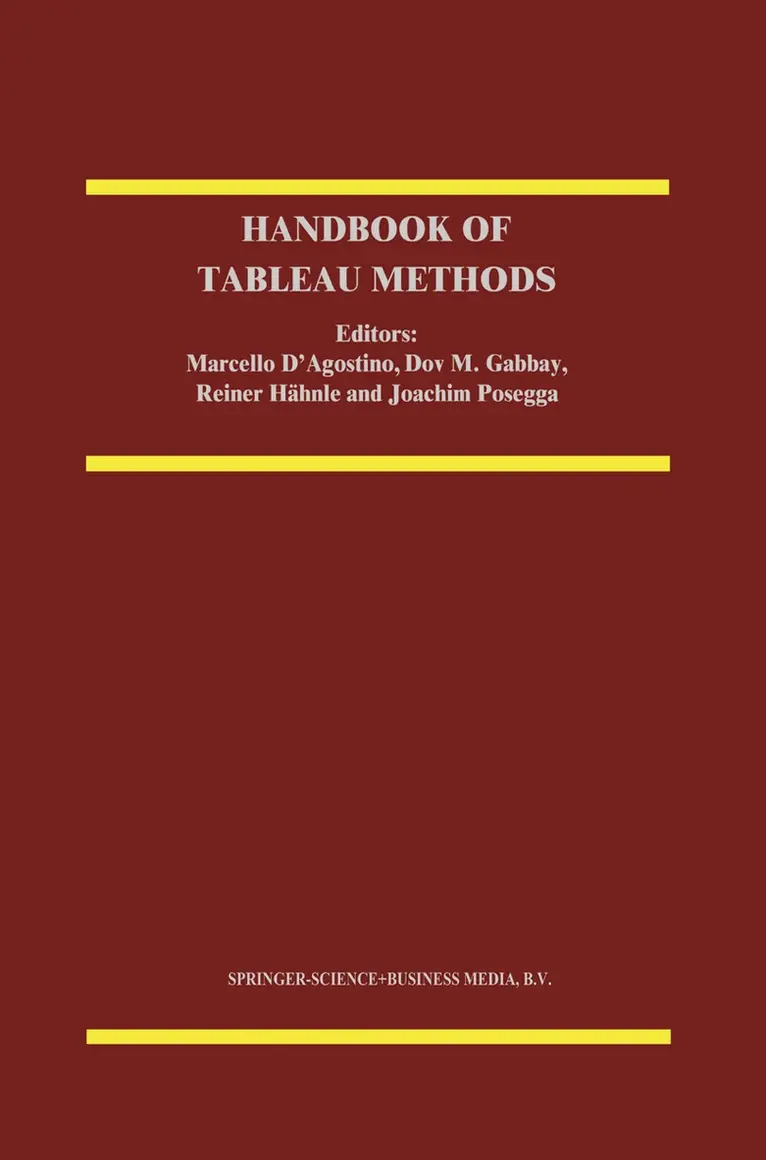
Handbook of Tableau Methods
Av M. D'Agostino, Dov M. Gabbay m. fl.
Häftad, 2010
2179 kr
Lägg i varukorg
Recent years have been blessed with an abundance of logical systems, arising from a multitude of applications. A logic can be characterised in many different ways. Traditionally, a logic is presented via the following three components: 1. an intuitive non-formal motivation, perhaps tie it in to …
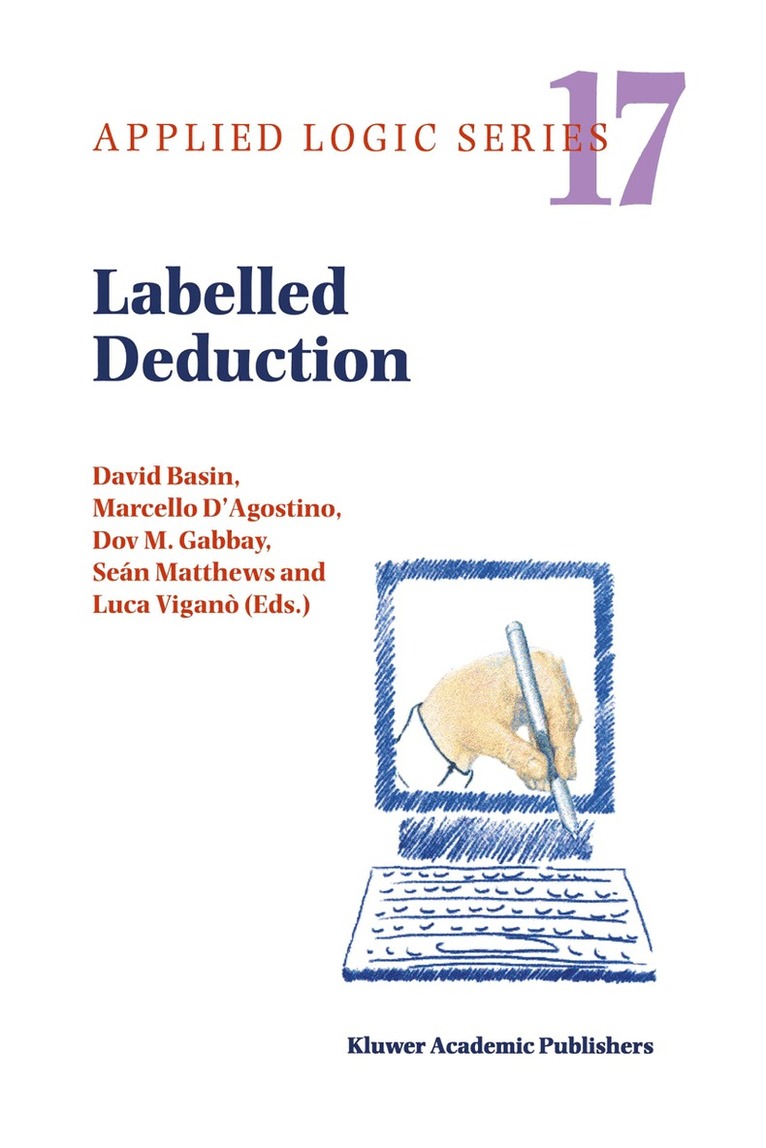
Labelled Deduction
Av David Basin, M. D'Agostino m. fl.
Häftad, 2012
1093 kr
Lägg i varukorg
Labelled deduction is an approach to providing frameworks for presenting and using different logics in a uniform and natural way by enriching the language of a logic with additional information of a semantic proof-theoretical nature. Labelled deduction systems often possess attractive properties, …
Labelled Deduction
Av Luca Vigano, Sean Matthews m. fl.
E-bok, 2012
1413 kr
Lägg i varukorg
Labelled deduction is an approach to providing frameworks for presenting and using different logics in a uniform and natural way by enriching the language of a logic with additional information of a semantic proof-theoretical nature. Labelled deduction systems often possess attractive properties, …
Handbook of Tableau Methods
Av J. Posegga, Reiner Hahnle m. fl.
E-bok, 2013
2925 kr
Lägg i varukorg
Recent years have been blessed with an abundance of logical systems, arising from a multitude of applications. A logic can be characterised in many different ways. Traditionally, a logic is presented via the following three components: 1. an intuitive non-formal motivation, perhaps tie it in to …