M. Lock - Böcker
Visar alla böcker från författaren M. Lock. Handla med fri frakt och snabb leverans.
3 produkter
3 produkter
534 kr
Skickas inom 10-15 vardagar
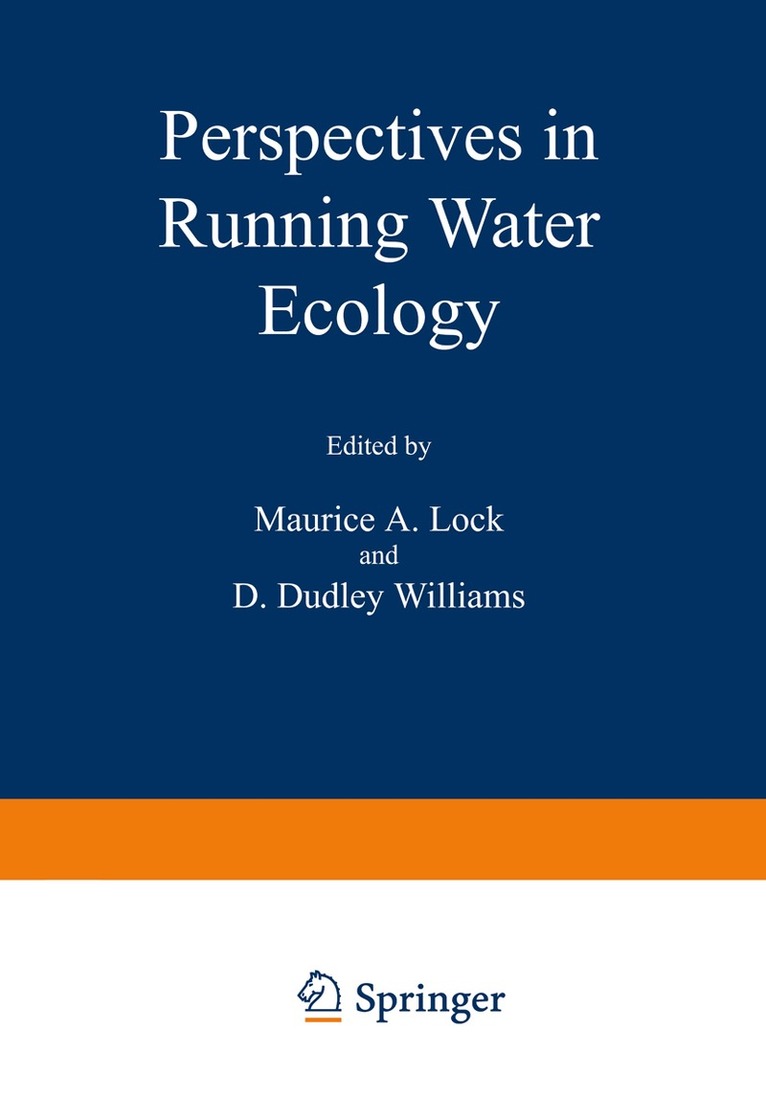
The discipline of stream ecology has grown exponentially along with most other areas of science in the last three decades. The field has changed from a fish management-dominated poor-sister of limnology to a discipline with theoretical constructs and ecological insights as rich as those in any area of ecology. A focus on energy transformations, nutrient turnover and the storage and processing of organic substrates has greatly enhanced the development of current paradigms. For example, the data base on microbial-biochemical invertebrate interactions in streams is now very extensive. A survey of the stream ecology literature reveals the central role played by H.B. Noel Hynes, whom I believe to be the world's premier lotic ecologist. Professor Hynes produced the major text in the field ("The Ecology of Running Waters") which has served both as an integrative review and as a bridge between the fish-water quality orientation of the fifties and sixties to the process oriented, nutritional resource-watershed perspectives of the seventies. It should also be noted that Professor Hynes' book, "The Biology of Polluted Waters", served as a basic reference for the earlier period and he has published over 150 research papers, the great majority in stream ecology, spanning four decades.
2 180 kr
Skickas inom 10-15 vardagar
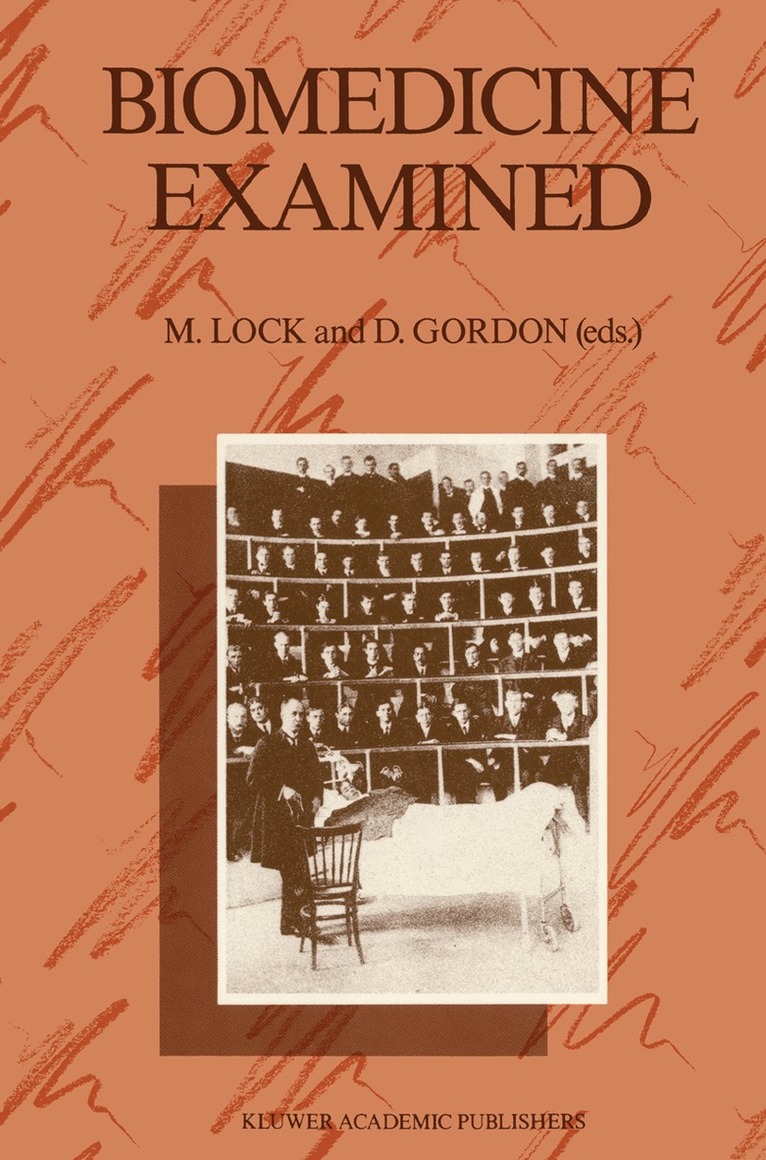
The culture of contemporary medicine is the object of investigation in this book; the meanings and values implicit in biomedical knowledge and practice and the social processes through which they are produced are examined through the use of specific case studies. The essays provide examples of how various facets of 20th century medicine, including edu cation, research, the creation of medical knowledge, the development and application of technology, and day to day medical practice, are per vaded by a value system characteristic of an industrial-capitalistic view of the world in which the idea that science represents an objective and value free body of knowledge is dominant. The authors of the essays are sociologists and anthropologists (in almost equal numbers); also included are papers by a social historian and by three physicians all of whom have steeped themselves in the social sci ences and humanities. This co-operative endeavor, which has necessi tated the breaking down of disciplinary barriers to some extent, is per haps indicative of a larger movement in the social sciences, one in which there is a searching for a middle ground between grand theory and attempts at universal explanations on the one hand, and the context-spe cific empiricism and relativistic accounts characteristic of many historical and anthropological analyses on the other.
2 397 kr
Skickas inom 10-15 vardagar
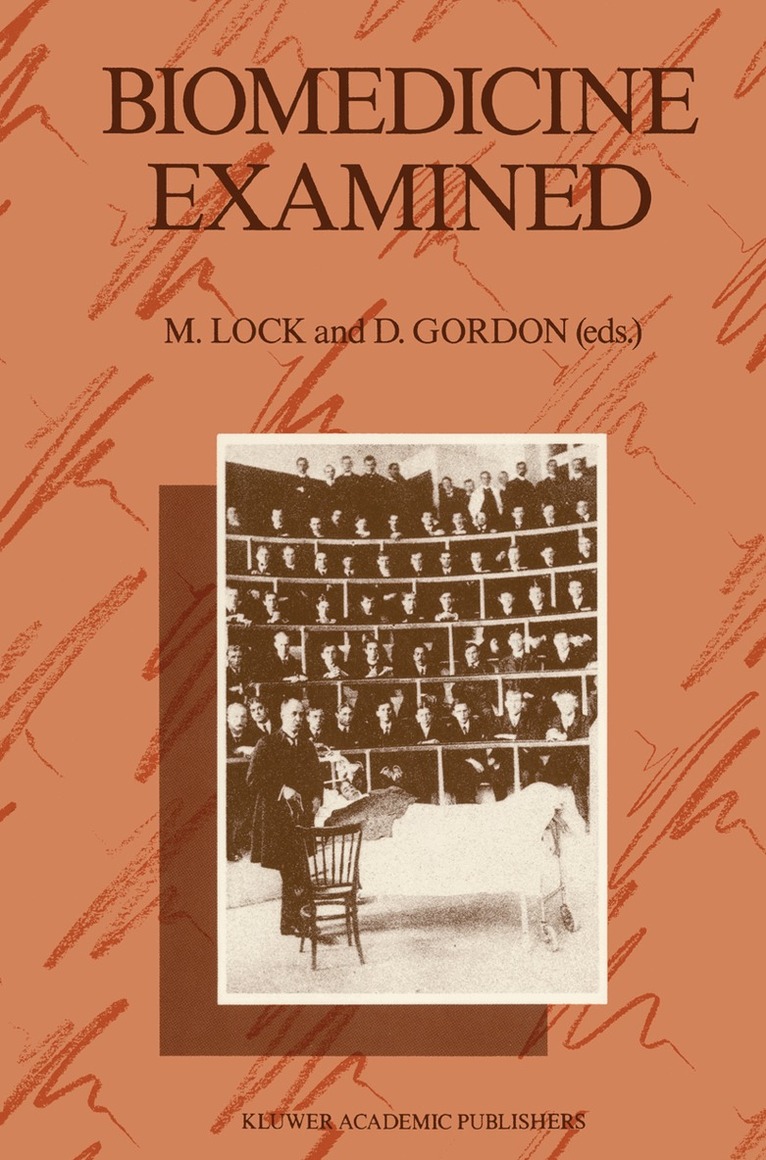
The culture of contemporary medicine is the object of investigation in this book; the meanings and values implicit in biomedical knowledge and practice and the social processes through which they are produced are examined through the use of specific case studies. The essays provide examples of how various facets of 20th century medicine, including edu cation, research, the creation of medical knowledge, the development and application of technology, and day to day medical practice, are per vaded by a value system characteristic of an industrial-capitalistic view of the world in which the idea that science represents an objective and value free body of knowledge is dominant. The authors of the essays are sociologists and anthropologists (in almost equal numbers); also included are papers by a social historian and by three physicians all of whom have steeped themselves in the social sci ences and humanities. This co-operative endeavor, which has necessi tated the breaking down of disciplinary barriers to some extent, is per haps indicative of a larger movement in the social sciences, one in which there is a searching for a middle ground between grand theory and attempts at universal explanations on the one hand, and the context-spe cific empiricism and relativistic accounts characteristic of many historical and anthropological analyses on the other.