M. S. Nathawat – författare
2 130 kr
Skickas inom 5-8 vardagar
2 451 kr
Skickas inom 5-8 vardagar
2 578 kr
Läs direkt efter köp
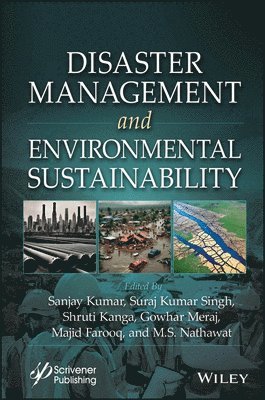
Overuse of natural resources results in environmental deterioration, lowering the effectiveness of important ecosystem services, such as the mitigation of floods and landslides. This leads to a greater risk of disaster and, in turn, natural hazards that can further deteriorate the environment. The deterioration of the capacity of the environment to meet social and ecological aims and demands is described as environmental degradation. This degradation and the concomitant reduction of ecosystems and their irreplaceable services (the benefits humans gain) are driving disaster risk. Changes to the environment can alter the frequency and intensity of risks, as well as our exposure and sensitivity to these hazards. Addressing these issues requires improvement of the capacity to perform short and medium-term operations in disaster management based on long-term environmental considerations. At the local level, minimizing environmental degradation and ecosystem loss involves awareness of the links between unsustainable development and poverty.
Communities are often driven to ruin their natural environment as a short-term coping mechanism for dealing with immediate issues; for instance, surviving a bad harvest by selling wood. Strategies for decreasing poverty by investing in environment-sensitive development should therefore support initiatives to minimize disaster risk and build resilience. There are common aspects in successful policies throughout various regions at the policy level, which extends to controlling climate change. Tools such as integrated water resources and coastal zone management, the removal of environmentally harmful subsidies, especially on fossil fuels and/or carbon taxes, renewable energy, marine protected areas, and cross-boundary biodiversity conservation, are all examples of policies used in more than one region but customized to each context. This scoping study finds and assesses available materials that relate environmental challenges and management with catastrophes and risk reduction activities in the Asia-Pacific area. This volume''s analysis relies on case studies, examples, and the results of questionnaires and interviews of practitioners and organizations operating in the environment, disaster, and development domains.
2 578 kr
Läs direkt efter köp
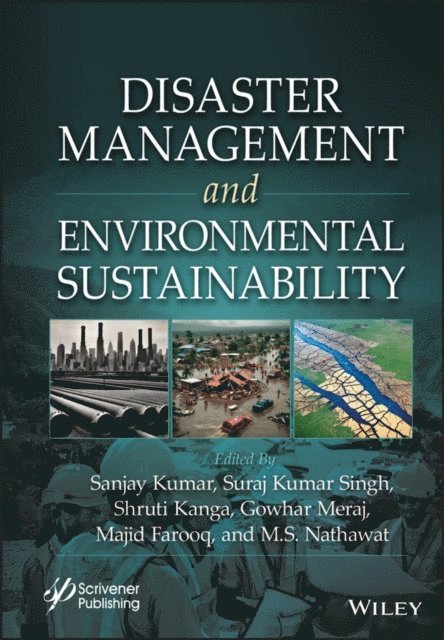
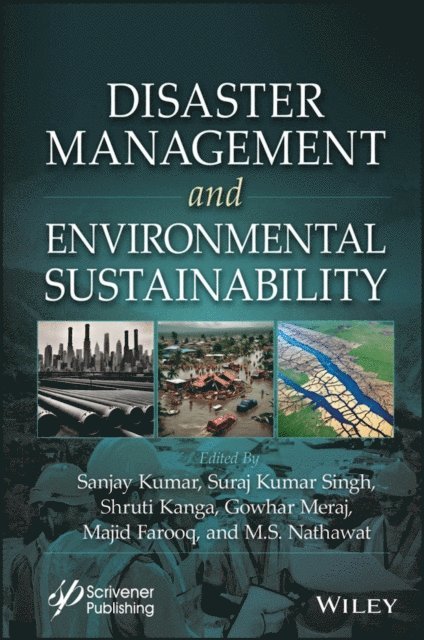
Overuse of natural resources results in environmental deterioration, lowering the effectiveness of important ecosystem services, such as the mitigation of floods and landslides. This leads to a greater risk of disaster and, in turn, natural hazards that can further deteriorate the environment. The deterioration of the capacity of the environment to meet social and ecological aims and demands is described as environmental degradation. This degradation and the concomitant reduction of ecosystems and their irreplaceable services (the benefits humans gain) are driving disaster risk. Changes to the environment can alter the frequency and intensity of risks, as well as our exposure and sensitivity to these hazards. Addressing these issues requires improvement of the capacity to perform short and medium-term operations in disaster management based on long-term environmental considerations. At the local level, minimizing environmental degradation and ecosystem loss involves awareness of the links between unsustainable development and poverty.
Communities are often driven to ruin their natural environment as a short-term coping mechanism for dealing with immediate issues; for instance, surviving a bad harvest by selling wood. Strategies for decreasing poverty by investing in environment-sensitive development should therefore support initiatives to minimize disaster risk and build resilience. There are common aspects in successful policies throughout various regions at the policy level, which extends to controlling climate change. Tools such as integrated water resources and coastal zone management, the removal of environmentally harmful subsidies, especially on fossil fuels and/or carbon taxes, renewable energy, marine protected areas, and cross-boundary biodiversity conservation, are all examples of policies used in more than one region but customized to each context. This scoping study finds and assesses available materials that relate environmental challenges and management with catastrophes and risk reduction activities in the Asia-Pacific area. This volume''s analysis relies on case studies, examples, and the results of questionnaires and interviews of practitioners and organizations operating in the environment, disaster, and development domains.
2 885 kr
Läs direkt efter köp
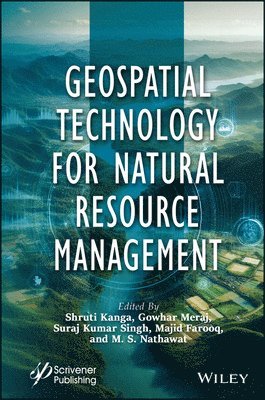
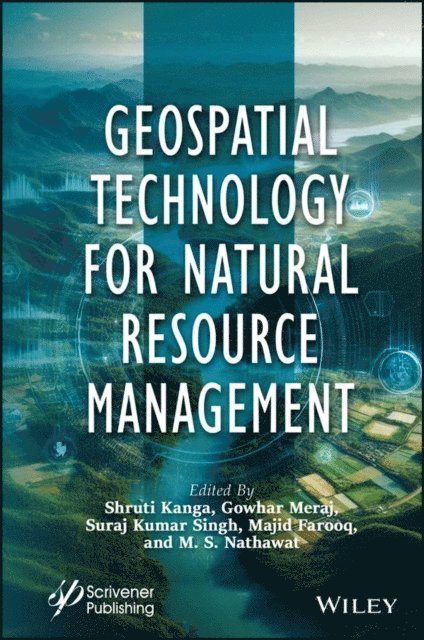
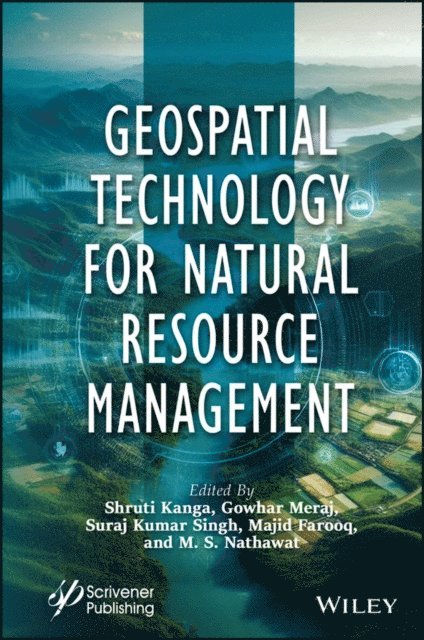
This book is essential for anyone interested in understanding and implementing sustainable resource development strategies, as it covers the crucial first stage of assessing resource availability and condition, along with the use of modern geospatial technologies such as remote sensing, GIS, and GPS for surveying, mapping, and monitoring various resources for global environmental protection and sustainable development.
The first step in developing a sustainable resource strategy is assessing the availability and condition of resources. This involves evaluating baseline levels, identifying trends, and understanding their consequences. Mitigation policies are then developed based on this assessment. Modern geospatial technologies like Remote Sensing (RS), Geographic Information Systems (GIS), and Global Positioning Systems (GPS) offer powerful tools for surveying, mapping, and monitoring both renewable and nonrenewable resources. These technologies support global environmental protection, disaster management, and sustainable development by providing repetitive and global data. GPS provides accurate geographic coordinates, while GIS allows visualization, analysis, and decision-making through spatial data, enabling the study of complex environmental and natural resource challenges at various scales.
2 885 kr
Läs direkt efter köp
This book is essential for anyone interested in understanding and implementing sustainable resource development strategies, as it covers the crucial first stage of assessing resource availability and condition, along with the use of modern geospatial technologies such as remote sensing, GIS, and GPS for surveying, mapping, and monitoring various resources for global environmental protection and sustainable development.
The first step in developing a sustainable resource strategy is assessing the availability and condition of resources. This involves evaluating baseline levels, identifying trends, and understanding their consequences. Mitigation policies are then developed based on this assessment. Modern geospatial technologies like Remote Sensing (RS), Geographic Information Systems (GIS), and Global Positioning Systems (GPS) offer powerful tools for surveying, mapping, and monitoring both renewable and nonrenewable resources. These technologies support global environmental protection, disaster management, and sustainable development by providing repetitive and global data. GPS provides accurate geographic coordinates, while GIS allows visualization, analysis, and decision-making through spatial data, enabling the study of complex environmental and natural resource challenges at various scales.
2 412 kr
Kommande
816 kr
Skickas inom 5-8 vardagar
823 kr
Skickas inom 5-8 vardagar
816 kr
Skickas inom 5-8 vardagar
816 kr
Skickas inom 5-8 vardagar
816 kr
Skickas inom 5-8 vardagar