M. Şükrü Hanioğlu – författare
Visar alla böcker från författaren M. Şükrü Hanioğlu. Handla med fri frakt och snabb leverans.
7 produkter
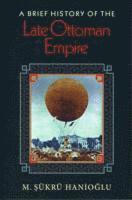
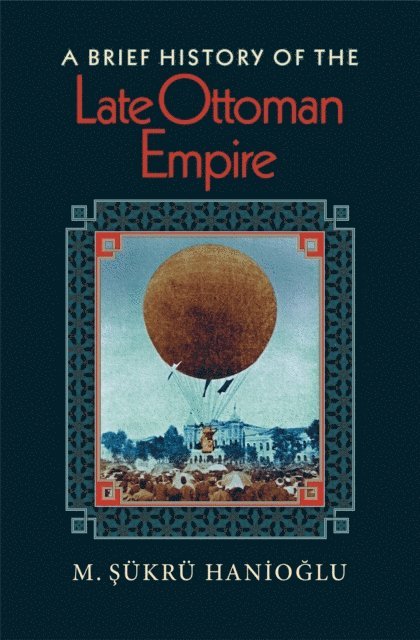
Brief History of the Late Ottoman Empire
Häftad, 2010
317 kr
Lägg i varukorg
At the turn of the nineteenth century, the Ottoman Empire straddled three continents and encompassed extraordinary ethnic and cultural diversity among the estimated thirty million people living within its borders. It was perhaps the most cosmopolitan state in the world--and possibly the most …
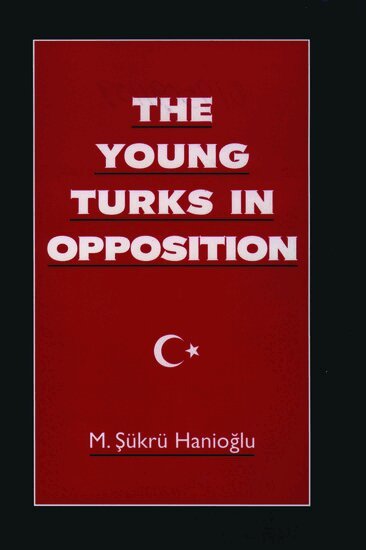
The Young Turks in Opposition
Inbunden, 1995
1903 kr
Lägg i varukorg
This is the first in-depth study of the secret society called CUP (Committee of Union and Progress), based on their own papers. It pays special attention to the Young Turks as an intellectual movement which continues to influence the thinking of Turkish intellectuals in the 1990s. It also provides …
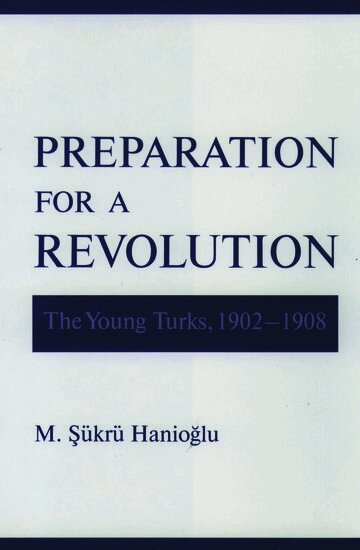
Preparation for a Revolution
The Young Turks, 1902-1908
Inbunden, 2001
2463 kr
Lägg i varukorg
This book is a challenging re-evaluation of the Young Turk Revolution of 1908, a seminal event in the late Ottoman Empire and in the emergence of the modern nation-states in the Middle East and Balkans. Breaking new ground, the book describes how the practical considerations forced the Young Turks …
Young Turks in Opposition
E-bok, 1995
1190 kr
Lägg i varukorg
In 1908, the revolution of the Young Turks deposed the dictatorship of Sultan Abdulhamid II and established a constitutional regime that became the major ruling power in the Ottoman empire. But the seeds of this revolution went back much farther: to 1889, when the secret Young Turk organization the …
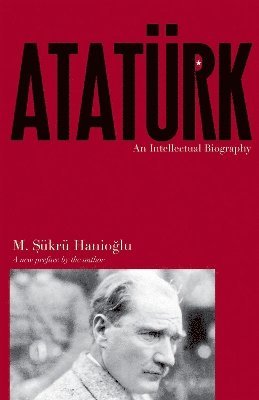
Atatürk
An Intellectual Biography
Häftad, 2017
253 kr
Lägg i varukorg
When Mustafa Kemal Ataturk became the first president of Turkey in 1923, he set about transforming his country into a secular republic where nationalism sanctified by science--and by the personality cult Ataturk created around himself--would reign supreme as the new religion. This book provides the …
Brief History of the Late Ottoman Empire
E-bok, 2010
427 kr
Lägg i varukorg
At the turn of the nineteenth century, the Ottoman Empire straddled three continents and encompassed extraordinary ethnic and cultural diversity among the estimated thirty million people living within its borders. It was perhaps the most cosmopolitan state in the world--and possibly the most …
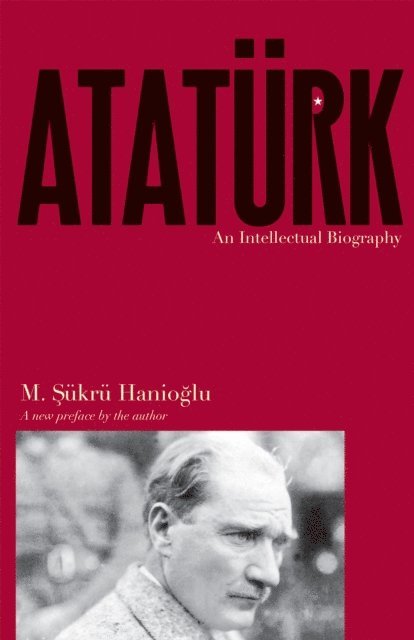
Ataturk
An Intellectual Biography
E-bok, 2017
326 kr
Lägg i varukorg
A biography of the founder of modern Turkey that chronicles the ideas that shaped him When Mustafa Kemal Atatürk became the first president of Turkey in 1923, he set about transforming his country into a secular republic where nationalism sanctified by science—and by the personality cult Atatürk …