Madi Williams - Böcker
Visar alla böcker från författaren Madi Williams. Handla med fri frakt och snabb leverans.
2 produkter
2 produkter
277 kr
Skickas inom 7-10 vardagar
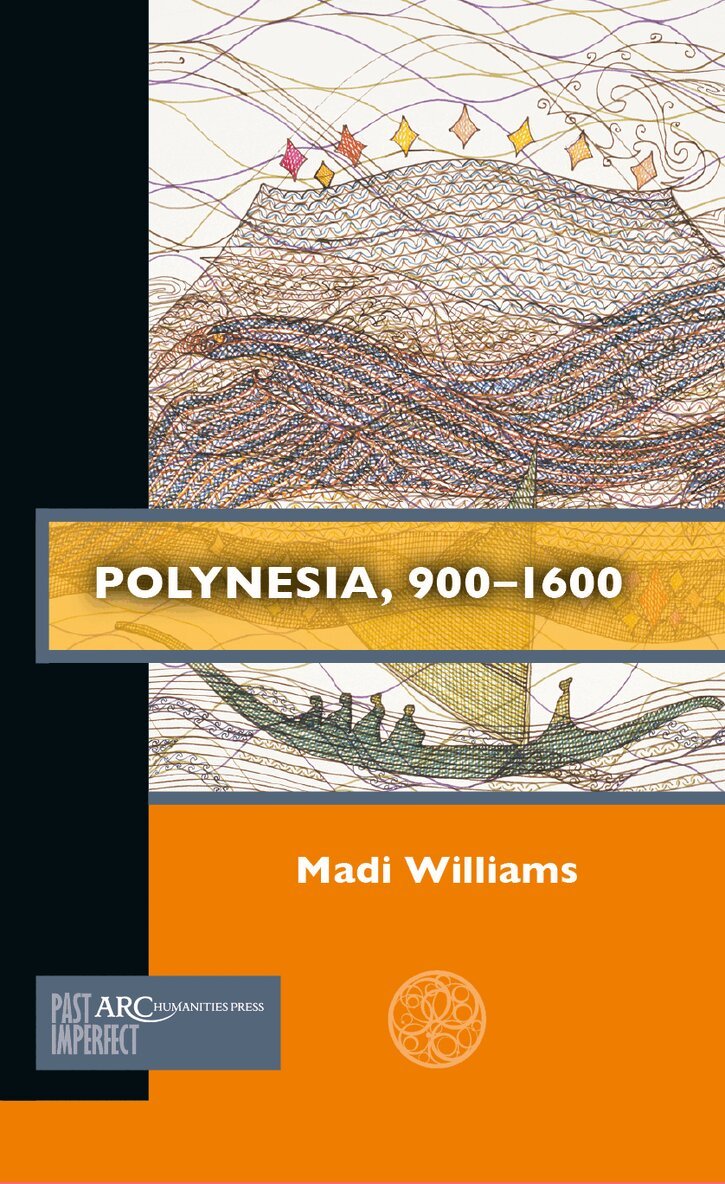
This book provides a concise overview of the history of Polynesia, focusing on New Zealand and its outlying islands, during the period 900–1600. It provides a thematic examination of Polynesia to avoid placing the region’s history into an inaccurate, linear Western chronology. The themes of movement and migration, adaptation and change, and development and expansion offer the optimal means of understanding Polynesia during this time. Through this innovative and unique perspective on Polynesian history, which has not been previously undertaken, the reader is encouraged to think about regions outside Europe in relation to the premodern period.
461 kr
Kommande
Ngāti Kuia are tangata whenua of Te Tauihu-o-Te-Waka-a-Māui (the northern South Island). Descended from the ancestress Kuia, their whakapapa sits within a rich and complex Māori lineage, connecting with the stories held by neighbouring iwi – particularly the other Kurahaupō waka groups. Their networks also stretch towards the head of the country, linking to iwi originating from the East Coast of Te Ika-a-Māui (the North Island), such as Ngāi Tahu, Ngāti Kahungunu, Muaūpoko, and ultimately back to the Polynesian homelands, Hawaiki.Drawing on hundreds of whakapapa, pūrākau, waiata and karakia recorded in nineteenth-century tribal manuscripts and court records, Madi Williams presents Ngāti Kuia history in Ngāti Kuia voices. From the stories of such tīpuna as Kaikaiāwaro and Hinepopo, through early encounters with neighbouring iwi and European settlers, to recent events such as the Treaty settlement process, this expansive account places Ngāti Kuia at the heart of the region’s living, layered history.As Te Kenehi Teira observed during the Ngāti Kuia Treaty claim, the history of the iwi resembles ‘one huge jigsaw puzzle – you have to find all the pieces and put them together’. In this book, the pieces finally sit alongside one another.