Magda Raczynska – författare
Visar alla böcker från författaren Magda Raczynska. Handla med fri frakt och snabb leverans.
10 produkter
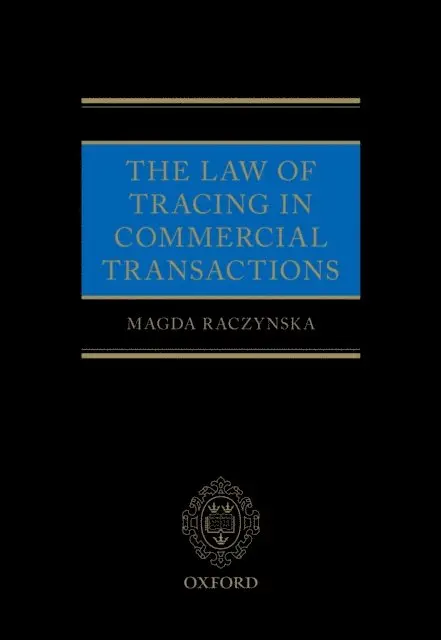
Law of Tracing in Commercial Transactions
E-bok, 2018
2614 kr
Lägg i varukorg
A pressing problem often facing commercial practitioners is how to determine the principle which would dictate when a proprietary claim is available and when it is not. This book explains the nature and structure of key interests in property in commercial transactions and analyses the incidence of …
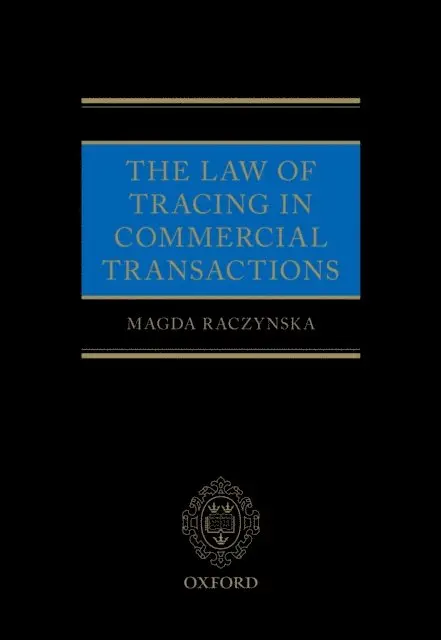
Law of Tracing in Commercial Transactions
E-bok, 2018
2614 kr
Lägg i varukorg
A pressing problem often facing commercial practitioners is how to determine the principle which would dictate when a proprietary claim is available and when it is not. This book explains the nature and structure of key interests in property in commercial transactions and analyses the incidence of …
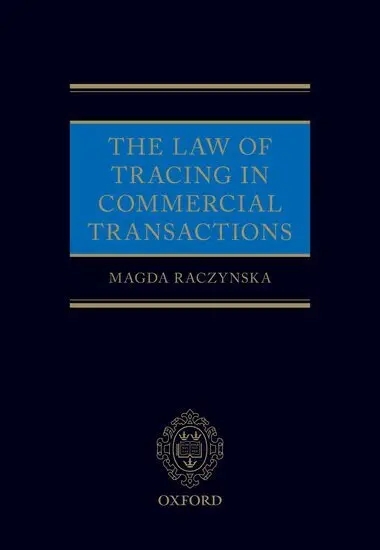
The Law of Tracing in Commercial Transactions
Inbunden, 2018
3492 kr
Lägg i varukorg
A pressing problem often facing commercial practitioners is how to determine the principle which would dictate when a proprietary claim is available and when it is not. This book explains the nature and structure of key interests in property in commercial transactions and analyses the incidence of …
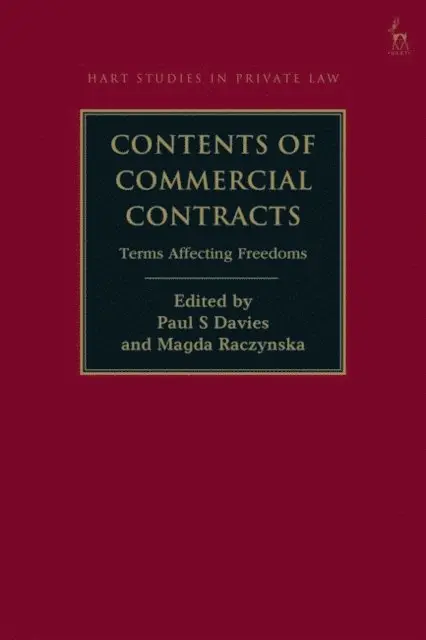
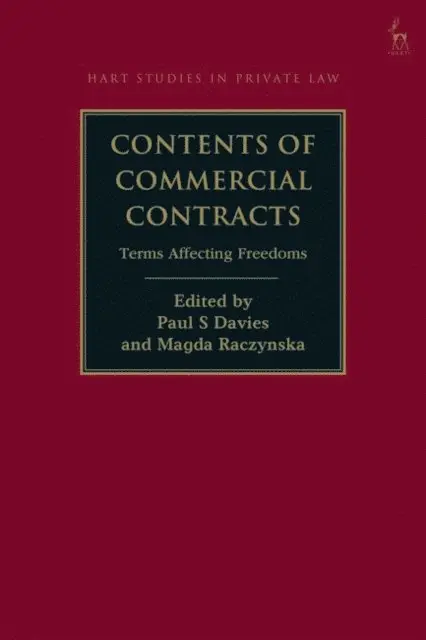
Contents of Commercial Contracts
Terms Affecting Freedoms
Av Paul S Davies, Magda Raczynska
Inbunden, 2020
1955 kr
Lägg i varukorg
Freedom of contract is a great strength of English law: indeed it is a key reason why English law is often the law of choice. But the terms of commercial contracts often restrict freedom of action. This book considers such terms. Leading commentators take stock of recent developments such as …
Contents of Commercial Contracts
Terms Affecting Freedoms
Av Paul S Davies, Magda Raczynska
E-bok, 2020
860 kr
Lägg i varukorg
Freedom of contract is a great strength of English law: indeed it is a key reason why English law is often the law of choice. But the terms of commercial contracts often restrict freedom of action. This book considers such terms. Leading commentators take stock of recent developments such as …
Contents of Commercial Contracts
Terms Affecting Freedoms
Av Paul S Davies, Magda Raczynska
E-bok, 2020
860 kr
Lägg i varukorg
Freedom of contract is a great strength of English law: indeed it is a key reason why English law is often the law of choice. But the terms of commercial contracts often restrict freedom of action. This book considers such terms. Leading commentators take stock of recent developments such as …
Contents of Commercial Contracts
Terms Affecting Freedoms
Av Paul S Davies, Magda Raczynska
Häftad, 2022
786 kr
Lägg i varukorg
Freedom of contract is a great strength of English law: indeed it is a key reason why English law is often the law of choice. But the terms of commercial contracts often restrict freedom of action. This book considers such terms. Leading commentators take stock of recent developments such as …
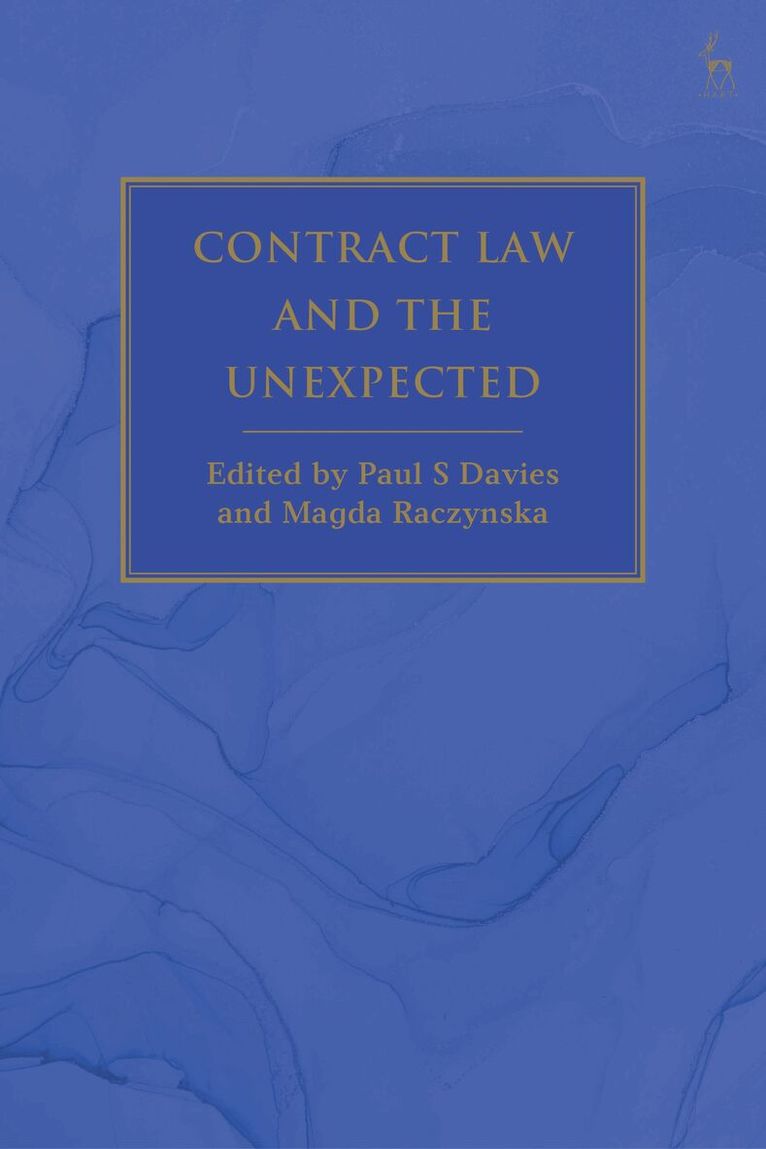
Contract Law and the Unexpected
Av Paul S Davies, Magda Raczynska
Inbunden, 2026
1240 kr
Lägg i varukorg
The question explored in this book is how contracts can manage uncertainties. Commercial parties face uncertainties on a regular basis. Market fluctuations, new laws and regulations, pandemics, rapid technology advancements and geopolitical tensions are all examples of events whose nature cannot be …
Contract Law and the Unexpected
Av Paul S Davies, Magda Raczynska
E-bok, 2026
1319 kr
Lägg i varukorg
The question explored in this book is how contracts can manage uncertainties. Commercial parties face uncertainties on a regular basis. Market fluctuations, new laws and regulations, pandemics, rapid technology advancements and geopolitical tensions are all examples of events whose nature cannot be …
Contract Law and the Unexpected
Av Paul S Davies, Magda Raczynska
E-bok, 2026
1362 kr
Lägg i varukorg
The question explored in this book is how contracts can manage uncertainties. Commercial parties face uncertainties on a regular basis. Market fluctuations, new laws and regulations, pandemics, rapid technology advancements and geopolitical tensions are all examples of events whose nature cannot be …