Magdalena S. Sánchez – författare
Visar alla böcker från författaren Magdalena S. Sánchez. Handla med fri frakt och snabb leverans.
7 produkter
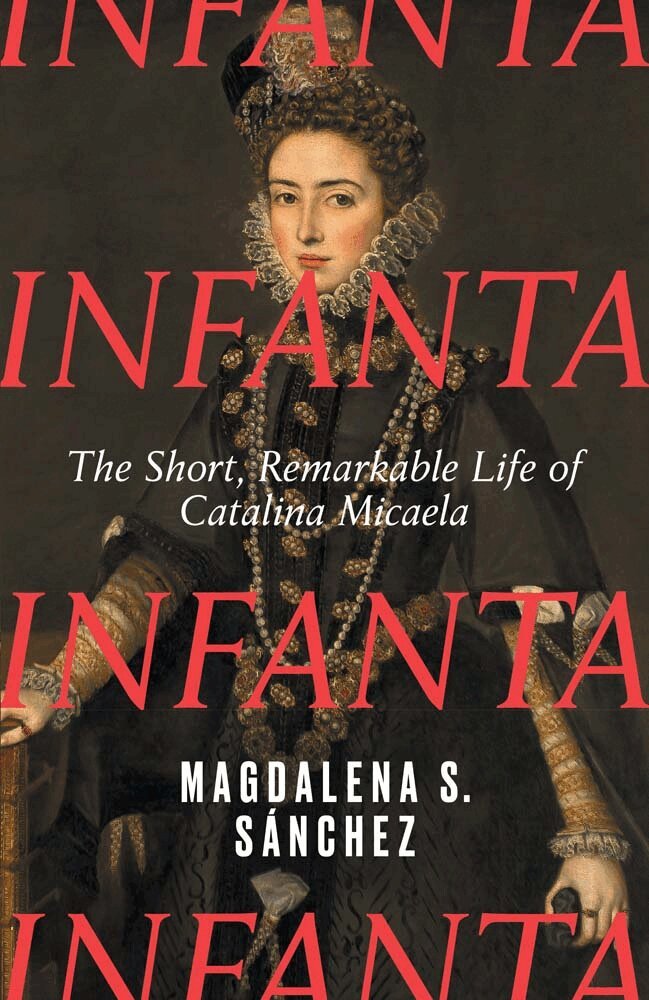
Infanta
The Short, Remarkable Life of Catalina Micaela
Inbunden, 2025
361 kr
Lägg i varukorg
The first full biography of Catalina Micaela, infanta of Spain and duchess of Savoy Catalina Micaela was the younger daughter of Philip II and granddaughter of Catherine de Medici. Aged just seventeen, Catalina married Carlo I, duke of Savoy, and moved from the royal court in Madrid to Turin to …
Spanish Women in the Golden Age
Images and Realities
Av Alain Saint-Saens, Magdalen Sanchez m. fl.
Inbunden, 1996
1223 kr
Lägg i varukorg
The history of women in early modern Spain is a largely untapped field. This book opens the field substantially by examining the position of women in religious, political, literary, and economic life. Drawing on both historical and literary approaches, the contributors challenge the portrait of …
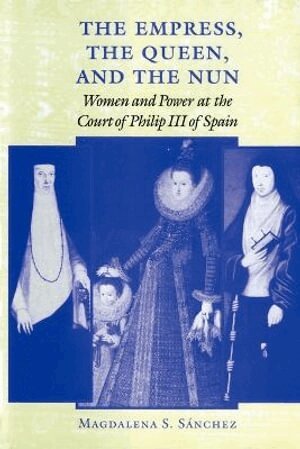
Empress, the Queen, and the Nun
Women and Power at the Court of Philip III of Spain
Häftad, 2003
402 kr
Lägg i varukorg
In the early seventeenth-century, when Spanish interests often competed with those of the House of Austria, three women in the court of Philip III of Spain-Empress Maria, Philip's grandmother; Margaret of Austria, Philip's wife; and Margaret of the Cross, Philip's aunt-worked behind the scenes to …
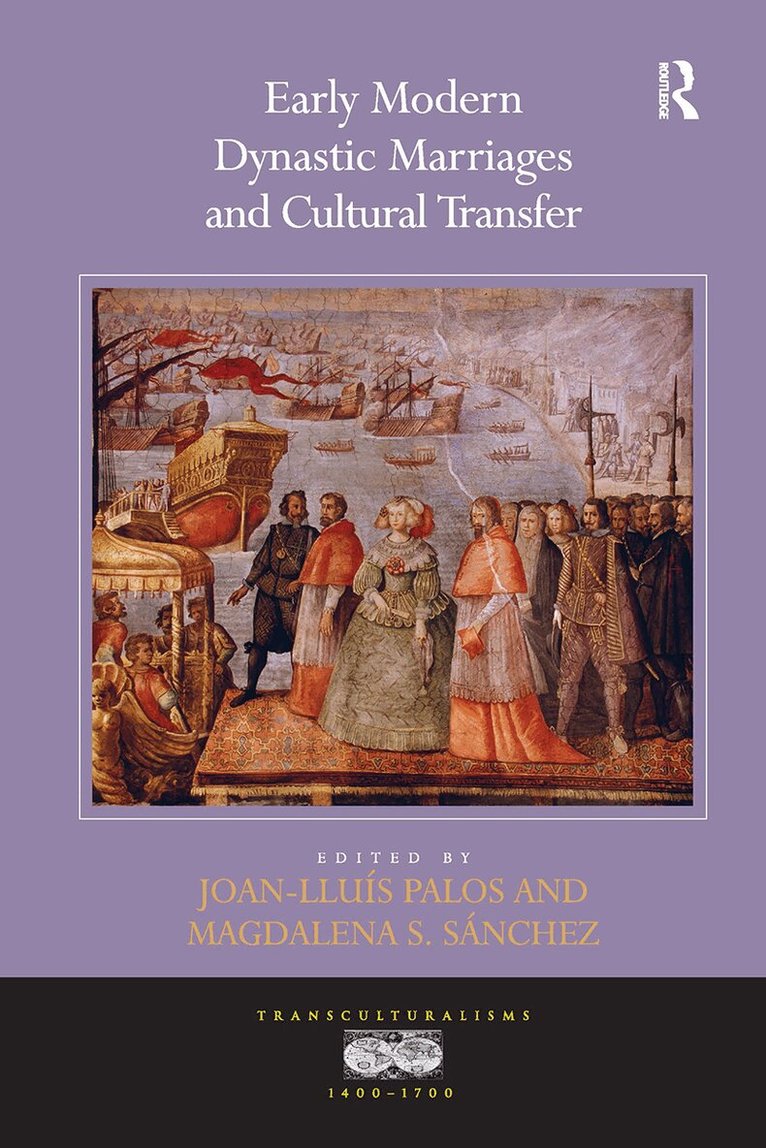
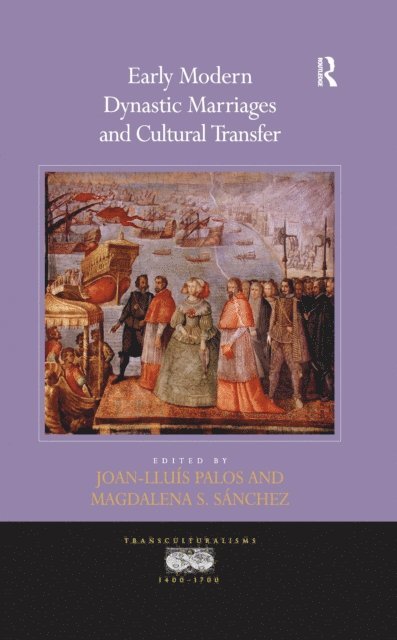
Early Modern Dynastic Marriages and Cultural Transfer
Av Joan-Lluis Palos, Magdalena S. Sanchez
Häftad, 2024
667 kr
Lägg i varukorg
Toward the end of the fifteenth century, the Habsburg family began to rely on dynastic marriage to unite an array of territories, eventually creating an empire as had not been seen in Europe since the Romans. Other European rulers followed the Habsburgs' lead in forging ties through dynastic …
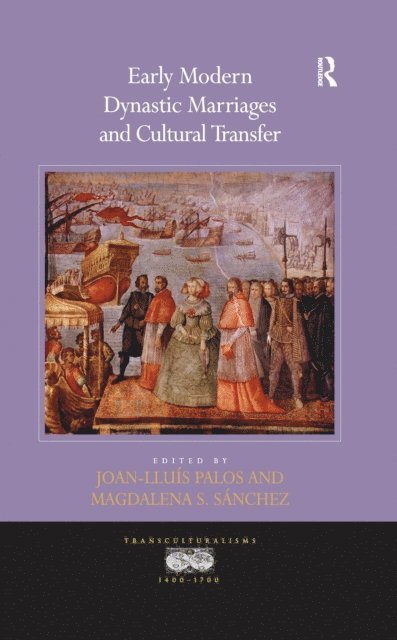
Early Modern Dynastic Marriages and Cultural Transfer
Av Magdalena S. Sanchez, Joan-Lluis Palos
E-bok, 2017
785 kr
Lägg i varukorg
Toward the end of the fifteenth century, the Habsburg family began to rely on dynastic marriage to unite an array of territories, eventually creating an empire as had not been seen in Europe since the Romans. Other European rulers followed the Habsburgs'' lead in forging ties through dynastic …
Early Modern Dynastic Marriages and Cultural Transfer
Av Magdalena S. Sanchez, Joan-Lluis Palos
E-bok, 2017
785 kr
Lägg i varukorg
Toward the end of the fifteenth century, the Habsburg family began to rely on dynastic marriage to unite an array of territories, eventually creating an empire as had not been seen in Europe since the Romans. Other European rulers followed the Habsburgs'' lead in forging ties through dynastic …
Early Modern Dynastic Marriages and Cultural Transfer
Av Joan-Lluis Palos, Magdalena S. Sanchez
Inbunden, 2015
2818 kr
Lägg i varukorg
Toward the end of the fifteenth century, the Habsburg family began to rely on dynastic marriage to unite an array of territories, eventually creating an empire as had not been seen in Europe since the Romans. Other European rulers followed the Habsburgs' lead in forging ties through dynastic …