Maggie L. Popkin – författare
Visar alla böcker från författaren Maggie L. Popkin. Handla med fri frakt och snabb leverans.
5 produkter
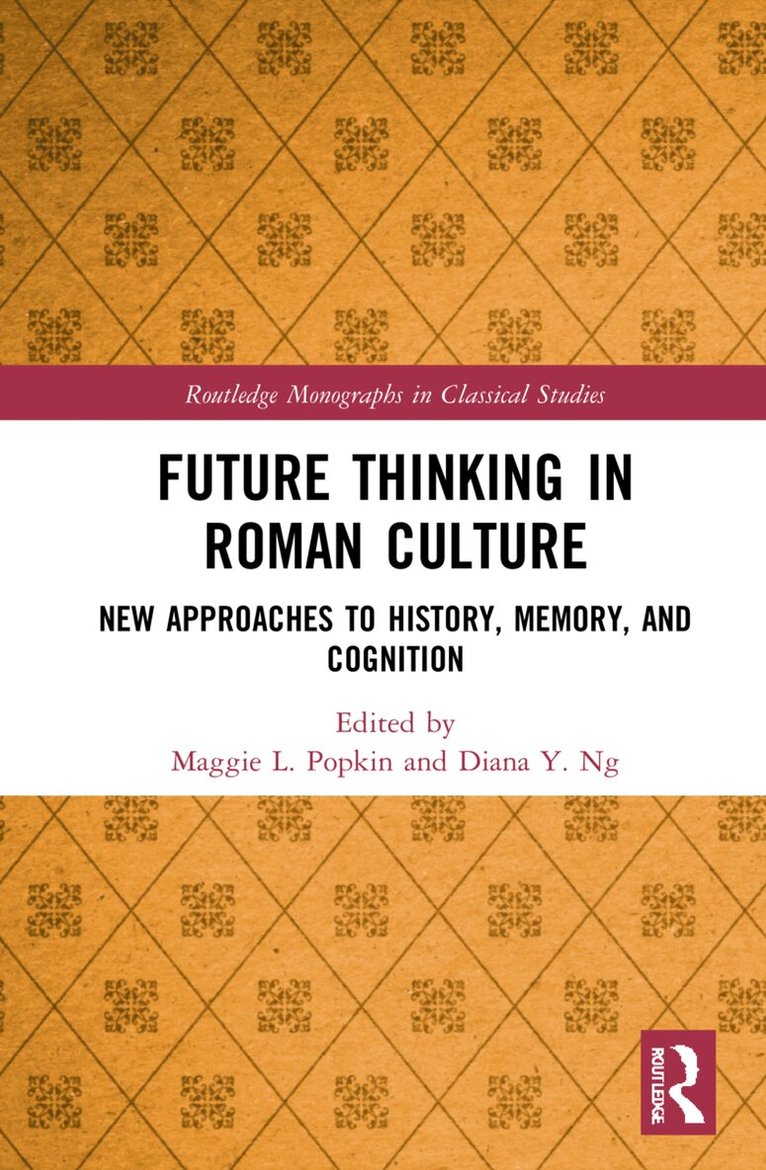
Future Thinking in Roman Culture
New Approaches to History, Memory, and Cognition
Av Maggie L. Popkin, Diana Y. Ng
Inbunden, 2021
2586 kr
Lägg i varukorg
Future Thinking in Roman Culture is the first volume dedicated to the exploration of prospective memory and future thinking in the Roman world, integrating cutting edge research in cognitive sciences and theory with approaches to historiography, epigraphy, and material culture.This volume opens a …
Future Thinking in Roman Culture
New Approaches to History, Memory, and Cognition
Av Maggie L. Popkin, Diana Y. Ng
Häftad, 2024
652 kr
Lägg i varukorg
Future Thinking in Roman Culture is the first volume dedicated to the exploration of prospective memory and future thinking in the Roman world, integrating cutting edge research in cognitive sciences and theory with approaches to historiography, epigraphy, and material culture.This volume opens a …
Future Thinking in Roman Culture
New Approaches to History, Memory, and Cognition
Av Diana Y. Ng, Maggie L. Popkin
E-bok, 2021
724 kr
Lägg i varukorg
Future Thinking in Roman Culture is the first volume dedicated to the exploration of prospective memory and future thinking in the Roman world, integrating cutting edge research in cognitive sciences and theory with approaches to historiography, epigraphy, and material culture. This volume opens a …
Future Thinking in Roman Culture
New Approaches to History, Memory, and Cognition
Av Diana Y. Ng, Maggie L. Popkin
E-bok, 2021
724 kr
Lägg i varukorg
Future Thinking in Roman Culture is the first volume dedicated to the exploration of prospective memory and future thinking in the Roman world, integrating cutting edge research in cognitive sciences and theory with approaches to historiography, epigraphy, and material culture. This volume opens a …
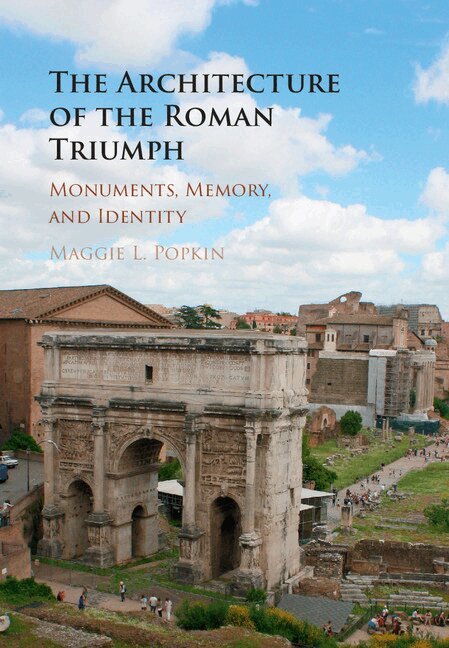
The Architecture of the Roman Triumph
Monuments, Memory, and Identity
Inbunden, 2016
1657 kr
Lägg i varukorg
This book offers the first critical study of the architecture of the Roman triumph, ancient Rome's most important victory ritual. Through case studies ranging from the republican to imperial periods, it demonstrates how powerfully monuments shaped how Romans performed, experienced, and remembered …