Maisha Wester - Böcker
Visar alla böcker från författaren Maisha Wester. Handla med fri frakt och snabb leverans.
4 produkter
4 produkter
248 kr
Skickas inom 7-10 vardagar
This Element explores twenty-first century Black Gothic literature and film as it responds to American anti-Blackness and as they illustrate a mode of Black Gothic fiction termed Black Lives Matter (BLM) Gothic. The various texts express frustration, rage, and sorrow over the failures of previous civil rights fights. Intended as an introduction to a complex mode, this Element explores the three central themes in BLM Gothic texts and defines the mode's pattern of tropes. The first section reviews the depictions of American anti-Blackness, and defines the mode's pattern of tropes reveal the necropolitical mechanisms at play in US systemic racism. The second section explores the ways the fictions 'make whiteness strange' in order to destabilize white normativity and shatter the power arising from such claims. The final section examines the costs of waging war against racial oppression and the power of embracing 'monstrosity'.
799 kr
Skickas inom 7-10 vardagar
This Element explores twenty-first century Black Gothic literature and film as it responds to American anti-Blackness and as they illustrate a mode of Black Gothic fiction termed Black Lives Matter (BLM) Gothic. The various texts express frustration, rage, and sorrow over the failures of previous civil rights fights. Intended as an introduction to a complex mode, this Element explores the three central themes in BLM Gothic texts and defines the mode's pattern of tropes. The first section reviews the depictions of American anti-Blackness, and defines the mode's pattern of tropes reveal the necropolitical mechanisms at play in US systemic racism. The second section explores the ways the fictions 'make whiteness strange' in order to destabilize white normativity and shatter the power arising from such claims. The final section examines the costs of waging war against racial oppression and the power of embracing 'monstrosity'.
2 409 kr
Skickas inom 3-6 vardagar
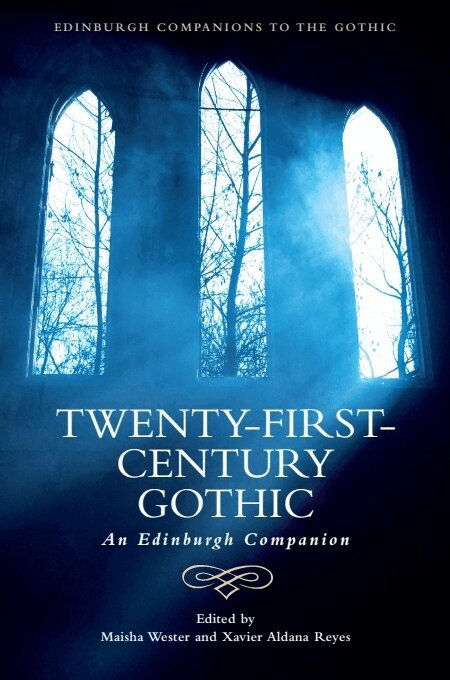
A transnational and transmedia companion to the post-millennial GothicKey FeaturesCovers key areas and themes of the post-millennial Gothic as well as developments in the field and revisions of the Gothic traditionConsitutes the first thematic compendium to this area with a transmedia (literature, film and television) and transnational approachCovers a plurality of texts, from novels such as Stephenie Meyer’s Twilight (2005), Helen Oyeyemi’s White Is for Witching (2009), Justin Cronin’s The Passage (2010) and M.R. Carey’s The Girl with All the Gifts (2014), to films such as Kairo (2001), Juan of the Dead (2012) and The Darkside (2013), to series such as Dante’s Cove (2005–7), Hemlock Grove (2013–15), Penny Dreadful (2014–16) Black Mirror (2011–) and even the Slenderman mythos.This resource in contemporary Gothic literature, film and television takes a thematic approach, providing insights into the many forms the Gothic has taken in the twenty-first century. The 20 newly commissioned chapters cover emerging and expanding research areas, such as digital technologies, queer identity, the New Weird and postfeminism. They also discuss contemporary Gothic monsters – including zombies, vampires and werewolves – and highlight Ethnogothic forms such as Asian and Black Diasporic Gothic.
409 kr
Skickas
A transnational and transmedia companion to the post-millennial GothicKey FeaturesCovers key areas and themes of the post-millennial Gothic as well as developments in the field and revisions of the Gothic traditionConsitutes the first thematic compendium to this area with a transmedia (literature, film and television) and transnational approachCovers a plurality of texts, from novels such as Stephenie Meyer’s Twilight (2005), Helen Oyeyemi’s White Is for Witching (2009), Justin Cronin’s The Passage (2010) and M.R. Carey’s The Girl with All the Gifts (2014), to films such as Kairo (2001), Juan of the Dead (2012) and The Darkside (2013), to series such as Dante’s Cove (2005–7), Hemlock Grove (2013–15), Penny Dreadful (2014–16) Black Mirror (2011–) and even the Slenderman mythos.This resource in contemporary Gothic literature, film and television takes a thematic approach, providing insights into the many forms the Gothic has taken in the twenty-first century. The 20 newly commissioned chapters cover emerging and expanding research areas, such as digital technologies, queer identity, the New Weird and postfeminism. They also discuss contemporary Gothic monsters – including zombies, vampires and werewolves – and highlight Ethnogothic forms such as Asian and Black Diasporic Gothic.