Mallarika Sinha Roy – författare
Visar alla böcker från författaren Mallarika Sinha Roy. Handla med fri frakt och snabb leverans.
10 produkter
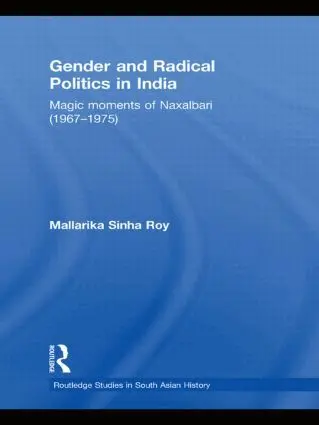
Gender and Radical Politics in India
Magic Moments of Naxalbari (1967-1975)
Inbunden, 2010
2510 kr
Lägg i varukorg
The Naxalbari movement marks a significant moment in the postcolonial history of India. Beginning as an armed peasant uprising in 1967 under the leadership of radical communists, the movement was inspired by the Marxist-Leninist theory of revolution and involved a significant section of the …
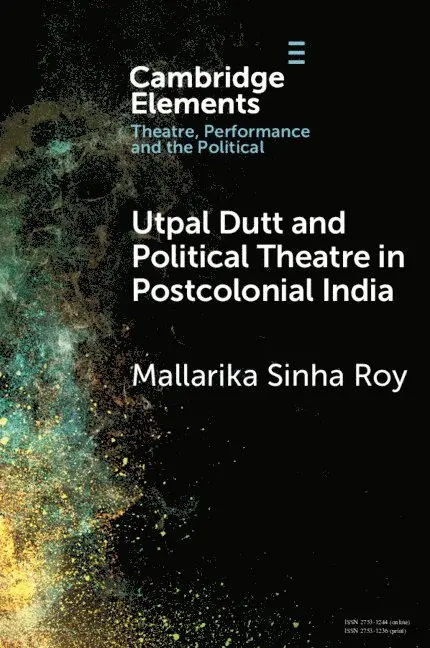
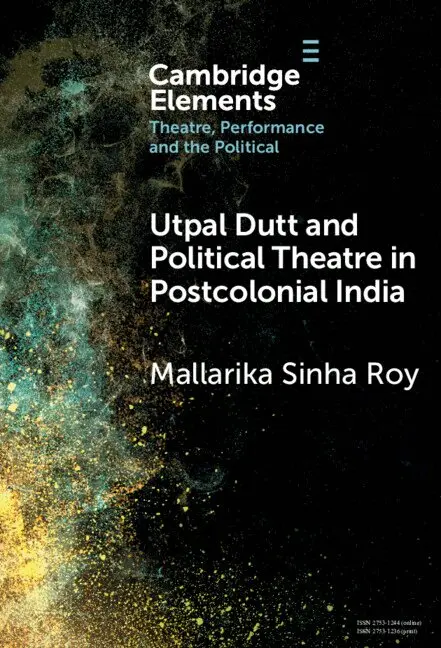
Utpal Dutt and Political Theatre in Postcolonial India
Häftad, 2024
317 kr
Lägg i varukorg
Among the most significant playwrights and theatre-makers of postcolonial India, Utpal Dutt (1929-1993), was an early exponent of rethinking colonial history through political theatre. Dutt envisaged political theatre as part of the larger Marxist project, and his incorporation of new developments …
Utpal Dutt and Political Theatre in Postcolonial India
Inbunden, 2024
938 kr
Lägg i varukorg
Among the most significant playwrights and theatre-makers of postcolonial India, Utpal Dutt (1929-1993), was an early exponent of rethinking colonial history through political theatre. Dutt envisaged political theatre as part of the larger Marxist project, and his incorporation of new developments …
Gender and Radical Politics in India
Magic Moments of Naxalbari (1967-1975)
E-bok, 2010
910 kr
Lägg i varukorg
The Naxalbari movement marks a significant moment in the postcolonial history of India. Beginning as an armed peasant uprising in 1967 under the leadership of radical communists, the movement was inspired by the Marxist-Leninist theory of revolution and involved a significant section of the …
Gender and Radical Politics in India
Magic Moments of Naxalbari (1967-1975)
E-bok, 2010
890 kr
Lägg i varukorg
The Naxalbari movement marks a significant moment in the postcolonial history of India. Beginning as an armed peasant uprising in 1967 under the leadership of radical communists, the movement was inspired by the Marxist-Leninist theory of revolution and involved a significant section of the …
Gender and Radical Politics in India
Magic Moments of Naxalbari (1967-1975)
Häftad, 2015
771 kr
Lägg i varukorg
The Naxalbari movement marks a significant moment in the postcolonial history of India. Beginning as an armed peasant uprising in 1967 under the leadership of radical communists, the movement was inspired by the Marxist-Leninist theory of revolution and involved a significant section of the …
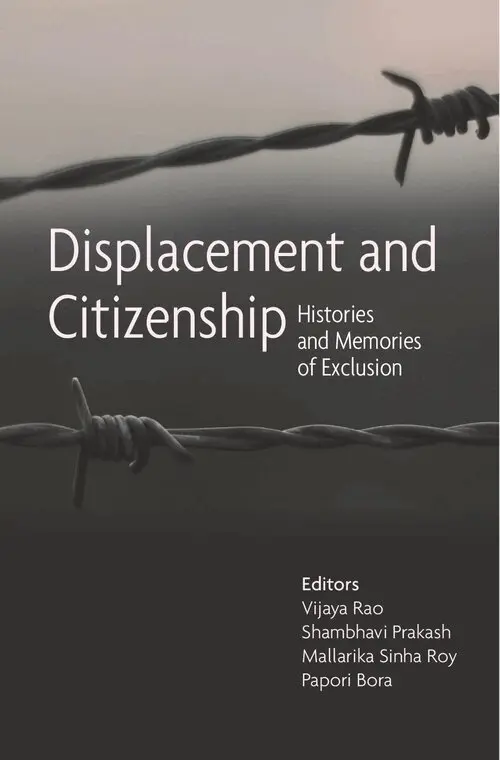
Displacement and Citizenship – Histories and Memories of Exclusion
Av Vijaya Rao, Shambhavi Prakash m. fl.
Inbunden, 2020
462 kr
Lägg i varukorg
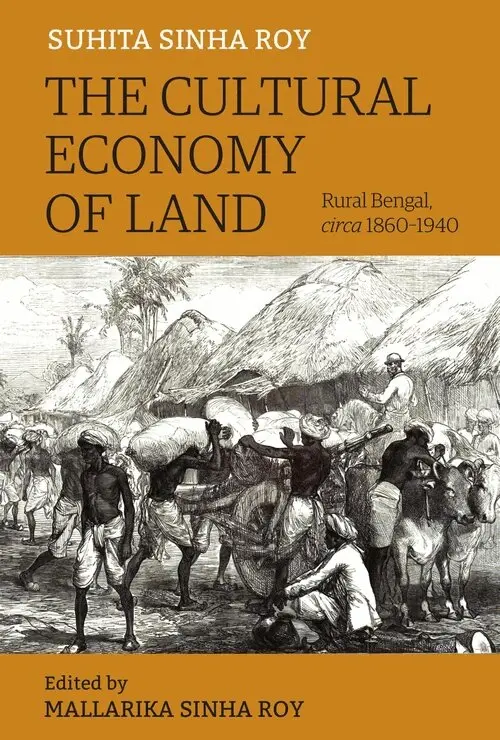
Cultural Economy of Land – Rural Bengal, Circa 1860–1940
Av Suhita Sinha Roy, Mallarika Sinha Roy m. fl.
Inbunden, 2019
314 kr
Tillfälligt slut