Mana Kia – författare
Visar alla böcker från författaren Mana Kia. Handla med fri frakt och snabb leverans.
5 produkter
5 produkter
E-bok
PDF, Engelska, 20151 398 kr
Läs direkt efter köp
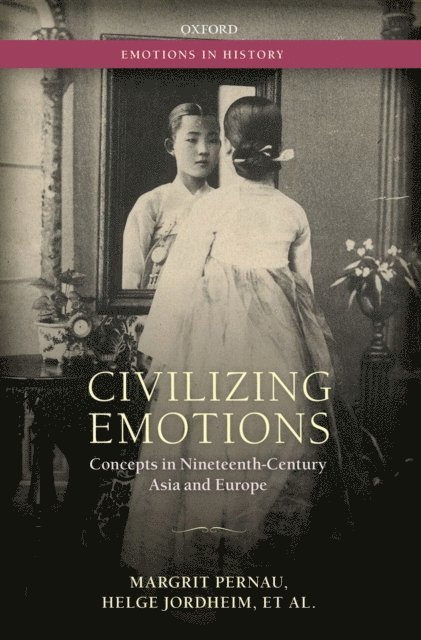
At the beginning of the twenty-first century, the vocabulary of civility and civilization is very much at the forefront of political debate. Most of these debates proceed as if the meaning of these words were self-evident. This is where Civilizing Emotions intervenes, tracing the history of the concepts of civility and civilization and thus adding a level of self-reflexivity to the present debates. Unlike previous histories, Civilizing Emotionstakes a global perspective, highlighting the roles of civility and civilization in the creation of a new and hierarchized global order in the era of high imperialism and its entanglements with the developments in a number of well-chosen European and Asian countries.Emotions were at the core of the practices linked to the creation of a new global order in the nineteenth century. Civilizing Emotions explores why and how emotions were an asset in civilizing peoples and societies - their control and management, but also their creation and their ascription to different societies and social groups. The study is a contribution to the history of emotions, to global history, and to the history of concepts, three rapidly developing and innovative researchareas which are here being brought together for the first time.
Inbunden, Engelska, 2015
2 182 kr
Skickas inom 5-8 vardagar
At the beginning of the twenty-first century, the vocabulary of civility and civilization is very much at the forefront of political debate. Most of these debates proceed as if the meaning of these words were self-evident. This is where Civilizing Emotions intervenes, tracing the history of the concepts of civility and civilization and thus adding a level of self-reflexivity to the present debates. Unlike previous histories, Civilizing Emotions takes a global perspective, highlighting the roles of civility and civilization in the creation of a new and hierarchized global order in the era of high imperialism and its entanglements with the developments in a number of well-chosen European and Asian countries.Emotions were at the core of the practices linked to the creation of a new global order in the nineteenth century. Civilizing Emotions explores why and how emotions were an asset in civilizing peoples and societies - their control and management, but also their creation and their ascription to different societies and social groups. The study is a contribution to the history of emotions, to global history, and to the history of concepts, three rapidly developing and innovative research areas which are here being brought together for the first time.
Inbunden, Engelska, 2020
1 334 kr
Skickas inom 5-8 vardagar
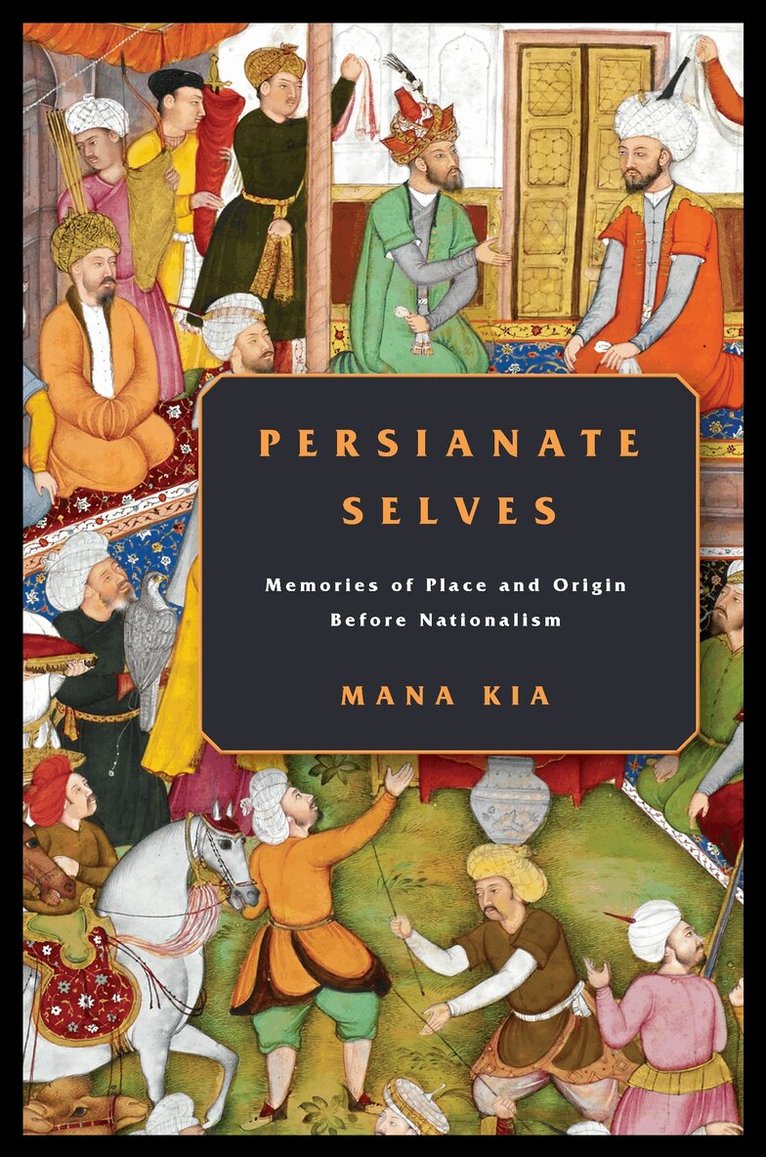
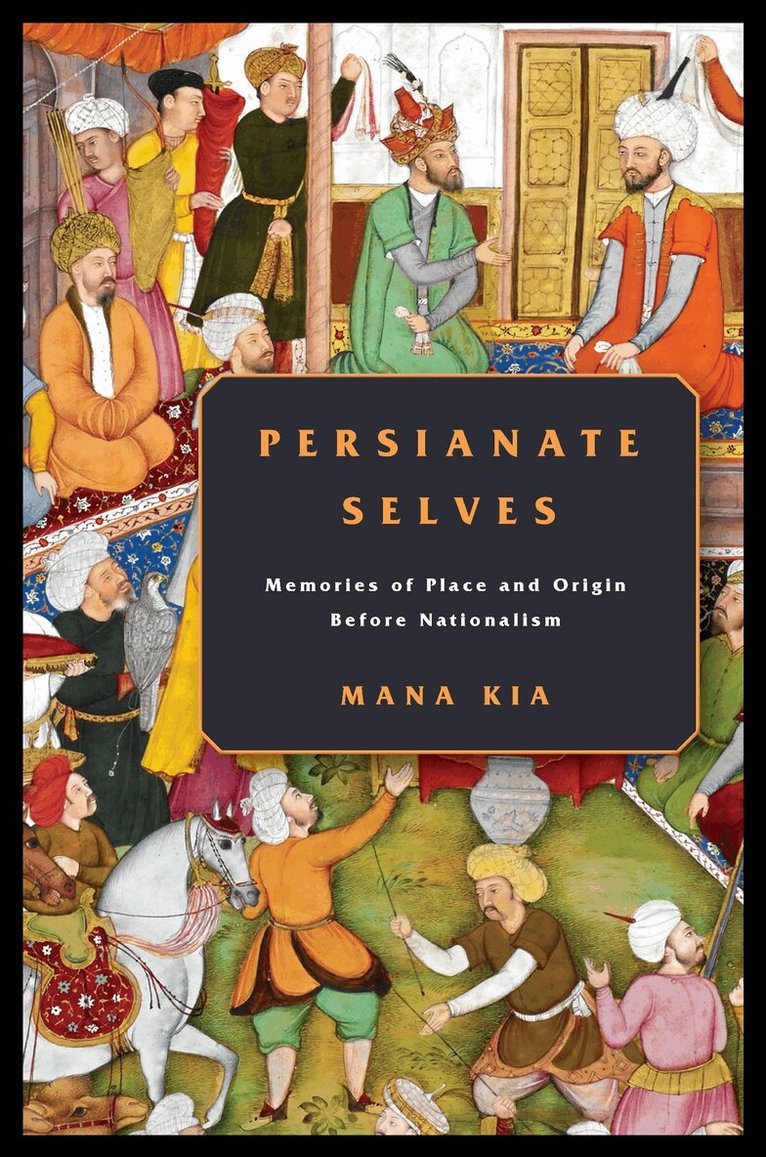
For centuries, Persian was the language of power and learning across Central, South, and West Asia, and Persians received a particular basic education through which they understood and engaged with the world. Not everyone who lived in the land of Iran was Persian, and Persians lived in many other lands as well. Thus to be Persian was to be embedded in a set of connections with people we today consider members of different groups. Persianate selfhood encompassed a broader range of possibilities than contemporary nationalist claims to place and origin allow. We cannot grasp these older connections without historicizing our conceptions of difference and affiliation. Mana Kia sketches the contours of a larger Persianate world, historicizing place, origin, and selfhood through its tradition of proper form: adab. In this shared culture, proximities and similarities constituted a logic that distinguished between people while simultaneously accommodating plurality. Adab was the basis of cohesion for self and community over the turbulent eighteenth century, as populations dispersed and centers of power shifted, disrupting the circulations that linked Persianate regions. Challenging the bases of protonationalist community, Persianate Selves seeks to make sense of an earlier transregional Persianate culture outside the anachronistic shadow of nationalisms.
Häftad, Engelska, 2020
314 kr
Skickas
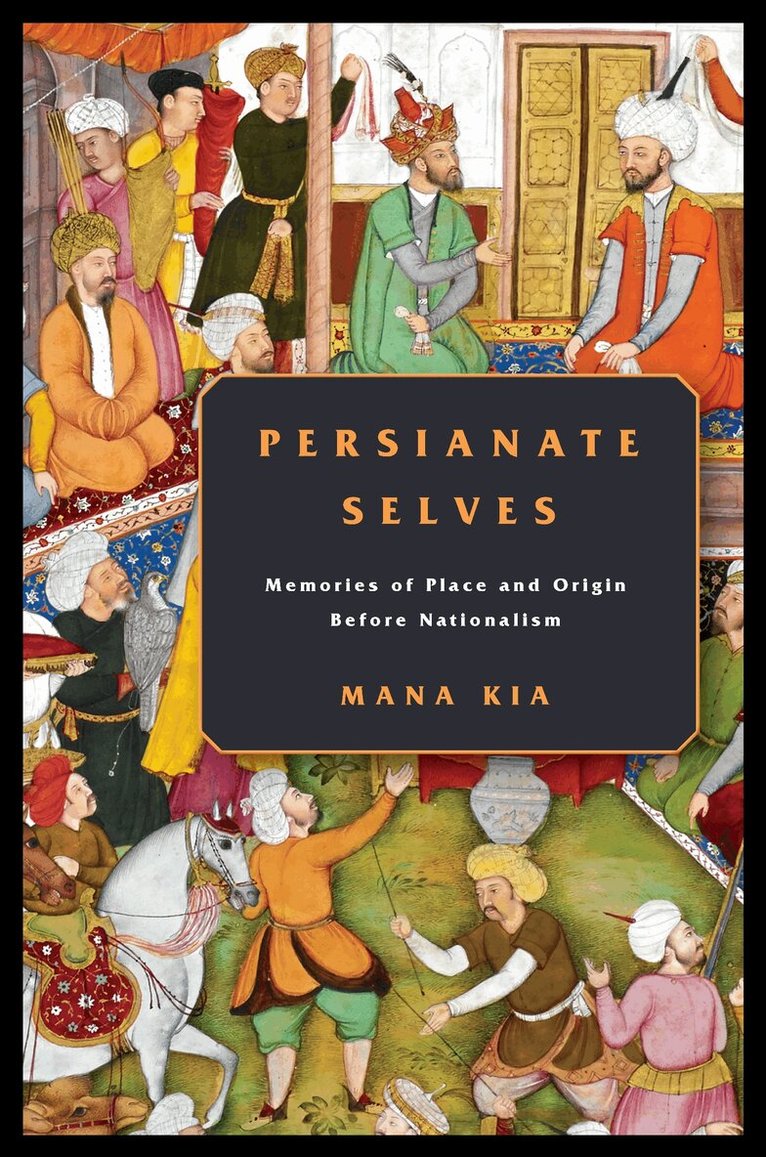
For centuries, Persian was the language of power and learning across Central, South, and West Asia, and Persians received a particular basic education through which they understood and engaged with the world. Not everyone who lived in the land of Iran was Persian, and Persians lived in many other lands as well. Thus to be Persian was to be embedded in a set of connections with people we today consider members of different groups. Persianate selfhood encompassed a broader range of possibilities than contemporary nationalist claims to place and origin allow. We cannot grasp these older connections without historicizing our conceptions of difference and affiliation. Mana Kia sketches the contours of a larger Persianate world, historicizing place, origin, and selfhood through its tradition of proper form: adab. In this shared culture, proximities and similarities constituted a logic that distinguished between people while simultaneously accommodating plurality. Adab was the basis of cohesion for self and community over the turbulent eighteenth century, as populations dispersed and centers of power shifted, disrupting the circulations that linked Persianate regions. Challenging the bases of protonationalist community, Persianate Selves seeks to make sense of an earlier transregional Persianate culture outside the anachronistic shadow of nationalisms.
E-bok
Engelska, 2020385 kr
Läs direkt efter köp
For centuries, Persian was the language of power and learning across Central, South, and West Asia, and Persians received a particular basic education through which they understood and engaged with the world. Not everyone who lived in the land of Iran was Persian, and Persians lived in many other lands as well. Thus to be Persian was to be embedded in a set of connections with people we today consider members of different groups. Persianate selfhood encompassed a broader range of possibilities than contemporary nationalist claims to place and origin allow. We cannot grasp these older connections without historicizing our conceptions of difference and affiliation. Mana Kia sketches the contours of a larger Persianate world, historicizing place, origin, and selfhood through its tradition of proper form: adab. In this shared culture, proximities and similarities constituted a logic that distinguished between people while simultaneously accommodating plurality. Adab was the basis of cohesion for self and community over the turbulent eighteenth century, as populations dispersed and centers of power shifted, disrupting the circulations that linked Persianate regions. Challenging the bases of protonationalist community, Persianate Selves seeks to make sense of an earlier transregional Persianate culture outside the anachronistic shadow of nationalisms.