Mani Sharpe - Böcker
Visar alla böcker från författaren Mani Sharpe. Handla med fri frakt och snabb leverans.
3 produkter
3 produkter
1 256 kr
Skickas inom 3-6 vardagar
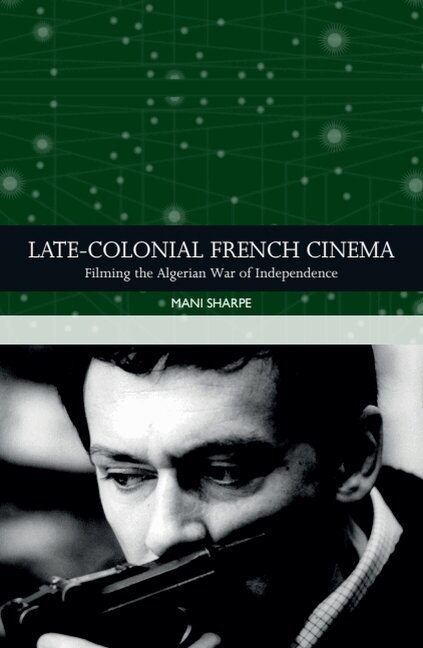
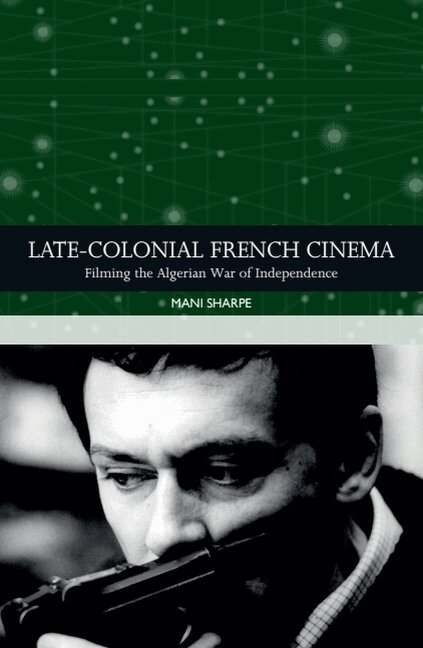
Offers a sustained analysis of a cluster of French films made during, and in response to, the Algerian War of IndependenceIdentifies and analyses a previously unidentified trend in modern French cinemaAddresses a 'late-colonial' gap in scholarship on cultural histories of de-colonisation, between the colonial and the post-colonialDefines late-colonial cinema as trans-generic 'body' of films, bound up with various cinematic traditions and tendencies, including the French New Wave, film noir, the World War Two combat film, observational documentaries, Soviet Montage cinema, parallel cinema, and settler cinemaCombines textual analysis of fifteen case studies with contextual analysis of late-colonial French culture, politics and societyDeploys a different critical approach in each chapter. These include star studies, documentary studies, gender studies and space studies, among othersDeploying the term 'late-colonial' to describe a body of largely French films made during, and in response to, the Algerian War of Independence (1954-1962), this book revolves around one question what is late-colonial French cinema? generating two answers.Firstly, Sharpe argues that late-colonial cinema represents a formally and thematically important, yet unappreciated tendency in French cinema; one that has largely been overshadowed by a scholarly focus on the French New Wave. Secondly, Sharpe contends that whilst late-colonial French cinema cannot be seen as a coherent cinematic movement, school of filmmaking, or genre, it can be seen as a coherent ethical trend, with many of the fifteen central case studies explored in Late-colonial French Cinema filtering the Algerian War of Independence through a discourse of 'redemptive pacifism'.
586 kr
Skickas inom 3-6 vardagar
Deploying the term ‘late-colonial’ to describe a body of largely French films made during, and in response to, the Algerian War of Independence (1954-1962), this book revolves around one question – what is late-colonial French cinema? – generating two answers. Firstly, Sharpe argues that late-colonial cinema represents a formally and thematically important, yet unappreciated tendency in French cinema; one that has largely been overshadowed by a scholarly focus on the French New Wave. Secondly, Sharpe contends that whilst late-colonial French cinema cannot be seen as a coherent cinematic movement, school of filmmaking, or genre, it can be seen as a coherent ethical trend, with many of the fifteen central case studies explored in Late-colonial French Cinema filtering the Algerian War of Independence through a discourse of ‘redemptive pacifism’.
1 223 kr
Skickas inom 7-10 vardagar
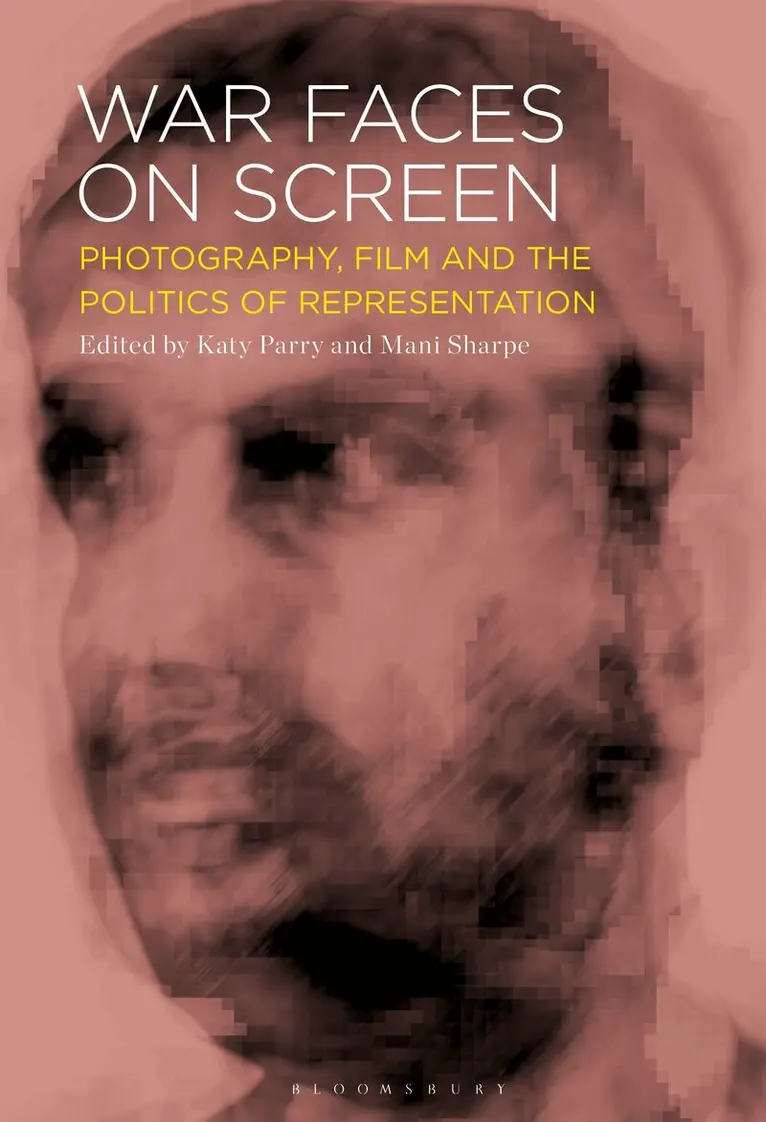
How have images of the face been used to document and distort the phenomenon of war? Such is the question that drives this book, with the face forming a recurring - almost ubiquitous - motif throughout visual depictions of military conflict. At once interdisciplinary, transnational, and transhistorical, War Faces on Screen is organised into three sections. Section One examines representations of the face in war photography, illustrating how photographers have visualised the invisible violence of psychic trauma. Ethical and political concerns are at the forefront of each essay, from the advocacy work of portraiture, to AI tools capable of generating a range of aesthetically convincing yet potentially discriminatory images. Section Two focuses on the aesthetics of the cinematic close-up, drone vision, and how the selective digital colourisation of bodies and faces from archival footage works to impose a moral hierarchy. Section Three concludes the book with a focus on colonisation, decolonisation and defacement, extending earlier discussions of the imperial violence found in recent Hollywood films, where empathy is displaced from the ethnic other to the suffering Western soldier. Our final chapters chart how the face is central to articulating the meaning and sentiment of colonial and civil wars, with even seemingly progressive documentaries perpetuating unequal power dynamics and problematic notions of victimhood. Foregrounding the work of artists and practitioners, alongside theoretical frameworks, War Faces on Screen ultimately forms a radically innovative contribution to the study of image-making and war-making.