
Mansoor Raza – författare
Visar alla böcker från författaren Mansoor Raza. Handla med fri frakt och snabb leverans.
2 produkter
2 produkter
Häftad, Engelska, 2022
328 kr
Skickas inom 3-6 vardagar
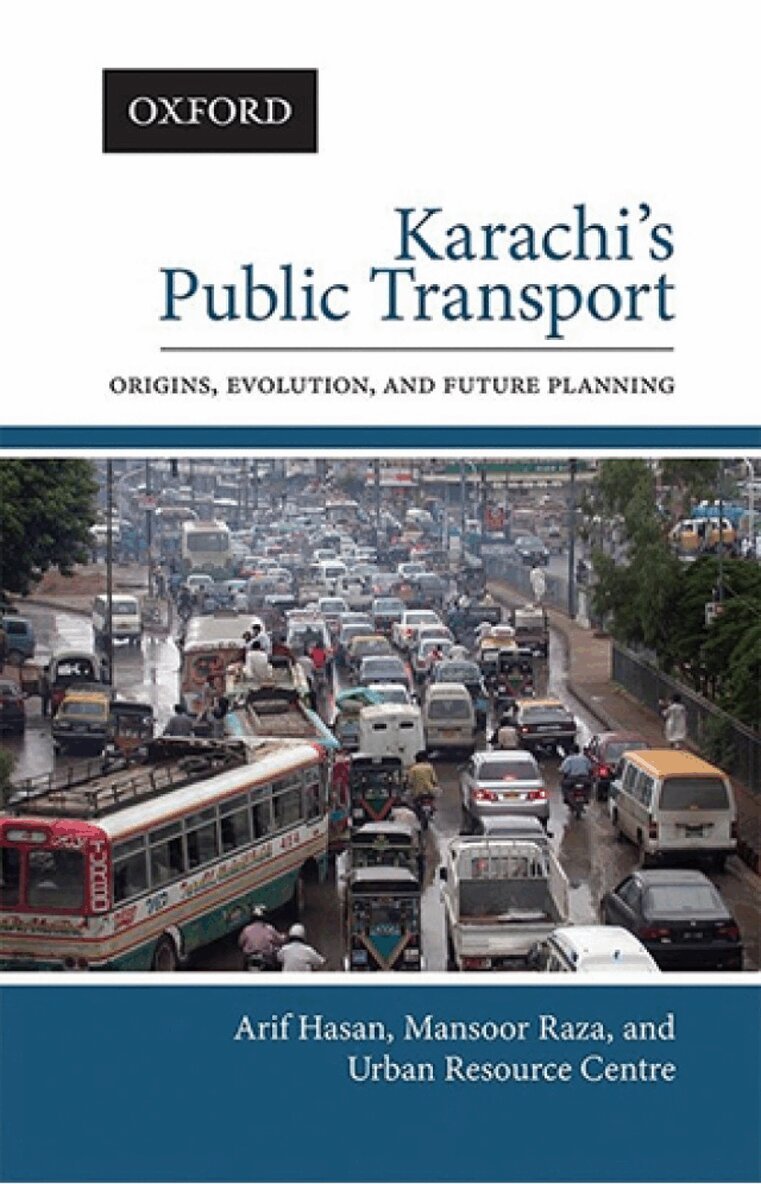
Transport is a key driver of socioeconomic development, as it allows people to access jobs, markets, social interaction, education, and other services. Thus, enabling people to rise out of poverty and overcome social exclusion. Transport facilitates economic development by adding value to goods brought to markets and linking rural areas to cities and global supply chains.Karachi—the largest city in Pakistan and the twelfth-largest city in the world and Pakistan's premier industrial and financial centre—has a major transport crisis. At independence in 1947 it had a fairly efficient public transport system. Since then, the State has made enormous investments to address its transport needs. Different models of public, private, and public-private partnerships were developed and implemented along with a railway system. Many of these initiatives met with considerable success to begin with, but ultimately fizzled out.This book describes the pre-independence situation and subsequent initiatives while analysing the political, social, technical, and financial reasons for their failures and successes as well as the role of international financial institutions, and the judiciary. It also looks at the innovative responses of the informal private sector to the crisis, the pros and cons of present-day government planning, and the interests of various stakeholders in the transport drama that exists today.
Häftad, Engelska, 2024
287 kr
Skickas inom 3-6 vardagar
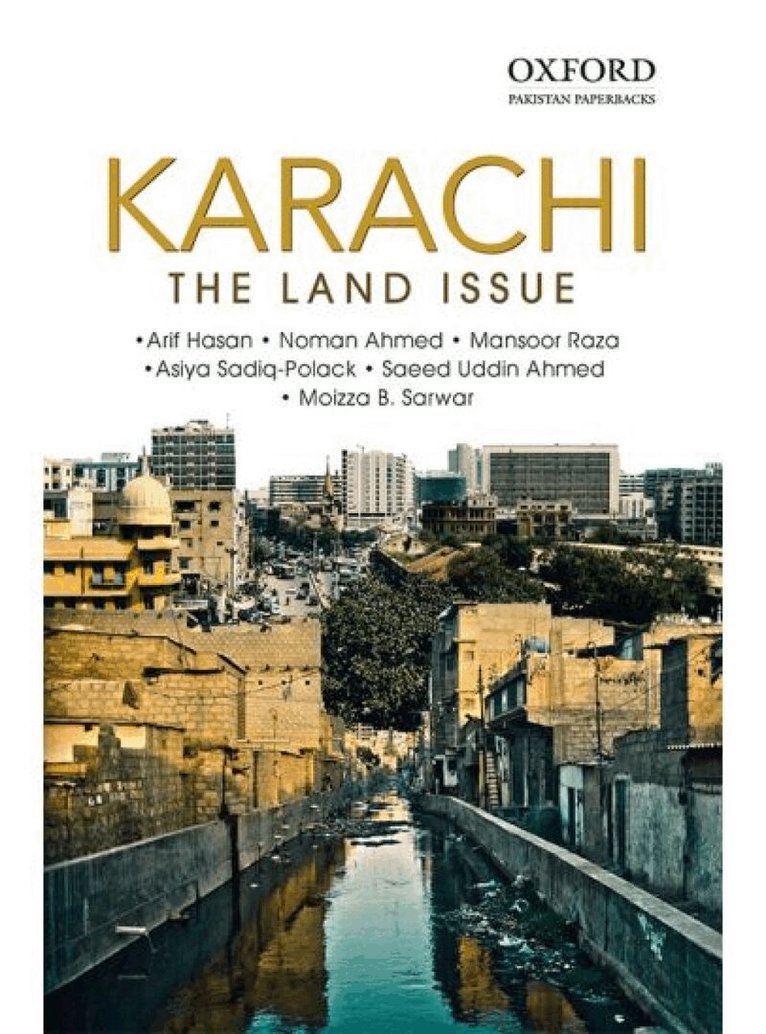
Karachi is one of the fastest growing cities in the world. It is Pakistan's only port and the major contributor to the country's economy. In addition, it is also a diverse city with its population politically divided along ethnic lines. These three factors make the urban land and that on the citys fringe a highly contested commodity: federal, provincial, and local land-owning agencies, corporate sector interests, formal and informal developers, international capital, and military cantonments compete for control and for extracting maximum value from it. The victims of this battle for turf and profits are the city's social and physical environment and its low and lower middle-income groups. This book deals with the history, evolution, and present day realities around who owns land, its legal and illegal acquisition, land-use conversions and development, the actors involved and their relationship with each other and with the public at large, the often violent conflicts that take place in this process and the measures that can be taken to regulate the land market for the creation of a better urban environment and for providing homes to its less privileged.