Mara Einstein – författare
Visar alla böcker från författaren Mara Einstein. Handla med fri frakt och snabb leverans.
27 produkter
Advertising
What Everyone Needs to Know®
Inbunden, 2017
733 kr
Lägg i varukorg
3000. That's the number of marketing messages the average American confronts on a daily basis from TV commercials, magazine and newspaper print ads, radio commercials, pop-up ads on gaming apps, to pre-roll on YouTube videos and native advertising on mobile news apps. These commercial messages are …
Advertising
What Everyone Needs to Know®
Häftad, 2017
175 kr
Lägg i varukorg
3000. That's the number of marketing messages the average American confronts on a daily basis from TV commercials, magazine and newspaper print ads, radio commercials, pop-up ads on gaming apps, to pre-roll on YouTube videos and native advertising on mobile news apps. These commercial messages are …
Advertising
What Everyone Needs to Know(R)
E-bok, 2017
103 kr
Lägg i varukorg
3000. That''s the number of marketing messages the average American confronts on a daily basis from TV commercials, magazine and newspaper print ads, radio commercials, pop-up ads on gaming apps, pre-roll ads on YouTube videos, and native advertising on mobile news apps. These commercial messages …
Advertising
What Everyone Needs to Know(R)
E-bok, 2017
103 kr
Lägg i varukorg
3000. That''s the number of marketing messages the average American confronts on a daily basis from TV commercials, magazine and newspaper print ads, radio commercials, pop-up ads on gaming apps, pre-roll ads on YouTube videos, and native advertising on mobile news apps. These commercial messages …
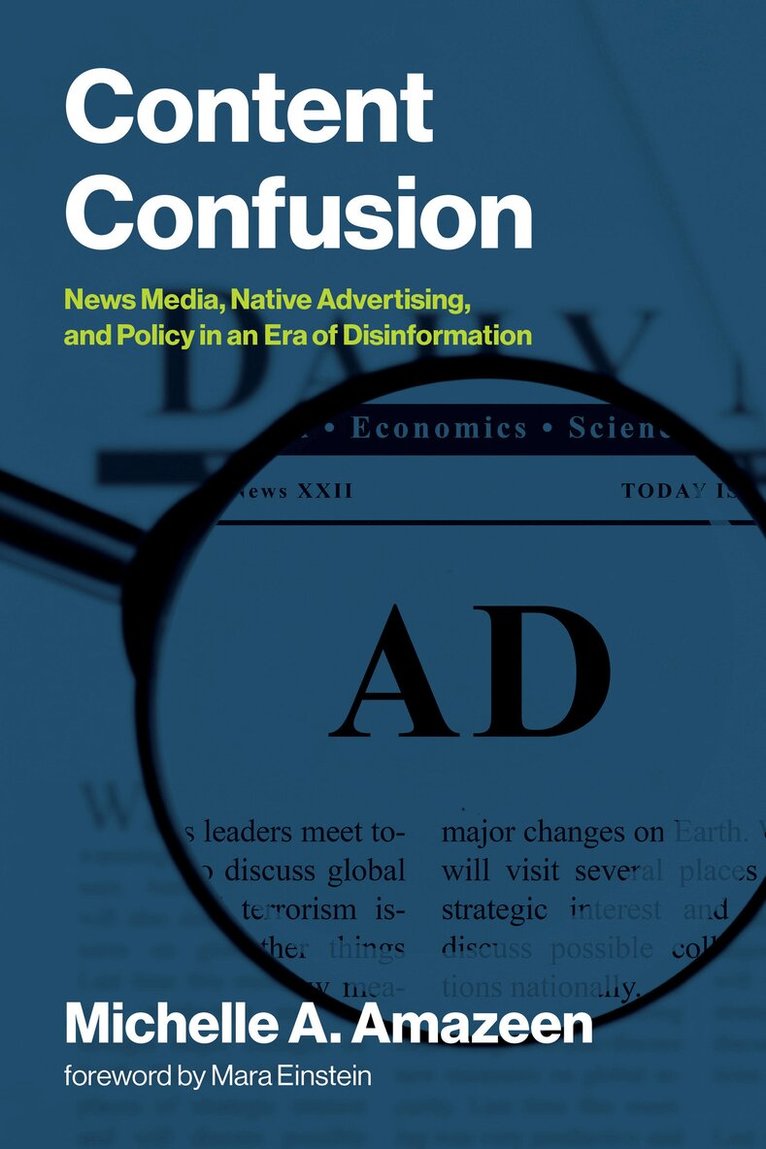
Content Confusion
News Media, Native Advertising, and Policy in an Era of Disinformation
Av Michelle A. Amazeen, Mara Einstein
Häftad, 2025
677 kr
Lägg i varukorg
Brands of Faith
Marketing Religion in a Commercial Age
Inbunden, 2007
2512 kr
Lägg i varukorg
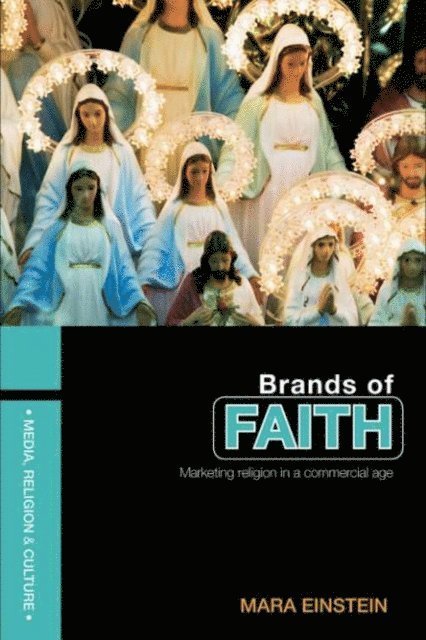
In a society overrun by commercial clutter, religion has become yet another product sold in the consumer marketplace, and faiths of all kinds must compete with a myriad of more entertaining and more convenient leisure activities. Brands of Faith argues that in order to compete effectively faiths …
Brands of Faith
Marketing Religion in a Commercial Age
Häftad, 2007
648 kr
Lägg i varukorg
In a society overrun by commercial clutter, religion has become yet another product sold in the consumer marketplace, and faiths of all kinds must compete with a myriad of more entertaining and more convenient leisure activities. Brands of Faith argues that in order to compete effectively faiths …
Compassion, Inc.
How Corporate America Blurs the Line between What We Buy, Who We Are, and Those We Help
Inbunden, 2012
316 kr
Lägg i varukorg
Pink ribbons, red dresses, and greenwashing - American corporations are scrambling to tug at consumer heartstrings through cause-related marketing, corporate social responsibility, and ethical branding, tactics that can increase sales by as much as 74 per cent. Harmless? Marketing insider Mara …
Compassion, Inc.
How Corporate America Blurs the Line between What We Buy, Who We Are, and Those We Help
E-bok, 2012
520 kr
Lägg i varukorg
Pink ribbons, red dresses, and greenwashing—American corporations are scrambling to tug at consumer heartstrings through cause-related marketing, corporate social responsibility, and ethical branding, tactics that can increase sales by as much as 74%. Harmless? Marketing insider Mara Einstein …
Media Diversity
Economics, Ownership, and the Fcc
Inbunden, 2003
2586 kr
Lägg i varukorg
Media Diversity: Economics, Ownership, and the FCC provides a detailed analysis of the regulation of diversity and its impact on the structure and practices within the broadcast television industry. As deregulation is quickly changing the media landscape, this volume puts the changing structure of …
Media Diversity
Economics, Ownership, and the Fcc
Häftad, 2004
652 kr
Lägg i varukorg
Media Diversity: Economics, Ownership, and the FCC provides a detailed analysis of the regulation of diversity and its impact on the structure and practices within the broadcast television industry. As deregulation is quickly changing the media landscape, this volume puts the changing structure of …
Selling the Sacred
Religion and Marketing from Crossfit to QAnon
Av Sarah McFarland Taylor, Mara Einstein
E-bok, 2024
676 kr
Lägg i varukorg
There’s religion in my marketing! There’s marketing in my religion! Selling the Sacred explores the religio-cultural and media implications of a two-sided phenomenon: marketing religion as a product and marketing products as religion. What do various forms of religion/marketing collaboration look …
Selling the Sacred
Religion and Marketing from Crossfit to QAnon
Av Sarah McFarland Taylor, Mara Einstein
E-bok, 2024
676 kr
Lägg i varukorg
There’s religion in my marketing! There’s marketing in my religion! Selling the Sacred explores the religio-cultural and media implications of a two-sided phenomenon: marketing religion as a product and marketing products as religion. What do various forms of religion/marketing collaboration look …
Selling the Sacred
Religion and Marketing from Crossfit to QAnon
Av Mara Einstein, Sarah McFarland Taylor
Häftad, 2024
648 kr
Lägg i varukorg
There’s religion in my marketing! There’s marketing in my religion! Selling the Sacred explores the religio-cultural and media implications of a two-sided phenomenon: marketing religion as a product and marketing products as religion. What do various forms of religion/marketing collaboration look …
Selling the Sacred
Religion and Marketing from Crossfit to QAnon
Av Mara Einstein, Sarah McFarland Taylor
Inbunden, 2024
2512 kr
Lägg i varukorg
There’s religion in my marketing! There’s marketing in my religion! Selling the Sacred explores the religio-cultural and media implications of a two-sided phenomenon: marketing religion as a product and marketing products as religion. What do various forms of religion/marketing collaboration look …
Brands of Faith
Marketing Religion in a Commercial Age
E-bok, 2007
676 kr
Lägg i varukorg
In a society overrun by commercial clutter, religion has become yet another product sold in the consumer marketplace, and faiths of all kinds must compete with a myriad of more entertaining and more convenient leisure activities. Brands of Faith argues that in order to compete effectively faiths …
Brands of Faith
Marketing Religion in a Commercial Age
E-bok, 2007
676 kr
Lägg i varukorg
In a society overrun by commercial clutter, religion has become yet another product sold in the consumer marketplace, and faiths of all kinds must compete with a myriad of more entertaining and more convenient leisure activities. Brands of Faith argues that in order to compete effectively faiths …
Religion and Reality TV
Faith in Late Capitalism
Av Diane Winston, Katherine Madden m. fl.
E-bok, 2018
762 kr
Lägg i varukorg
Why is reality television flourishing in today''s expanding media market? Religion and Reality TV: Faith in Late Capitalism argues that the reality genre offers answers to many of life''s urgent questions: Why am I important? What gives my life meaning? How do I present my best self to the world? …
Religion and Reality TV
Faith in Late Capitalism
Av Diane Winston, Katherine Madden m. fl.
E-bok, 2018
746 kr
Lägg i varukorg
Why is reality television flourishing in today''s expanding media market? Religion and Reality TV: Faith in Late Capitalism argues that the reality genre offers answers to many of life''s urgent questions: Why am I important? What gives my life meaning? How do I present my best self to the world? …
Media Diversity
Economics, Ownership, and the Fcc
E-bok, 2003
685 kr
Lägg i varukorg
Media Diversity: Economics, Ownership, and the FCC provides a detailed analysis of the regulation of diversity and its impact on the structure and practices within the broadcast television industry. As deregulation is quickly changing the media landscape, this volume puts the changing structure of …
Media Diversity
Economics, Ownership, and the Fcc
E-bok, 2003
685 kr
Lägg i varukorg
Media Diversity: Economics, Ownership, and the FCC provides a detailed analysis of the regulation of diversity and its impact on the structure and practices within the broadcast television industry. As deregulation is quickly changing the media landscape, this volume puts the changing structure of …
Religion and Reality TV
Faith in Late Capitalism
Av Mara Einstein, Katherine Madden m. fl.
Inbunden, 2018
2517 kr
Lägg i varukorg
Why is reality television flourishing in today's expanding media market? Religion and Reality TV: Faith in Late Capitalism argues that the reality genre offers answers to many of life's urgent questions: Why am I important? What gives my life meaning? How do I present my best self to the world? …
Religion and Reality TV
Faith in Late Capitalism
Av Mara Einstein, Katherine Madden m. fl.
Häftad, 2018
649 kr
Lägg i varukorg
Why is reality television flourishing in today's expanding media market? Religion and Reality TV: Faith in Late Capitalism argues that the reality genre offers answers to many of life's urgent questions: Why am I important? What gives my life meaning? How do I present my best self to the world? …
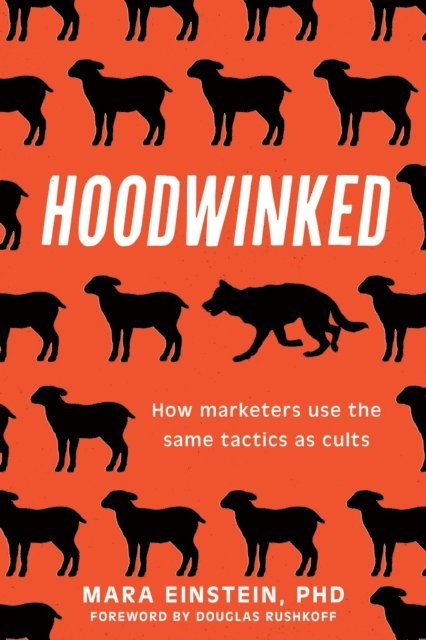
Hoodwinked
How Marketers Use the Same Tactics as Cults
Inbunden, 2025
259 kr
Lägg i varukorg
Big brands are the gods of today’s world, and the algorithm is their gospel. What makes the cult marketing vortex so attractive to otherwise smart people, and how does online manipulation render us victim to the dangerous whims of digital companies, corporations, and conglomerates? Hoodwinked …
Hoodwinked
How Marketers Use the Same Tactics as Cults
E-bok, 2025
319 kr
Lägg i varukorg
Powerhouse marketing expert, narrator of Netflix's Buy Now documentary, shows how today's biggest brands are using cult-like tactics to capture not just your wallet, but your devotion. From viral leggings to must-have apps, Dr. Mara Einstein exposes the hidden parallels between cult manipulation …
Black Ops Advertising
Native Ads, Content Marketing and the Covert World of the Digital Sell
E-bok, 2016
132 kr
Lägg i varukorg
From Facebook to Talking Points Memo to the New York Times, often what looks like fact-based journalism is not. It’s advertising. Not only are ads indistinguishable from reporting, the Internet we rely on for news, opinions and even impartial sales content is now the ultimate corporate tool. Reader …
Black Ops Advertising: Native Ads, Content Marketing and the Covert World of the Digital Sell
Häftad, 2016
165 kr
Tillfälligt slut