Marc A. Moffett - Böcker
Visar alla böcker från författaren Marc A. Moffett. Handla med fri frakt och snabb leverans.
4 produkter
4 produkter
633 kr
Skickas inom 5-8 vardagar
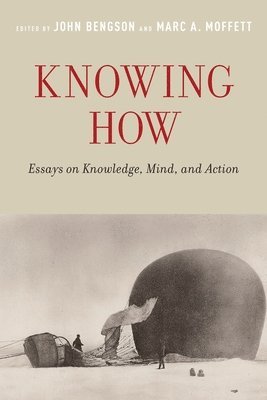
Knowledge how to do things is a pervasive and central element of everyday life. Yet it raises many difficult questions that must be answered by philosophers and cognitive scientists aspiring to understand human cognition and agency. What is the connection between knowing how and knowing that? Is knowledge how simply a type of ability or disposition to act? Is there an irreducibly practical form of knowledge? What is the role of the intellect in intelligent action? This volume contains fifteen state of the art essays by leading figures in philosophy and linguistics that amplify and sharpen the debate between "intellectualists" and "anti-intellectualists" about mind and action, highlighting the conceptual, empirical, and linguistic issues that motivate and sustain the conflict. The essays also explore various ways in which this debate informs central areas of ethics, philosophy of action, epistemology, philosophy of language, and philosophy of mind and cognitive science. Knowing How covers a broad range of topics dealing with tacit and procedural knowledge, the psychology of skill, expertise, intelligence and intelligent action, the nature of ability, the syntax and semantics of embedded questions, the mind-body problem, phenomenal character, epistemic injustice, moral knowledge, the epistemology of logic, linguistic competence, the connection between knowledge and understanding, and the relation between theory and practice. This is the book on knowing how-an invaluable resource for philosophers, linguists, psychologists, and others concerned with knowledge, mind, and action.
1 531 kr
Skickas inom 5-8 vardagar
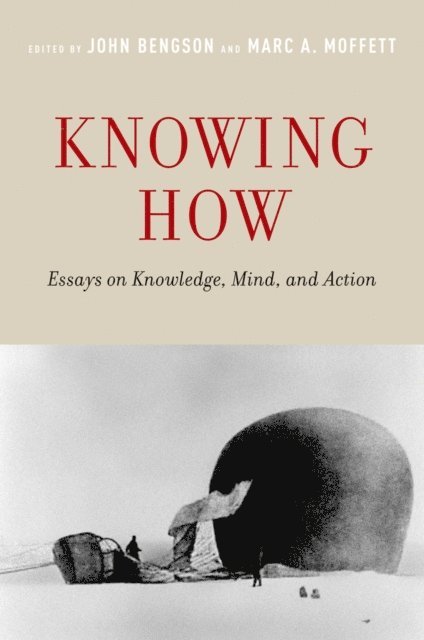
Knowledge how to do things is a pervasive and central element of everyday life. Yet it raises many difficult questions that must be answered by philosophers and cognitive scientists aspiring to understand human cognition and agency. What is the connection between knowing how and knowing that? Is knowledge how simply a type of ability or disposition to act? Is there an irreducibly practical form of knowledge? What is the role of the intellect in intelligent action? This volume contains fifteen state of the art essays by leading figures in philosophy and linguistics that amplify and sharpen the debate between "intellectualists" and "anti-intellectualists" about mind and action, highlighting the conceptual, empirical, and linguistic issues that motivate and sustain the conflict. The essays also explore various ways in which this debate informs central areas of ethics, philosophy of action, epistemology, philosophy of language, and philosophy of mind and cognitive science. Knowing How covers a broad range of topics dealing with tacit and procedural knowledge, the psychology of skill, expertise, intelligence and intelligent action, the nature of ability, the syntax and semantics of embedded questions, the mind-body problem, phenomenal character, epistemic injustice, moral knowledge, the epistemology of logic, linguistic competence, the connection between knowledge and understanding, and the relation between theory and practice. This is the book on knowing how-an invaluable resource for philosophers, linguists, psychologists, and others concerned with knowledge, mind, and action.
753 kr
Skickas inom 7-10 vardagar
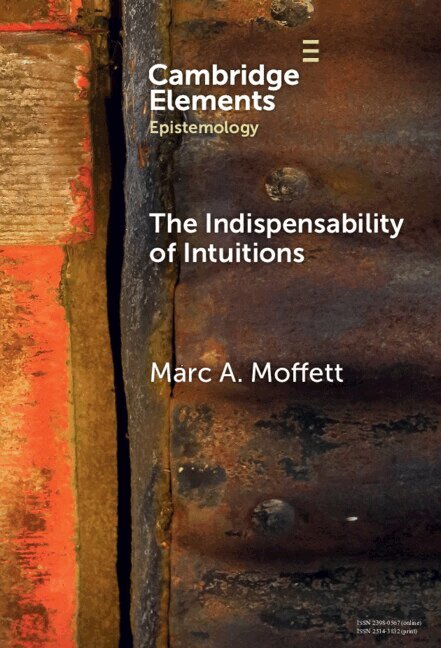
The idea that human beings possess a substantive source of non-experiential evidence (intuitions) has been ridiculed as mystical or hopelessly mysterious. This Element argues that intuitions are neither. On the contrary, it argues that intuitions are a ubiquitous and familiar feature of our cognitive lives and that their evidential status is no more puzzling than that of any other source of evidence. The author does not, however, parry this accusation by assimilating intuitions to less metaphysically uncomfortable entities. Assimilation is futile. Rather, they treat intuitions as their own kind of sui generis intentional states. But unlike many treatments of intuition, the focus is not on their role in the "a priori" disciplines. Instead, the author argues that eschewing intuitions undermines our knowledge on a very broad scale; they are epistemically indispensable. This Element constitutes a sustained argument for this conclusion.
234 kr
Skickas inom 7-10 vardagar
The idea that human beings possess a substantive source of non-experiential evidence (intuitions) has been ridiculed as mystical or hopelessly mysterious. This Element argues that intuitions are neither. On the contrary, it argues that intuitions are a ubiquitous and familiar feature of our cognitive lives and that their evidential status is no more puzzling than that of any other source of evidence. The author does not, however, parry this accusation by assimilating intuitions to less metaphysically uncomfortable entities. Assimilation is futile. Rather, they treat intuitions as their own kind of sui generis intentional states. But unlike many treatments of intuition, the focus is not on their role in the "a priori" disciplines. Instead, the author argues that eschewing intuitions undermines our knowledge on a very broad scale; they are epistemically indispensable. This Element constitutes a sustained argument for this conclusion.