Marc Augé – författare
Visar alla böcker från författaren Marc Augé. Handla med fri frakt och snabb leverans.
40 produkter
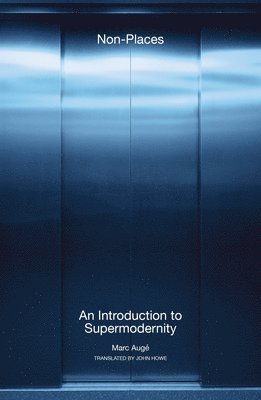
Non-Places
An Introduction to Supermodernity
Av Marc Augé
Häftad, 2023
142 kr
Lägg i varukorg
An ever-increasing proportion of our lives is spent in supermarkets, airports and hotels, on motorways or in front of TVs, computer and cash machines. This invasion of the world by what Marc Auge calls 'non-space' results in a profound alteration of awareness: something we perceive, but only in a …
No Fixed Abode
Ethnofiction
Av Marc Auge
Häftad, 2019
143 kr
Lägg i varukorg
In recent years, social workers have raised a new concern about the appearance of a new category among the working poor. Even employed, there are people so overburdened by the cost of living and so under compensated that they cannot afford a place to sleep. Contrary to popular opinion, according to …
Everyone Dies Young
Time Without Age
Av Marc Augé
Inbunden, 2016
1230 kr
Lägg i varukorg
"We are awash in time, savoring a few moments of it; we project ourselves into it, reinvent it, play with it; we take our time or let it slip away: it is the raw material of our imagination. Age, on the other hand, is the detailed account of the days that pass, the one-way view of the years whose …
Everyone Dies Young
Time Without Age
Av Marc Augé
Häftad, 2016
356 kr
Lägg i varukorg
"We are awash in time, savoring a few moments of it; we project ourselves into it, reinvent it, play with it; we take our time or let it slip away: it is the raw material of our imagination. Age, on the other hand, is the detailed account of the days that pass, the one-way view of the years whose …
Meaning of Illness
Av Marc Auge, Claudine Herzlich
Inbunden, 1988
2601 kr
Lägg i varukorg
First Published in 1988. The Meaning of Illness offers new ways of understanding the nature of disease and explores the idea that health and illness have a special interdependence. Experiences which illness brings to our attention -limitation, vulnerability and dependence - are explored here as …
Sense for the Other
The Timeliness and Relevance of Anthropology
Av Marc Augé
Häftad, 1998
245 kr
Lägg i varukorg
If the end of exoticism is one of the characteristics of our time, and if classical anthropology based its study of alterity on this exotic distance from the other, is anthropology still possible, and if so, to what end? The author uses these questions as a point of departure for a probing …
Oblivion
Av Marc Auge
Häftad, 2004
203 kr
Lägg i varukorg
“Remembering or forgetting is doing gardener’s work, selecting, pruning. Memories are like plants: there are those that need to be quickly eliminated in order to help the others burgeon, transform, flower.”For the health of the psyche and the culture, for the individual and the whole society, …
Someone's Trying to Find You
Av Marc Auge
Inbunden, 2015
216 kr
Lägg i varukorg
As he leaves the cinema where he has just watched Casablanca, one of his favorite films, Julien is approached by a mysterious young woman, Claire. Unbeknownst to Julien, Claire has been following him for several days. Outside the cinema she relays a cryptic message: "Someone's trying to find you." …
Meaning of Illness
Av Claudine Herzlich, Marc Auge
E-bok, 2013
1022 kr
Lägg i varukorg
First Published in 1988. The Meaning of Illness offers new ways of understanding the nature of disease and explores the idea that health and illness have a special interdependence. Experiences which illness brings to our attention -limitation, vulnerability and dependence - are explored here as …
Meaning of Illness
Av Claudine Herzlich, Marc Auge
E-bok, 2013
1030 kr
Lägg i varukorg
First Published in 1988. The Meaning of Illness offers new ways of understanding the nature of disease and explores the idea that health and illness have a special interdependence. Experiences which illness brings to our attention -limitation, vulnerability and dependence - are explored here as …
Future
Av Marc Augé
Häftad, 2015
268 kr
Lägg i varukorg
For Marc Augé, best-selling author of Non-Places, the prevailing idea of "the Future" rests on our present fears of the contemporary world. It is to the future that we look for redemption and progress; but it is also where we project our personal and apocalyptic anxieties. By questioning notions of …
Future
Av Marc Augé
E-bok, 2015
130 kr
Lägg i varukorg
For Marc Aug�, best-selling author of Non-Places , the prevailing idea of "the Future" rests on our present fears of the contemporary world. It is to the future that we look for redemption and progress; but it is also where we project our personal and apocalyptic anxieties. By questioning notions …
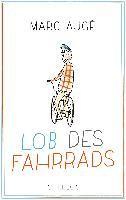
In Praise of the Bicycle
Av Marc Augé
Inbunden, 2019
165 kr
Lägg i varukorg
This is the French anthropologist as we've never heard him before: Marc Augé coined the term ‘non-place’ to describe uniquitous, global airports, hotels and motorways filled with anonymous individuals. In this new book, he casts his anthropologist’s eye on a subject close to his heart: cycling. In …
Non-Places
An Introduction to Supermodernity
Av Marc Augé
E-bok, 2020
130 kr
Lägg i varukorg
An ever-increasing proportion of our lives is spent in supermarkets, airports and hotels, on motorways or in front of TVs, computer and cash machines. This invasion of the world by what Marc Auge calls ''non-space'' results in a profound alteration of awareness: something we perceive, but only in a …
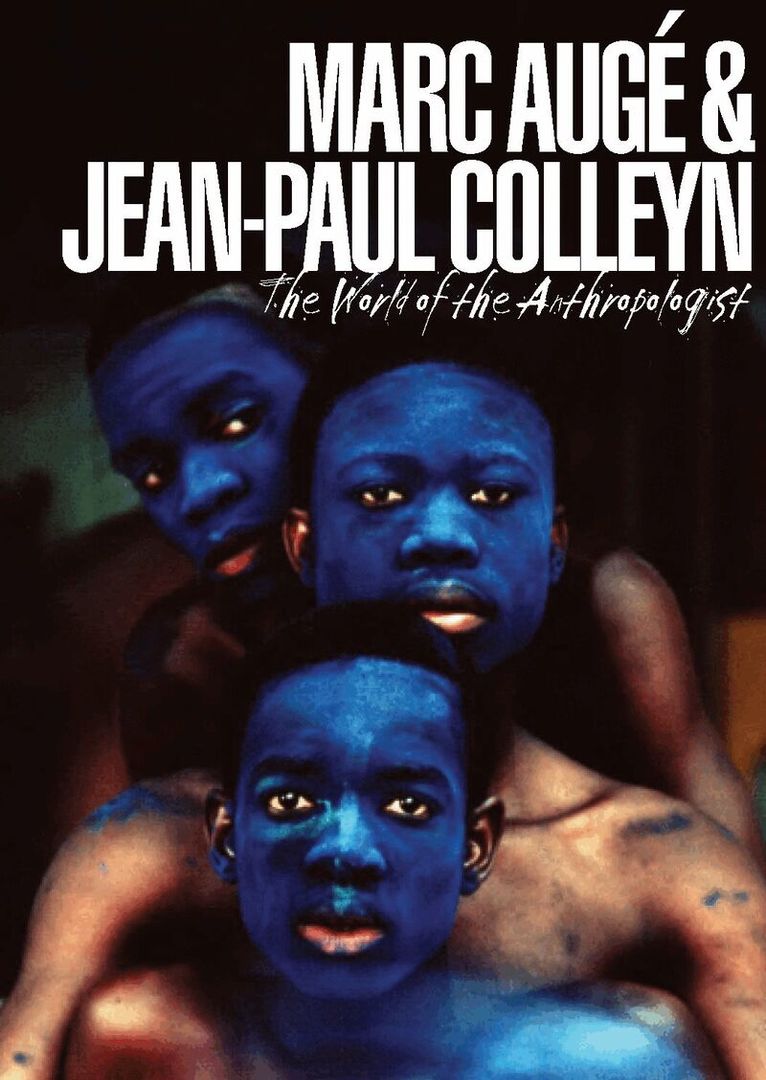
World of the Anthropologist
Av Jean-Paul Colleyn, Marc Augé
Inbunden, 2006
1708 kr
Lägg i varukorg
Anthropology is changing. Traditionally seen as the comparative study of cultural diversity, Anthropology now faces an increasingly globalised world, a world in which societies are not discrete or unique but are all, to some degree, connected. The role of the anthropologist is now less the …
World of the Anthropologist
Av Jean-Paul Colleyn, Marc Augé
Häftad, 2006
404 kr
Lägg i varukorg
Anthropology is changing. Traditionally seen as the comparative study of cultural diversity, Anthropology now faces an increasingly globalised world, a world in which societies are not discrete or unique but are all, to some degree, connected. The role of the anthropologist is now less the …
Fictions de siècel suivi de Que se passe-t-il ?: 29 février, 31 mars, 30 avril 2000
Av Marc Augé
Häftad, 2000
595 kr
Lägg i varukorg
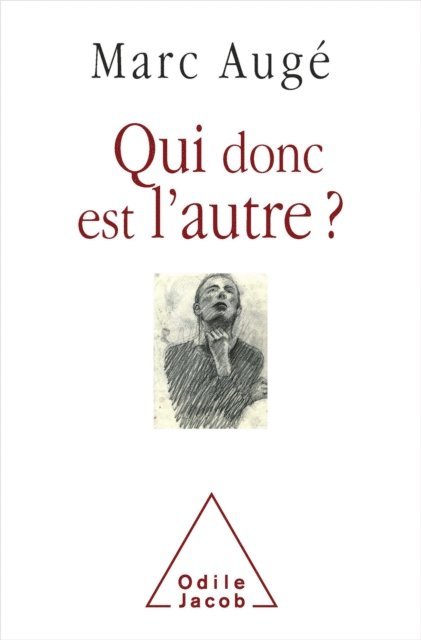
Qui donc est l'autre ?
Av Marc Auge
E-bok, 2017
178 kr
Lägg i varukorg
Anthropologue de grand renom, Marc Augé a toujours été préoccupé par la question de l’autre : l’autre individu, l’autre société, l’autre culturel, l’autre géographique. Dans ce livre, il entraîne son lecteur des stades des grandes villes aux lagunes de la Côte d’Ivoire ; il s’interroge sur le sens …
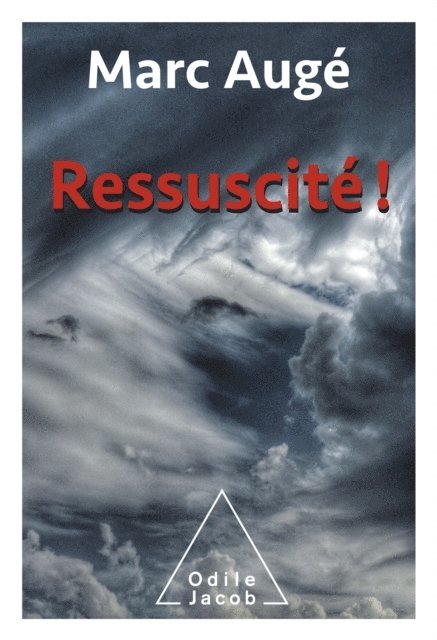
Ressuscité !
Av Marc Auge
E-bok, 2019
114 kr
Lägg i varukorg
2028 : on apprend qu’un homme décédé en 1978 à la suite d’un cancer vient d’être ressuscité par une équipe française qui, soutenue en secret par la présidence de la République, a pris une avance considérable dans le domaine de la cryogénisation, technique qui permet le refroidissement du cadavre …
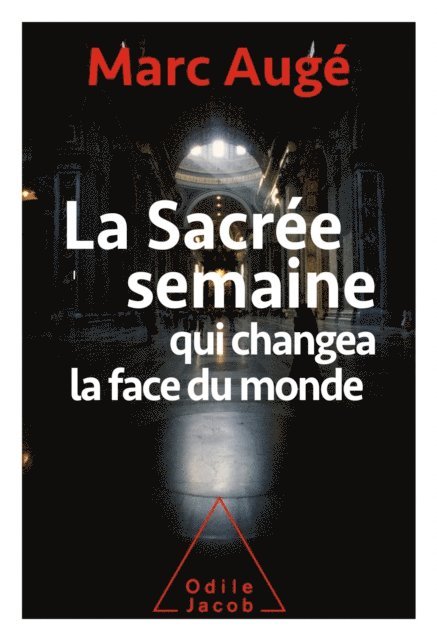
La Sacrée Semaine qui changea la face du monde
Av Marc Auge
E-bok, 2016
109 kr
Lägg i varukorg
Le 1er avril 2018, le jour de Pâques, le pape prononce trois mots qui sidèrent instantanément chrétiens, juifs, musulmans, agnostiques, athées, et déclenchent un tsunami mondial. C’est le début d’une folle semaine qui va embraser la planète et bouleverser l’avenir de l’humanité. Mais qu’est-ce qui …
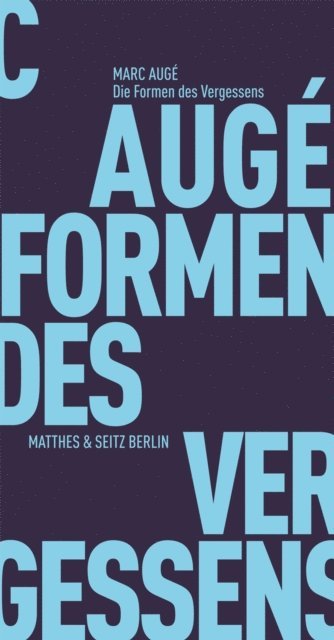
Die Formen des Vergessens
Av Marc Auge
E-bok, 2014
113 kr
Lägg i varukorg
Vergessen und Erinnern bedingen einander. Augé unterscheidet im Verlauf der Geschichte und im Leben des Individuums drei Formen des Vergessens. Davon ausgehend zeigt er, welche Möglichkeiten der Gegenwärtigkeit im Vergessen liegen, und weist Wege zu einem glücklichen Leben im Hier und Jetzt.
Die illusorische Gemeinschaft
Av Marc Auge
E-bok, 2015
68 kr
Lägg i varukorg
Die Welt wächst immer stärker zusammen, gleichzeitig wollen die Menschen nicht darauf verzichten, sich der Zugehörigkeit zu einer Gemeinschaft zu versichern. In seinem brillanten zeigdiagnostischen Essay hinterfragt Marc Augé die Grundlagen von Gemeinschaft und stellt sie in einen …